
Fibermaxxing 101: How to Boost Your Daily Fiber (Without Upsetting Your Gut)
Increasing your daily fiber intake can be a game-changer for overall health, but doing it right is crucial. “Fibermaxxing 101” will guide you in boosting fiber without discomfort, ensuring your digestive system adjusts smoothly. This guide highlights the types of fiber, how to incorporate them, and practical tips for integrating them naturally into your diet. Understanding and implementing these techniques will let you enjoy the many benefits fiber offers, from improved digestion to enhanced satiety.
Why Fiber Matters More Than You Think

Fiber isn’t just about keeping digestion regular, it’s a cornerstone of long-term health. Studies, including one published in The Lancet, show that diets high in fiber are linked to a lower risk of heart disease, type 2 diabetes, and even certain cancers. Fiber helps regulate blood sugar, supports healthy cholesterol, and feeds gut-friendly bacteria. Yet most Americans consume only about 15 grams daily, far below the recommended 25–38 grams, making it an overlooked but vital nutrient.
Soluble vs. Insoluble Fiber Explained

Not all fiber works the same way in your body. Soluble fiber, found in foods like oats, beans, and apples, dissolves in water to form a gel that slows digestion, lowers cholesterol, and stabilizes blood sugar. Insoluble fiber, found in whole grains, nuts, and vegetables, adds bulk to stool and keeps things moving through the digestive tract. According to the Harvard T.H. Chan School of Public Health, both types are essential for balanced gut and overall health.
Start Slow: Avoid the Fiber Trap

Jumping from a low-fiber diet to high intake overnight can backfire, causing bloating, cramping, and gas. The Cleveland Clinic advises increasing fiber gradually and pairing it with plenty of water to help your body adjust. A good rule of thumb is to add just a few grams per day until you reach the recommended 25–38 grams. This slow approach allows your gut bacteria to adapt, making fiber a friend to your digestive system rather than a source of discomfort.
Whole Foods First: Best Natural Sources

When it comes to boosting fiber, whole foods are your best bet. Fruits, vegetables, legumes, nuts, and whole grains provide not just fiber but also vitamins, minerals, and antioxidants. For example, a cup of raspberries packs 8 grams of fiber, while a half-cup of lentils delivers 7. According to the USDA Dietary Guidelines, prioritizing whole foods over supplements ensures a balance of soluble and insoluble fiber, supporting both digestive health and long-term disease prevention.
Smart Swaps: Sneak Fiber Into Every Meal
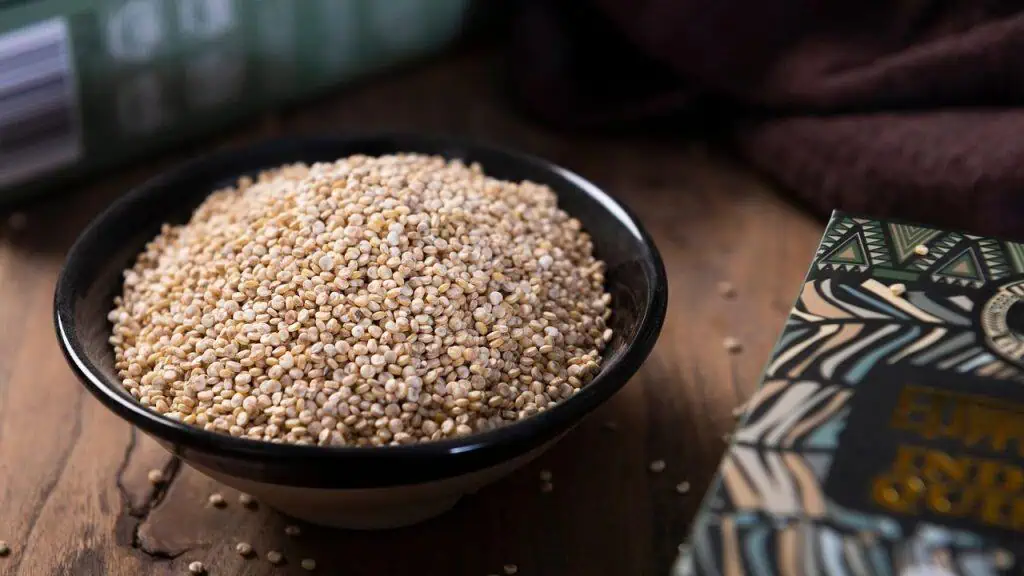
Small changes can add up to big fiber gains. Swap white bread for whole grain, refined pasta for chickpea or lentil pasta, and sugary snacks for nuts or fruit. Even adding chia seeds to yogurt or flaxseed to smoothies can boost intake by several grams. Research in the Journal of Nutrition shows that replacing refined carbs with high-fiber alternatives improves gut health and lowers cholesterol. These easy swaps make hitting 25–38 grams of fiber daily much more achievable.
Hydration: Fiber’s Secret Partner

Water is essential when increasing fiber, since fiber absorbs fluid to do its job effectively. Without enough hydration, added fiber can lead to constipation or discomfort instead of improved digestion. The Mayo Clinic notes that pairing fiber-rich foods with at least 8 cups of water daily helps stool stay soft and supports smooth digestion. Think of fiber and water as a team together, they keep your gut moving and maximize the health benefits of a high-fiber diet.
Supplements or Superfoods? Extra Help
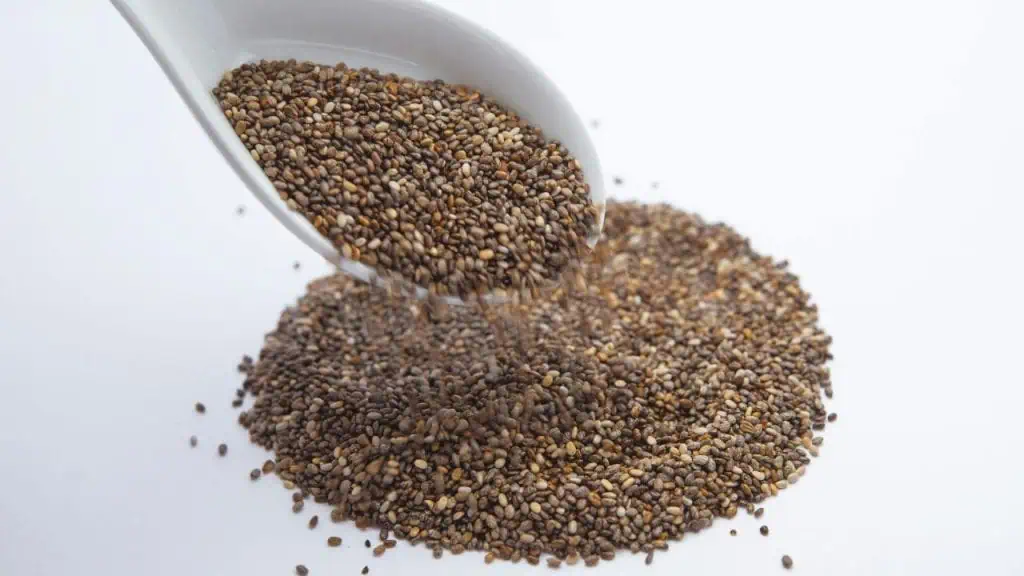
While whole foods should be the foundation of fiber intake, supplements like psyllium husk or inulin can help fill gaps. The National Institutes of Health note that fiber supplements may lower cholesterol and improve bowel regularity, but they lack the vitamins and phytonutrients found in whole foods. Superfoods such as chia seeds, flaxseeds, and quinoa offer a natural boost, packing both soluble and insoluble fiber. Use supplements wisely, ideally as a backup, not a replacement.
Gut-Friendly Fiber: Avoid Bloating

Not all fibers are equally easy on the stomach. Highly fermentable fibers, like those in beans or certain supplements, can cause gas and bloating if added too quickly. Choosing gentler options such as oats, berries, carrots, or chia seeds can provide benefits with fewer side effects. Research in the American Journal of Clinical Nutrition suggests gradually increasing fiber and varying sources helps the gut microbiome adjust, reducing discomfort while still supporting digestive and heart health.
How Much Fiber Do You Really Need?

Daily fiber needs vary by age and gender, but most adults should aim for 25 grams (women) to 38 grams (men), according to the Dietary Guidelines for Americans. Yet the average intake is only about 15 grams, leaving a significant gap. Meeting these targets supports heart health, blood sugar control, and digestion. Tracking your intake for a few days can reveal where you fall short, and highlight simple swaps to get closer to the recommended range.
Tracking Your Fiber: Stay on Target

Keeping tabs on fiber intake can make hitting daily goals much easier. Food tracking apps and nutrition labels help you monitor grams per serving and identify gaps in your diet. For example, logging a cup of black beans (15g) or an apple (4g) shows progress toward the 25–38 grams recommended by the Dietary Guidelines for Americans. Research in Nutrients suggests mindful tracking not only boosts fiber intake but also encourages healthier overall eating patterns.
