
These Fermented & Fantastic Foods Can Boost Gut Health Naturally
Fermented foods are a powerhouse for gut health, rich in probiotics that support digestion and overall wellness. These natural wonders offer vibrant flavors while boosting your body’s microbiome. Today, we’ll explore how to incorporate kimchi, sauerkraut, kefir, and miso into your diet, each bringing its unique texture and taste to the table. Whether you’re a fermentation novice or seasoned enthusiast, these recipes ensure flavor and function in every bite.
Kimchi: Spice Up Your Gut Health

Kimchi is a staple of Korean cuisine, renowned for its spicy and tangy crunch. Begin by fermenting Napa cabbage with Gochugaru, a Korean red pepper powder, garlic, ginger, and fish sauce for depth. The controlled fermentation process enhances probiotic benefits, supporting digestion and immunity. Adjust the spice level to your preference, allowing the cabbage to sit in a brine that compels flavor and aids fermentation. Enjoy kimchi as a side dish or integrate it into soups and stews for a probiotic punch.
Sauerkraut: Tangy Fermentation Power
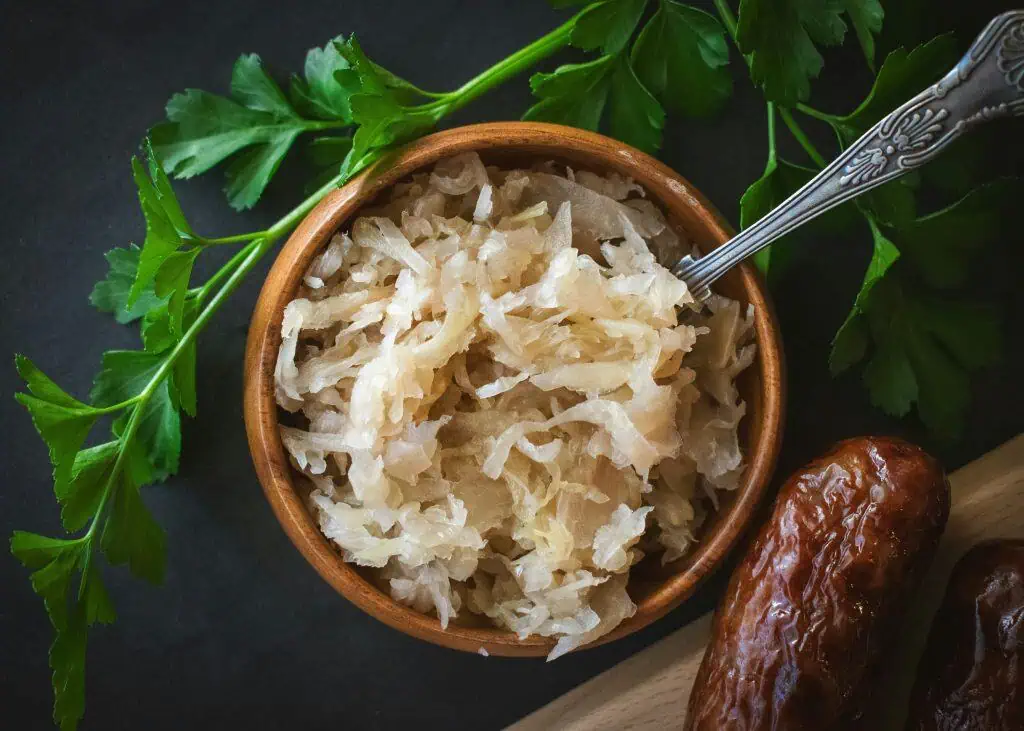
Sauerkraut delivers on both flavor and nutrients, using only cabbage and salt. Slice the cabbage finely, then vigorously massage with salt to draw out moisture—a key step for successful fermentation. Pack it tightly into a sterilized jar and allow it to ferment at room temperature for several days. During this period, lactic acid bacteria flourish, creating probiotics while infusing that classic tangy profile. Consume sauerkraut alongside meats or in salads for a beneficial and zesty addition to meals.
Kefir: Cultured Dairy Delight

Kefir offers a creamy, tart beverage packed with probiotics, made by adding kefir grains to your choice of milk. This fermentation process resembles that of yogurt but provides a higher bacterial count and diversity. Kefir’s effervescent quality comes from yeast and bacteria acting together, resulting in a delectable fizz. Drink it plain or blend with fruits for a nutritious smoothie. The ease of preparation and rich probiotic content makes kefir a versatile addition to your daily routine.
Miso: Umami for Your Microbiome

Miso, a fermented soybean paste, is a cornerstone of Japanese cuisine, delivering natural probiotics that enhance gut health. Its earthy, complex flavor lends depth to broths, dressings, and marinades. To preserve its beneficial bacteria, add miso to dishes after cooking is complete, stirring gently to dissolve. Choose from yellow, red, or white miso—each offering varying intensities—allowing customization of flavor profiles. Embrace miso as a seasoning staple, balancing savory nuances in various culinary applications.
Tempeh: Protein with Probiotics

Tempeh, originating from Indonesia, is a powerhouse of protein and probiotics. Made from fermented soybeans, it retains its whole-bean texture, providing a satisfying bite. To prepare tempeh effectively, start by steaming it for 10 minutes. This softens its dense texture and helps remove any bitter taste. Marinate in soy sauce, ginger, and garlic for at least 20 minutes to infuse flavor. Pan-sear until golden brown, adding a touch of sesame oil for nuttiness. This method enhances the probiotics and makes a versatile addition to salads, stir-fries, or sandwiches.
Yogurt: Live Cultures’ Classic Boost

Yogurt is a staple in promoting gut health, thanks to its live probiotic cultures. Opt for plain, unsweetened yogurt to avoid hidden sugars that can diminish health benefits. When making homemade yogurt, maintain milk at 110°F to encourage culture growth. Allow fermenting for 6 to 12 hours, resulting in a creamy texture and tangy taste. Enhance yogurt’s versatility by incorporating it into smoothies, dressings, or as a base for dips. For a thicker consistency, strain it to produce Greek yogurt, which also intensifies its probiotic concentration.
