
Coffee 101: How to Understand Elevation, Acidity, and Flavor in Every Cup
Every coffee drinker knows the joy of that first morning sip, but few realize how much science and geography go into creating it. The way coffee tastes, whether fruity, nutty, or chocolatey, is shaped by factors like elevation, acidity, and flavor origin. These elements determine how beans grow, roast, and brew, ultimately defining what you experience in the cup. Learning how they work together helps you appreciate your coffee on a deeper level and choose beans that perfectly match your taste preferences.
Elevation: The Altitude Advantage
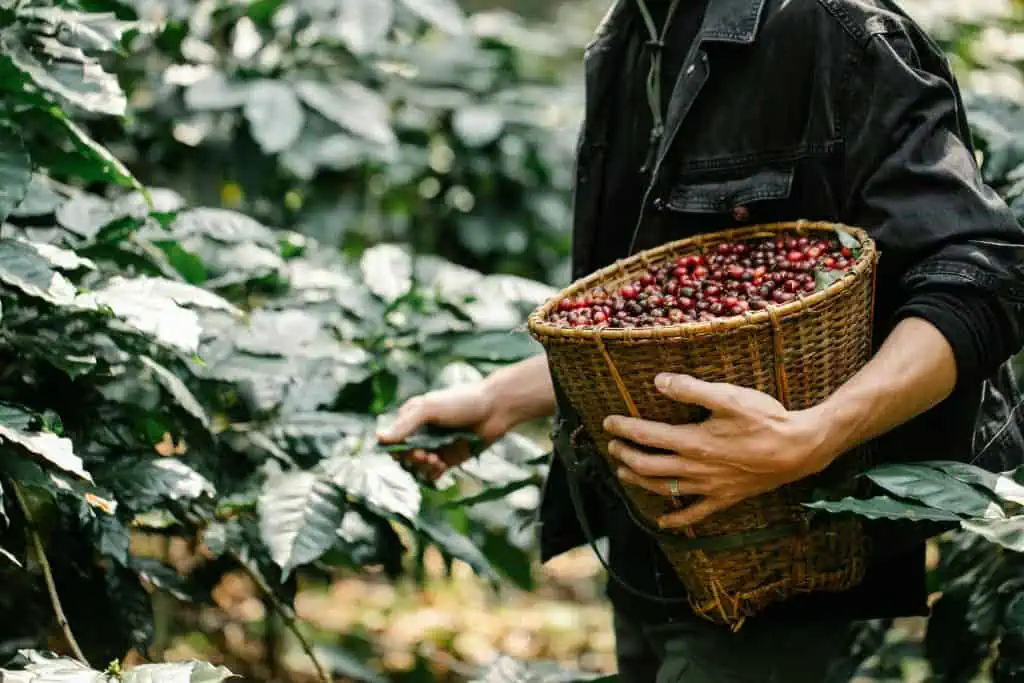
The elevation at which coffee grows has one of the biggest influences on flavor. Higher altitudes mean cooler temperatures, which slow the coffee cherry’s growth and allow sugars to develop more fully. This creates beans that are dense, complex, and rich in nuanced flavors like fruit, honey, or floral notes. Coffees from Ethiopia, Kenya, or Colombia, often labeled “Strictly High Grown (SHG)”, are known for these bright and layered profiles. In contrast, coffee grown at lower elevations ripens faster due to warmer climates, producing smoother, earthier flavors. Beans from Brazil or Sumatra often have these characteristics, delivering a more rounded, chocolatey cup. The higher the elevation, the denser and more flavorful the bean tends to be making altitude a key factor for those who crave depth and complexity in their brew.
Acidity: The Spark of Flavor

In coffee, acidity refers not to sourness but to the brightness that clean, lively sensation that brings balance and vibrancy to each sip. It’s what makes a cup taste crisp and refreshing instead of flat. High-acidity coffees often carry notes of citrus, apple, or berry, while low-acidity ones lean toward rich, deep flavors like caramel or cocoa. Several factors influence acidity, including bean variety, soil, and roast level. Light roasts tend to highlight acidity, preserving fruity and floral tones. Darker roasts, on the other hand, reduce acidity and enhance sweetness, making the coffee smoother and fuller-bodied. A Guatemalan light roast might deliver zesty lemon brightness, while a Sumatran dark roast will feel rich and velvety. Understanding acidity helps you tailor your brew.
Flavor: A Story of Origin and Process

Every coffee-growing region has its own flavor story shaped by climate, soil, and processing method. This concept, known as terroir, explains why no two coffees taste the same. African coffees, like those from Ethiopia or Rwanda, often have fruity and floral notes. Central and South American coffees feature nutty, chocolatey undertones, while Asian varieties like Sumatra’s are known for their bold, earthy depth. Processing also impacts flavor. Washed coffees, where the fruit is removed before drying, produce clean, crisp flavors. Natural-processed beans, dried inside the fruit, offer jammy sweetness and a heavier body. The honey process strikes a balance, delivering a smooth mouthfeel with caramel-like richness.
Finding Your Perfect Cup

Once you understand the role of elevation, acidity, and origin, you can start building your own flavor map. If you enjoy bright and fruity notes, go for high-altitude African coffees with lighter roasts. For a smooth, balanced taste, explore Central American blends like those from Costa Rica or Guatemala. And if you love dark, full-bodied brews, Indonesian or Brazilian coffees will hit the spot. Experimenting with brewing methods enhances these flavors further. Pour-over and Chemex highlight acidity and complexity, while French press and espresso emphasize body and sweetness. Take notes as you taste, the more you explore, the easier it becomes to identify what makes your favorite coffee so satisfying.
