
Cheese Board Ideas That Shine on Social Media but Are Impractical
Cheese boards have come a long way from simple appetizers. Now they’re full-on visual moments. Scroll through social media, and you’ll see perfectly styled spreads, stacked displays, and color-coordinated boards that almost look too pretty to touch.
And to be fair—they do impress.
But here’s what people start to notice once guests actually dig in. Not every trend that looks amazing on camera works in real life. Some are awkward to serve, some limit variety, and others just add more effort than they’re worth.
The difference between how a board looks and how it functions becomes pretty obvious once people start eating.
Pre-Cut Cheese Loses Freshness Faster Than Expected

Pre-cut cheese makes everything look ready to go and easy to grab.
The problem is that once it’s exposed to air, it starts to lose its texture and flavor. It can dry out or become less appealing the longer it sits.
Serving larger pieces with a knife helps keep things fresh longer. It might take a little more effort, but the quality holds up much better.
Grazing Tables Look Generous but Quickly Become Hard to Navigate
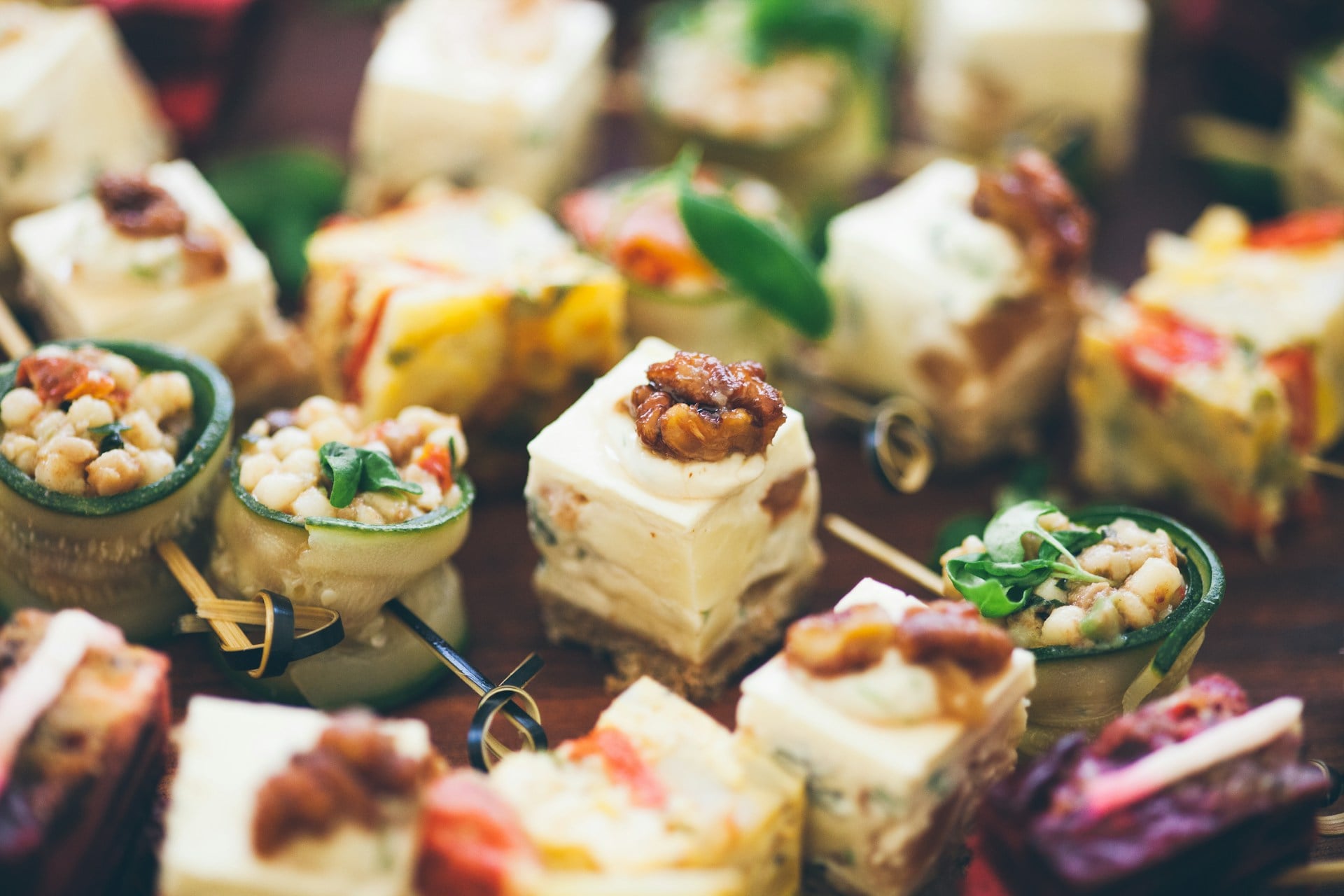
A full grazing table definitely makes an impression. With rows of cheeses, meats, fruits, and crackers spread out, it creates that “there’s something for everyone” feeling—and it photographs beautifully.
But once people start serving themselves, things can get crowded fast. Guests reach across the table, items get mixed together, and utensils are harder to manage. Food placed farther away often gets ignored, while the popular spots get messy.
What starts as a showpiece can quickly turn into a bit of a hassle. A well-organized board with clear sections is usually easier to enjoy and just as satisfying. Once people are eating, accessibility matters more than size.
Color Coordinated Boards Trade Variety for Visual Appeal

Color-themed boards are designed to look clean and cohesive. Everything sticks to one palette—whether it’s all whites, greens, or warm tones—which gives it that polished, styled look.
The trade-off is variety. When you focus too much on color, you often repeat similar ingredients just to keep the theme consistent. That can make the board feel less interesting once people start tasting.
The best boards usually have contrast—different textures, flavors, and strengths. When color becomes the main focus, that balance can get lost.
Dessert Boards Blur the Line Between Cheese and Sweets

Dessert boards swap out savory items for things like chocolate, cookies, and fruit. They’re fun, indulgent, and definitely eye-catching.
But they also move away from what makes a cheese board work in the first place—balance. Without savory elements, everything leans sweet, which can feel a little one-note after a few bites.
They’re great for certain occasions, but not always the best choice for general entertaining. A mix of sweet and savory usually keeps people coming back for more.
Mini Boards for Each Guest Create More Work Than Needed
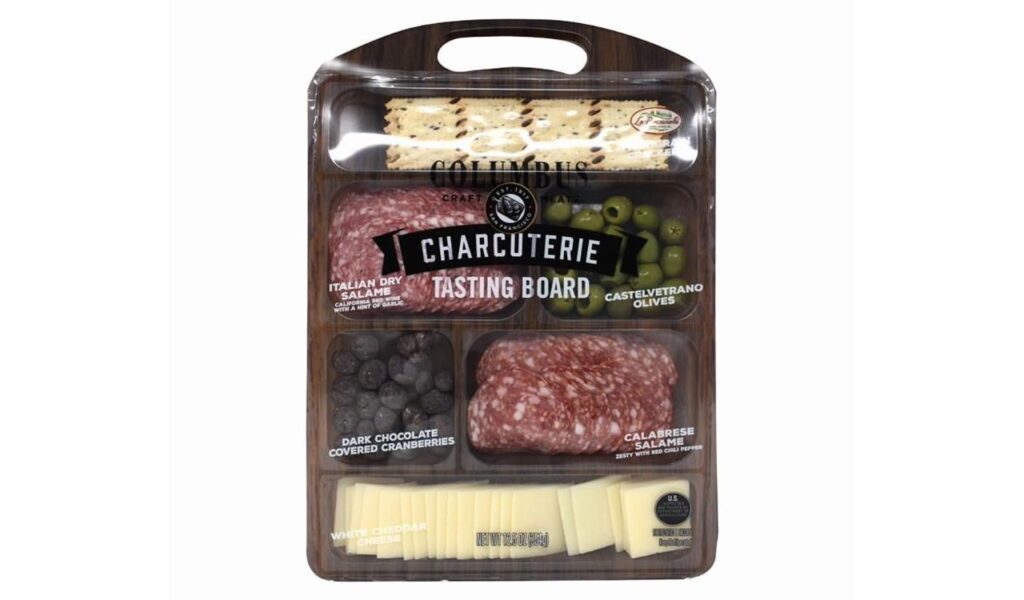
Individual boards look thoughtful and put-together. Each guest gets their own little spread, and it definitely makes for a great presentation.
The downside is the effort. Making multiple boards takes more time, more ingredients, and more cleanup. It also limits choice since guests are stuck with whatever is already on their plate.
A shared board tends to be more flexible and easier overall. It lets people pick what they like and build their own combinations, which usually works better in practice.
Vertical Displays Look Creative but Are Hard to Serve
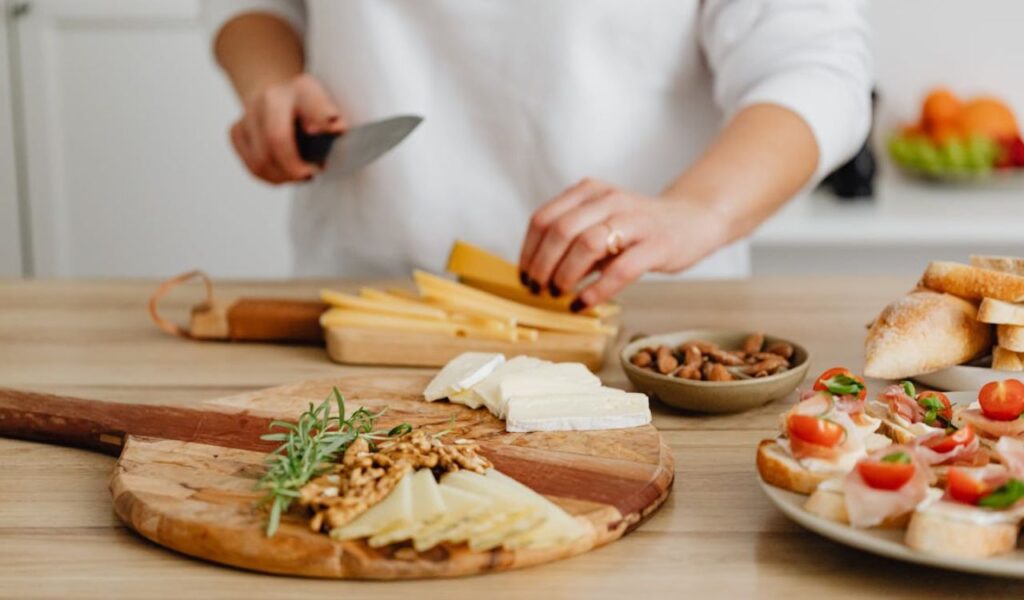
Stacked or vertical boards add height and make a strong visual statement. They turn a cheese board into more of a centerpiece.
But they’re not always practical. Items placed higher up can be hard to reach, and removing something can throw off the whole setup. Things can shift or lose their balance pretty quickly.
A flatter layout may not be as dramatic, but it’s much easier for guests to actually use.
Rare Ingredients Make Boards Hard to Recreate and Maintain
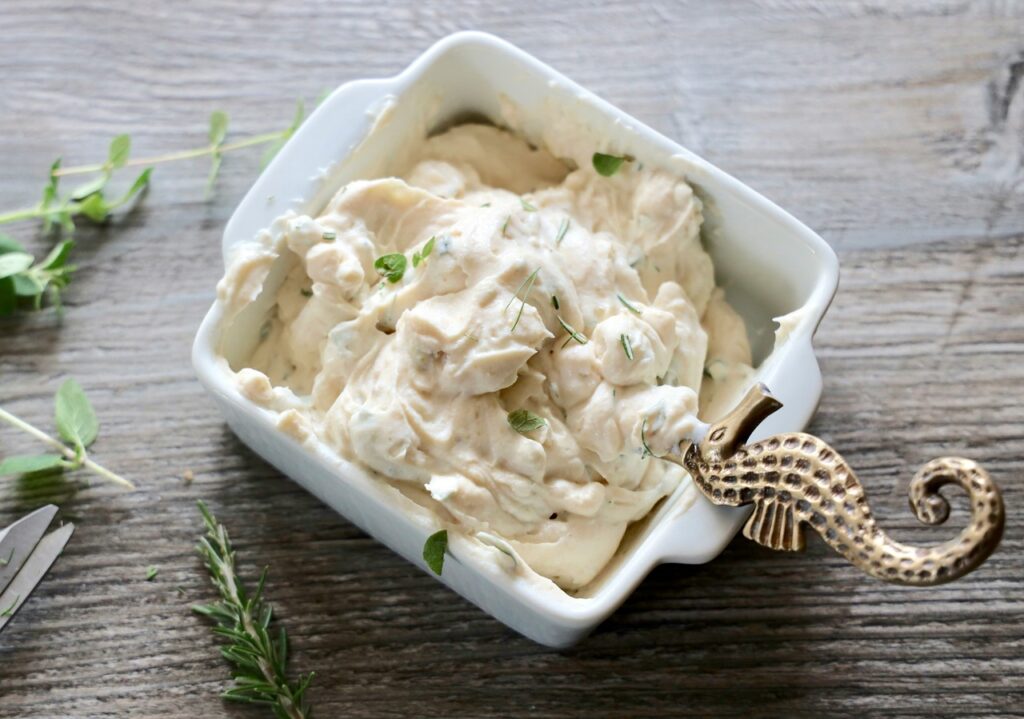
Using unique or specialty ingredients can make a board feel elevated and interesting.
But they’re not always easy to find—or affordable. And not every guest will enjoy them.
A better approach is mixing familiar favorites with a few standout items. That way, the board stays approachable while still feeling special.
Theme-Based Boards Can Limit Flavor Pairing
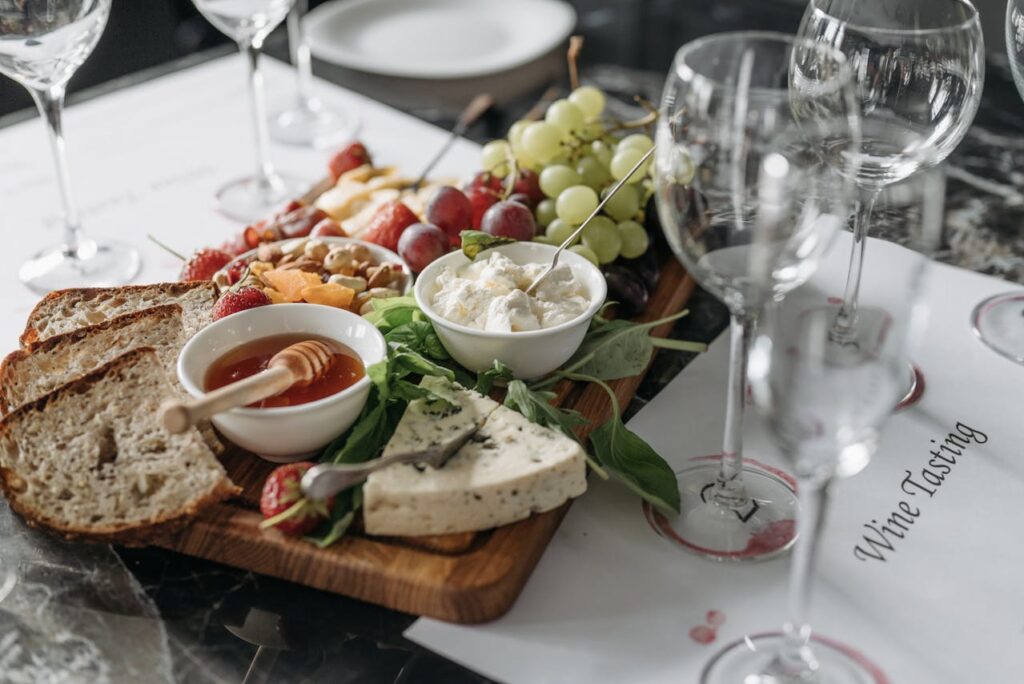
Themed boards—like regional or seasonal setups—can feel fun and intentional. They add a storytelling element that makes the display more memorable.
But strict themes can also limit your options. Not everything within a theme pairs well together, even if it looks cohesive.
A great board usually benefits from mixing and matching flavors. When the theme gets too restrictive, it can take away from the overall experience.
Heavy Garnishing Gets in the Way of Eating
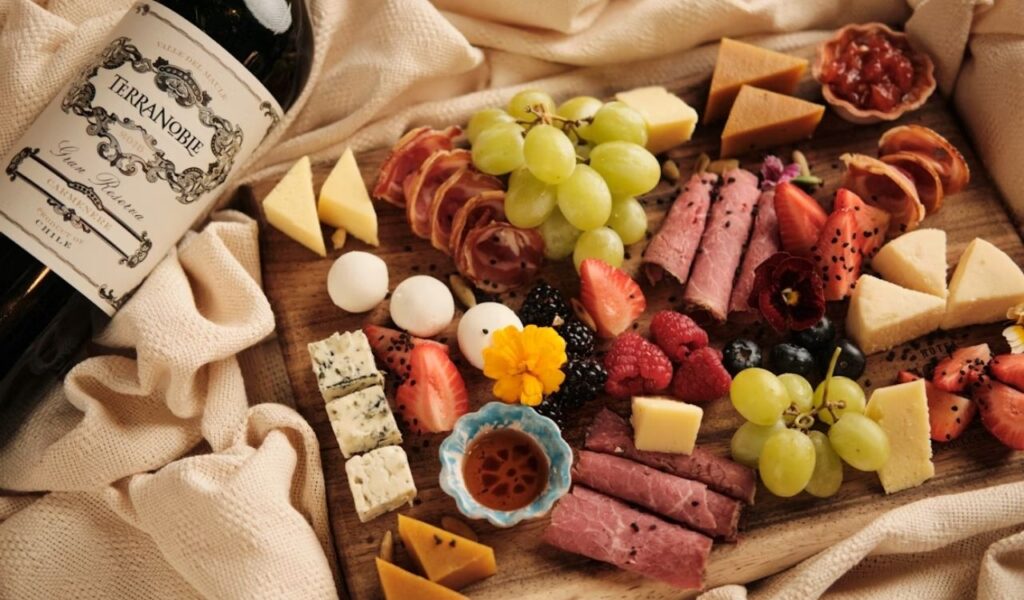
Garnishes like herbs, flowers, and decorative extras can make a board look full and styled.
But too many can get in the way. Guests may have to move things around just to reach the food, and sometimes it’s not even clear what’s edible.
Keeping it simple usually works better. A few thoughtful touches go a long way without making things harder to navigate.
Charcuterie Cups Look Cute but Limit Choice

Charcuterie cups are neat, portable, and easy to hand out.
But they come with a fixed selection, which takes away the ability to choose. Guests might end up with items they don’t want while missing ones they would have enjoyed.
A shared board gives people more freedom to pick and mix. That flexibility is part of what makes cheese boards fun in the first place.
