
One-Pan Carne Picada – Tender, Spicy & Irresistible
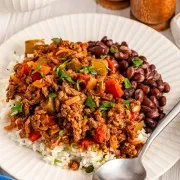
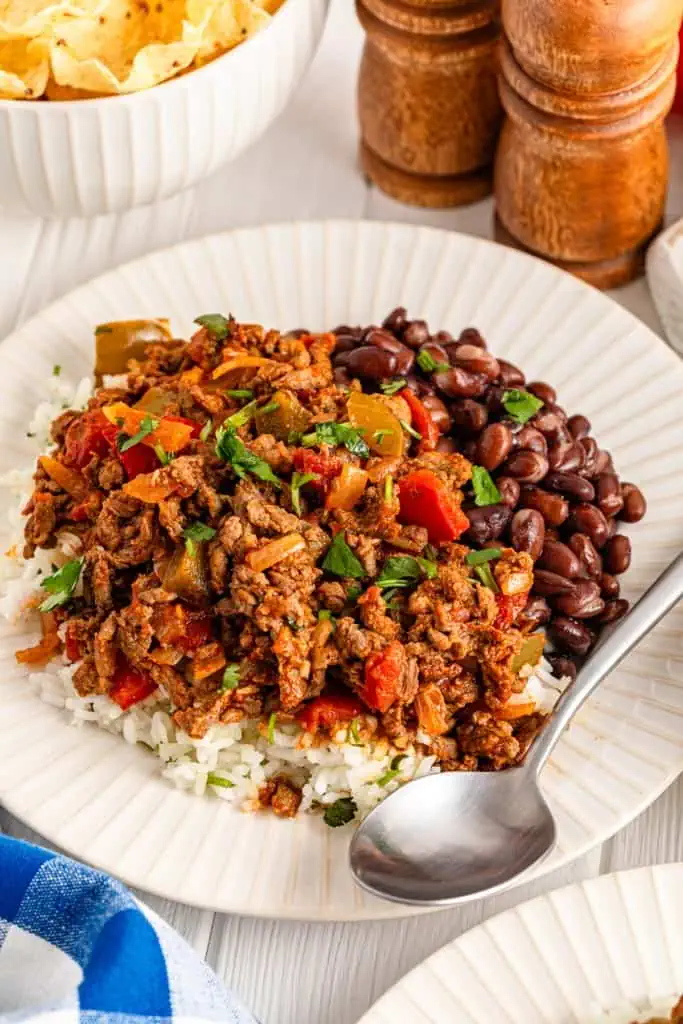
This Carne Picada Recipe turns thinly chopped beef into a flavorful, tender dinner that’s perfect for tacos, burritos, rice bowls, nachos, and so much more. With simple seasonings and an easy cooking method, this is one of those recipes that can turn a package of beef into several different meals.
If you’ve ever grabbed carne picada from the grocery store and wondered exactly what to do with it, you’re definitely not alone. This cut cooks quickly, absorbs flavor beautifully, and makes an easy weeknight dinner when you know how to prepare it.
If taco night is a regular thing in your house, this pairs perfectly with my Mexican Street Corn (Elotes) for a colorful, flavor-packed meal.
About This Recipe
This is a one-pan carne picada made in a Dutch oven with 3 pounds of beef simmered in a smoky tomato-chile gravy. It serves 12, takes 10 minutes of active prep and 30 minutes of simmering, for 40 minutes total. The spice-and-cornstarch coating is what sets this version apart: it locks in flavor during the sear and thickens the sauce as it cooks. Sear the beef in batches so it browns properly, not steams. All the heat is adjustable.

Recipe Snapshot
- One pan, big payoff: Everything happens in a single Dutch oven. The sear, the saute, the simmer, the sauce. You’ll have one pot to clean.
- The spice blend does the heavy lifting: Instead of a store-bought packet, you build the flavor yourself with eight spices. The difference in depth is noticeable.
- Cornstarch is the secret: Coating the beef in a cornstarch-spice mix before searing gives you a lightly crisp exterior and automatically thickens the sauce without any extra steps.
- Completely flexible heat level: As written, this has a nice warm kick. Pull back the cayenne for a milder version, or add a chipotle pepper in adobo if you want serious heat.
- Leftovers get even better: The flavors deepen overnight. This is a great make-ahead dish, and it reheats beautifully with a splash of beef broth.
- Best For: Weeknight dinners, taco night, meal prep, Cinco de Mayo spreads, feeding a crowd, rice bowl stations.
💡 David’s Tip: Don’t skip the batch searing. I know it feels like extra work when you’re hungry, but crowding the pot means the beef steams instead of browns, and you lose that caramelized crust that makes the whole dish taste the way it does. Three good batches, and you’re set.
SUMMARIZE AND SAVE THIS RECIPE CONTENT ON:
Why You’ll Love This Carne Picada Recipe
What Is Carne Picada?
Carne picada translates to “chopped meat” or “minced meat” in Spanish, and that’s exactly what it is: beef that’s been cut into small, bite-sized pieces rather than left as a whole steak or roast. Most grocery stores and Mexican markets sell it pre-cut, which means you can grab it and go straight to seasoning. The smaller cut isn’t just a convenience thing either. It gives you more surface area for browning, cooks faster than a large cut, and soaks up sauce in a way that bigger pieces of beef just can’t. If you’ve ever wanted that satisfying, flavorful bite of beef in a taco without the chewiness of a thick steak strip, carne picada is the answer.
You’ll find it showing up in tacos, burritos, rice bowls, quesadillas, nachos, and skillet dinners. Basically anywhere you want seasoned beef that actually holds its own against bold flavors.
Carne Picada vs. Carne Asada: What’s the Difference?
The names are close enough that people mix them up all the time, but they’re not the same thing. Carne picada refers to the cut: chopped or minced beef, typically simmered or cooked in a sauce. Carne asada means “grilled meat” and refers to marinated steak that gets cooked hot and fast over a grill, then sliced thin. Both are fantastic in tacos, but they eat completely differently. Carne picada is saucy and tender, great for scooping. Carne asada is charred and smoky, better for slicing. For a weeknight dinner where you want bold flavor without firing up the grill, carne picada wins every time.
The Ingredient Breakdown
Top Tip for a “Smoky” Finish
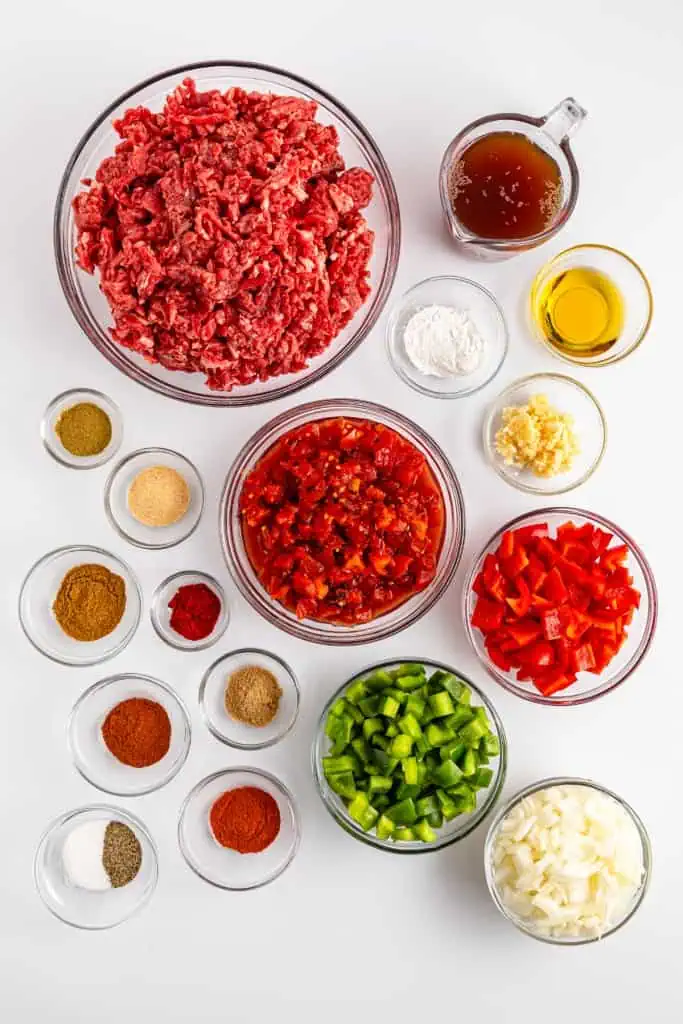
Mix your spice blend and cornstarch together in a bowl before you start anything else. Toss all the beef in it at once so every piece is evenly coated. This takes two minutes and means you’re not measuring spices while your Dutch oven is already smoking hot.
How to Make Carne Picada (Step-by-Step)
Step 1: Mix Your Spice Blend and Coat the Beef
Combine the cornstarch, salt, black pepper, cumin, chili powder, cayenne, garlic powder, coriander, oregano, and smoked paprika in a large bowl and stir until everything is evenly mixed. Add all the beef and toss to coat, making sure every piece gets covered. The mix will look dry, but that’s right. You want it to cling, not clump. The beef should look evenly reddish-orange from the paprika and chili powder when it’s properly coated.
Step 2: Sear the Beef in Batches
Heat 1 tablespoon of avocado oil in a large Dutch oven over medium-high heat. You’ll know it’s ready when you flick a drop of water into the pot and it immediately evaporates. Work in batches of roughly a pound at a time and add the beef in a single layer without crowding. Sear for 3 to 5 minutes per side. What you’re looking for is a deep, caramelized brown crust, not gray steamed meat. If your pot sounds quiet, your heat is probably too low. You want an active, assertive sizzle. Transfer each batch to a plate and add another splash of oil before the next round.
Step 3: Saute the Aromatics
Once all the beef is seared and resting on a plate, reduce the heat to medium. Without wiping out the Dutch oven, add the chopped sweet onion and minced garlic directly into all those browned bits and drippings at the bottom. Saute for 2 to 3 minutes, stirring occasionally. The onion should start to turn translucent and soften at the edges. The garlic will go fragrant fast. When you can smell it clearly, about 30 seconds, it’s ready for the next step. That’s your cue, not a timer.
Step 4: Add the Bell Peppers
Add the chopped red and green bell peppers to the pot and stir to combine with the onion and garlic. Saute for another 1 to 2 minutes, just until the peppers begin to soften slightly. You’re not trying to cook them all the way through here. They’ll finish during the simmer. Keeping them slightly underdone at this stage means they hold their texture in the final dish instead of turning mushy.
Step 5: Build the Sauce and Simmer
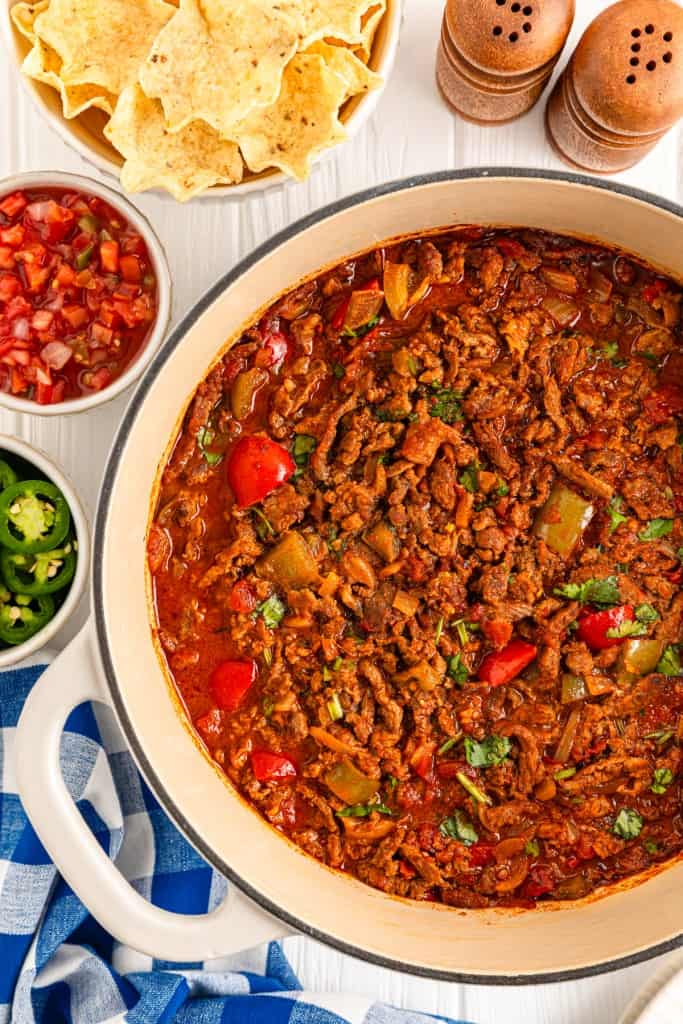
Return the seared beef to the Dutch oven. Pour in both cans of undrained Rotel and the cup of beef broth. Stir everything together until combined, scraping up any browned bits from the bottom of the pot. Bring the mixture to a boil over medium-high heat. Once you see a full rolling boil, reduce the heat to low, leave the pot uncovered, and simmer for 20 minutes. Stir occasionally and check that there’s still liquid covering the bottom. The sauce will reduce and thicken visibly as it simmers. By the end, it should coat a spoon.
Step 6: Adjust and Serve
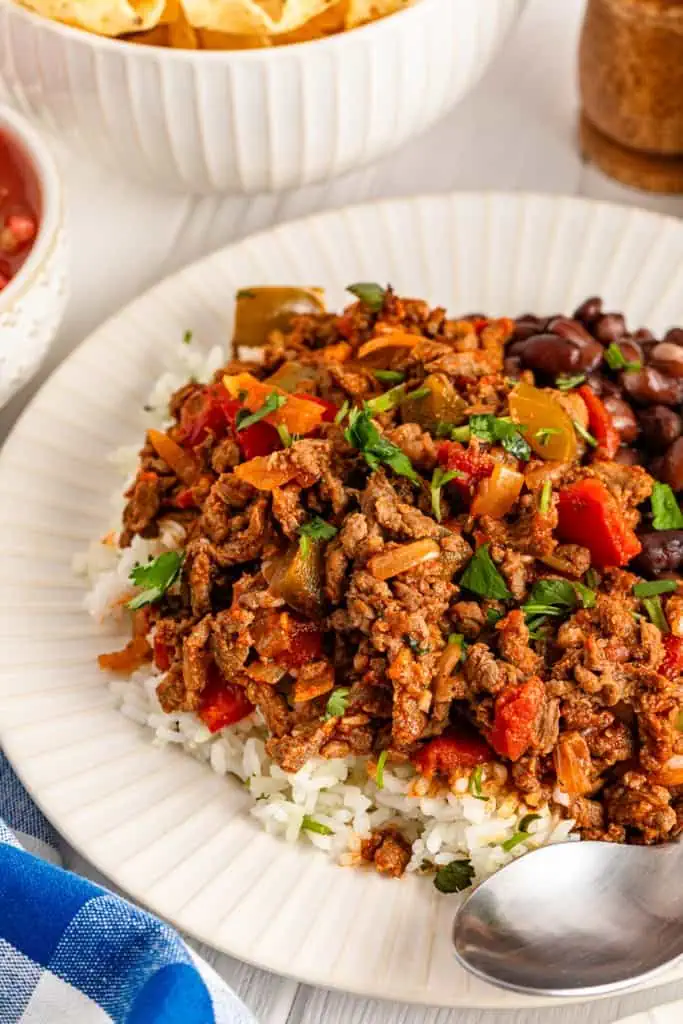
After 20 minutes, taste the sauce and adjust the seasoning. More salt? A little more chili powder? This is the moment. If the consistency is thicker than you’d like, stir in beef broth a quarter cup at a time until it’s where you want it. If it’s thinner than expected, let it go another 5 minutes uncovered. Garnish with fresh chopped cilantro and serve immediately with rice, warm tortillas, beans, and your favorite toppings.

David’s Tip
This is the step that separates good carne picada from great carne picada. Browning is flavor. The Maillard reaction happening on that surface is building compounds that no amount of extra seasoning can replicate. Resist the urge to move the meat around. Let it sit, let it brown, then flip.
Fun Variations to Try
Add diced potato for a heartier stew: Throw in one or two peeled, diced russet potatoes with the tomatoes and broth. They absorb the sauce beautifully and make the dish more of a one-pot meal. Add about 10 minutes to the simmer time so they cook through.
Make it a chipotle version: Add one or two chipotle peppers in adobo sauce, finely chopped, with the tomatoes. The smokiness deepens significantly and the heat builds slowly. Start with one pepper if you’re not sure how much heat you want.
Go low and slow for even more tender beef: After the sear and saute, transfer everything to a slow cooker and cook on low for 6 hours instead of simmering on the stovetop. The beef gets noticeably more tender and the sauce develops a deeper richness.
Carne picada breakfast hash: Leftover carne picada makes one of the best breakfast hashes you’ll ever have. Fry up some diced potato in a cast iron, add the leftovers, crack a few eggs over the top, and finish it under the broiler for 3 minutes. Trust me on this one.
Loaded nachos night: Spread tortilla chips on a sheet pan, spoon carne picada over the top with shredded cheese, and bake at 400°F for 8 to 10 minutes. Add pickled jalapeños, sour cream, and fresh pico. This is what the recipe was made for.
Storage & Make-Ahead Instructions
Make-Ahead Tip: You can make the full batch up to two days before you plan to serve it. Store in the fridge and reheat gently with a little broth. The beef will actually be more tender and the sauce even richer the next day.
Refrigerator: Store completely cooled carne picada in an airtight container in the fridge for up to 5 to 7 days. The flavors actually improve overnight as everything melds together.
Freezer: Transfer cooled leftovers to a freezer-safe container or zip-top bags and freeze for up to 3 months. Lay the bags flat for easier storage. Thaw overnight in the refrigerator before reheating.
Reheating: Warm in a pot over medium heat with a splash of beef broth added to the bottom of the pan first. This prevents scorching and brings the sauce back to the right consistency. Stir occasionally until heated through, about 5 to 7 minutes.
Serving Suggestions
Nacho board for parties: Spread out tortilla chips on a large wooden board, layer the carne picada across the top with melted cheese, and add garnishes in sections: jalapeños in one corner, sour cream in another, pico in the middle. It looks incredible and people eat it fast.
Classic taco night setup: Warm small flour or corn tortillas, set out the carne picada in a Dutch oven at the center of the table, and let everyone build their own. Add pico de gallo, shredded cheese, sour cream, pickled jalapeños, sliced avocado, and fresh lime wedges.
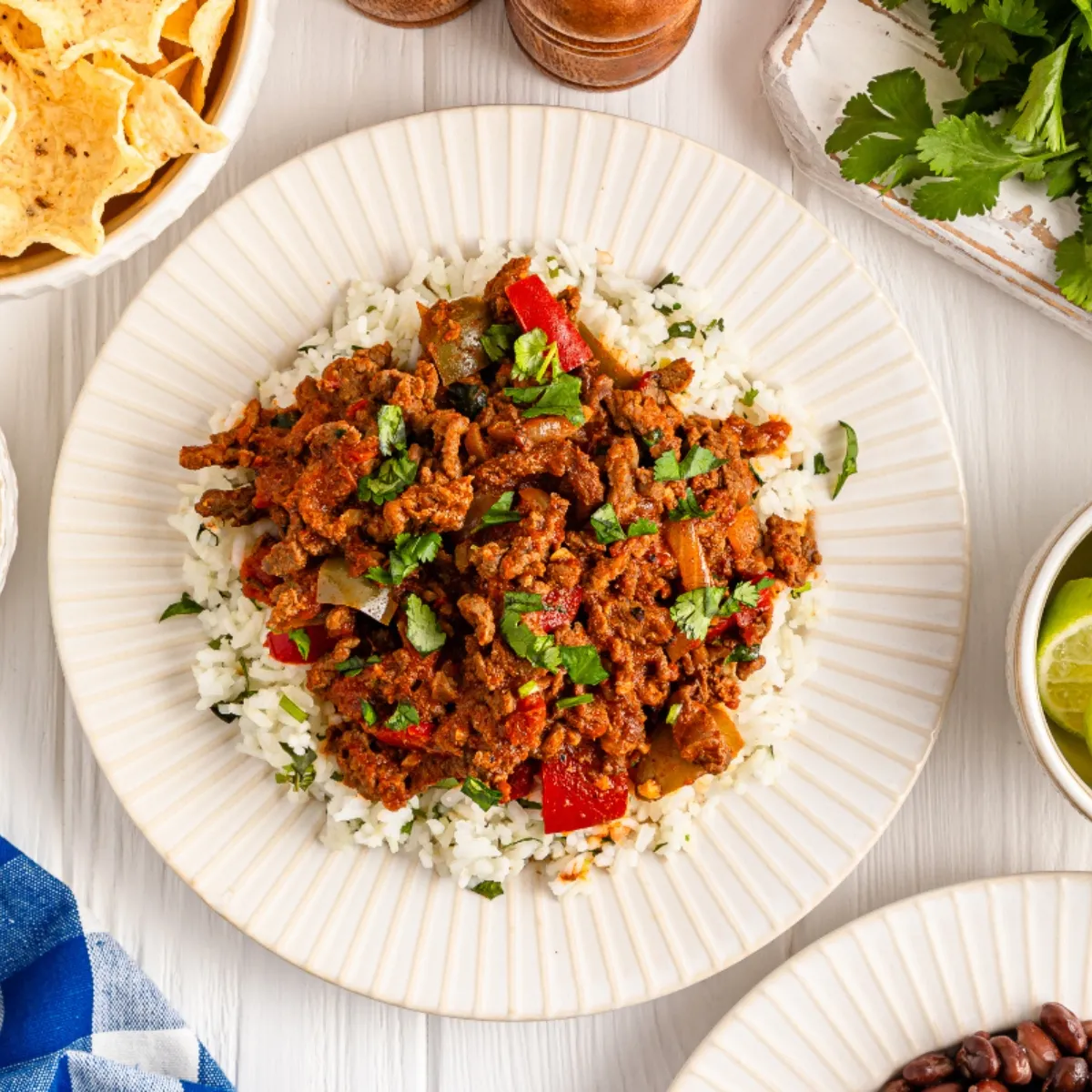
Rice bowl station: Spoon the carne picada over white or cilantro-lime rice with a side of Instant Pot pinto beans with bacon for a full, restaurant-style bowl at home. A drizzle of crema over the top finishes it perfectly.
Burrito bar: Warm large flour tortillas and set up a full assembly line with rice, beans, cheese, sour cream, and carne picada. Roll them tight and serve with chips and salsa on the side. This is the move for feeding six or more people at once.
More Beef Recipes You’ll Love
If this carne picada hit the spot, here are a few more beef recipes worth adding to your rotation:
- Garlic Butter Steak Bites — fast, rich, and wildly satisfying on a weeknight
- Slow Cooker Garlic Herb Pot Roast — if you want that same hands off, deeply flavored beef without standing at the stove
- Instant Pot Cube Steak with Onion Gravy — another comfort food beef situation that comes together fast
- Easy Taco Casserole — great when you want those same Tex-Mex flavors in a bake-and-serve format
- Sloppy Joe Bowls with Potato Wedges — saucy, hearty, and a guaranteed crowd-pleaser for families
Ready to Make It?
This carne picada is pure comfort food for your soul. It’s the kind of recipe that becomes a staple once you make it, the one people start requesting by name. Bold spices, tender beef, a sauce that clings to everything it touches. You’re going to love this.
Go ahead and make it this week. When you do, leave a comment and tell me how you served it. Tacos? Nachos? Straight from the pot at midnight? All answers are correct. And if you have a variation that made it even better, I want to hear about that too.
Carne Picada
Ingredients
- 3 pounds carne picada or bottom round roast cut into small bite-sized pieces
- 2-3 tablespoons avocado oil as needed for frying
- 1 tablespoon cornstarch
- 2 teaspoons salt
- 1 teaspoon black pepper
- 1 tablespoon ground cumin
- 2 teaspoons chili powder
- 1 1/2 teaspoon cayenne pepper
- 1 1/2 teaspoon garlic powder
- 1 1/2 teaspoon ground coriander
- 1 teaspoon ground oregano
- 1 teaspoon smoked paprika
- 1 large sweet onion chopped
- 6 garlic cloves minced
- 1 large red bell pepper chopped
- 1 large green bell pepper chopped
- 2 – 10 ounce cans Rotel fire roasted diced tomatoes and green chilies undrained
- 1 cup beef broth more as needed
- Fresh chopped cilantro for garnish
Instructions
- Heat 1 tablespoon of avocado oil in a large dutch oven over medium-high heat.
- In a small bowl, combine the cornstarch and seasonings and mix well.
Sprinkle over the meat and mix to evenly coat each piece. - Once the dutch oven is heated, work in batches and sear the beef until browned, about 3-5 minutes on both sides. Transfer the seared beef to a plate. Add more oil to the dutch oven as needed and finish searing the remaining batches.
- Once all the meat is browned and transferred to a plate, lower the heat to medium. In the same dutch oven, add the onions and garlic and saute for 2-3 minutes just until the onions begin to soften and the garlic is fragrant.
- Then mix in the chopped bell peppers and saute for an additional 1-2 minutes.
- Add the seared steak back to the dutch oven along with the canned diced tomatoes and the beef broth. Stir everything to combine, then bring the pot to a boil.
- Once boiling, reduce the heat to low, and simmer uncovered for 20 minutes, until the steak is tender and the sauce is reduced to the desired consistency. Check on it and stir occasionally to make sure there is still enough liquid in the pot and that the bottom does not burn.
- You can add a little more beef broth if you like your picada saucier, about 1/4-1/2 cup, as needed. Adjust the seasonings as needed.
- Garnish with fresh chopped cilantro and serve with a side of rice, warm tortillas, beans, and your favorite toppings. Enjoy!
Nutrition
Tried this recipe?
Let us know how it was!FAQs: Carne Picada, Every Question Answered
What exactly is carne picada?
Carne picada translates literally to “minced meat” or “chopped meat” in Spanish. It’s beef that’s been cut into very small, bite-sized pieces, usually from tougher cuts like bottom round, chuck, or skirt steak. The small cut size is intentional: it gives you more surface area for browning, cooks faster than larger cuts, and absorbs sauce more thoroughly. You’ll find it pre-cut at most grocery stores or Mexican markets.
Is carne picada the same as fajita meat?
No, and the difference matters for this recipe. Fajita meat is sliced into thin strips, usually from skirt or flank steak, and cooked quickly over very high heat. Carne picada is cut into small chunks and is meant to be simmered in sauce. The cooking method is completely different. Using fajita strips in this recipe would result in tough, overcooked meat by the end of the simmer time.
What cut of beef is best for carne picada?
Bottom round, chuck roast, and skirt steak are the most common choices. Bottom round is lean and holds up well to simmering without falling apart. Chuck has more fat marbling and gets very tender with longer cook times. Skirt steak is the most flavorful but also the most expensive. For this 40-minute recipe, bottom round or pre-cut carne picada from the grocery store is the practical choice.
My sauce is too thin. How do I fix it?
Let it simmer uncovered for another 5 to 10 minutes. The liquid will reduce and the cornstarch that coated the beef will continue to thicken the sauce passively. If you’re in a hurry, mix one teaspoon of cornstarch with a tablespoon of cold water and stir it into the simmering sauce. It will thicken within two minutes.
Can I make this in the Instant Pot?
Yes. Use the saute function to sear the beef in batches and cook the aromatics. Then add the tomatoes and broth, seal the lid, and pressure cook on high for 20 minutes with a 10-minute natural release. The sauce will be thinner than the stovetop version, so switch back to saute mode and let it reduce for 5 to 10 minutes with the lid off.
Why did my beef turn out tough?
Two likely culprits. First, the sear was too long: more than 5 minutes per side will start to toughen the meat before it even gets to the simmer. Second, the simmer wasn’t long enough or the heat was too high. A gentle, low simmer for a full 20 minutes is what relaxes the connective tissue and gives you tender beef. A hard boil will tighten the proteins and make the meat chewy.
How do I tone down the heat?
The cayenne is the main source of heat in this recipe. Cut it in half, to about three-quarters of a teaspoon, for a noticeably milder dish. You can also reduce the chili powder slightly. The smoked paprika adds smokiness but very little heat, so keep that as written. Taste the spice blend before it goes on the beef so you can adjust before committing.
Love this recipe? Please leave a 5-star 🌟 rating in the recipe card below and/or a review in the comments section further down the page.
Be sure to check out my FREE Meal Planner and Kitchen Organizer!
