
Batch Cooking Basics for Stress-Free Weeknight Dining
Batch cooking can transform weeknight dining, making it less stressful and more enjoyable. By preparing meals in advance, you’re equipped to handle the week’s demands with wholesome, homemade dishes. The foundation of successful batch cooking involves planning, versatility, effective storage, and strategic cooking of staples. This approach not only saves time but also ensures you have healthier meal options readily available, reducing the temptation of processed alternatives.
Create a Clear Weekly Menu

Start with a well-structured menu, mapping out meals for the week. Allocate specific dishes to each day, balancing flavors and nutrients. Consider meals that share ingredients to reduce waste and save preparation time. Ensuring diversity in your menu keeps meals exciting and prevents monotony. A clear plan helps in organizing your cooking sessions, allowing you to focus on efficiency and consistency.
Select Ingredients with Versatility
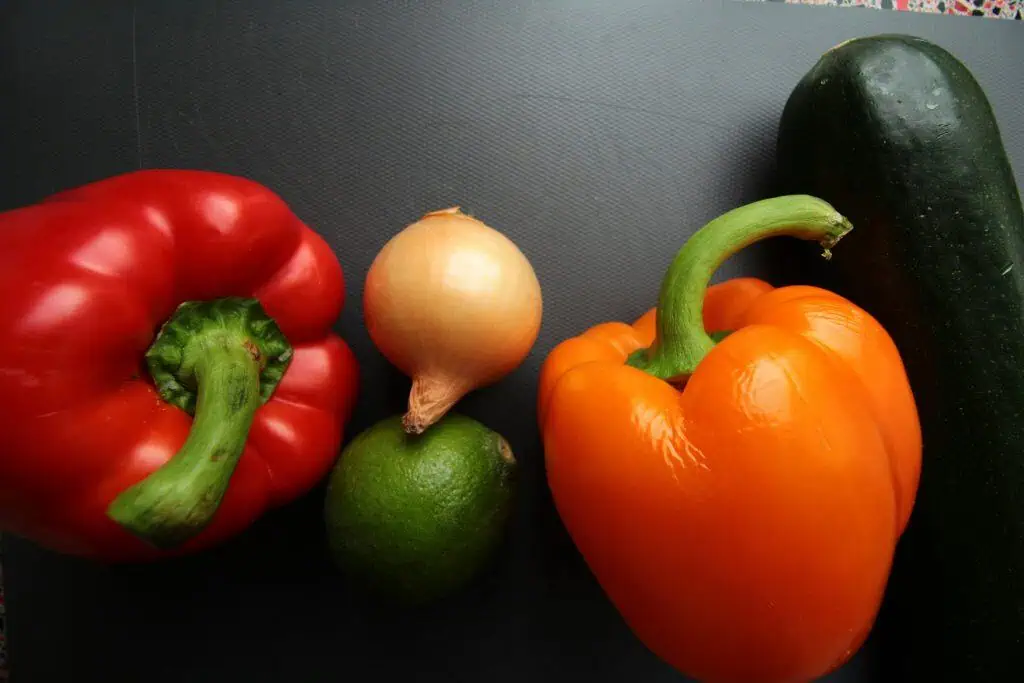
Choose ingredients that offer flexibility across multiple recipes. For example, a roasted chicken can serve as the centerpiece of one dish and provide leftovers for salads or sandwiches. Vegetables like bell peppers, onions, and spinach blend into numerous preparations. This strategy maximizes usage and minimizes shopping trips. Opt for fresh, seasonal produce to enhance the taste and nutritional value of your meals.
Embrace Quality Storage Solutions

Investing in proper storage is crucial to maintaining the integrity of your prepared meals. Use airtight containers to keep dishes fresh and prevent unwanted odors from mixing. Label each container with the meal name and date of preparation for easy identification. Stackable containers save space and promote organization in the fridge or freezer. Effective storage safeguards flavor and texture, ensuring meals remain inviting throughout the week.
Bulk Cook Grains and Proteins

Cooking grains and proteins in bulk lays the groundwork for diverse, quick meals. Prepare items like rice, quinoa, or lentils, which can complement various cuisines. Similarly, cook proteins such as chicken, beef, or tofu; season them simply to maintain flexibility. Store them in portioned containers to ease assembly during the week. This method provides a solid base, turning meal prep into a seamless endeavor.
Master the Art of Labeling
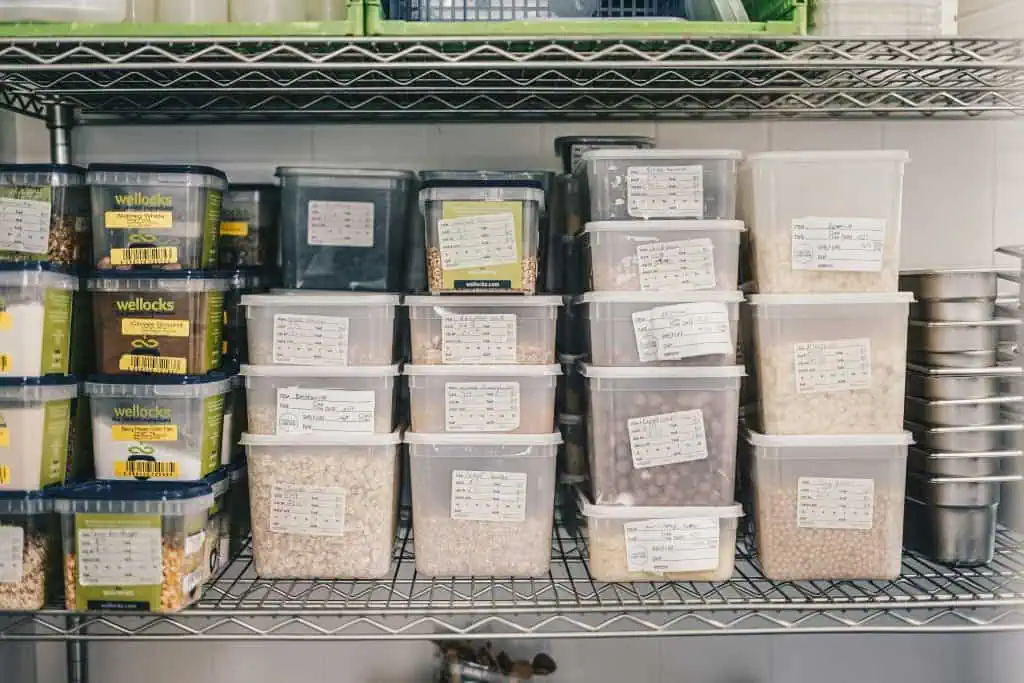
Proper labeling is essential in batch cooking to maintain order and reduce stress. Clearly marked containers eliminate guesswork and streamline weeknight dining. Use durable freezer-safe labels or masking tape paired with a permanent marker. Include the dish name, main ingredients, and the date it was prepared. This helps track freshness, ensuring you’re consuming meals at their peak quality. Categorize by meal type or protein for quick access, and stack containers neatly to maximize storage space.
Keep Your Meals Varied
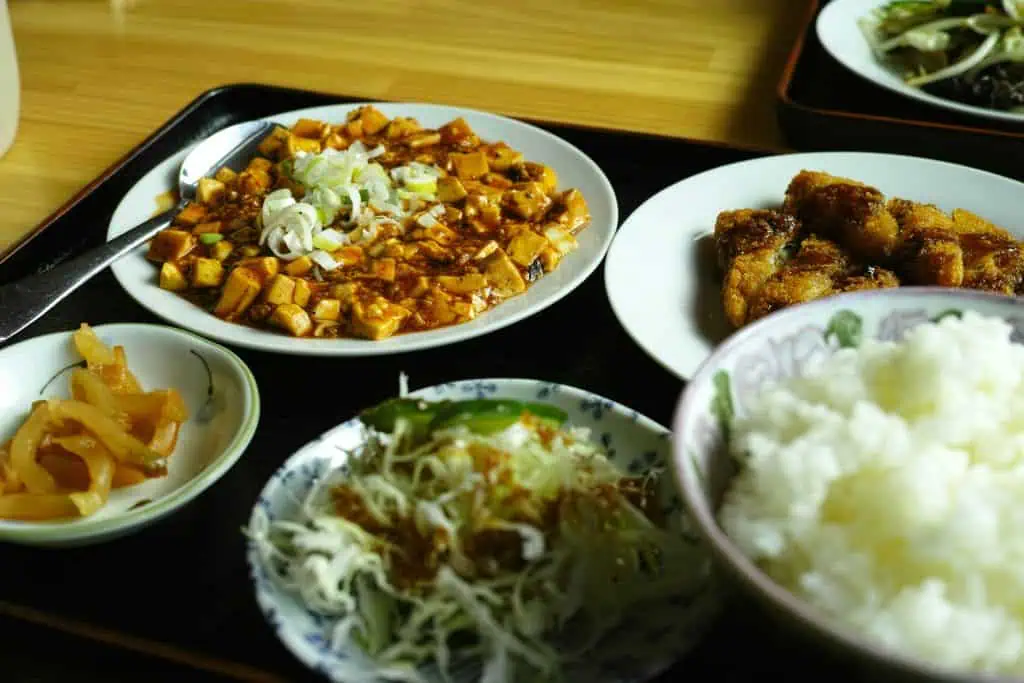
To maintain interest and nutritional balance, variety in meals is key. Diversify your batch cooking by incorporating different cuisines, proteins, and seasonal vegetables. Rotate between grains like rice, quinoa, or farro, and explore a range of spices to keep flavors exciting. Plan with complementary recipes in mind, allowing for different textures and tastes throughout the week. This approach not only supports dietary needs but also keeps each meal distinct and enjoyable.
Avoid Repetition in Dishes

Repetition can dampen the appeal of batch-cooked meals. To avoid monotony, think of each base ingredient in multiple contexts. For instance, roasted chicken can become fajitas, salads, or stir-fries. Employ versatile sauces and garnishes to transform flavors. Prepare a variety of complementary sides and incorporate leftovers creatively. By reimagining and repurposing components, meals remain diverse and satisfying, making weeknight dining anything but routine.
