
Almond vs. Oat Milk: Which One Wins for Health?
Exploring alternatives to cow’s milk often leads to a comparison between almond and oat milk. Both plant-based options are increasingly popular among health-conscious consumers. Understanding their health benefits can guide your choice. This discussion will delve into their nutritional components, offering a clear view of how each milk stacks up to meet your dietary needs.
Nutritional Breakdown

Almond and oat milk each offer unique nutritional profiles. Almond milk is typically lower in calories and fat, primarily monounsaturated, which supports heart health. Oat milk, however, presents a higher carbohydrate content, mainly from the oats. It’s naturally thicker and often provides a creamier texture, ideal for coffee or smoothies. Each milk’s preparation can alter these basics, so always check labels for fortified options.
Calorie Comparison

Almond milk generally contains fewer calories compared to oat milk. A typical serving of unsweetened almond milk has about 30 to 50 calories, while oat milk ranges from 90 to 120 calories per serving. This discrepancy mostly stems from oat milk’s higher carbohydrate content, making it a more filling choice for those who need a substantial start to their day.
Protein Power

Oat milk has a slight edge over almond milk in terms of protein content. It often provides around 3 grams per serving, while almond milk delivers roughly 1 gram. If protein intake is a priority, consider incorporating fortified versions or blending with other sources, such as protein powders or nuts, to boost the protein content of your plant-based milk of choice.
Vitamin and Mineral Content
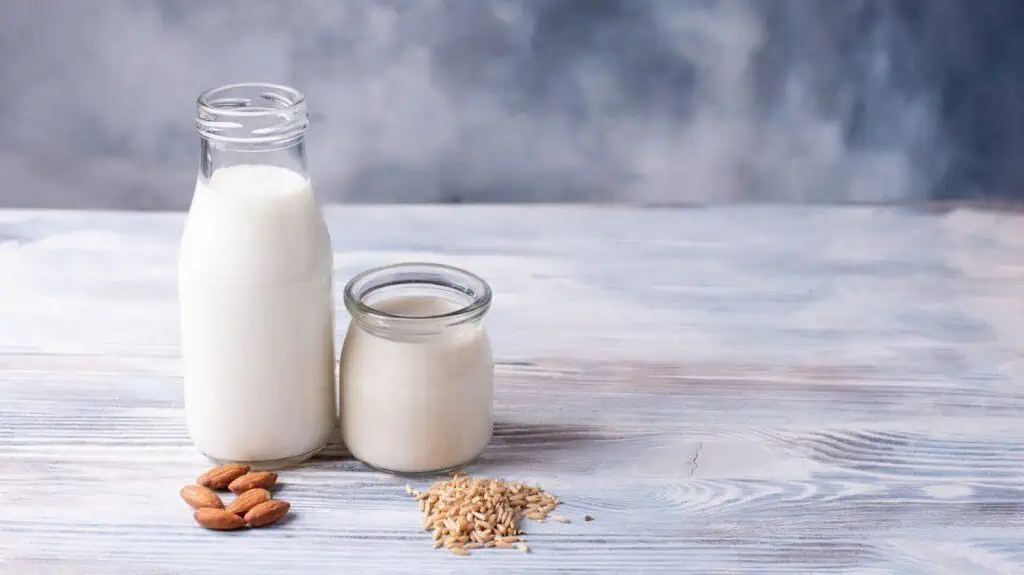
Both almond and oat milk are often fortified with essential vitamins and minerals. Almond milk commonly includes calcium and vitamin D to mirror cow’s milk, while oat milk offers B vitamins like riboflavin and vitamin B12. Some brands add vitamin E to almond milk, contributing to its antioxidant properties. Always opt for versions that enhance key nutrients without excessive additives.
Fat and Carbohydrates Analysis

When comparing almond milk and oat milk, the fat and carbohydrate content presents distinct profiles. Almond milk typically contains less calories and fat than oat milk, making it a favored choice for those aiming to reduce fat intake. It’s often fortified with healthy fats, offering a creamy texture despite its low fat content. Oat milk, however, contains more carbohydrates, mainly from the natural sugars in oats, and provides sustained energy. Choose based on your dietary needs—almond for lower fat and oat for higher carbohydrates and energy.
Environmental Impact
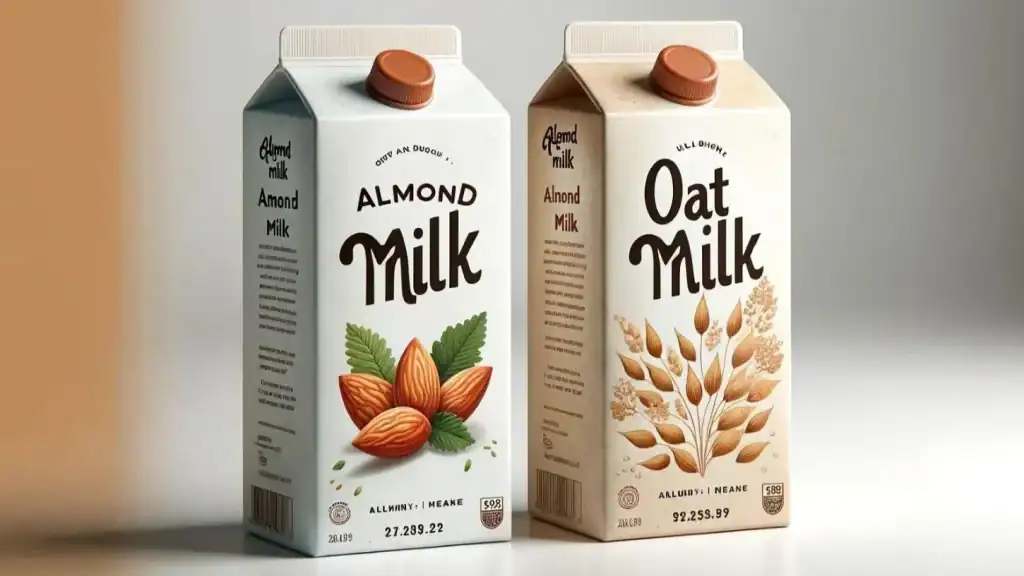
The environmental impact of almond and oat milk largely depends on water use and land management. Almond milk production requires significant water resources, predominantly due to the irrigation needs of almond trees. Conversely, oat milk has a relatively lower water footprint, making it a more eco-friendly option. Both milks are more sustainable than dairy; however, oat milk typically edges out in overall environmental considerations due to less water usage and efficient land use, aligning with eco-conscious consumption priorities.
Suitability for Dietary Needs
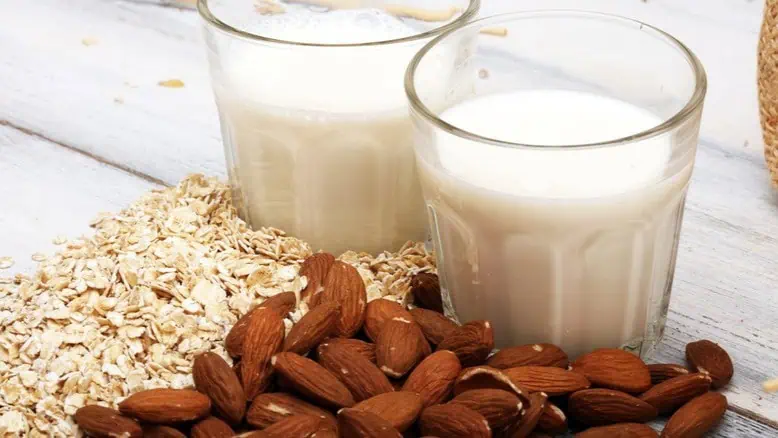
Almond and oat milk cater to different dietary restrictions and health aspirations. Almond milk, being naturally low in calories and sugar, suits low-carb and keto diets. It’s also a good alternative for those managing nut allergies, provided it’s processed in a nut-free facility. Oat milk appeals to those needing higher fiber content and is often gluten-free when certified. Both options fulfill lactose-free requirements, making them versatile for various dietary needs, so select based on personal health goals and restrictions.
Taste and Texture Comparison

In taste and texture, almond and oat milk offer unique experiences. Almond milk has a subtle, slightly nutty flavor and a silky consistency that blends well in smoothies and coffee. It’s appreciated for its ability to enhance flavors without overpowering them. Oat milk, richer and creamier, complements cooking and baking, adding a subtle sweetness and depth. Its full-bodied texture makes it a favorite for frothing and lattes. Choose almond for a lighter touch and oat for a richer, more indulgent feel.
Cost and Availability

The cost and availability of almond and oat milk can influence your choice significantly. Almond milk is widely available, often found in various brands and flavors, usually at a moderate price point. Its popularity ensures stock in most supermarkets. Oat milk, while gaining prominence, sometimes commands a slightly higher price due to processing costs. However, its increasing demand is leading to broader availability. Consider budget and access; almond milk is well-established, while oat milk represents a growing, more premium market.
Potential Allergies and Sensitivities
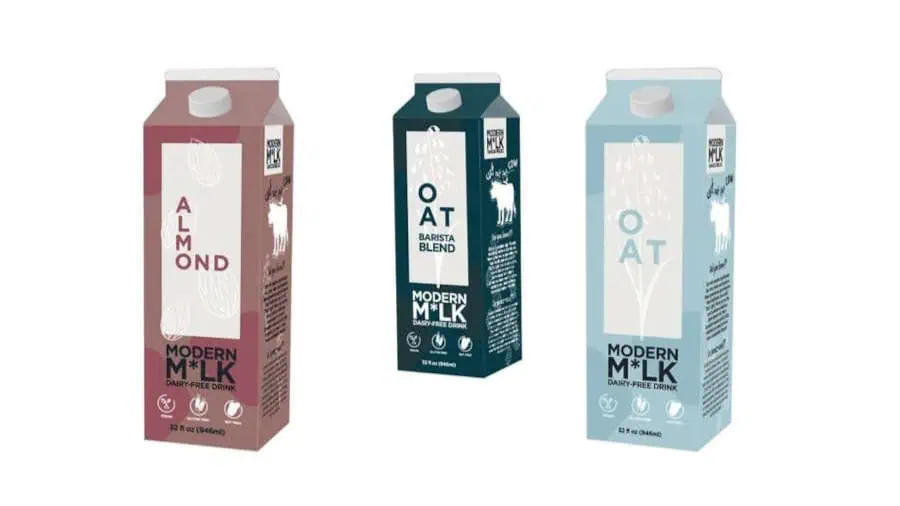
Almond milk is derived from tree nuts, making it unsuitable for individuals with nut allergies. Even exposure to trace amounts can trigger reactions, so it’s crucial to avoid cross-contamination in kitchens where nuts are handled. In contrast, oat milk, typically free from common allergens, might appeal more to those with sensitivities. However, gluten-free considerations come into play, as cross-contamination with gluten-containing grains can occur during processing. Always opt for certified gluten-free oat milk if sensitivity is a concern. Both options necessitate careful label reading to ensure safety.
