
The Simple Food Ordering Hack That Could Save You Hundreds Every Month
In the world of culinary arts, certain practices might seem beneficial but can hinder rather than enhance your cooking. By reevaluating common techniques, you can refine your approach and improve your dishes. Here are eight cooking tips that, upon closer examination, may actually be holding you back. Let’s explore why these methods might not serve your culinary goals as well as expected.
High Heat Chicken: A Risky Dry Out
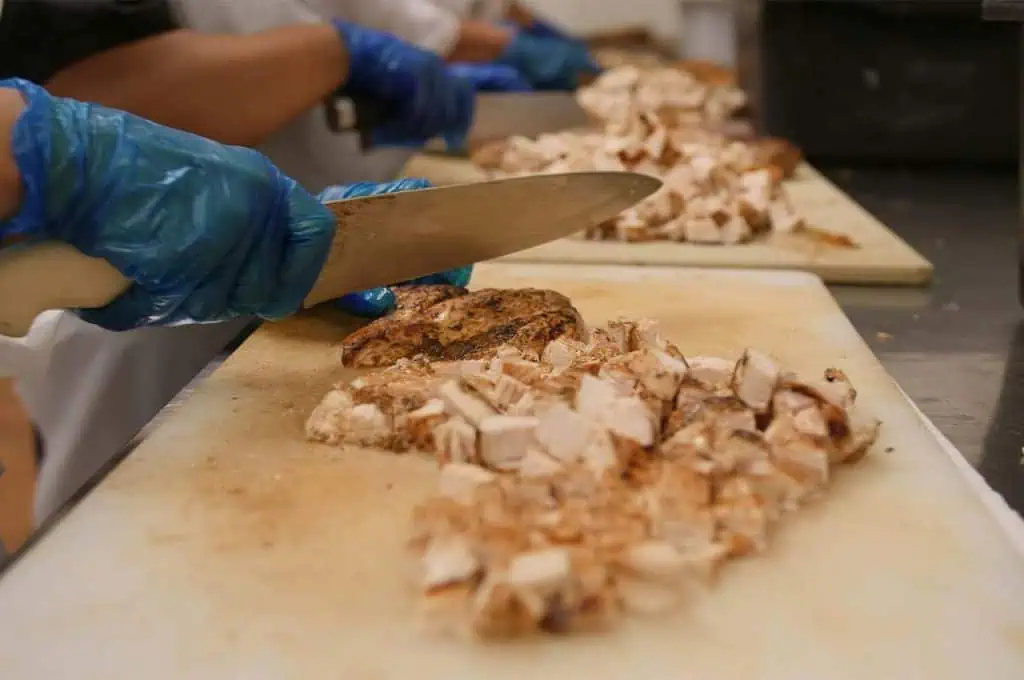
Cooking chicken over high heat can lead to dry, tough meat. The intense heat causes proteins to seize up quickly, expelling moisture and leading to a less pleasing texture. Instead, opt for medium heat and monitor the internal temperature using a meat thermometer.
Aim for the perfect doneness at 165°F, allowing the chicken to rest before slicing. This locks in juices and ensures tender, succulent results.
Rinsing Mushrooms: Texture Trouble

Rinsing mushrooms under water might seem like a good way to clean them, but it can lead to sogginess. Mushrooms are porous and can absorb water, resulting in a compromise of their texture when cooked. Instead, use a damp cloth or a soft brush to gently wipe away any dirt.
Preserving their natural state ensures that they cook evenly and retain a desirable, earthy flavor.
Pasta Water Oil: A Slippery Error

Adding oil to pasta water might promise non-stick noodles, but it also prevents sauce from adhering properly. The oil coats the pasta, making it slippery and less able to absorb flavors.
For the best results, simply stir the pasta a few times during cooking. This simple step prevents sticking while ensuring the sauce clings beautifully, maximizing the taste and satisfaction of your pasta dish.
Steak Flipping: Less Is More

Frequent flipping of a steak during cooking can disrupt the searing process, hindering the development of a rich crust. Allow the steak to cook undisturbed for several minutes on each side to let Maillard reactions do their magic.
This creates a flavorful, caramelized crust while keeping the inside juicy. With patience and restraint, your steak will achieve an ideal balance of texture and flavor.
Crowded Pans: The Steaming Trap

Crowding ingredients in a pan often leads to steaming instead of the desired searing or browning. To avoid this, ensure there is enough space for air circulation. Work in batches if necessary, allowing ingredients to sit undisturbed for a time to develop a proper crust.
Maintaining medium-high heat and using a heavy-bottomed pan can further enhance your results. This technique maximizes flavor development, giving your dishes a more appealing texture and deeper taste.
End Salt: The Layering Secret
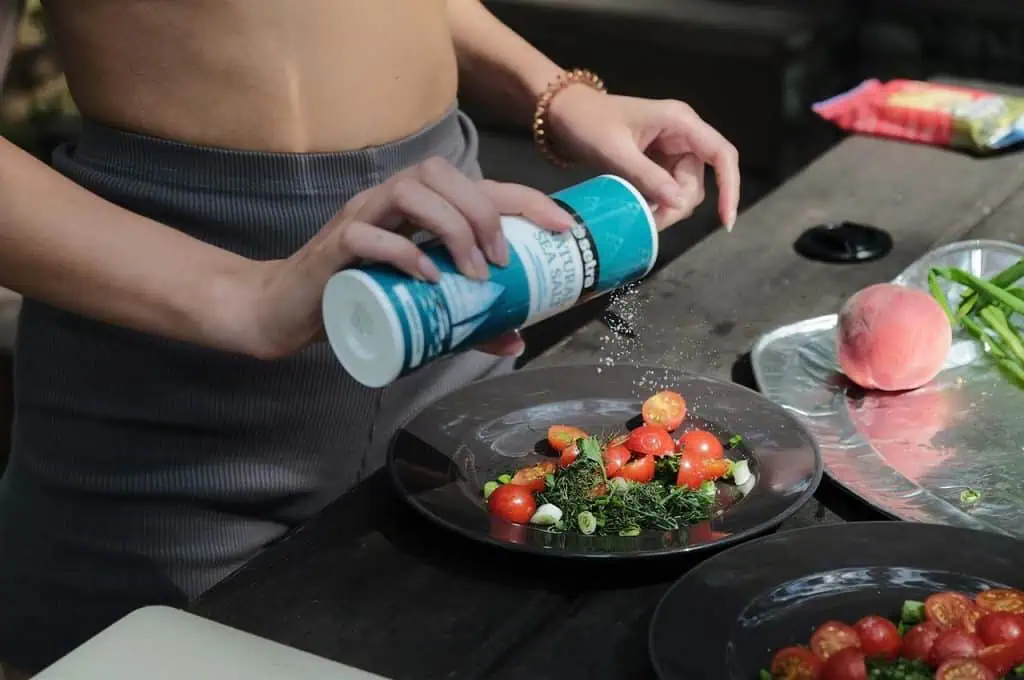
Relying heavily on adding salt at the end of cooking can lead to uneven seasoning. Instead, introduce salt gradually at various stages of preparation. This layering method enhances ingredient flavors more naturally and prevents the dish from being overly salty.
For proteins, consider a light sprinkle during marination, and continue seasoning with each additional component of the recipe. This approach yields a balanced, nuanced taste profile.
Extra Flour: The Sticky Solution Myth

Adding extra flour when handling sticky dough might seem like an easy fix, but it can lead to tough, dense baked goods. Instead, try adjusting the hydration slowly or use a dough scraper to handle the dough.
Resting the dough allows gluten to relax, making it easier to shape. These techniques reduce stickiness without compromising texture, resulting in lighter, more tender products.
Cutting Meat: Patience for Juiciness

Slicing meat immediately after cooking causes the juices to escape, leading to dry, less flavorful results. Rest meats for several minutes after cooking to allow juices to redistribute. Use this time to prepare sauces or sides, ensuring a cohesive meal.
When slicing, cut against the grain to shorten muscle fibers and enhance tenderness, making each bite more enjoyable and succulent.
