
This is What Restaurant Owners Across America Say What’s Changing in the Way They Do Business
The American restaurant industry is undergoing its most radical transformation in decades as 2026 brings new challenges to the table. Owners are no longer just hospitality experts; they have become data analysts and tech coordinators.
Rising labor costs and fluctuating supply chains have forced a move away from the massive, “everything-for-everyone” menus of the past. Today’s successful restaurateur is focused on efficiency, sustainability, and a hyper-local connection to their community. From the way reservations are handled to how the kitchen is staffed, the old playbook has been completely rewritten.
The Death of the Massive Menu

One of the most significant changes in 2026 is the strategic shrinking of the dinner menu. Owners have found that “decision fatigue” is real and that maintaining a massive inventory is no longer financially viable. By focusing on five or six high-quality signature dishes, kitchens can reduce food waste and ensure a more consistent dining experience.
This shift allows chefs to perfect their craft while giving owners better control over their margins in a volatile market. Smaller menus also mean faster turn times, which is essential for survival in high-rent urban areas. For the diner, this means fewer choices but significantly higher quality on every plate.
The Rise of “Dynamic” Pricing
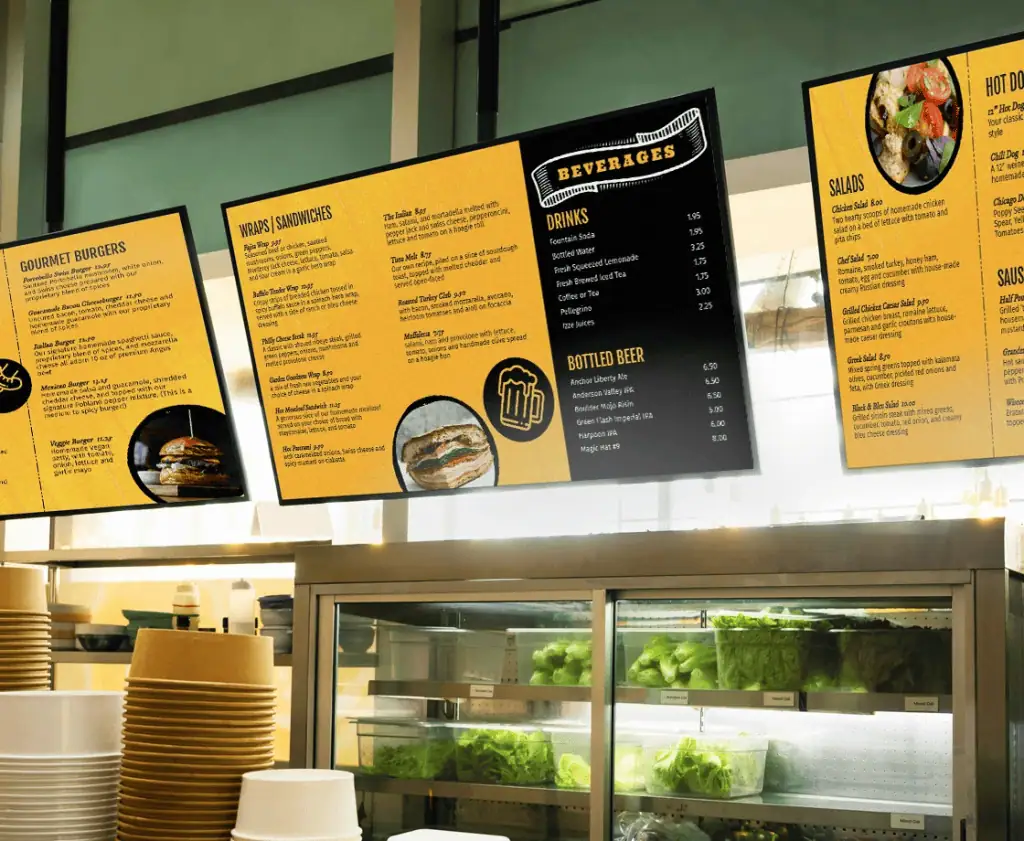
In 2026, the static paper menu is being replaced by digital versions that allow for “dynamic pricing” based on demand and supply. Much like airlines or ride-sharing apps, some restaurants are now charging slightly more during peak Saturday nights than on a Tuesday afternoon.
Owners explain that this helps them manage the surge in labor costs during busy windows while offering “value hours” for budget-conscious regulars. This transparency allows businesses to stay afloat without across-the-board price hikes that might alienate their loyal base. While controversial at first, it is becoming a standard tool for managing the high overhead of modern hospitality.
AI in the Back of House

Artificial intelligence has moved from a buzzword to a functional kitchen tool for American restaurant owners this year. New AI systems are being used to predict exact inventory needs based on local weather, events, and historical sales data. This “predictive ordering” prevents the over-purchasing of perishables, which has traditionally been a major source of lost profit.
Owners also report using AI to optimize staff scheduling, ensuring they have enough help during a rush without overstaffing during lulls. These behind-the-scenes technologies are what allow independent bistros to compete with the efficiency of major corporate chains.
Reimagining the “Front of House”

The traditional role of the “server” is evolving into a more specialized hospitality consultant. With the rise of tabletop ordering and mobile payments, staff members are spending less time on administrative tasks and more time on guest engagement. Owners are prioritizing “soft skills” and deep product knowledge, training their teams to act as storytellers for the ingredients on the menu.
In 2026, a great meal is seen as an “experience” rather than just a transaction, requiring a higher level of personalized service. This shift helps restaurants justify their prices by providing a human connection that a delivery app simply cannot replicate.
The Focus on “Zero-Waste” Operations

Sustainability has moved from a marketing gimmick to a core business requirement for owners across the country. In 2026, many cities have implemented strict “zero-waste” mandates, forcing restaurants to compost and eliminate single-use plastics.
Owners are finding creative ways to use “root-to-stem” cooking techniques, turning vegetable scraps into house-made vinegars or stocks. This focus on circularity not only helps the environment but also significantly lowers the cost of goods sold. Diners are increasingly choosing where to eat based on a brand’s environmental footprint, making “green” operations a major competitive advantage.
