
Why Snacks Are Replacing Meals in America’s 2025 Eating Habits
The culinary landscape in America is evolving as snacks take the spotlight, gradually replacing traditional meals. This shift towards “snackification” is driven by convenience, health trends, and dietary preferences that cater to modern lifestyles. Understanding this change provides insight into how consumers are redefining nutrition, looking for quick, nutritious options that fit seamlessly into their daily routines.
The Rise of Snackification
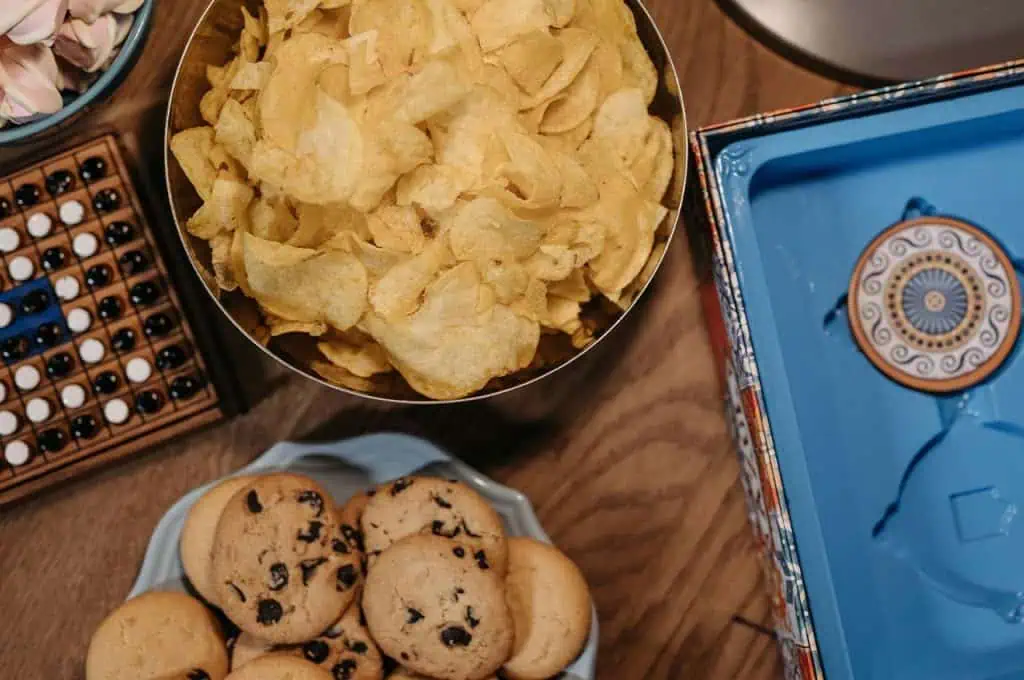
Snackification reflects a broader change in eating habits, where smaller, frequent bites become the norm. This approach satisfies hunger without the formality of a sit-down meal. Snacks are designed to be versatile, nourishing, and easily accessible, appealing to a wide range of tastes and dietary needs. With innovations in packaging and portion control, snacks are conveniently adaptable, offering the satisfaction of a meal in a more practical format.
Busy Lifestyles Redefine Mealtime

The fast-paced nature of contemporary life makes traditional meals challenging to fit into busy schedules. As work, social commitments, and leisure blend, consumers seek food that provides energy and sustenance without requiring time-consuming preparation. Portable and ready-to-eat options address this demand, offering flexibility that accommodates irregular eating patterns while ensuring nutritional needs are met throughout the day.
Healthier Snacks Change the Game
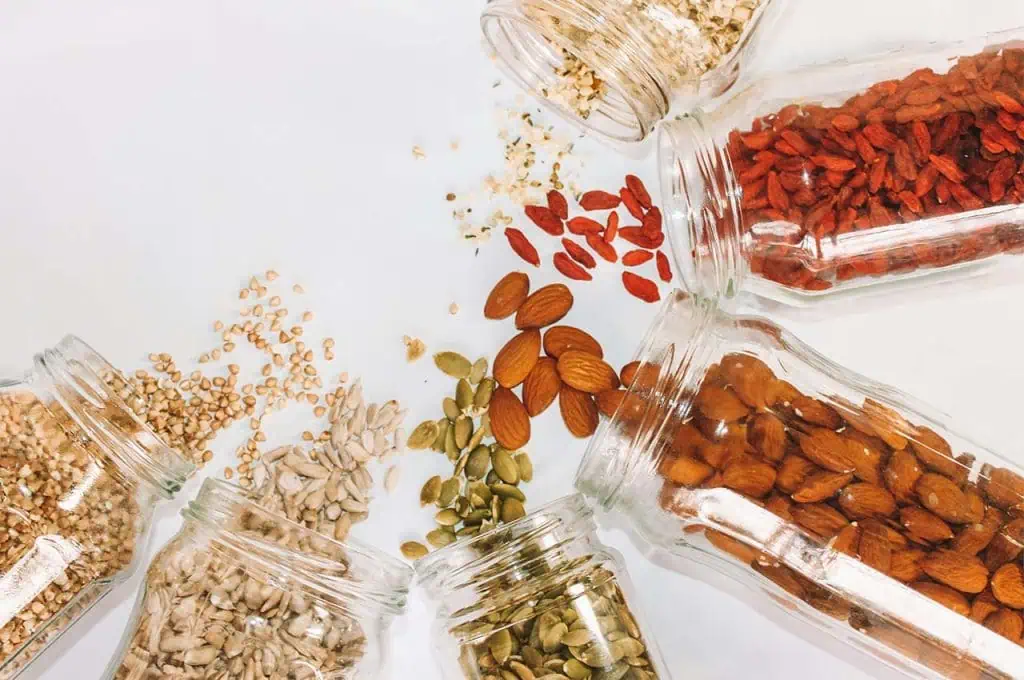
There’s a growing demand for snacks that prioritize health, steering away from empty calories towards options infused with wholesome ingredients. Consumers increasingly seek snacks rich in fiber, vitamins, and minerals, aligning with dietary goals like maintaining energy levels and supporting well-being. This shift not only fuels better eating habits but also encourages food companies to innovate, creating products that are both delicious and nutritious.
Protein and Functional Ingredients Lead

Protein-rich snacks and those featuring functional ingredients are gaining momentum as they cater to health-conscious consumers. These snacks often include nuts, seeds, legumes, and even insects, which provide substantial nourishment. Functional ingredients like probiotics, turmeric, or plant-based proteins enhance health benefits, appealing to those focused on augmented wellness. This trend underscores a move towards food that does more than satiate hunger, it supports holistic health.
Gen Z and All-Day Grazing

Gen Z’s embrace of all-day grazing is reshaping American eating habits. Instead of structured meal times, this generation opts for small, frequent eating moments. Portable, diverse snacks allow them to explore a variety of flavors and cuisines without committing to a full meal. This shift also aligns with their fast-paced lifestyles, where efficiency often trumps formality. The preference for convenient, nutrient-dense options reflects a savvy approach to nourishment that fits seamlessly into their day.
Brands Cater to Snack-First Eaters

Recognizing the snack-first trend, brands are innovating to accommodate these new preferences. Companies are crafting products that highlight fresh ingredients, bold flavors, and health benefits, appealing directly to consumers seeking both satisfaction and nutrition in a single bite. Transparent packaging communicating quality, and diverse options cater to the adventurous palate of modern snackers. This focus not only addresses convenience but also enhances consumer trust, as brands reinforce their commitment to quality with every offering.
Future of Traditional Meals

Traditional meal formats are undergoing transformation, influenced by contemporary snacking habits. While classic meals won’t disappear, their role is evolving. There’s a shift towards hybrid dishes that incorporate smaller, snack-like components, catering to those who seek a balance between traditional sustenance and modern convenience. Restaurants and home cooks alike are embracing this blend, crafting meals that allow for creative combinations, flexibility in dining, and a more personalized food experience that meets the demands of today’s varied lifestyle.
