
The 8 Soul Food Dishes That Carry Decades of Black History on Every Plate
Soul food is more than a culinary category; it is a profound testament to the survival and creativity of African Americans. Emerging from the harsh realities of enslavement, these dishes were born from a necessity to turn meager rations into nourishing meals. In 2026, chefs and historians continue to honor these recipes as sacred links to West African roots and the indomitable spirit of those who paved the way. Each ingredient tells a story of global migration and domestic triumph. Here are eight iconic dishes that carry the weight and beauty of decades of Black history on every plate.
The Resilience of Collard Greens
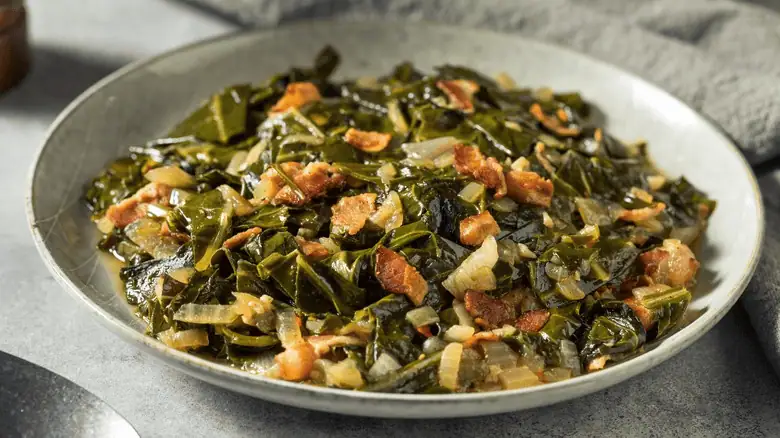
Collard greens are perhaps the most symbolic dish in soul food, representing the ability to create abundance from the earth. Enslaved people often grew these hardy greens in small personal patches to supplement their limited diets. Slow-cooked with “pot liquor” and smoked meats, they provided essential nutrients that sustained families through intense labor. In 2026, the technique of “low and slow” cooking remains a cherished tradition in Black kitchens nationwide. This dish is a reminder of the agricultural expertise brought from Africa and adapted to Southern soil. It is a true cornerstone of cultural identity and health.
The Ingenuity of Chitterlings
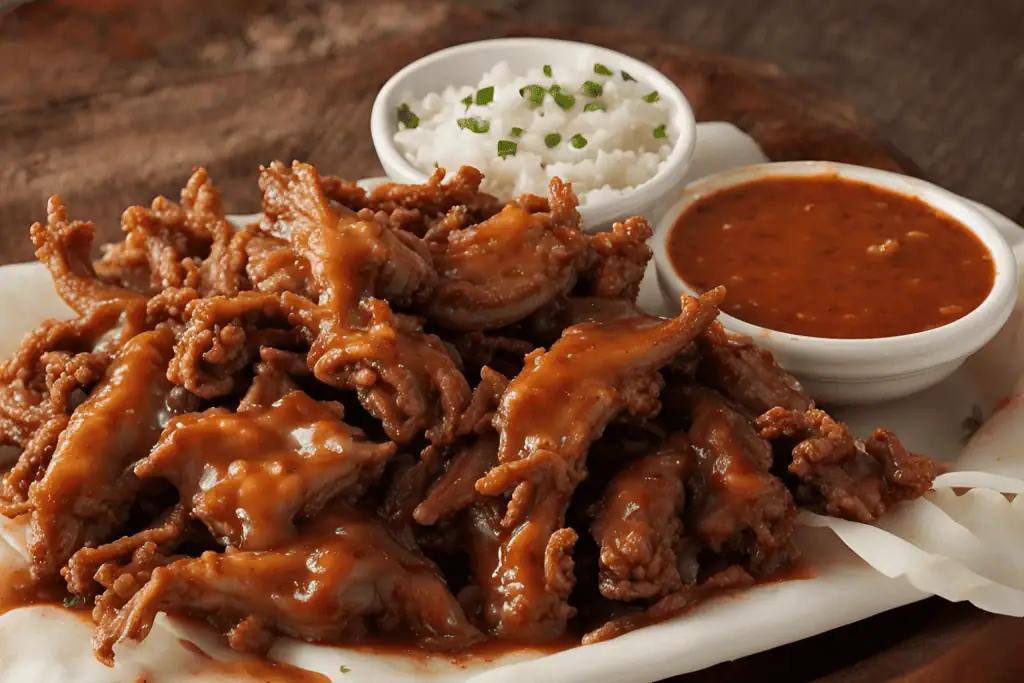
Known colloquially as “chitlins,” this dish originated from the “scraps” of the pig that were discarded by plantation owners. Enslaved cooks utilized their culinary genius to clean and season these intestines, transforming them into a celebratory delicacy. This process required immense patience and skill, turning a rejected ingredient into a centerpiece of holiday gatherings. Today, chitlins represent a legacy of making “something out of nothing,” a recurring theme in African American history. They stand as a bold rejection of waste and a celebration of resourcefulness. For many, they are a deeply nostalgic link to ancestral Sunday dinners.
Cornbread as a Cultural Bridge
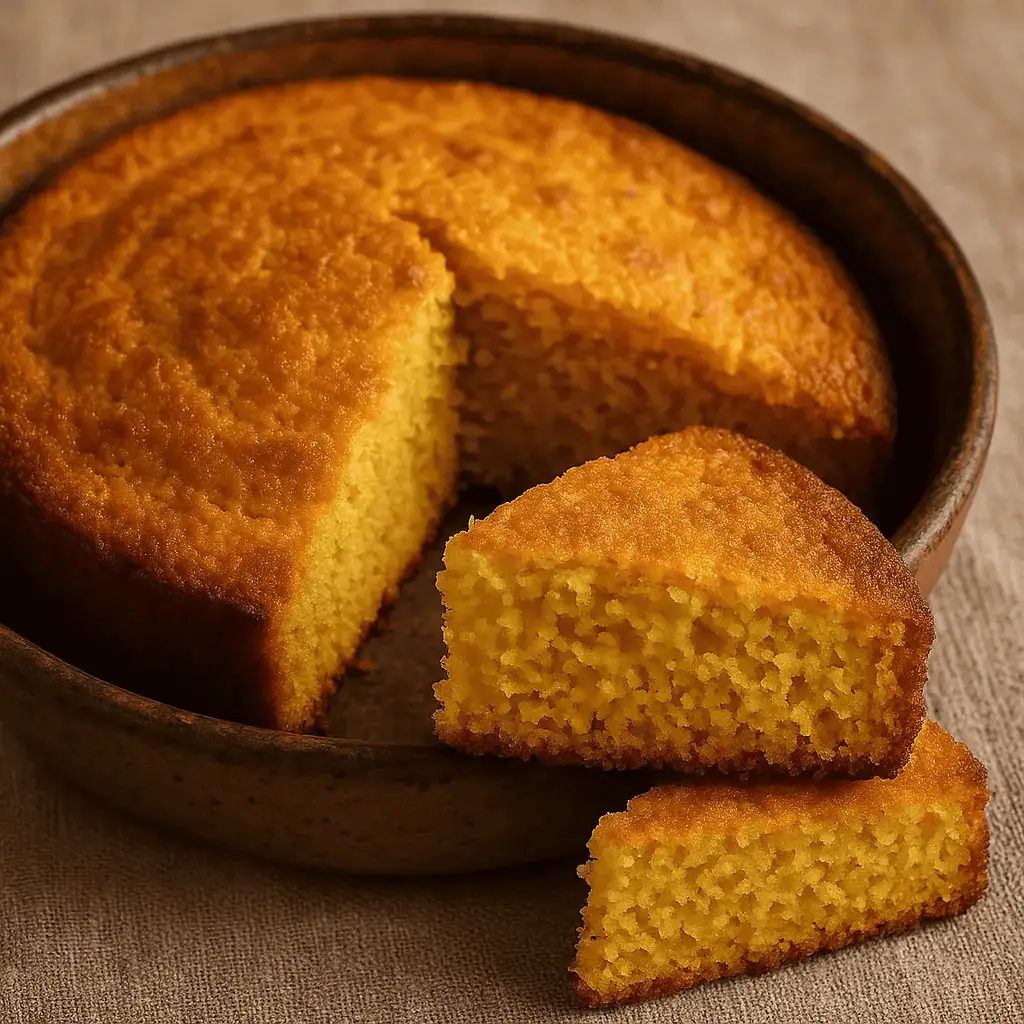
Cornbread is a masterclass in culinary fusion, blending West African porridge traditions with Indigenous American corn cultivation. During slavery, cornmeal was a primary ration, and Black cooks transformed it into diverse forms like hoecakes and johnnycakes. This versatile staple provided the necessary calories and comfort to endure the most difficult circumstances. In 2026, whether sweet or savory, cornbread remains the essential companion to nearly every soulful meal. It reflects the intersection of different cultures and the shared struggle for survival in the early American South. Every golden slice is a piece of history that continues to unite families.
Black-Eyed Peas for Good Luck
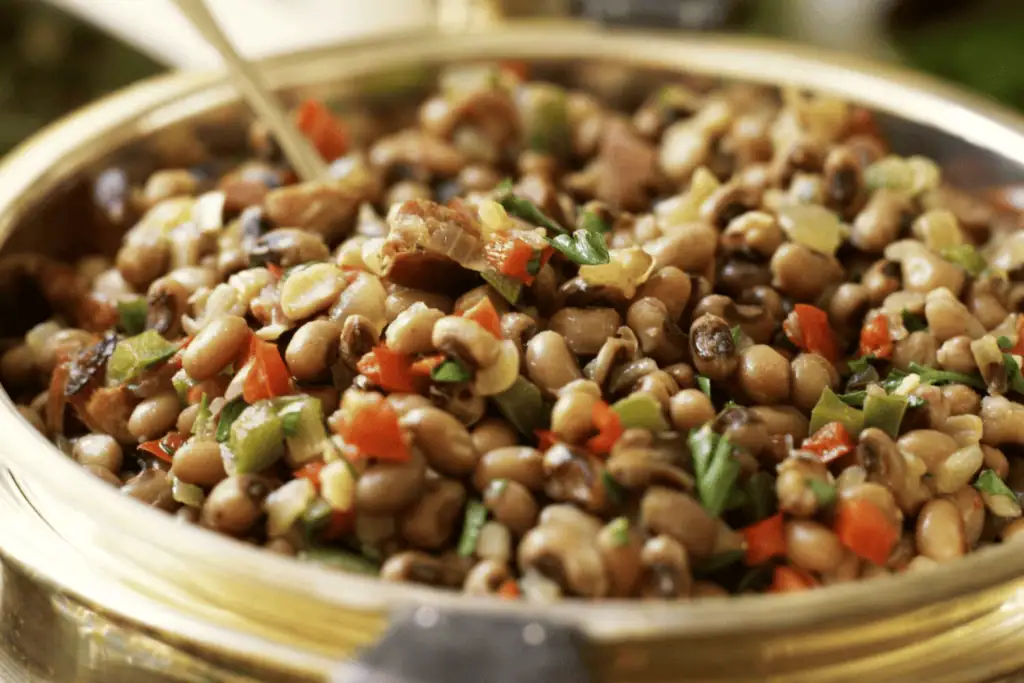
Black-eyed peas traveled from West Africa to the Americas, carrying with them a deep spiritual and cultural significance. Often paired with rice to create “Hoppin' John,” these legumes became a symbol of luck and prosperity for the new year. Their ability to thrive in poor soil mirrored the resilience of the people who cultivated them across the diaspora. In modern Black culture, eating these peas is a ritual that honors the past while looking toward a fruitful future. They represent a direct line of continuity from the African savanna to the American dinner table. This humble bean remains a powerful icon of enduring hope and faith.
The Complexity of Gumbo
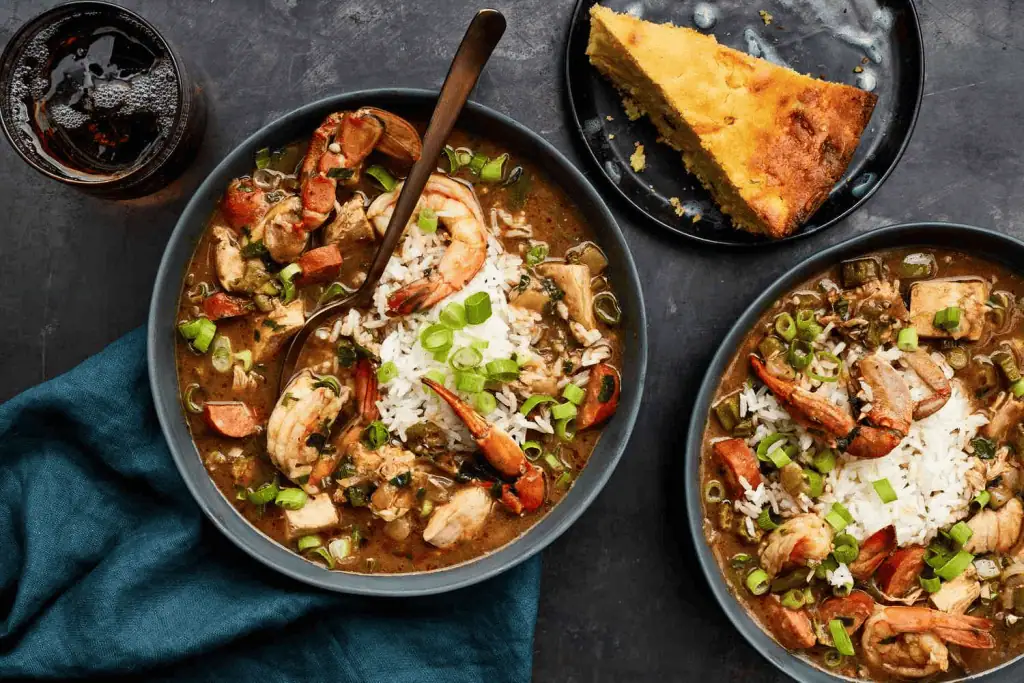
Gumbo is a rich, layered stew that perfectly illustrates the melting pot of West African, French, and Native American influences. The word itself is derived from “kingombo,” the West African term for okra, which serves as a traditional thickener. Enslaved cooks in Louisiana mastered the art of the roux, blending distinct culinary worlds into a single, harmonious pot. This dish became a vehicle for sharing stories and community, often prepared in large batches to feed extended families. In 2026, gumbo remains a proud symbol of the Creole and Gullah-Geechee heritages. It is a flavorful reminder of the sophisticated techniques developed in plantation kitchens.
Fried Chicken and Special Occasions
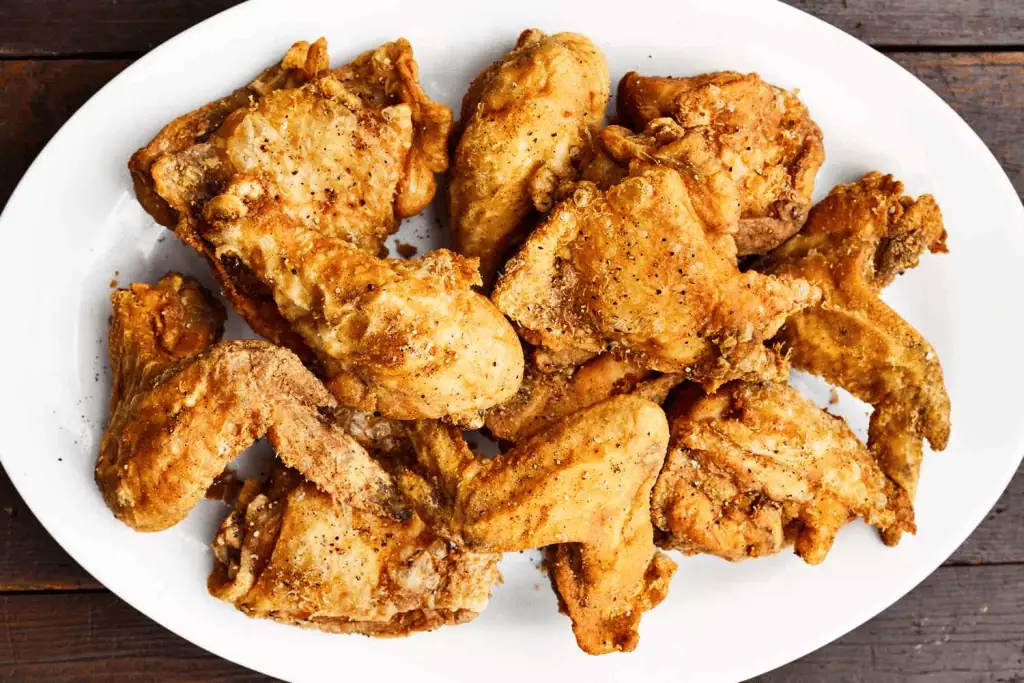
While now a global fast-food staple, fried chicken holds a specific place in Black history as a “prestige” food for special events. During the era of segregation, “waiter carriers” sold fried chicken to Black travelers who were denied service at white-owned restaurants. This made the dish a symbol of entrepreneurship and a reliable source of safe sustenance during the Jim Crow era. The specialized seasoning and frying techniques have been passed down through generations, ensuring the perfect crunch every time. It remains a fixture at church socials and family reunions, representing joy and celebration. For many, it is the ultimate expression of hospitality and care.
Sweet Potato Pie and Memories
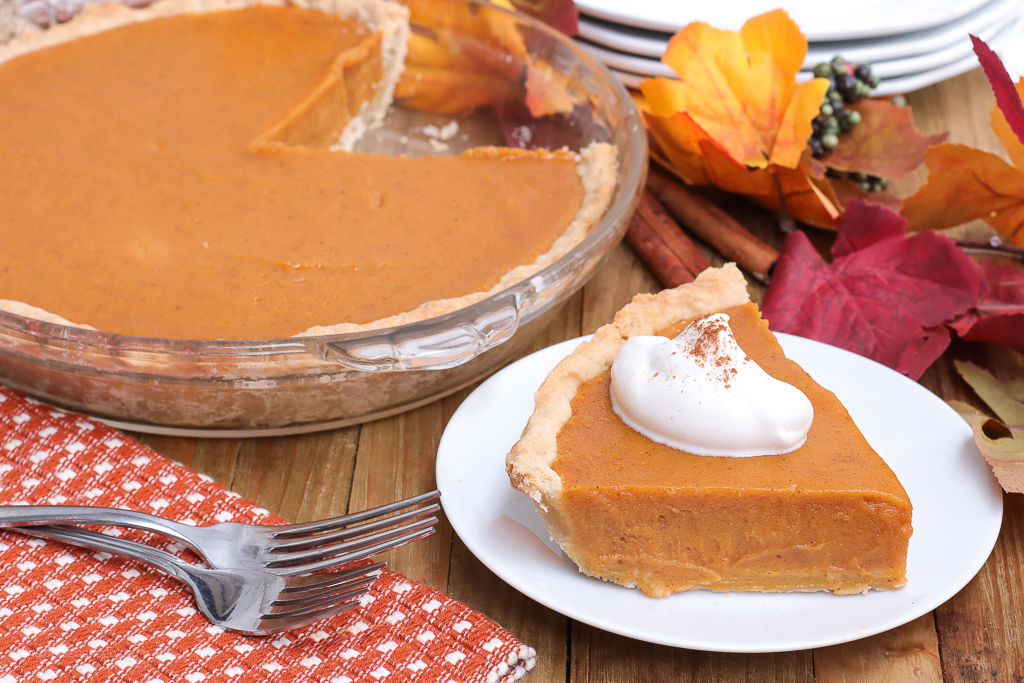
Sweet potatoes were often used as a substitute for the African yam, serving as a vital link to the flavors of the homeland. Transformed into a spiced, velvety pie, this root vegetable became a staple dessert that defined the soul food experience. Unlike the pumpkin pie common in other regions, sweet potato pie is a point of pride and a frequent subject of family debate. Each recipe often carries a secret ingredient or technique handed down from a grandmother or great-aunt. In 2026, the aroma of a baking pie still has the power to transport people back to their childhood kitchens. It is the sweet finish to a story of endurance.
Macaroni and Cheese as a Crown
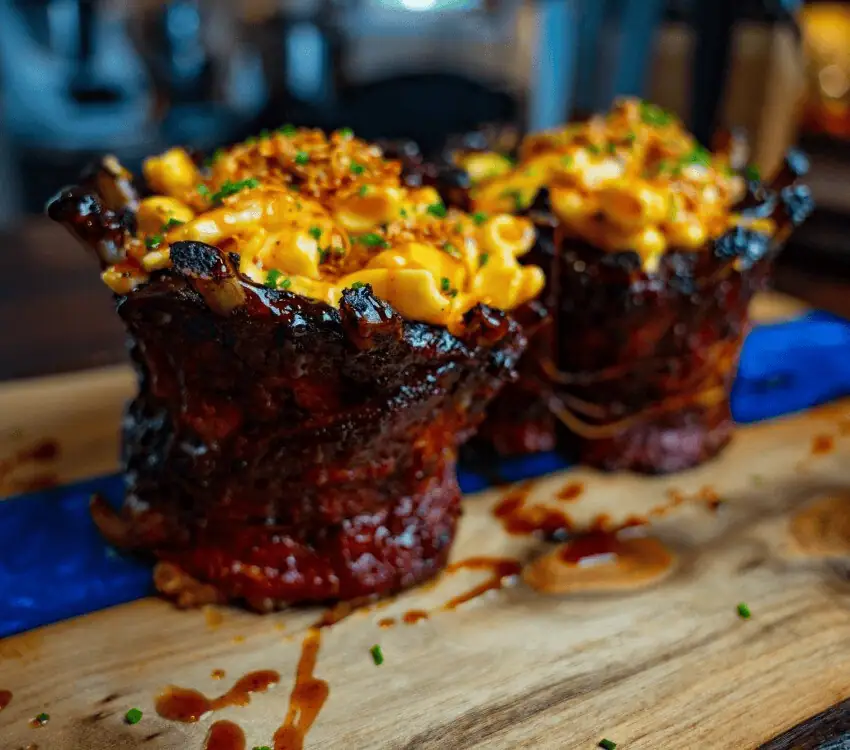
Macaroni and cheese is the “crown jewel” of the soul food plate, often afforded a level of respect reserved for main courses. While its origins involve European influence, it was the skill of Black chefs like James Hemings who elevated it to an American classic. In Black households, “baked mac” is a labor of love, requiring specific cheeses and a perfect crust that signifies a master cook. It is almost never a “box” affair, as the homemade version carries the weight of holiday traditions and family standards. Serving a perfect pan is a sign of culinary status and a gift to the community. It remains the most requested and beloved side at any gathering.
