
SNAP 101: What You Are Missing About the Federal Nutrition Program Serving 42 Million Americans
The Supplemental Nutrition Assistance Program, better known as SNAP, is one of the largest federal nutrition programs in the United States. It serves more than 42 million Americans, yet confusion about eligibility, benefits, and funding remains common. Often discussed in political terms, SNAP is fundamentally a food assistance program designed to reduce hunger and stabilize households during financial strain. Understanding how it actually works reveals a system that is broader and more structured than many people assume.
What SNAP Actually Is
Supplemental Nutrition Assistance Program, commonly known as SNAP, provides monthly food benefits to eligible low-income individuals and families to help cover grocery costs. Benefits are issued through an Electronic Benefit Transfer (EBT) card, which works similarly to a debit card at approved retailers. Although SNAP is federally funded, each state administers its own applications and timelines, so procedures can vary slightly. Importantly, SNAP is not a cash assistance program. Funds are restricted specifically to qualifying food purchases and cannot be withdrawn or used for non-food expenses.
Who Qualifies
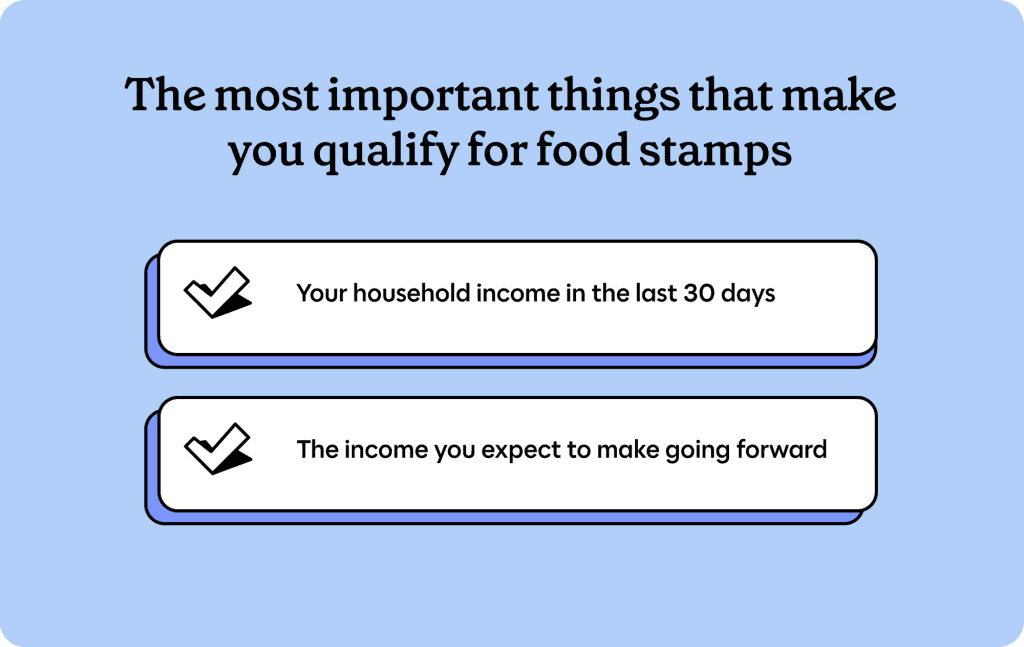
Eligibility for SNAP is primarily determined by household income, size, and certain allowable deductions such as housing, utilities, or childcare expenses. Most households must fall below established income thresholds to qualify. Some adults without dependents may be subject to work-related requirements, though exemptions exist for individuals with disabilities, caregivers, and other qualifying circumstances. Because federal and state guidelines are periodically updated, eligibility standards can shift over time. Applicants typically need to provide documentation verifying income, residency, and household composition before benefits are approved.
What SNAP Covers
SNAP benefits can be used to purchase most staple grocery items, including fruits, vegetables, meat, poultry, fish, dairy products, bread, cereals, and non-alcoholic beverages. However, benefits generally cannot be applied to prepared hot foods, alcohol, tobacco, vitamins, supplements, or non-food household goods. The program’s focus is on supporting basic nutrition rather than convenience or discretionary purchases. While some states participate in limited pilot programs that expand purchasing flexibility, core restrictions remain consistent nationwide, ensuring funds are directed toward essential food items.
How Benefits Are Calculated
SNAP benefit amounts are based on household size and net income after allowable deductions are applied. The federal government establishes a maximum allotment tied to the cost of a standardized food plan, and households receive benefits up to that limit depending on their financial circumstances. As household income rises, benefit amounts gradually decrease. The program is designed to supplement a family’s grocery budget rather than fully replace it, helping bridge the gap between available income and the cost of essential food purchases.
The Work Requirement Debate
Recent policy discussions have centered on work requirements for certain SNAP recipients. Some adults without dependents must meet employment or training criteria to continue receiving benefits beyond a limited period. Supporters argue this encourages workforce participation, while critics note that job access, health challenges, and caregiving responsibilities can complicate compliance. These changes can significantly affect recipients, particularly in areas with limited employment opportunities.
SNAP’s Economic Impact
Beyond supporting individual households, SNAP also plays a measurable role in local economies. Benefits are spent quickly at grocery stores, supermarkets, and other approved retailers, circulating federal dollars directly through community food systems. Economists often note that this spending has a multiplier effect, particularly in lower-income areas where grocery access and cash flow can be limited. Because benefits rise when economic conditions weaken, SNAP can act as an automatic stabilizer, increasing purchasing power during downturns and helping cushion both families and local businesses from sharper declines.
Why Misunderstandings Persist
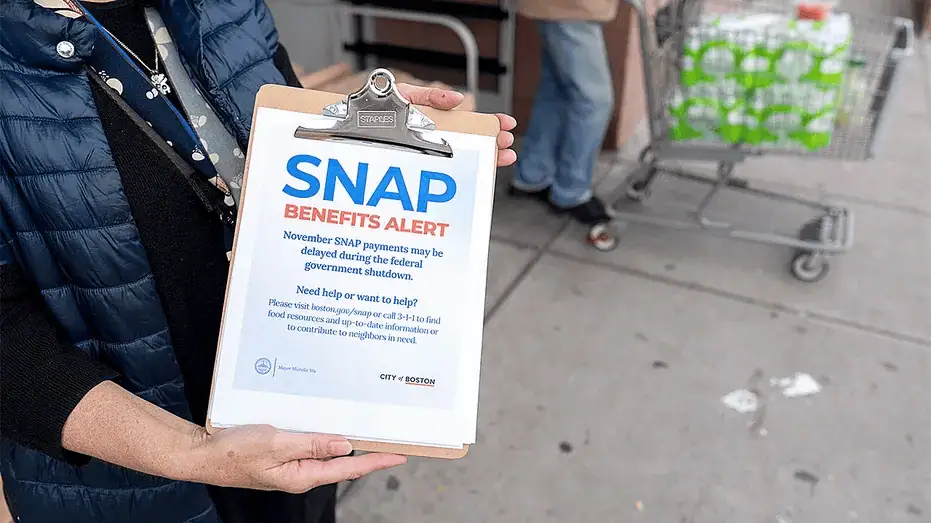
Because SNAP is frequently discussed in political debates, public perception does not always align with how the program operates in practice. Terms like “food stamps” remain in common use, even though the system has been modernized for years. Simplified narratives often overlook the detailed eligibility criteria and structured benefit calculations. Taking a closer look reveals a program that is complex, regulated, and deeply integrated into the national food system.
