
9 U.S. Food History Facts That Rarely Get Talked About but Changed How America Eats
America’s food culture didn’t transform because of a single invention or sweeping trend. It shifted through quiet decisions, policy choices, industrial compromises, and cultural shortcuts that slowly rewired daily habits. None of these moments felt dramatic at the time. They didn’t announce themselves as revolutions. But together, they reshaped expectations around convenience, portion size, safety, and speed. What Americans now consider normal eating was built gradually, reinforced by systems that valued efficiency and consistency over tradition. These subtle changes didn’t make headlines, but they permanently altered how food fits into everyday life and how eating itself is understood.
World War II Normalized Processed Food at Home

World War II fundamentally reshaped how Americans thought about food at home. Rationing, military logistics, and mass production introduced shelf-stable foods at an unprecedented scale. Canned meats, powdered eggs, dehydrated soups, and preserved dairy stopped being emergency items and became everyday solutions. When the war ended, these habits didn’t fade; they stuck. Families had learned that food could be standardized, stored long-term, and prepared quickly without sacrificing reliability. That lesson permanently lowered resistance to convenience. Processed food stopped feeling temporary or inferior and became woven into normal household routines that continued for decades.
The Interstate Highway System Created Fast Food Culture
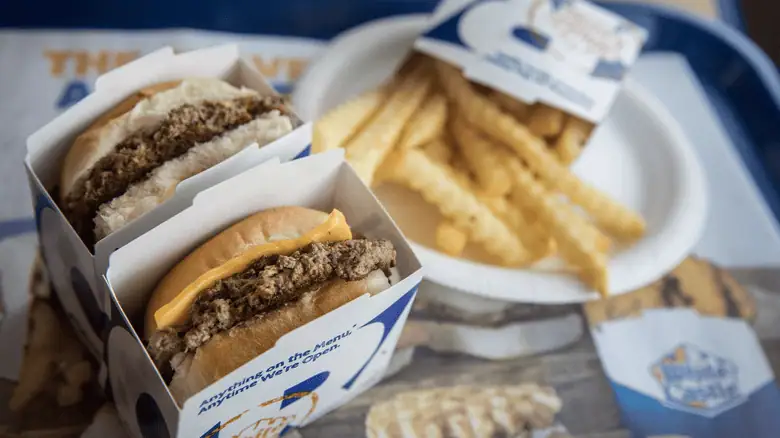
The expansion of the U.S. interstate highway system reshaped American eating habits without changing a single recipe. Long stretches of driving created demand for meals that were fast, predictable, and easy to eat on the road. This environment allowed chains like McDonald’s to scale nationally. Consistency mattered more than creativity. Drivers wanted the same food in every state, near every exit. Speed, uniformity, and portability became expectations rather than bonuses. Fast food wasn’t just convenient; it became infrastructure, aligning food with mobility and reshaping how Americans defined a “normal” meal.
TV Dinners Changed What a “Meal” Looked Like

The rise of the TV dinner in the 1950s didn’t just add convenience; it redefined the idea of a meal itself. Eating no longer required a shared table or synchronized schedules. Food arrived pre-portioned, plated on trays, and designed to be eaten in front of a screen. Family dining became flexible, fragmented, and optional rather than ceremonial. This shift normalized solo eating and reduced the importance of preparation and presentation. Over time, it paved the way for frozen meals, microwave cooking, and individualized eating habits that still shape how Americans approach meals today.
Government Nutrition Guidelines Shaped Grocery Aisles

When the U.S. government began issuing official dietary guidelines, food companies adapted faster than most households. Manufacturers reformulated products to fit labels like “low-fat,” “fortified,” or “heart-healthy,” often emphasizing compliance over nuance. These claims reshaped marketing and consumer trust, sometimes outpacing evolving nutrition science. Over time, grocery shelves began reflecting policy priorities as much as taste or tradition. Stores didn’t just sell food; they reinforced guidelines visually and repeatedly. The result was an aisle landscape shaped by regulation and interpretation, where official advice quietly influenced what felt normal, safe, or responsible to buy.
The Refrigerator Changed Shopping Frequency Forever

Before home refrigeration became widespread, Americans shopped often and cooked what would spoil quickly. Refrigerators altered that rhythm completely. Weekly trips replaced daily visits, and bulk buying became practical. This shift strengthened supermarkets while weakening local markets and bakeries. It also normalized larger portions, leftovers, and fully stocked fridges meant to handle uncertainty. Shopping changed from reactive to anticipatory buying, “just in case” rather than for immediate use. Over time, refrigeration didn’t just preserve food; it reshaped habits, planning, and expectations around abundance and availability in everyday American life.
Food Safety Laws Quietly Reshaped Taste

The expansion of food safety regulation, especially through agencies like the Food and Drug Administration, standardized what Americans could safely eat at scale. Approved preservatives, additives, and processing methods became dominant because they were reliable and enforceable. Over time, these standards influenced flavor and texture as much as safety. Consumers grew accustomed to certain tastes not because they were traditional, but because they were regulated, repeatable, and widely distributed. Taste adapted to compliance. What feels familiar today is often the result of regulation shaping food long before it reaches the plate.
Lunch Became a Short Break, Not a Meal

As industrial work schedules and later office culture took hold, lunch was compressed into a fixed, limited window. Meals that required time, utensils, or conversation became impractical. Foods that could be eaten quickly and reliably, such as sandwiches, packaged snacks, fast food rose in importance. Lunch stopped being a pause in the day and became a task to complete efficiently. This shift reshaped how Americans plan meals, prioritize convenience, and tolerate eating on the move. Decades later, the expectation that lunch should be fast and functional still influences food design, packaging, and daily routines.
Advertising Taught Americans What Food Was “For”

Food advertising didn’t just promote brands; it assigned roles. Cereal became breakfast, snacks filled the gaps between meals, and dessert shifted from occasional treat to routine expectation. Over time, marketing taught people not only when foods belonged but also why they should want them. These messages normalized eating patterns that felt intuitive but were commercially engineered. Habit replaced hunger as the organizing force. The result was a structured eating day shaped by repetition and reinforcement, where choices felt personal even as they followed scripts written by decades of advertising strategy.
Portion Inflation Reset Expectations

Throughout the late 20th century, portion sizes expanded gradually and quietly. What once served multiple people became standard for one. This change wasn’t framed as excess, but as a value, more food for the same price. Over time, visual cues reset expectations of what a “normal” plate looked like. Consumption increased without conscious decision-making. As portions grew, so did tolerance for them, reshaping appetite and perception simultaneously. The shift didn’t announce itself; it embedded itself, altering eating habits through familiarity rather than choice.
