
Chef Tricks That Make Any Dish Taste Gourmet
“Gourmet cooking” sounds a bit intimidating. You probably think of fancy chefs, weird gadgets, and ingredients you can’t pronounce. But here’s the secret: you don’t need culinary school to cook like a pro. You just need a few simple techniques. Season in layers, not just at the end. Add a splash of acid (like lemon juice or vinegar) to brighten up a heavy dish. Slow-cook tough cuts of meat until they’re fall-apart tender. Sauté vegetables on high heat to get that golden, caramelized crust. These aren’t complicated tricks. They’re foundational skills that turn everyday meals into something special. And the best part? Anyone can learn them.
So if you’re ready to level up your cooking without spending hours in the kitchen, you’re in the right place. In this article, we’re breaking down 7 gourmet techniques that home cooks can master today—from proper seasoning and balancing flavors to using fresh herbs, experimenting with textures, and harnessing the power of acidity. You’ll learn why kosher salt is better than table salt, how to deglaze a pan for extra flavor, and why you should never overcrowd your sauté pan. No fancy equipment. No obscure ingredients. Just real skills that make your food taste amazing. Let’s get cooking—like a pro.
Master the Art of Seasoning
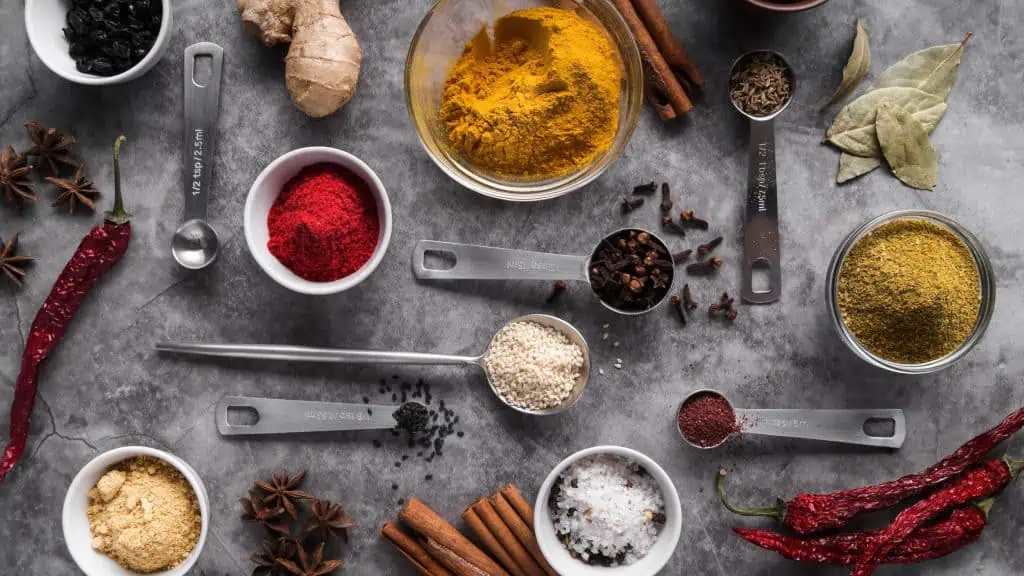
Proper seasoning is a cornerstone of gourmet cooking. Begin by salting in layers—add salt at different stages to develop depth and complexity rather than just at the end. Consider the type of salt; kosher or sea salt is often preferred for its purity and control. Incorporate freshly ground pepper to heighten flavors and add dimension. Don’t overlook herbs and spices; a blend of fresh and dried can create nuanced flavor profiles. Balance is key; taste as you go to adjust and complement the natural flavors of the ingredients.
Harness the Power of Acidity

Acidity can elevate a dish by providing brightness and balance. Lemon juice, vinegar, and wine are excellent choices to introduce acidity. Use them sparingly to enhance rather than overpower. Vinegar adds complexity; try balsamic for sweetness or sherry for warmth. Lemon zest offers aromatic intensity without additional liquid. Taste your dish before serving, and add an acid to lift heavier elements, making each ingredient distinct yet harmonious. Acidity works especially well in rich dishes, cutting through fats for a cleaner finish.
Embrace Slow Cooking
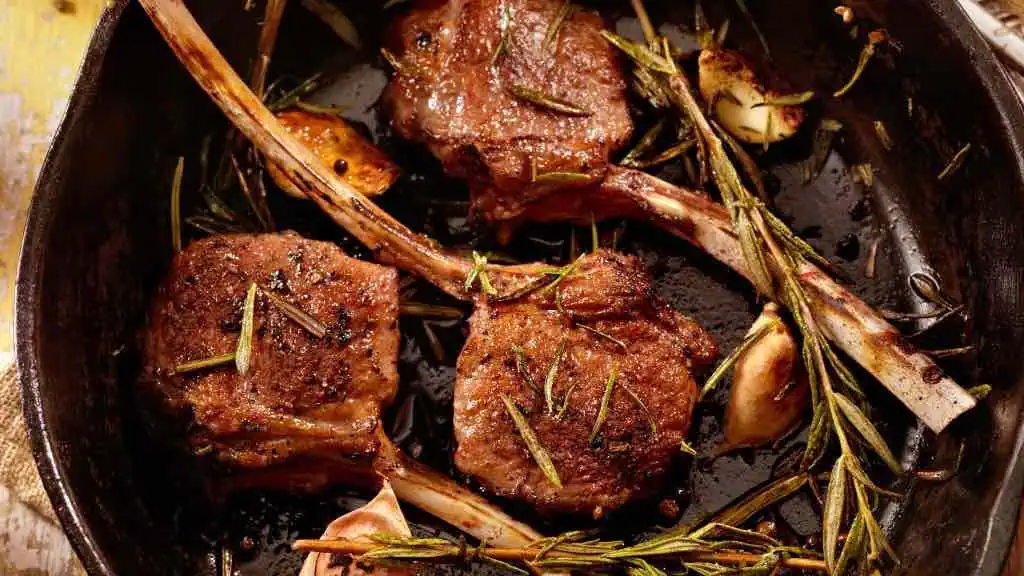
Slow cooking tenderizes and deepens flavors, making it ideal for transforming economical cuts into succulent delights. Use a heavy-duty pot for evenly distributed heat, ensuring low and consistent temperatures. Aromatics like onions, garlic, and herbs release flavors gradually, infusing the dish over time. Consider braising or stewing; both methods allow flavors to meld beautifully, resulting in a rich, cohesive taste. Patience is crucial; allow ingredients to simmer gently until they break down and impart a luscious texture that comes only with time.
Sauté for Flavor Depth
Sautéing draws out robust flavors by caramelizing natural sugars and developing a savory crust. Use high heat and a quality fat—such as clarified butter or oil—to prevent burning. Cut ingredients uniformly for even cooking. Avoid overcrowding; ensure each piece contacts the pan directly. Deglaze with wine or stock after sautéing to capture fond, the golden bits left in the pan, which imbue additional flavor. Mastering this technique enhances aroma and complexity, delivering a richly layered dish every time.
Balance Your Dishes

Achieving balance in your dishes is crucial to creating a gourmet experience. Start by identifying core flavors: sweet, salty, sour, bitter, and umami. Use these elements to enhance each ingredient’s character, ensuring that no single note dominates. Work in small increments, adding a splash of acid like lemon juice to liven up a heavy sauce or a touch of sweetness to balance spicy heat. Remember, the right amount of salt not only seasons but also enhances other flavors. Regular taste tests will guide you to a harmonious finish.
Use Fresh Herbs Wisely

Using fresh herbs can elevate your culinary creations with a dynamic burst of flavor. Incorporate them thoughtfully, considering both intensity and timing. Delicate herbs like parsley and basil are best added towards the end of cooking to preserve their freshness. Firmer herbs such as rosemary and thyme can withstand longer cooking times, releasing their essence gradually. Chop finely for an even distribution or keep sprigs whole for infusion. Balance herbaceous notes with other flavors to complement without overwhelming.
Experiment with Textures

Experimenting with textures can transform a dish from ordinary to extraordinary. Consider how contrasting textures interact—creamy polenta paired with crispy pancetta, or a silky soup garnished with crunchy croutons. Techniques like roasting, grilling, and frying can provide interesting contrasts in a meal. Focus on layering textures within each bite, from the base up to the garnish. Think about incorporating unexpected elements, like seeds or nuts, for a surprising crunch that captivates the palate.
