
12 Boomer-Era Desserts Younger Generations Are Finally Baking Again
Desserts from the boomer era weren’t designed to impress strangers or perform online. They were built to work to feed families, survive potlucks, and make ordinary evenings feel steady. For years, younger generations dismissed them as bland or outdated. Now, many are returning quietly to ovens, not because they’re trendy, but because they feel grounding in a time when food often feels overstated. These desserts aren’t about nostalgia alone. They’re about rediscovering reliability, patience, and comfort baked into technique rather than presentation.
Applesauce Cake
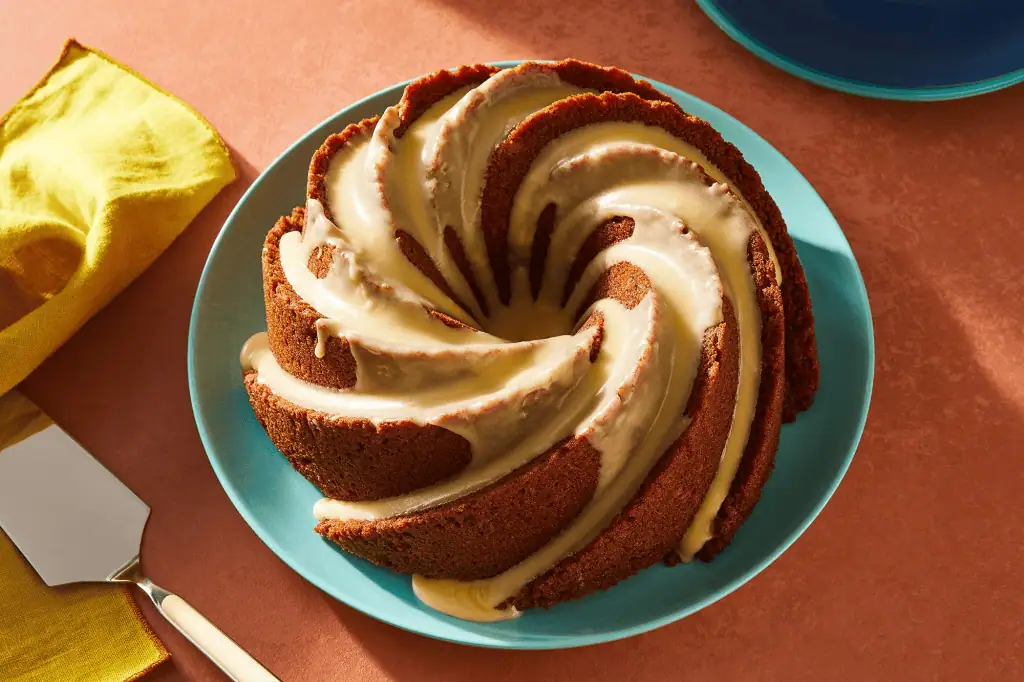
Applesauce cake was never meant to be exciting. It was meant to be dependable. Moist without frosting, lightly spiced, and forgiving of substitutions, it showed up when ingredients were limited or time was short. There was no pressure to decorate or perfect it. Younger bakers are rediscovering it precisely because of that restraint. It doesn’t demand attention or performance. It tastes calm, steady, and practical qualities that feel refreshing after years of maximalist desserts built around spectacle instead of substance.
Pineapple Upside-Down Sheet Cake

This isn’t the photogenic ring-by-ring version, but the practical sheet cake meant to feed a room. It traveled well, sliced easily, and often tasted better the next day. Younger generations are baking it again because it feels generous without being showy. The caramelized fruit and soft crumb reward patience rather than skill. There’s no rush, no precision required. It’s a dessert designed to be shared and relied on, not admired briefly and forgotten.
Prune Cake

Prune cake was once unfairly mocked, more for its name than its substance. Quietly, it’s returning. Its deep moisture, subtle sweetness, and dark richness feel almost modern now. Younger bakers appreciate that it doesn’t rely on sugar shock or frosting to make an impression. It’s dense, grown, and unapologetic. The flavor develops slowly, rewarding time and attention. In a culture tired of excess, prune cake offers something unexpected: dessert that feels confident without needing approval.
Cottage Cheese Pound Cake
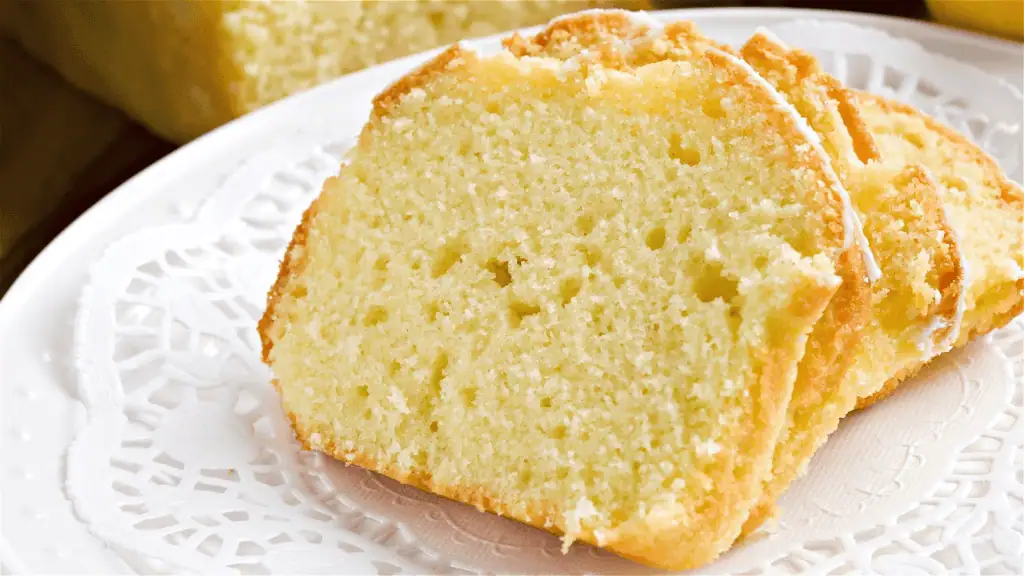
Cottage cheese pound cake was never about cutting calories or making a dessert seem virtuous. It was about texture and resourcefulness. Cottage cheese added moisture and density at a time when butter was expensive or limited, creating a cake that stayed tender without excess fat. Today’s bakers are intrigued by its odd logic and often surprised by how well it works. Baking it feels less like following a trend and more like uncovering a forgotten technique one that prioritizes function, restraint, and quiet ingenuity over novelty.
Icebox Lemon Squares
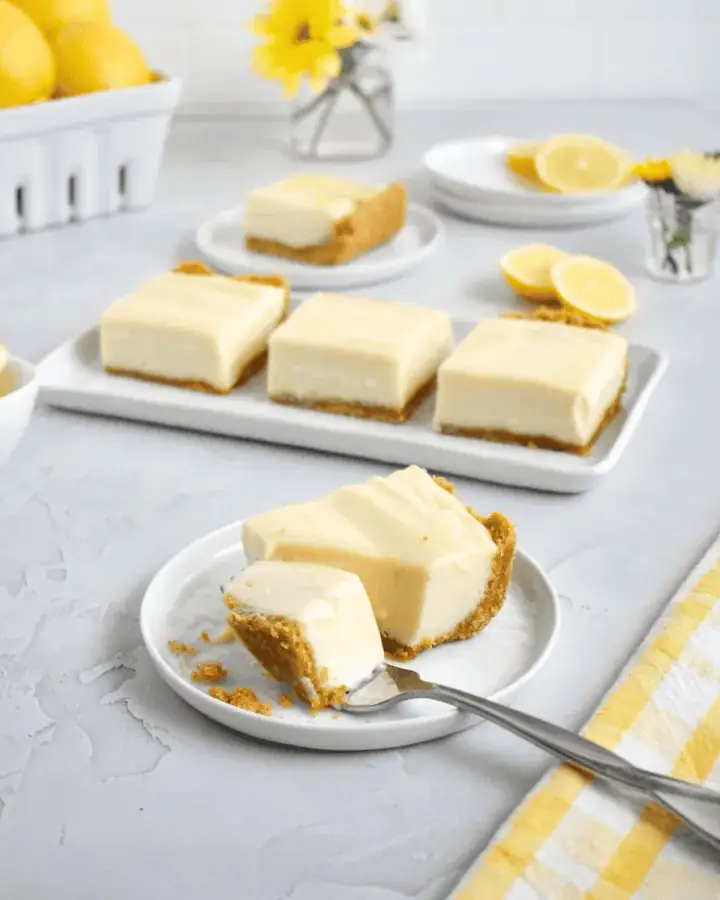
Icebox lemon squares weren’t designed to impress visually. They were refrigerator desserts built to hold their shape, their tartness, and their mood. Firm but soft, bright without being loud, they relied on balance rather than sweetness. Younger generations are returning to them because they feel calm and practical. There’s no baking rush, no decoration pressure, and no sugar overload. These bars don’t demand attention or applause. They offer clarity and restraint, which feels refreshing in a dessert culture that often overwhelms before the first bite.
Jam Roll Cake

Jam roll cakes were exercises in economy and skill, not abundance. One thin sponge, one layer of jam, and a careful roll were all that was needed. There was no frosting to hide mistakes and no layers to distract from technique. Younger bakers are drawn to that honesty. The cake rewards patience, timing, and precision rather than excess. Making it feels grounding because success depends on focus, not flair. In an era of overbuilt desserts, the simplicity of a jam roll feels intentional and quietly confident.
Rice Custard Bake
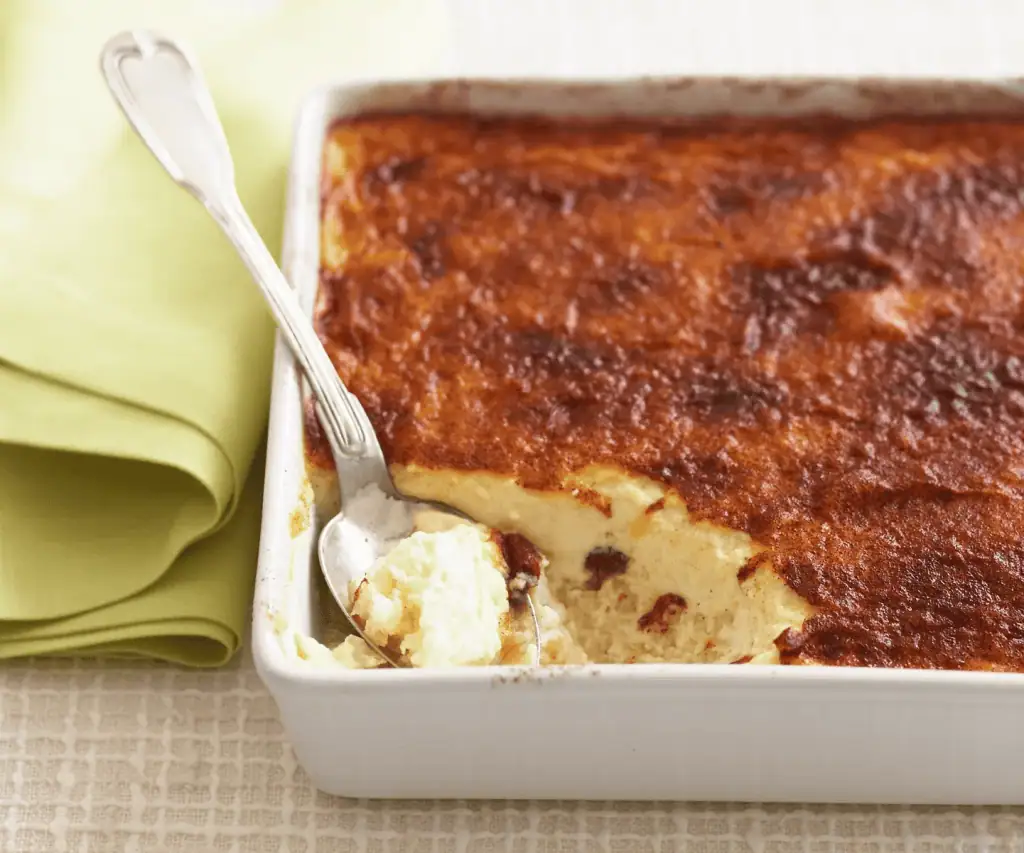
Rice custard bake wasn’t about speed or indulgence. It required time, low heat, and trust in the process. The custard thickened slowly, the rice softened gradually, and the sweetness stayed gentle rather than sharp. Younger generations are rediscovering it as a counterbalance to instant-gratification baking. This dessert asks for patience and attention, not urgency. The reward isn’t drama but steadiness a comforting texture and warmth that unfolds over time, offering a reminder that some pleasures are meant to develop, not rush.
Oatmeal Cake With Broiled Topping
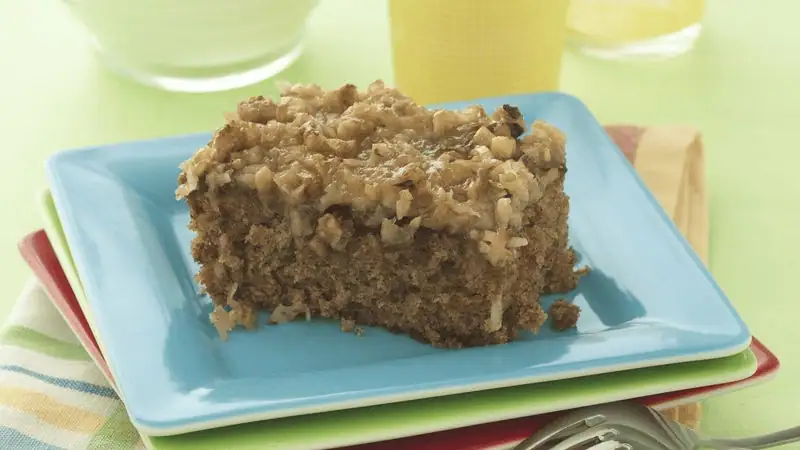
Oatmeal cake with a broiled coconut-sugar topping wasn’t built around frosting or decoration. The finish happened under heat, not through embellishment. Once baked, the cake was topped and briefly broiled until the sugars caramelized into a crackly, golden layer. By today’s standards, it feels rustic and slightly old-fashioned. Younger bakers are drawn to that self-finishing quality. The cake rewards timing rather than styling, and the surprise comes from texture, not appearance. It feels satisfying in a quiet way, proving that a dessert can complete itself without visual performance.
Vinegar Chocolate Cake

Vinegar chocolate cake carried Depression-era logic into boomer kitchens, relying on chemistry instead of luxury ingredients. With no eggs or butter, it used vinegar and baking soda to create structure and lift. The method required trust more than indulgence. Younger generations are baking it now out of curiosity, expecting compromise, and discovering how well it works. The texture is tender, the flavor deep, and the simplicity almost startling. What keeps people returning isn’t novelty, but the realization that good results don’t always require richness or excess.
Custard-Filled Cupcakes
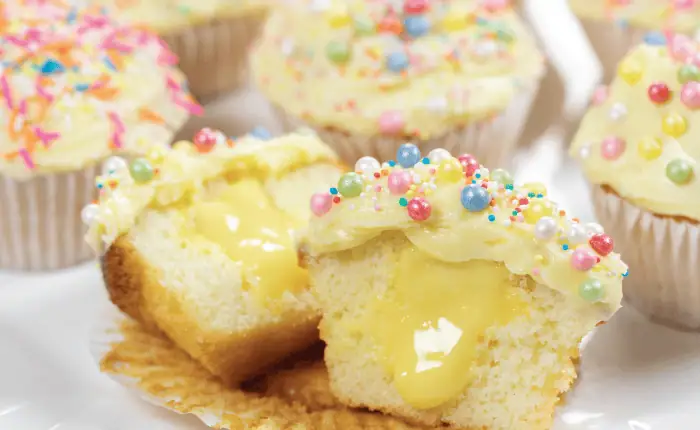
Custard-filled cupcakes weren’t designed to impress from the outside. They were modest in appearance, often unfrosted, with the pleasure hidden inside. The reward came at the first bite, when soft cake gave way to creamy filling. Younger bakers appreciate that restraint. There’s no height, swirl, or visual drama just contrast and surprise. The satisfaction is private rather than performative. In a dessert culture obsessed with presentation, these cupcakes feel refreshingly inward-focused, reminding bakers that pleasure doesn’t have to announce itself to be meaningful.
Molasses Gingerbread Loaf
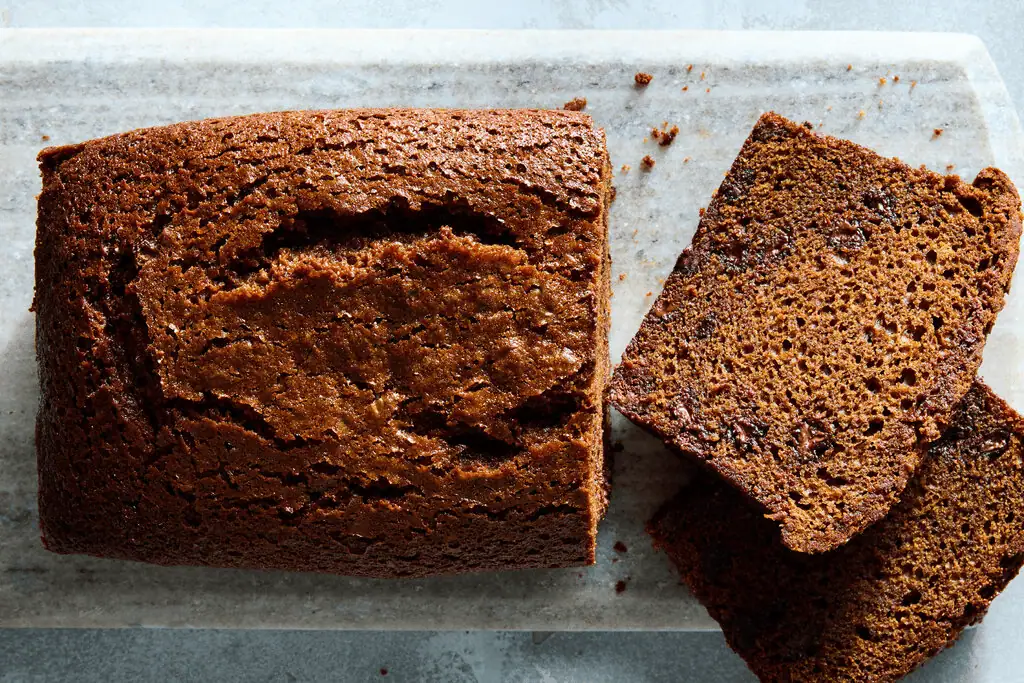
Molasses gingerbread loaf was dense, dark, and unapologetic. It wasn’t meant to be light or delicate. It was meant to last, slice well, and deepen in flavor over time. The spices were warm rather than sweet, and the loaf paired naturally with quiet evenings and coffee. Younger generations are returning to it because it fits slower moments. It doesn’t photograph brightly or demand attention. It offers steadiness, warmth, and depth qualities that feel grounding in contrast to desserts designed for immediate impact.
Bread Pudding Without Sauce
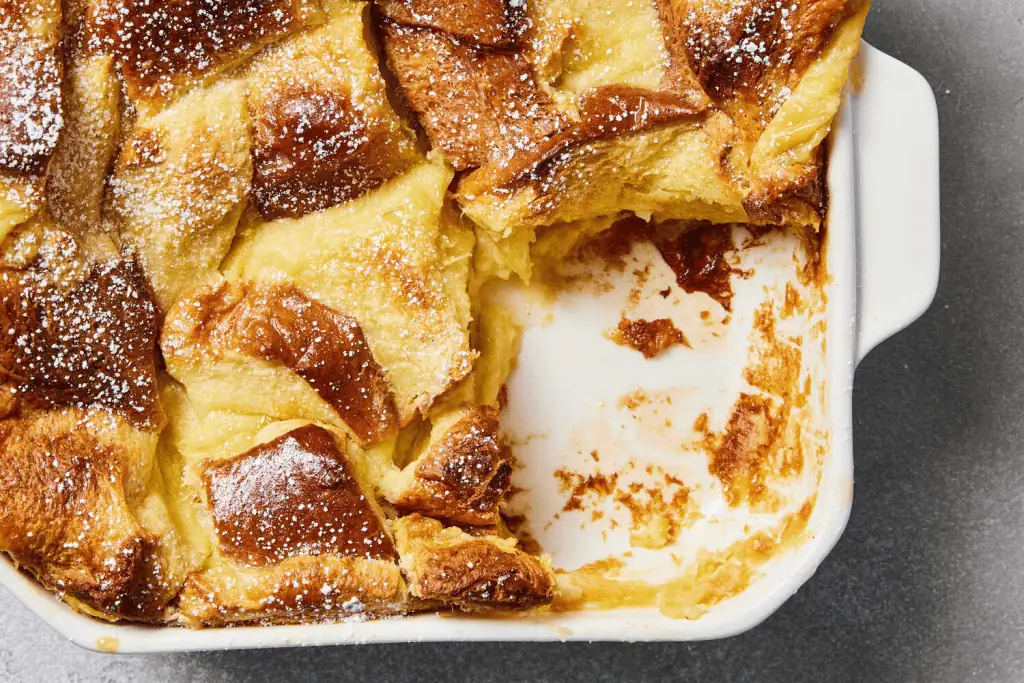
Earlier bread puddings weren’t drenched or dressed up. They relied on milk, eggs, sugar, and restraint, letting texture do the work. Stale bread softened slowly, absorbing custard without becoming heavy. Younger bakers are rediscovering this version as a practical way to use leftovers without turning them into spectacle. There’s no sauce to distract from the base, no excess sweetness to overpower it. The appeal lies in balance and intention, showing how simplicity can feel complete without needing embellishment.
