
15 Foods Many People Think Are American But Aren’t
American food culture is built largely on adaptation. As immigrants arrived, they brought recipes that slowly changed to fit local ingredients, tastes, and commercial systems. Over time, many of those foods became so embedded in American life that their original roots faded from memory. What people now think of as “classic American” often started elsewhere and only became American through repetition, scale, and reinvention. These foods didn’t lose their original identity, they were reshaped by history.
Hamburgers
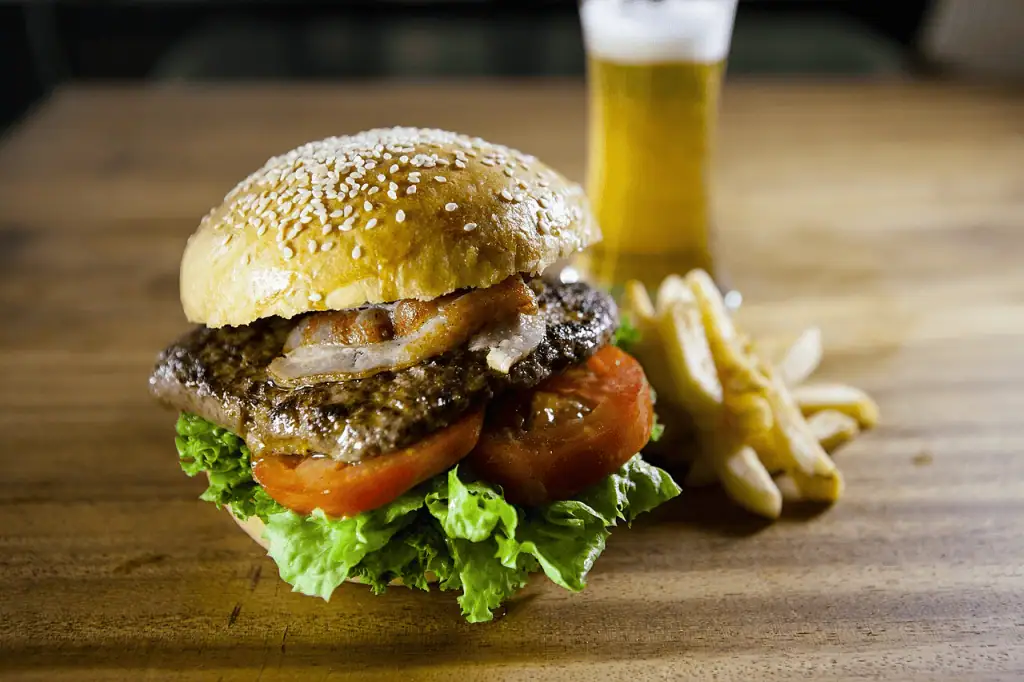
The hamburger feels inseparable from American culture, but its roots trace back to Europe, particularly Germany. The name comes from Hamburg, where minced beef dishes were common long before the modern burger existed. German immigrants brought the concept to the U.S., where it evolved into a sandwich suited for speed and mass production. America didn’t invent the beef patty, but it transformed it into a national symbol through diners, drive-ins, and fast food.
French Fries

Despite the name, French fries are widely believed to have originated in Belgium. Historical records suggest fried potatoes were eaten there long before France popularized them. American soldiers encountered fries in Belgium during World War I and associated them with French-speaking locals. Once brought back to the U.S., fries became a fast-food staple. Their global identity now overshadows their debated European origin.
Hot Dogs

Hot dogs trace back to long-standing European sausage traditions, particularly from Germany, where frankfurters and wieners were common well before the United States existed. These sausages arrived with German immigrants, who adapted them to American street food culture by making them quicker, cheaper, and easier to eat. Placing the sausage in a bun transformed it into a portable meal suited for crowds. Baseball stadiums, fairs, and street vendors later cemented the hot dog’s American image. While it became a national icon through visibility and repetition, the sausage itself remains firmly rooted in Old World culinary tradition rather than American invention.
Macaroni and Cheese
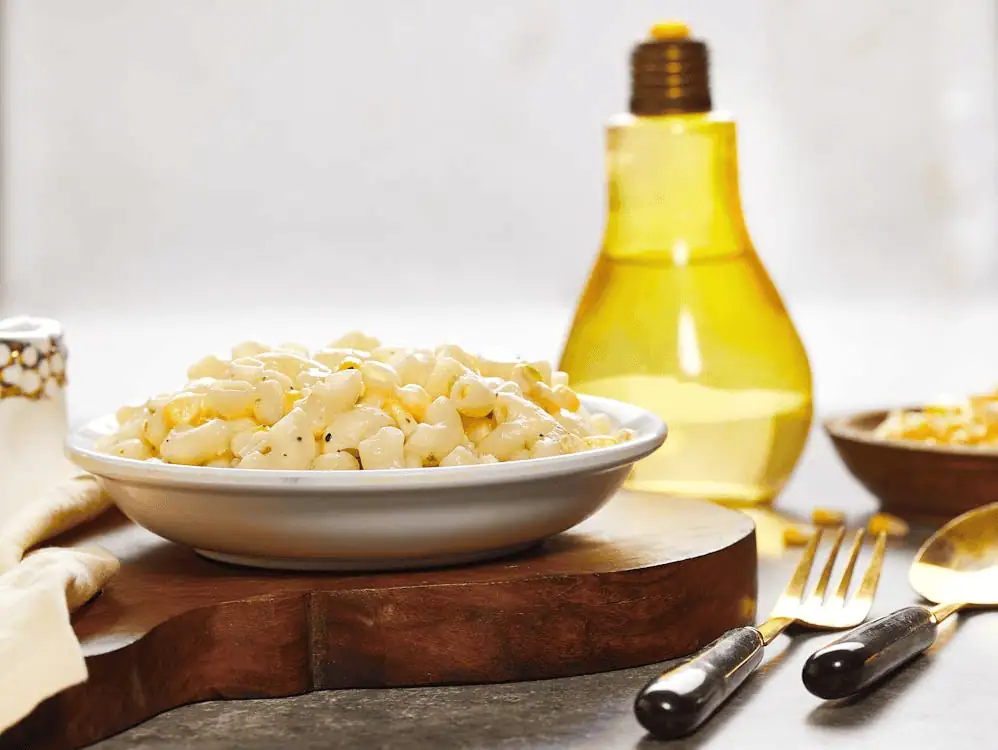
Macaroni and cheese feels like a quintessential American comfort food, but pasta-based cheese dishes originated in Italy. Early versions existed in Europe long before the boxed American classic. The dish gained popularity in the U.S. after being introduced through European influence and later industrialized for mass consumption. America simplified and standardized it, but the idea itself came from Italian pasta traditions.
Fortune Cookies

Fortune cookies are closely associated with American-Chinese restaurants, but their origins are more complex than many assume. Early versions trace back to Japan, where folded cookies resembling today’s fortune cookies were made without messages inside. The modern version, complete with printed fortunes, took shape in the United States, influenced by Japanese confectionery traditions brought by immigrants. Over time, the cookie became a staple of American-Chinese dining. Its identity is American by association and adaptation, not by original invention.
Fried Chicken

Fried chicken is often labeled as quintessential Southern American food, yet the core cooking technique predates the United States. The practice of frying chicken in fat traces back to Scotland, where seasoned chicken was pan-fried rather than baked or boiled. When Scottish immigrants brought this method to the United States, it intersected with African culinary traditions introduced by enslaved people, including bold seasoning, spice layering, and flavor-forward preparation. In the American South, these influences blended into something new and deeply regional. While fried chicken became iconic through Southern culture and history, its American identity reflects cultural fusion and adaptation rather than a single point of origin.
Chicken Parmesan
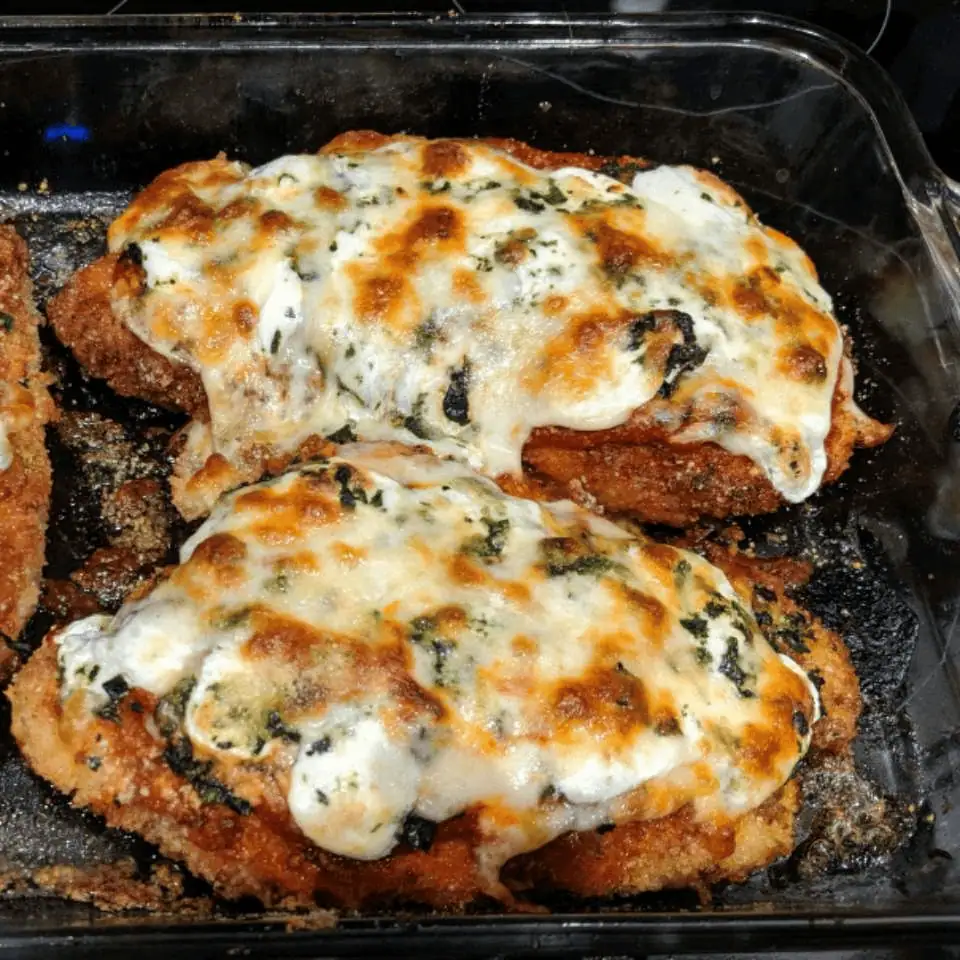
Chicken parmesan is widely viewed as an Italian-American restaurant staple, but it does not exist in traditional Italian cuisine. Its roots are loosely connected to Italian eggplant dishes such as parmigiana, which uses vegetables rather than meat. When Italian immigrants arrived in the United States, they adapted familiar recipes using ingredients that were cheaper and more abundant, especially chicken, cheese, and tomato sauce. The result was a heavier, protein-forward dish that fit American dining habits. While inspired by Italy, chicken parmesan itself emerged through American adaptation rather than direct tradition.
Apple Pie

Apple pie is often treated as the ultimate symbol of American identity, yet apples themselves are not native to North America. The dessert’s roots trace back to England and other parts of Europe, where apple-filled pastries existed centuries before the U.S. European settlers brought both apples and pie-making traditions with them. Over time, apple pie became associated with American agriculture and home cooking, turning an imported dessert into a national metaphor rather than a native invention.
Buffalo Wings

Buffalo wings are strongly tied to American sports culture, but the idea of frying and saucing chicken wings wasn’t entirely new. Fried chicken techniques arrived in the U.S. through European and African influences. The specific sauce combination popularized in Buffalo, New York gave wings their modern identity, but the core technique of frying and seasoning poultry predates America. The dish became American through branding and repetition, not original concept.
Peanut Butter

Peanut butter feels like a deeply American pantry staple, yet ground peanut pastes existed long before modern America. Early versions appeared in parts of South America and Africa, where peanuts originated. The U.S. refined peanut butter into a shelf-stable, mass-produced product, embedding it into school lunches and daily life. America didn’t invent peanut butter, but it industrialized and normalized it in a way no other country did.
Coleslaw

Coleslaw’s creamy, crunchy presence at American cookouts often hides its European origins. The dish evolved from cabbage salads in the Netherlands, where koolsla referred to finely shredded cabbage dressed simply with vinegar or oil. Immigrants carried this concept to the United States, where it gradually changed to suit local tastes. Mayonnaise replaced lighter dressings, and sugar was often added, creating the familiar version served today. While coleslaw became a classic American side dish through adaptation and popularity, its roots remain firmly planted in European culinary tradition.
Donuts

Donuts feel inseparable from American bakeries and coffee culture, but their roots trace back to Netherlands. Dutch settlers brought fried dough treats called olykoeks to early America, where they were eaten as simple, home-style sweets. Over time, these dense fritters evolved, with holes added to ensure even cooking and lighter texture. In the United States, donuts were standardized, scaled up, and mass-produced, turning them into an everyday staple. While America perfected the form and popularized it globally, the basic idea of fried sweet dough was adapted from European tradition rather than invented outright.
Barbecue

Barbecue is often treated as a purely American tradition, but its foundations stretch far beyond the borders of the United States. Long before modern barbecue styles formed, slow-cooking meat over open fire was practiced across the Caribbean and parts of Africa. Enslaved Africans brought fire-management techniques, seasoning traditions, and communal cooking methods that blended with Indigenous practices already present in North America. Over time, these influences evolved into regional barbecue styles unique to the U.S. While American barbecue developed its own identities and rituals, the core techniques are global, layered, and rooted in shared histories rather than a single national origin.
Chop Suey

Chop suey became synonymous with American Chinese food, yet it does not originate from traditional cuisine in China. Instead, the dish took shape in the United States as Chinese immigrants adapted cooking techniques to locally available ingredients and Western expectations. Built for speed, affordability, and familiarity, chop suey blended stir-frying methods with vegetables and sauces that appealed to American diners. While inspired by Chinese culinary principles, it was largely an American creation. Its lasting popularity shows how U.S. food culture often invents new “ethnic” dishes that feel authentic locally but have little presence in their supposed countries of origin.
Meatloaf

Meatloaf feels deeply American today, but its foundation comes from much older European cooking traditions. Across Europe, especially in Germany, cooks prepared ground meat mixed with bread, grains, or eggs as a practical way to stretch protein and avoid waste. These dishes were shaped by necessity rather than comfort. When the idea reached the United States, it gained new importance during hard economic periods, particularly the Great Depression. Americans adapted it with local seasonings and sauces, turning it into a familiar household staple. While meatloaf became emotionally tied to American family meals, the core concept was inherited through tradition, not originally invented.
