
7 Chefs Redesigning Classic American Food Through Sustainability
Sustainability has become a cornerstone in modern culinary arts, inviting chefs to rethink how they source and utilize ingredients. This shift involves reducing waste and redirecting focus towards local, seasonal produce. Chefs leading this movement aim to restore ecological balance, ensuring that flavors remain vibrant while being environmentally conscious. Their innovative approaches, combined with a reverence for traditional techniques, pay homage to classic American dishes, transforming them into models of sustainability without compromising taste.
Dan Barber: Farm-to-Table Pioneer

Dan Barber, renowned for pioneering the farm-to-table movement, emphasizes the integrity of every ingredient. At Blue Hill, Barber meticulously curates dishes that reflect soil health and biodiversity. His approach includes crafting menus based on what’s abundant on the farm, showcasing vegetables at their peak and using every part of the produce. This practice not only elevates flavor profiles but also minimizes environmental impact, guiding guests through a culinary experience that’s both delightful and conscious.
Alice Waters: The Edible Schoolyard

Alice Waters has long championed the connection between sustainable agriculture and education through her Edible Schoolyard project. Her vision integrates hands-on gardening and cooking into school curriculums, teaching children to appreciate seasonal harvesting. By highlighting vegetables grown just feet away from the kitchen, Waters creates a loop of freshness and sustainability. Her influence on American culinary practices lies in merging health, taste, and stewardship as foundational principles for the next generation of culinary artists.
Massimo Bottura: Fighting Food Waste

Massimo Bottura turns food waste into culinary art at his refettorios and esteemed restaurant, Osteria Francescana. His philosophy centers on reimagining overlooked ingredients, transforming vegetable trimmings and stale bread into exquisite, resourceful dishes. Bottura’s technique involves innovative preparations that amplify flavors while reducing waste. Through his creative pursuits, he showcases the potential of sustainable cooking, encouraging home cooks and fellow chefs to view ‘waste’ as an opportunity for culinary innovation.
Sean Sherman: Reviving Indigenous Flavors

Sean Sherman, also known as The Sioux Chef, revitalizes Indigenous American cuisine by sourcing native ingredients with care. His dishes embody mental and environmental sustenance, celebrating the rich heritage of the land’s original flavors. Sherman’s practice involves wild-foraging and employing traditional preservation methods, such as smoking and drying, thus respecting Indigenous culinary wisdom. This commitment not only reinvigorates classic dishes but also promotes biodiversity, offering a taste of history that sustains future palates.
Amanda Cohen: Plant-Based Innovator
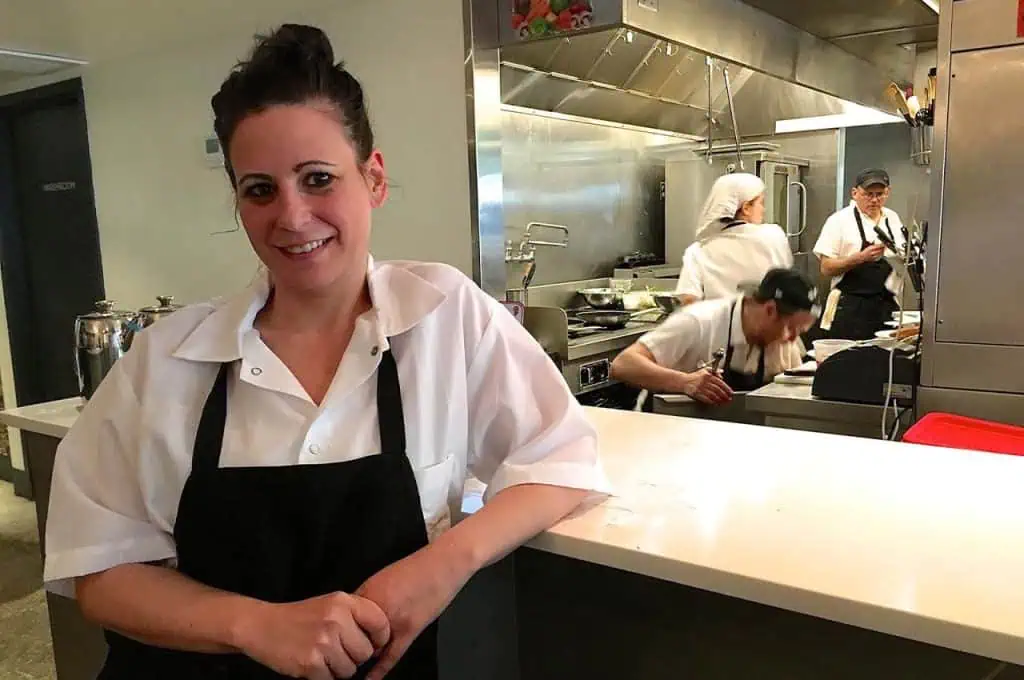
Amanda Cohen transforms classic American dishes with inventive plant-based iterations. Her approach emphasizes the use of whole vegetables to mimic textures and flavors traditionally derived from meat. For instance, her beet burger utilizes roasted beets, lending a juicy, umami-rich profile heightened by smoked sea salt. Cohen’s use of seasonal vegetables ensures optimal freshness and flavor, while incorporating techniques like spiralizing and grilling adds unexpected depth. This approach not only champions sustainability but also encourages home cooks to explore vegetables in new, vibrant ways.
Roy Choi: Community and Flavor Revolution
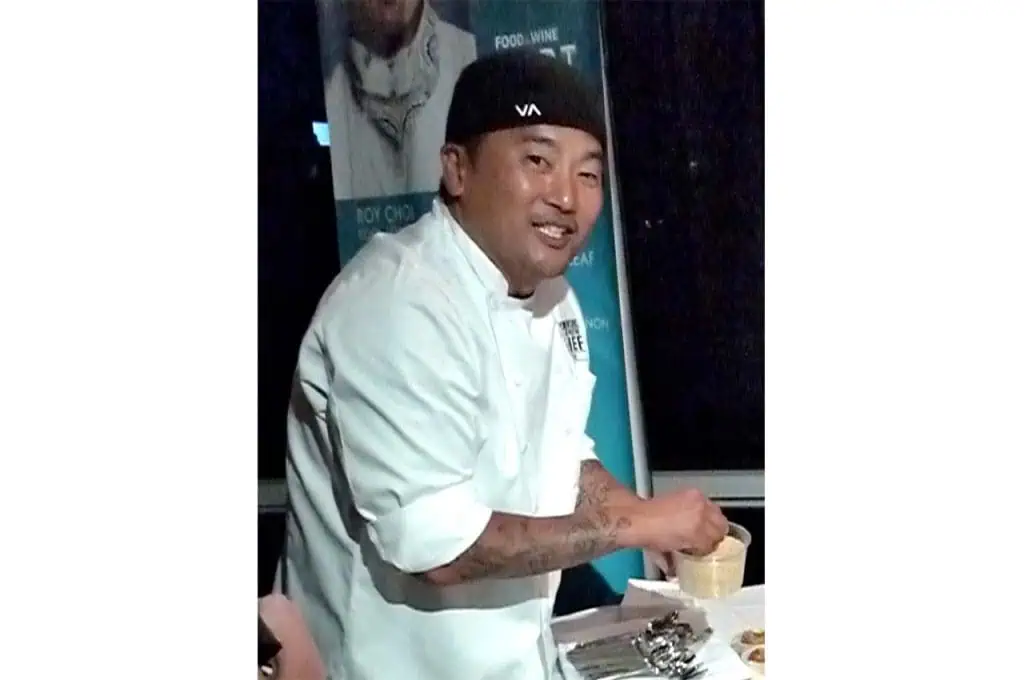
Roy Choi reinvents American cuisine by merging bold global flavors with street food accessibility, fostering a sense of community. His trademark Korean-Mexican tacos demonstrate superior layering of flavor using marinated short rib, paired with quick-pickled radishes that balance richness with acidity. Choi emphasizes the importance of communal dining, translating each dish into shared experiences. His approach is both innovative and approachable, encouraging experimentation with marinades and toppings, letting home cooks weave their own stories into the food they create.
Nyesha Arrington: Bridging Traditions
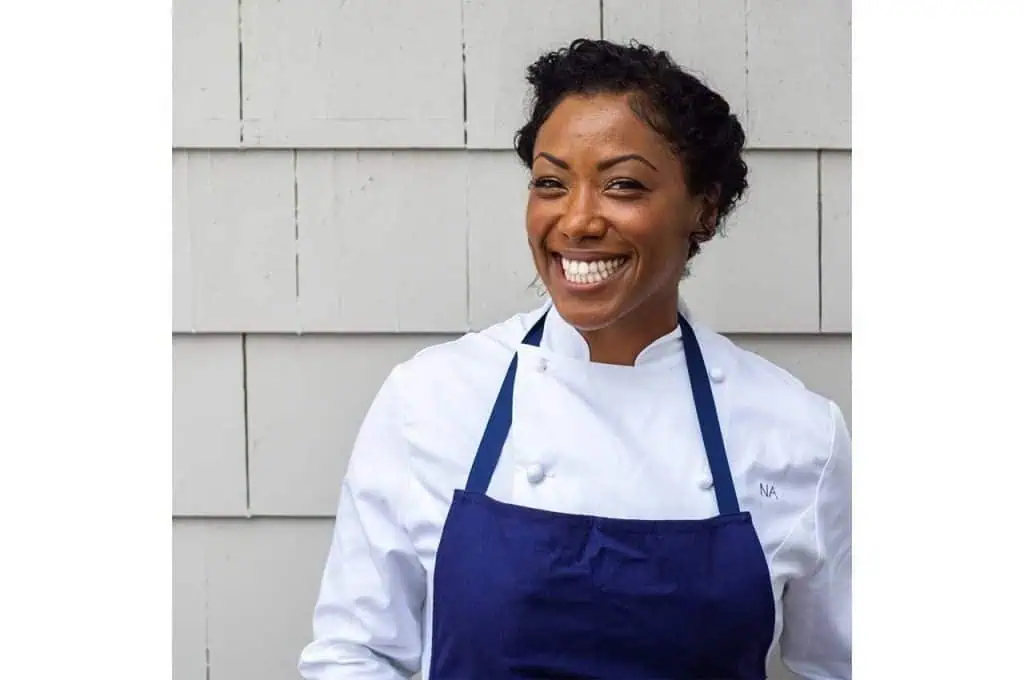
Nyesha Arrington deftly blends her Californian roots with global traditions to refresh classic American dishes. Her take on fried chicken utilizes a buttermilk marinade infused with ginger and lemongrass, introducing subtle aromatic notes. Arrington highlights the importance of texture, by employing techniques such as double frying to achieve ultimate crispiness. Her mindful use of ingredients not only honors sustainability but also enhances the overall dish complexity, offering home cooks pathways to elevate traditional recipes while paying homage to diverse cultural influences.
