
10 Signature Drinks of the World Every Traveler Ends Up Trying
Exploring the world through its signature drinks offers a taste of culture and tradition. Each cocktail tells a story through its distinct flavors and methods. From the tangy zest of a Mexican Margarita to the bittersweet complexity of an Italian Negroni, these drinks invite you to experience the essence of their origins. Whether you’re an adventurous traveler or an armchair enthusiast, enjoying these beverages forms a connection with the places and people they represent.
Margarita: Mexico’s Most Famous Cocktail

The Margarita, a vibrant and invigorating blend of tequila, lime, and orange liqueur, showcases Mexico’s zest for life. Achieving the perfect balance requires attention to citrus acidity and agave warmth. For an ideal preparation, use freshly squeezed lime juice and a high-quality tequila reposado. The salted rim adds a compelling contrast to the drink’s sharp tang, providing a delightful savory edge. Shake vigorously with ice to enhance its refreshingly smooth, chilled texture before serving in a coupe glass.
Negroni: Italy’s Bitter Balanced Classic

The Negroni, an embodiment of Italian sophistication, combines gin, Campari, and sweet vermouth in equal parts. Its allure lies in balancing bitterness with sweetness, creating a drink that is both refreshing and complex. Stir the ingredients over ice until perfectly chilled, enhancing the depth of flavor and releasing aromatic botanicals. A slice of orange adds a subtle citrus note to the garnish, making it visually appealing while complementing the cocktail’s inherent bitterness.
Mojito: Cuba’s Refreshing Rum Icon

The Mojito captures the vibrant spirit of Cuba with its blend of white rum, fresh mint, lime, sugar, and soda water. To achieve its refreshing profile, start by gently muddling mint leaves and lime in a glass, releasing essential oils without tearing the mint. Add rum and sugar, then top with crushed ice, enhancing the drink’s cooling effect. Finish with a splash of soda water. A thoughtfully prepared Mojito is not just about flavor but texture, balancing effervescence with the lushness of mint.
Caipirinha: Brazil’s National Drink

The Caipirinha is a simple yet bold statement of Brazilian culture, crafted with cachaça, lime, and sugar. Begin by muddling fresh lime wedges with sugar, ensuring you extract both juice and essential oils for a tart yet sweet foundation. Add cachaça, a spirit derived from sugarcane, which imparts a distinctive, earthy note. Shake over ice for a well-chilled, slightly sweetened concoction. Served in a short glass, its minimalism emphasizes the purity of flavors, offering an authentic taste of Brazil.
Pisco Sour: Peru’s Pride in a Glass

The Pisco Sour blends the crispness of pisco, a grape brandy, with the citrus brightness of lime. Its creamy texture owes much to the inclusion of egg white, which is dry-shaken to create a frothy top. Angostura bitters add a subtle, aromatic touch to the finish. Balance is critical; too much sweetness from the simple syrup overshadows the delicate flavors. Choose pisco with a floral or fruity profile to enhance the drink’s complexity.
Sangria: Spain’s Crowd-Pleaser

Sangria embodies a refreshing simplicity with its base of red wine enhanced by chopped fruits, often oranges and apples, lending color and flavor. The addition of brandy or orange liqueur amplifies the depth, while a splash of club soda offers effervescence. Allow the mixture to chill for several hours, infusing the wine with fruit juices. Select a robust, young wine, as its vigor complements the festive nature of this drink.
Guinness Pint: Ireland’s Cultural Staple

A well-poured Guinness provides a visual treat with its cascading, creamy head settling above the dark ale. The rich, roasted malt profile, slightly bitter with hints of chocolate and coffee, epitomizes Irish comfort. Pouring a perfect pint requires patience; tilt the glass at 45 degrees, fill it three-quarters full, let it settle, and then top it off. Serving at the correct temperature, slightly below room temp, enhances its full spectrum of flavors.
Turkish Tea: Strong and Everywhere

Turkish tea, or çay, is deeply woven into local culture, often brewed strong and sipped leisurely in small, tulip-shaped glasses. Prepared using a double teapot, the concentrated brew dilutes to taste with hot water. Its robust, tannic profile pairs beautifully with sweet or savory accompaniments. Patience in brewing yields the best results, avoiding bitterness and inviting an aromatic experience, with notes evolving as the tea cools slightly.
Sake: Japan’s Time-Honored Rice Wine
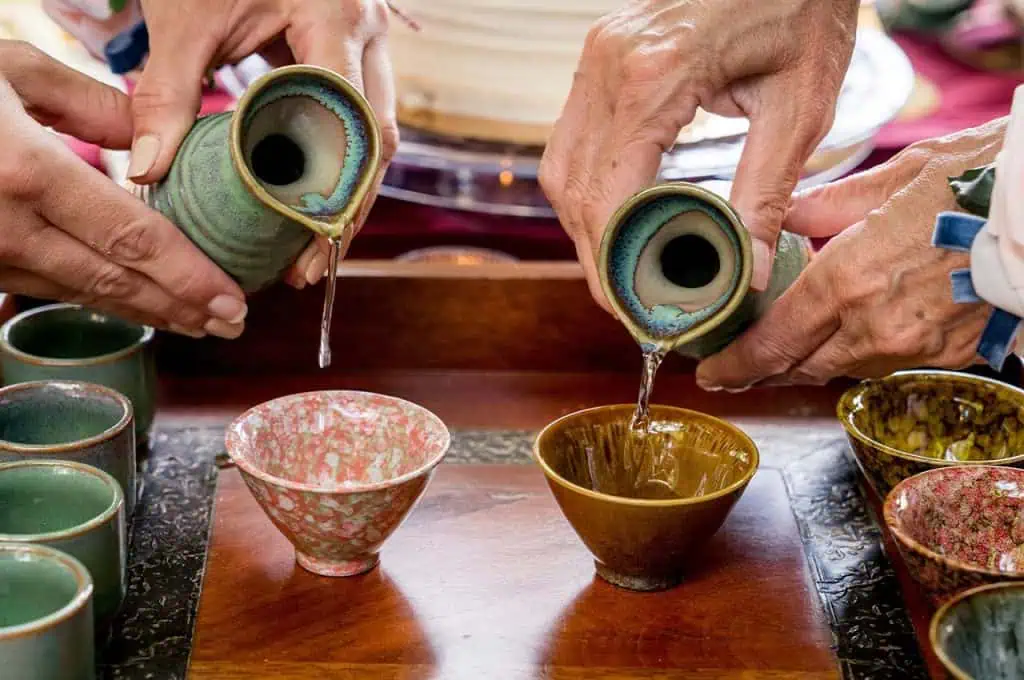
Sake, crafted from polished rice, offers a range of flavors from sweet to dry, influenced by brewing techniques and rice milling degree. Served warm, cool, or at room temperature, sake’s nuanced taste demands precise selection based on accompanying dishes. Savory aromas in a junmai pair well with rich foods, while a delicate daiginjo enhances lighter fare. Maintain its subtlety by not over-chilling or overheating, preserving its fragrant bouquet and smooth texture.
Flat White: Australia and NZ Coffee Claim

A flat white is a harmonious blend of espresso and steamed milk, revered in both Australia and New Zealand. To create this creamy delight, start with a robust double shot of espresso, extracted within 25-30 seconds for optimal flavor. The milk should be microfoamed, not frothy, maintaining a velvety texture that integrates seamlessly with the coffee. Heat the milk to around 60-65°C to preserve sweetness and avoid scalding. When pouring, aim for an even mix, allowing the crema and silky milk to form a smooth, inviting surface, a testament to precision and technique in espresso artistry.
