
10 Wild Food Creations Social Media Made Famous in the Last Decade
In the last decade, social media fundamentally changed how food trends emerge and spread. Instead of chefs or restaurants setting the agenda, everyday users drove curiosity through short videos, dramatic visuals, and shock value. Foods that once seemed impractical or absurd gained massive followings because they were eye-catching, emotionally engaging, or strangely satisfying to watch. Many of these creations didn’t fade away after going viral; they influenced how food is presented, marketed, and even expected to behave in modern eating culture.
Cloud Bread

Cloud bread went viral because it looked almost unreal. Its airy structure, pastel colors, and exaggerated softness made it more spectacle than sustenance. Made mostly from whipped egg whites and sugar, it offered little flavor complexity, yet millions tried it anyway. The appeal wasn’t taste but transformation, watching simple ingredients become something visually impossible. Cloud bread proved that social media rewards foods that feel magical, even if they don’t earn a permanent place on the plate.
Freakshake Milkshakes
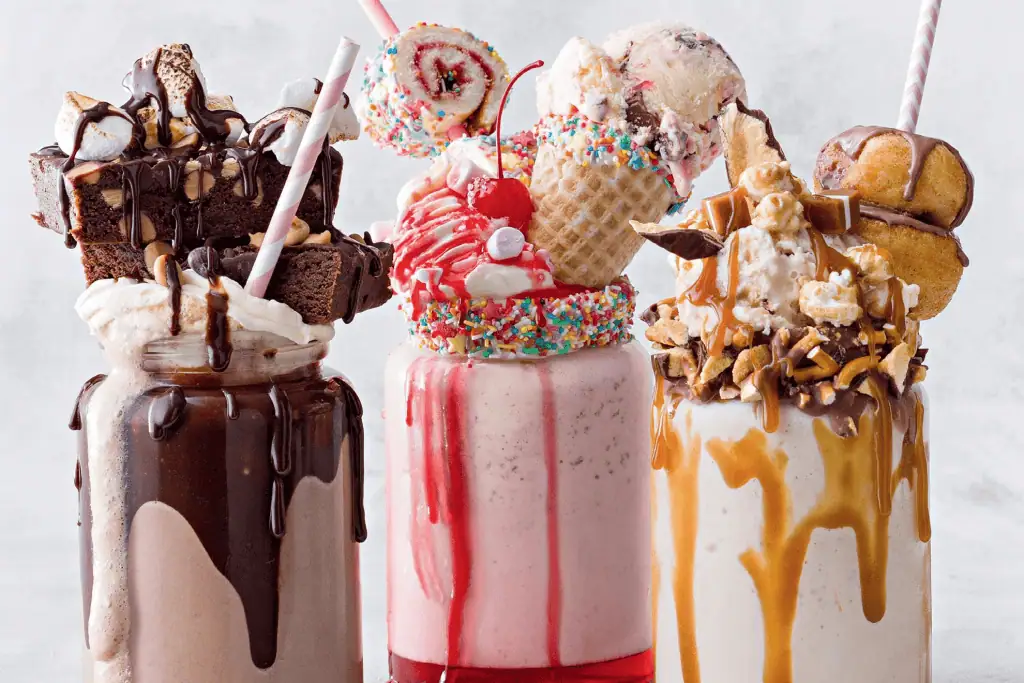
Freakshakes redefined indulgence by pushing milkshakes beyond drinkable desserts into full visual events. Towering toppings, dripping sauces, and entire pastries stacked on top turned a simple treat into a performance. Most people never finished one, but that wasn’t the point. Freakshakes influenced dessert culture by normalizing excess and spectacle, encouraging restaurants to design dishes for photos rather than practicality, a shift that still shapes modern dessert presentation.
Ramen Burgers
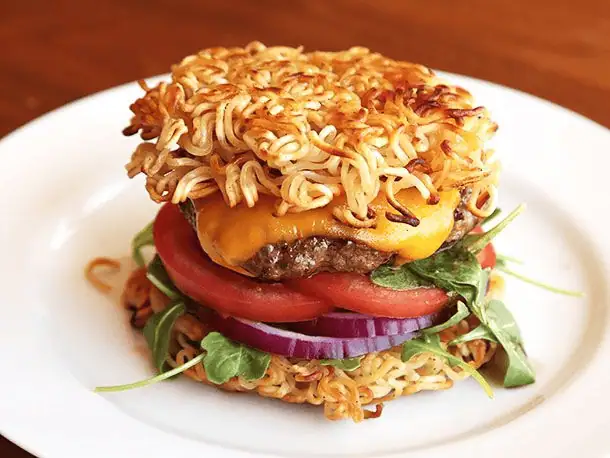
Ramen burgers captured attention by merging two comfort foods into a single, unexpected form. Replacing bread with compressed noodle patties created a chewy, crispy texture that fascinated viewers. While difficult to eat regularly, the novelty sparked widespread experimentation. The ramen burger symbolized a broader trend of mashups driven by curiosity rather than tradition, showing how social media encouraged boundary-pushing combinations that challenged what foods were “allowed” to become.
Rainbow Bagels
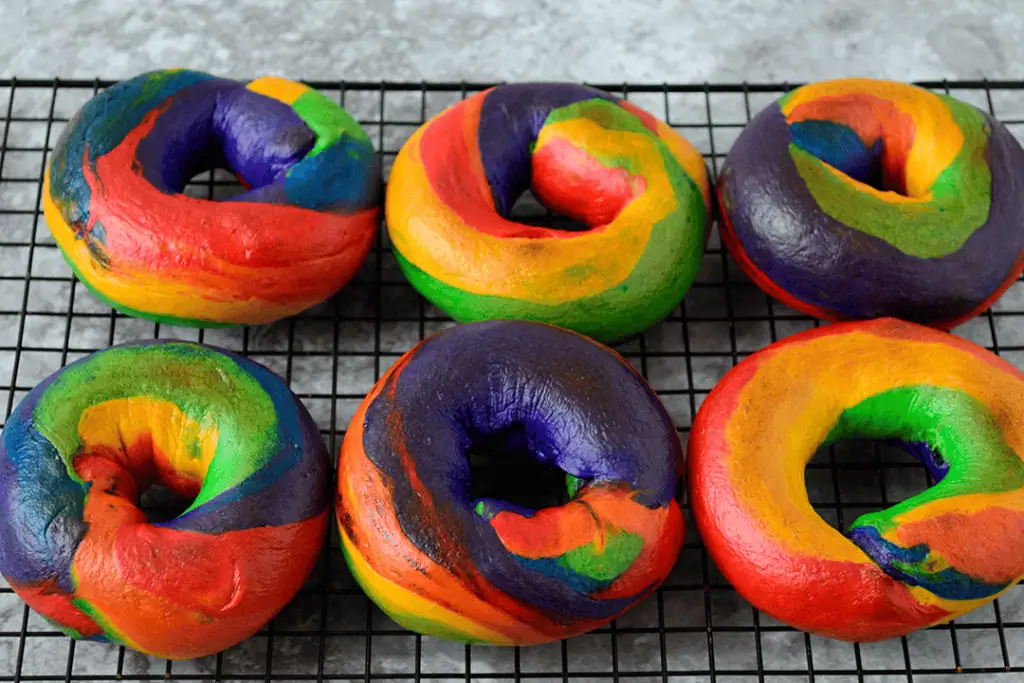
Rainbow bagels turned a basic staple into a visual surprise. The moment of slicing the bagel open became the experience, revealing vibrant swirls hidden beneath a plain exterior. Flavor stayed familiar, but appearance drove obsession. This trend showed how color alone could revive interest in everyday foods. Bakeries everywhere began experimenting with visual twists, proving that novelty doesn’t always require reinventing taste, just how food looks.
Charcoal Ice Cream

Charcoal ice cream shocked audiences with its jet-black color, defying expectations of what dessert should look like. Activated charcoal added drama and sparked debate over health claims, even when benefits were overstated. The lasting impact wasn’t nutritional, but aesthetic. Charcoal ice cream helped normalize unconventional colors in sweets, opening the door for darker, bolder dessert visuals that continue to influence ice cream and pastry trends.
Giant Mozzarella-Stuffed Foods
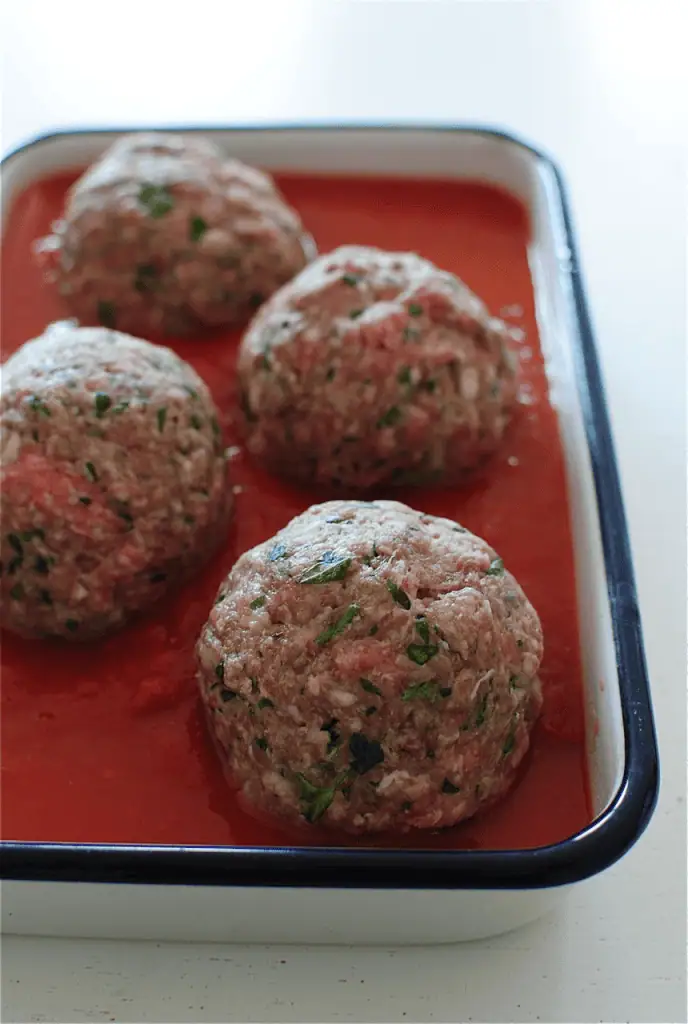
Mozzarella-stuffed foods thrived on one irresistible moment: the cheese pull. Oversized fillings created dramatic reveals that rewarded slow-motion video and repeat viewing. From meatballs to bread loaves, excess became the selling point. This trend reinforced how texture, especially stretchiness, became central to viral success. Even after peak hype, the expectation of visible, dramatic texture remains deeply embedded in food marketing.
Sushi Burritos
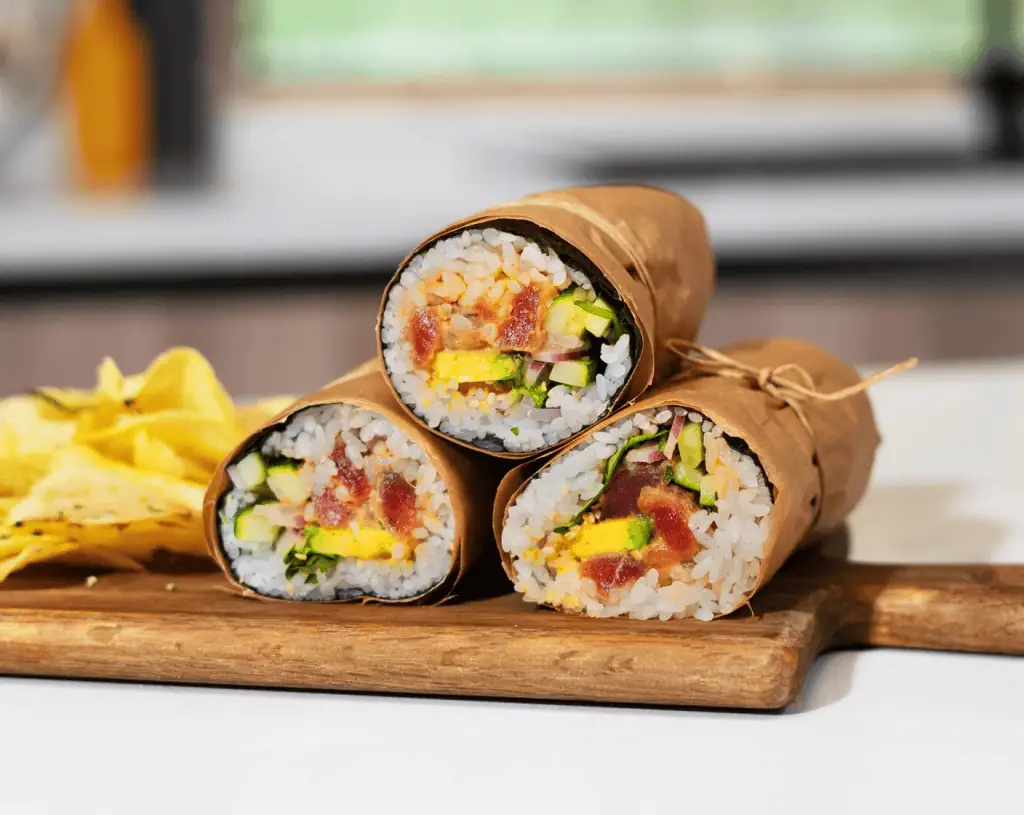
Sushi burritos blended traditional flavors with modern convenience. Oversized rolls wrapped like burritos made sushi casual, portable, and less intimidating. Social media amplified their appeal by showing how familiar flavors could be eaten differently. The trend helped normalize fusion foods that prioritize format over tradition, influencing how people accept nontraditional presentations of culturally rooted cuisines.
Butter Boards
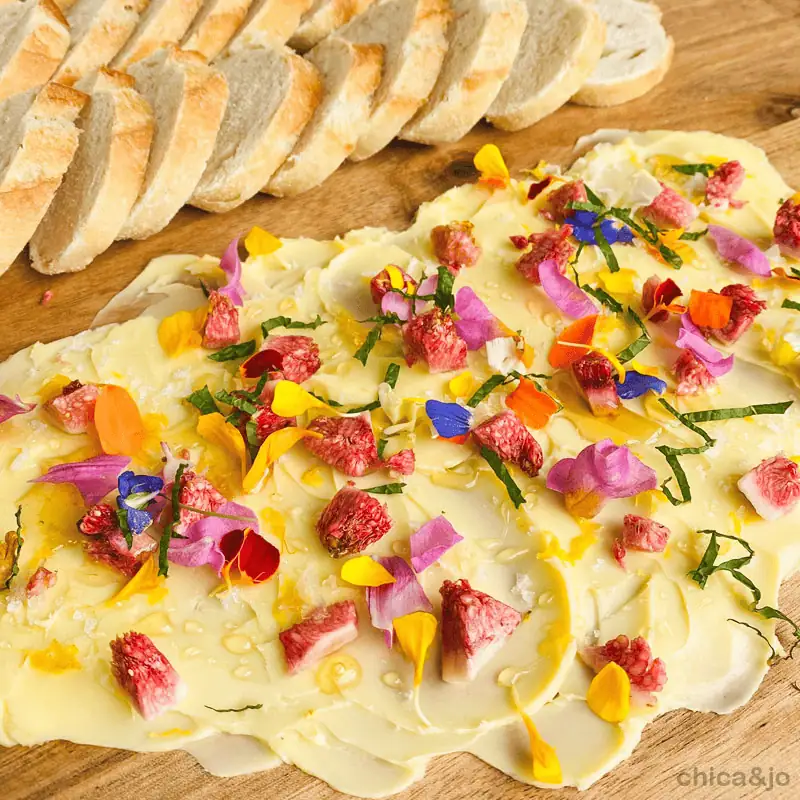
Butter boards resurfaced by reframing butter as the centerpiece rather than a supporting player. Spread across boards and topped with herbs, spices, and edible flowers, they transformed a basic ingredient into a social ritual. The trend leaned heavily on nostalgia and abundance. Butter boards influenced home entertaining by encouraging shared, visually rich spreads that feel indulgent yet simple, redefining how people present communal foods.
Dalgona Coffee
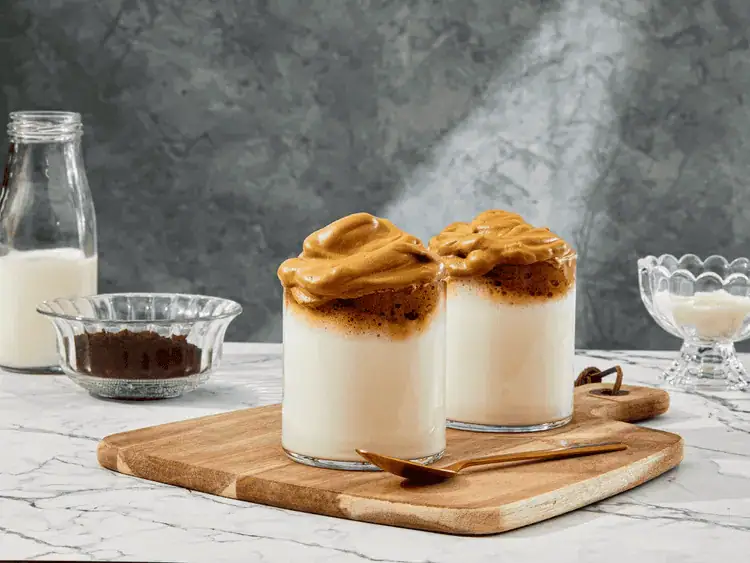
Dalgona coffee went viral during lockdowns because it was visually satisfying, simple, and accessible. Whipping instant coffee into a fluffy cloud created a clear payoff that anyone could replicate. The trend thrived on repetition, as millions recreated the same motion and result. Dalgona coffee showed how participation itself could drive virality, turning food trends into shared global experiences rather than isolated novelties.
Pickle Everything

Pickle-flavored creations exploded online by embracing extremes. From pickle pizza to pickle soda, these foods thrived on strong reactions rather than broad appeal. Social media rewarded boldness, and pickle trends capitalized on sour, salty intensity that divided audiences. This wave expanded tolerance for aggressive flavors and encouraged brands to experiment beyond safe profiles, reshaping how far mainstream taste is willing to go.
