
7 Climate-Friendly Foods Americans Can Start Cooking in 2026
As climate awareness grows, American home cooking is shifting in realistic, achievable ways rather than radical overhauls. Research from the U.S. Environmental Protection Agency and the United Nations Food and Agriculture Organization consistently shows that ingredient choice especially protein sources and food waste reduction plays a major role in food-related emissions. In 2026, climate-friendly eating isn’t about perfection. It’s about choosing foods that use fewer resources, store well, and fit into everyday American kitchens without sacrificing comfort or flavor.
Lentils

Lentils are one of the most climate-efficient protein sources available, requiring far less water and land than animal proteins. According to FAO data, legumes also improve soil health by fixing nitrogen naturally, reducing the need for synthetic fertilizers. For American households, lentils are affordable, shelf-stable, and adaptable to soups, stews, tacos, and salads. Their mild flavor makes them easy to season, while their high protein and fiber content keep meals satisfying without relying on meat-heavy recipes.
Oats

Oats have a significantly lower environmental footprint than most animal-based breakfast foods, especially compared to dairy- or meat-centric options. Studies frequently cite oats as a low-input crop that grows efficiently in temperate climates like much of the U.S. In 2026, oats fit perfectly into climate-aware cooking because they’re versatile beyond breakfast, used in savory bowls, baking, and meat extenders. Their long shelf life also reduces food waste, making them both economical and sustainable.
Beans (Dry or Canned)

Beans consistently rank among the most climate-friendly staple foods due to their low greenhouse gas emissions and minimal water requirements. The EPA notes that shifting toward plant-based proteins like beans can significantly reduce dietary emissions. In American kitchens, beans are already familiar and culturally flexible, working across cuisines from chili to rice dishes. Canned options increase convenience, while dry beans offer cost savings, making them an easy upgrade without lifestyle disruption.
Seasonal Vegetables
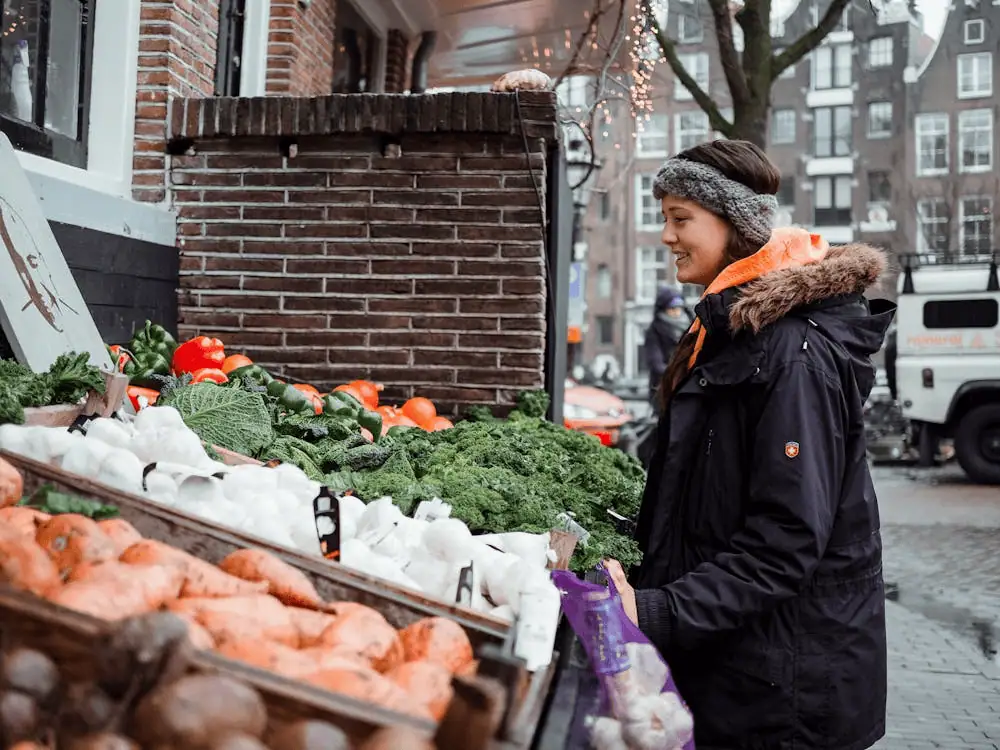
Cooking with seasonal vegetables reduces emissions tied to long-distance transportation and energy-intensive greenhouses. USDA agricultural data shows that produce grown in-season typically requires fewer inputs and costs less. In 2026, seasonal cooking aligns with budget awareness as much as climate goals. Families naturally rotate menus based on availability, squash in winter, tomatoes in summer, without framing it as sustainability. This approach also improves flavor and freshness while lowering environmental impact.
Eggs

While not plant-based, eggs have a much lower carbon footprint than beef, lamb, or pork when evaluated per gram of protein. Research cited by FAO places eggs among the most efficient animal proteins. For Americans unwilling to eliminate animal products, eggs offer a climate-friendlier compromise. They’re versatile, affordable, and quick to cook, making them ideal for meals that replace higher-impact meats without feeling restrictive or unfamiliar.
Potatoes

Potatoes are one of the most efficient calorie crops globally, producing more food per acre with lower emissions than many grains. Agricultural studies consistently highlight potatoes for their high yield and relatively low resource use. In American cooking, they’re deeply embedded in comfort food culture. In 2026, potatoes support climate-friendly cooking by being filling, inexpensive, and flexible across cuisines, reducing reliance on processed or resource-heavy alternatives.
Rice (Used Thoughtfully)
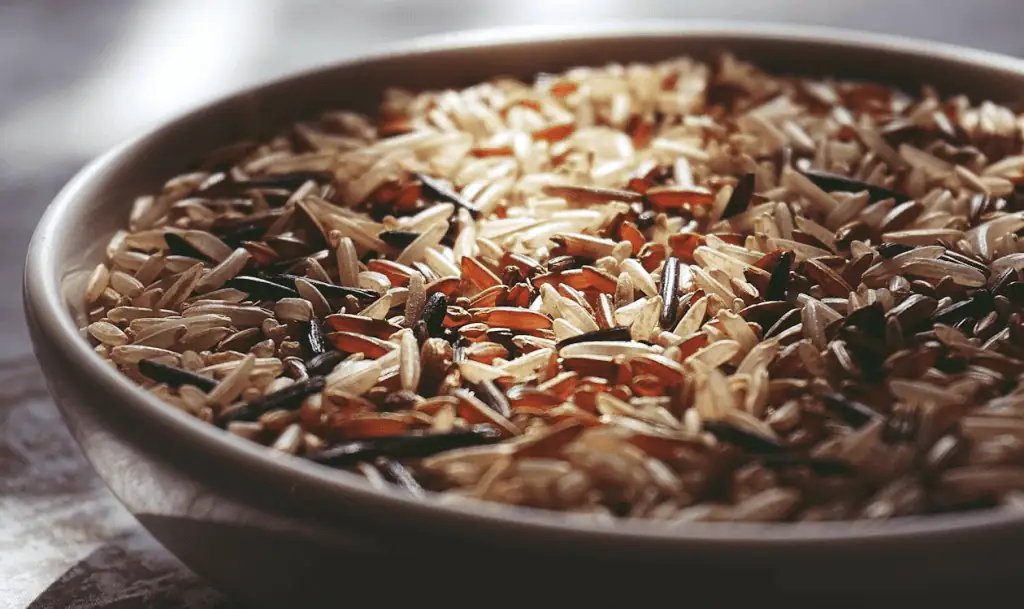
Rice has a higher emissions profile than some grains due to methane from flooded fields, but research shows that portion control and variety matter more than elimination. Organizations like FAO emphasize balanced dietary shifts rather than single-ingredient bans. In 2026, Americans can cook rice more climate-consciously by pairing smaller portions with beans and vegetables or choosing varieties grown with improved water management practices. Used thoughtfully, rice remains a practical staple rather than a sustainability contradiction.
