
10 Ingredients Ancient Civilizations Relied On That Are Trending Again Worldwide
Examining the ingredients from ancient civilizations reveals a connection to modern culinary trends. As chefs and home cooks alike search for nutrient-rich and versatile options, many ancient grains and seeds are regaining popularity. These ingredients, once foundational to diets across the world, offer unique flavors and nutrition profiles, encouraging innovative uses in the contemporary kitchen.
Quinoa: Ancient Incan Supergrain Revived

Quinoa, treasured by the Incas as “the mother of all grains,” is a versatile pseudo-cereal known for its nutty flavor and high protein content. Rinse it thoroughly to remove saponins, a natural coating with a bitter taste. Once cooked, it provides a delicate texture, perfect as a base for salads or hearty grain bowls. Quinoa’s ability to absorb flavors makes it an ideal component in pilafs and side dishes, providing both depth and sustenance to meals.
Amaranth: Aztec Staple Making a Comeback

With tiny, protein-packed grains, amaranth was a prized crop among the Aztecs. Its earthy, mildly sweet flavor stands out when toasted, enhancing its natural nuttiness. Amaranth can be simmered to a porridge-like consistency for breakfast, or popped like popcorn for a crunchy snack. Use it to thicken soups and stews, or blend it into gluten-free baking, where its distinct taste and nutritional benefits elevate any dish.
Chia Seeds: Aztec Power Food on Trend
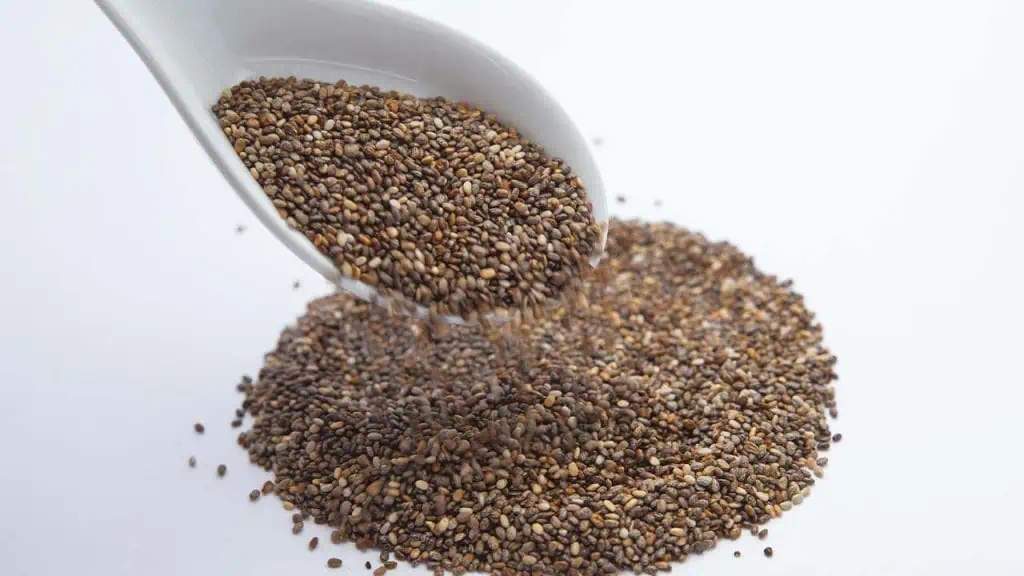
Once a staple in Aztec diets, chia seeds are experiencing renewed interest due to their high omega-3 fatty acid content and gel-forming ability. When hydrated, they add thickness to foods, making them ideal for puddings or smoothies. Stir them into yogurt, or combine with liquids to create egg substitutes in vegan baking. Their mild flavor allows them to seamlessly integrate into both sweet and savory recipes, enhancing nutrition without overpowering the dish.
Farro: Roman Grain’s Modern Reclamation
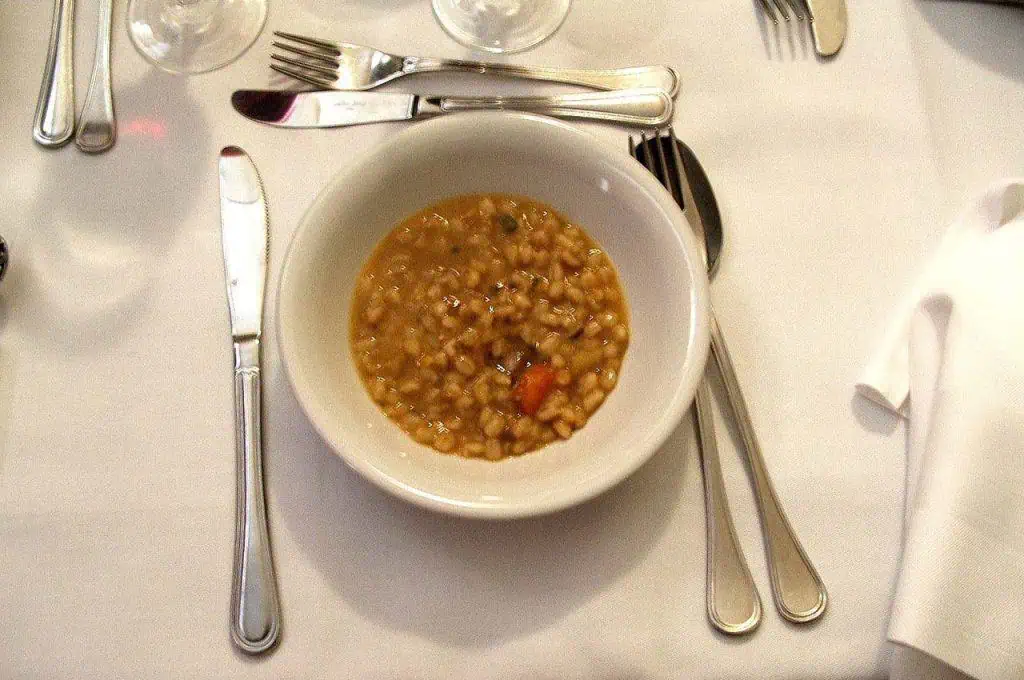
A favorite among Romans, farro is a nutty, chewy grain packed with fiber and protein. It holds its structure when cooked, making it superb for salads and risottos. To prepare, soak overnight or simmer until tender, enhancing it with aromatic herbs or broths. Equipped with a rich, nutty flavor, farro works well as a base for hearty soups or as a side to roasted meats, effortlessly blending the ancient with the modern in texture and taste.
Olive Oil: Mediterranean Classic for All Ages

Olive oil, a cornerstone of Mediterranean cuisine, continues to captivate chefs and home cooks alike with its rich, fruity flavor and versatility. Selecting extra virgin olive oil can enhance dishes with a subtle peppery finish. For cooking, use refined olive oil to withstand higher heat without losing its beneficial properties. Drizzle over salads or warm, crusty bread, where its fresh, grassy notes shine. Proper storage, away from light and heat, ensures freshness and maximizes its antioxidant benefits. Quality olive oil elevates simple dishes, offering depth and richness.
Figs: Sweet and Nutrient-Rich Revival
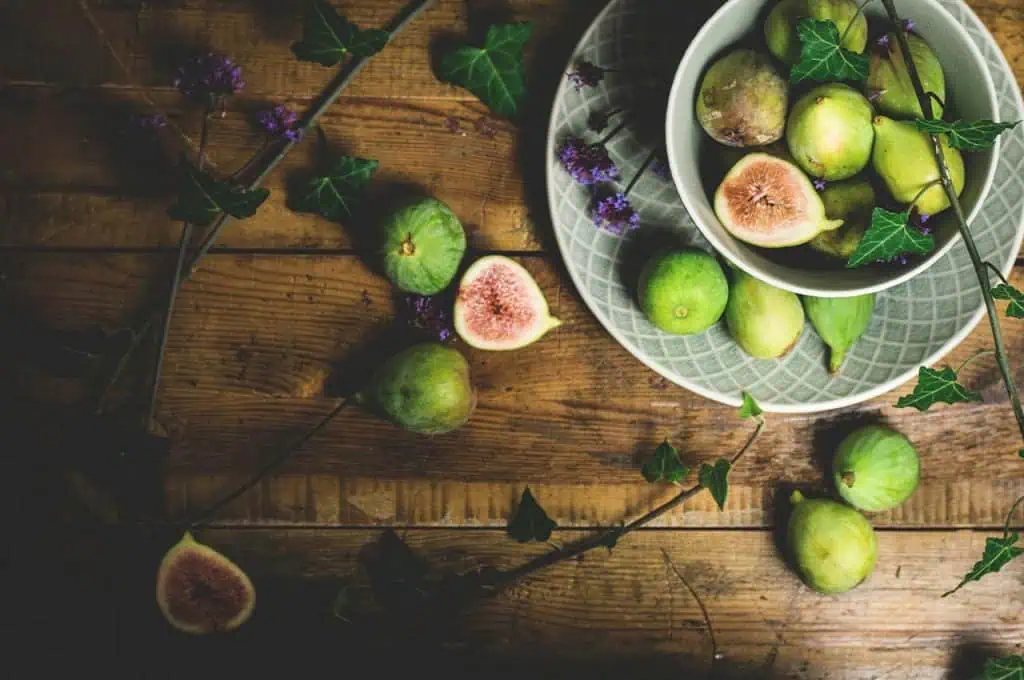
Figs, celebrated since ancient times, are experiencing a resurgence due to their natural sweetness and nutritional benefits. Choose ripe figs with soft, yielding flesh for the best flavor. Fresh figs are ideal for salads, paired with tangy cheeses or nuts to enhance their honey-like taste. Dried figs offer concentrated sweetness, perfect for baking or simmering into jams. High in fiber and antioxidants, figs add complexity to both sweet and savory dishes. Store them in a cool place to preserve their delicate texture and vibrant flavor.
Barley: The Egyptian and Mesopotamian Staple
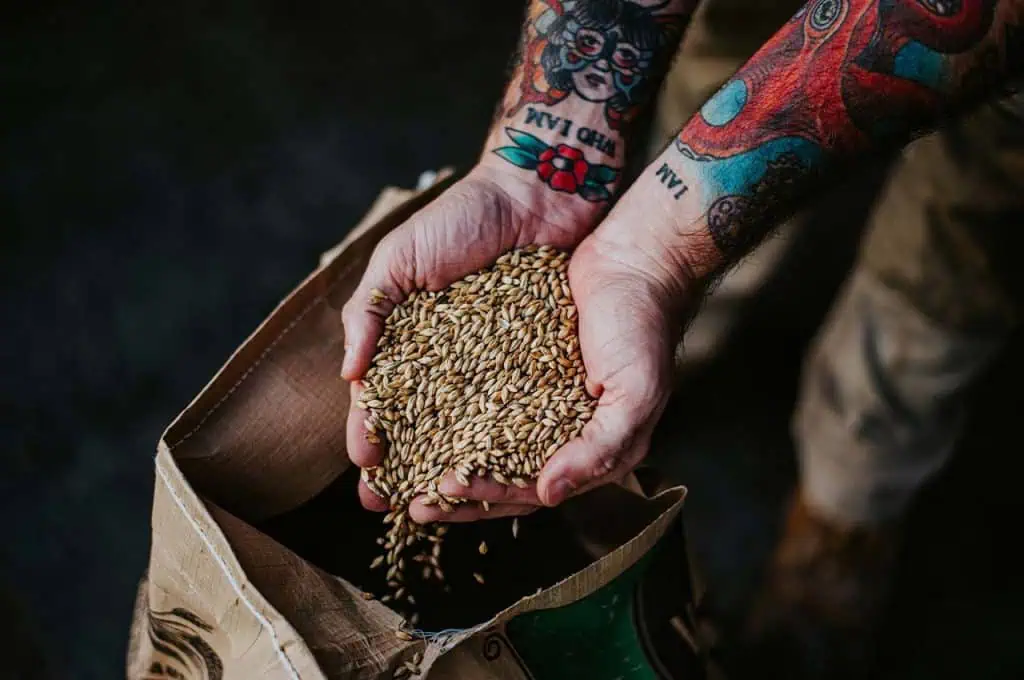
Once a staple in Egyptian and Mesopotamian diets, barley is regaining popularity as a versatile grain with a nutty flavor. Its chewy texture makes it an excellent addition to soups, risottos, and grain bowls. Cooking barley requires patience; simmer it until tender, and let it sit covered off-heat to absorb any remaining liquid. This technique enhances its texture and flavor. Its high fiber and beta-glucan content contribute to a healthy diet, making it an ideal choice for those seeking hearty, satisfying meals.
Spirulina: Protein-Rich Algae Rediscovered

Spirulina, an ancient nutrient source, is now a sought-after superfood, celebrated for its high protein and vitamin content. Its vibrant green hue and mild sea-like flavor make it ideal for smoothies, energy bars, and nutrient-packed bowls. A teaspoon mixed into drinks or dressings adds a nutritional boost without overpowering flavors. Rich in antioxidants and anti-inflammatory properties, spirulina supports a balanced diet. Store it in a cool, dark place to maintain its potency and vibrant color, crucial for culinary and health benefits.
Dates: Middle Eastern Staple’s New Role
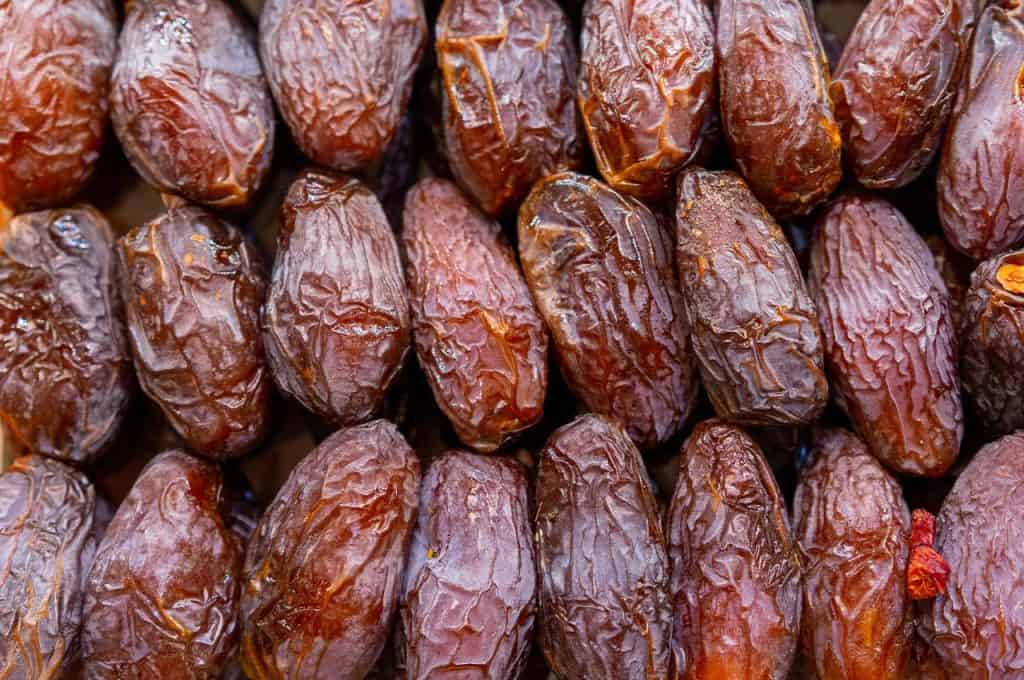
Dates, long cherished in Middle Eastern cuisine, are finding renewed popularity worldwide. Their natural caramel sweetness, paired with a chewy texture, makes them ideal for sweet and savory dishes alike. For baking, blend dates into purees to sweeten pastries or create luxe sauces. When planning a charcuterie board, incorporate whole dates for a delightful contrast of flavors and textures alongside cheeses and cured meats. Rich in fiber and essential minerals, dates offer a wholesome, naturally sweet option for diverse culinary applications.
Pomegranate: Persia’s Symbolic Fruit Resurfaces
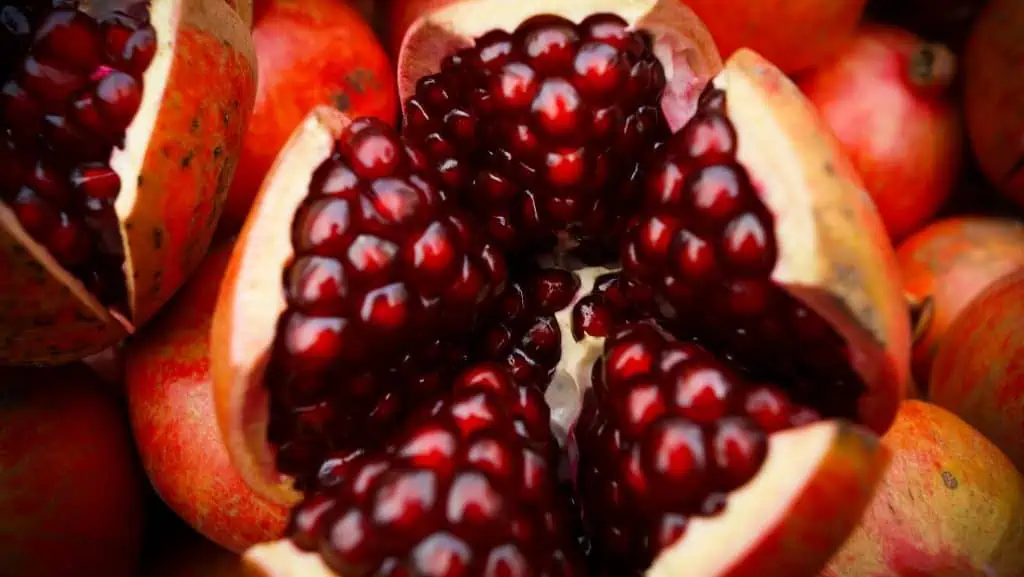
Pomegranate, with its gem-like seeds and vivid juice, once symbolized prosperity in ancient Persia. Today, it’s trending for both its vibrant flavor and nutritional benefits. To prepare, score the fruit’s tough skin and gently pry it open in water. This prevents splatters and makes it easier to dislodge the seeds. Use a mix of sweet and savory applications, like adding them to salads for a burst of tartness or reducing their juice to a syrupy glaze for meats. The seeds lend a crunchy texture, while the juice provides a complex astringency, perfect for modern palates seeking traditional depth.
