
The Future of Flavor: Can Technology Ever Replace the Human Palate?
As technology reshapes every corner of our lives, scientists are now trying to teach machines how to taste. From AI-powered recipe creators to digital sensors that mimic the tongue, flavor technology is advancing faster than ever. But can data and algorithms really capture what makes food delicious? Here’s how innovation is transforming the future of flavor and why the human palate may still reign supreme.
AI-Driven Recipe Development
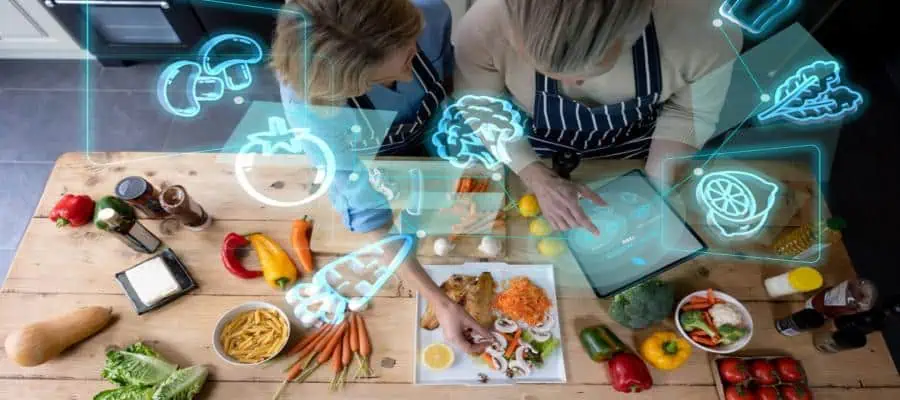
Artificial intelligence is now generating entire recipes based on millions of flavor combinations. Systems analyze ingredient chemistry, regional cuisines, and nutritional profiles to craft new dishes. Companies like IBM’s Chef Watson have shown that AI can invent creative pairings, though not all taste buds agree with its unconventional choices.
Smart Flavor Sensors and E-Tongues
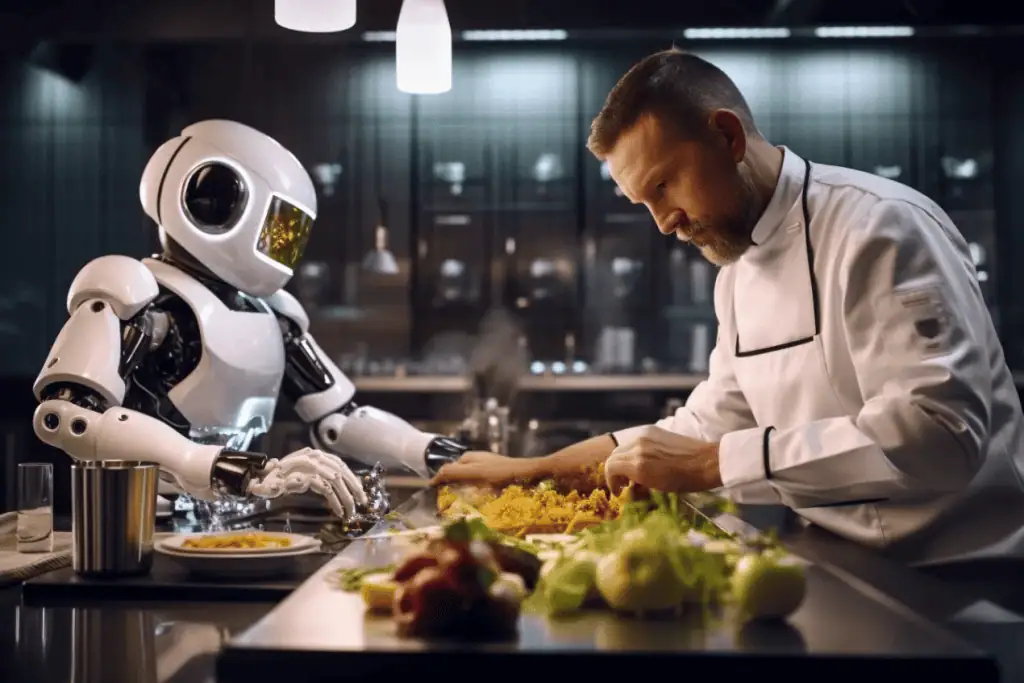
Electronic tongues, or “e-tongues,” use chemical sensors to detect sweetness, bitterness, and acidity just like human taste buds. These devices help beverage and snack companies test flavor accuracy before products hit shelves. While they can measure balance precisely, they still struggle with subjective sensations like nostalgia or comfort.
AI in Beverage Creation
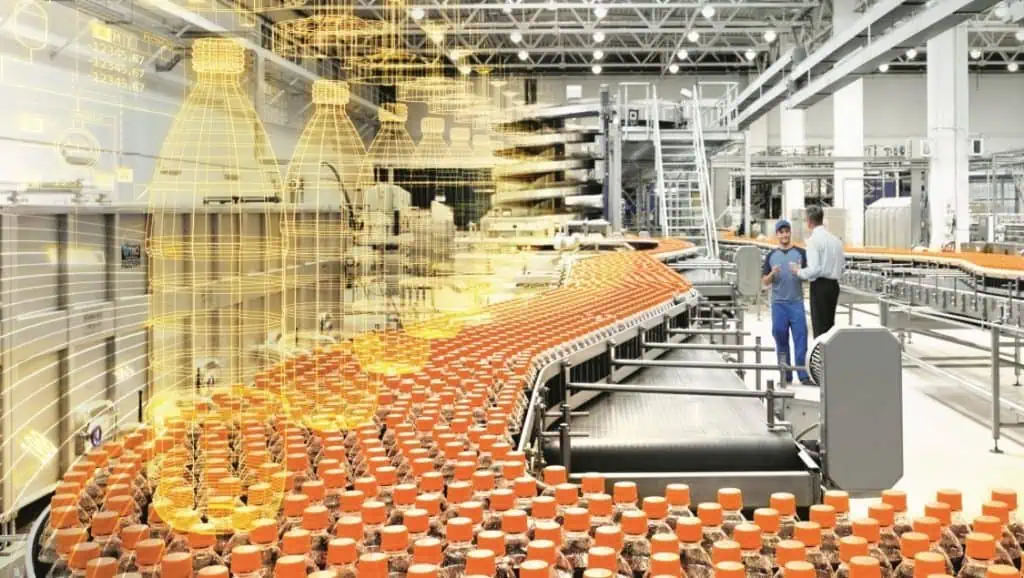
From craft beer to coffee blends, brewers are now turning to algorithms to design flavor profiles. AI evaluates fermentation time, temperature, and aroma compounds to predict which recipes will perform best. Coca-Cola and PepsiCo have both experimented with such systems to develop limited-edition drinks with optimized flavor appeal.
Machine-Learning Mixologists
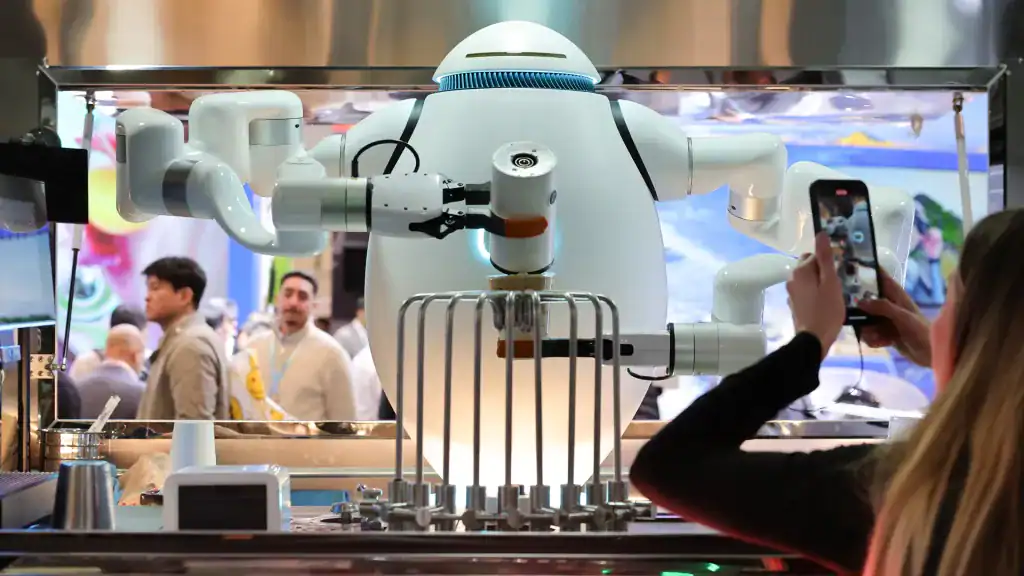
Cocktail bars are experimenting with robotic bartenders that use AI to learn customer preferences. By analyzing past orders, they create personalized drinks with precise proportions. While the taste may be consistent, many patrons still miss the artistry and intuition that come from a skilled human bartender.
Digital Taste Mapping
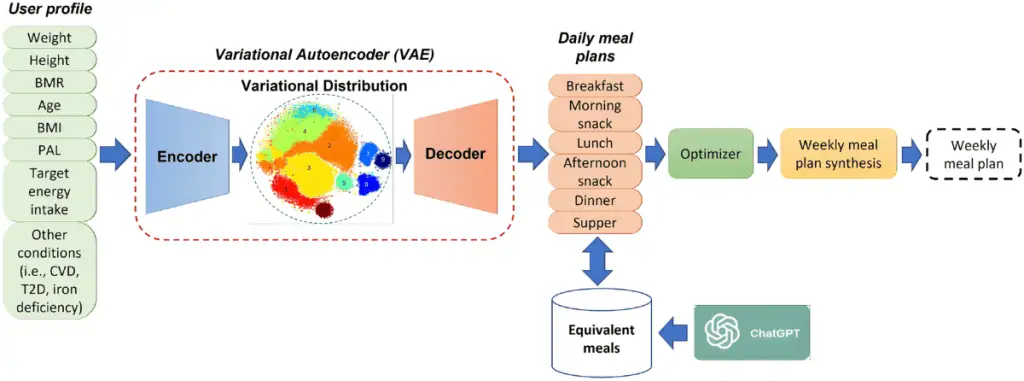
Researchers are building “taste databases” that break down foods into molecular signatures. AI models then use this data to recommend pairings or create balanced menus. This could change how chefs experiment, turning cooking into a more data-driven science while still relying on humans for the creative spark behind each dish.
Personalized Nutrition Through AI

Food tech companies are using machine learning to craft diet plans based on DNA, gut microbiome, and taste preferences. The goal is to create meals that are both flavorful and health-optimized. Yet, even with perfect data, the emotional side of eating joy, memory, and craving remains uniquely human.
3D-Printed Meals and Texture Simulation
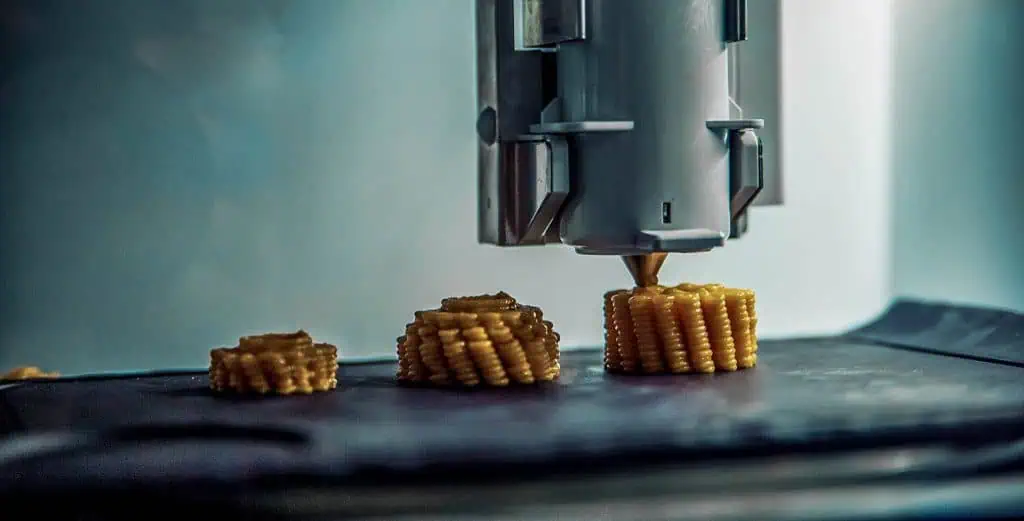
3D food printers can now recreate textures like steak or pasta using plant-based materials guided by AI design. The technology allows for customized nutrition and stunning presentation, but texture one of the hardest parts of taste is still difficult to perfect without human sensory judgment.
Virtual Reality Dining Experiences

Restaurants and tech startups are combining VR with food to enhance flavor perception. By changing visuals, sounds, and aromas, they can trick the brain into experiencing new taste sensations. It’s an exciting blend of science and art, yet these illusions only amplify flavors; they can’t create them from nothing.
AI Food Critics and Review Models

New AI models analyze restaurant reviews and ingredient data to predict how diners will rate a dish. These systems can help chefs refine menus before opening night. However, emotion, culture, and surprise key ingredients in dining satisfaction still belong to human experience, not computation.
Why Humans Still Taste Best

Technology can measure, analyze, and replicate aspects of taste, but it cannot feel hunger, joy, or nostalgia. The human palate connects flavor to emotion and memory in ways that no algorithm can mimic. Machines may help refine what we eat, but the soul of flavor the spark that makes food unforgettable remains human.
