
When Abundance Backfires: The Psychology of Having Too Much Food Choice
In today’s food world, options are endless, dozens of sauces, snacks, and menu customizations at every turn. While variety should bring joy, psychology suggests it can also create stress and indecision. From grocery aisles to restaurant menus, abundance may be silently shaping how we eat and feel. Here’s why having too many food choices can sometimes leave us less satisfied.
The Paradox of Choice

Psychologists describe “choice overload” as the point where too many options cause frustration rather than freedom. In food contexts, this means the thrill of variety can quickly turn into decision fatigue. Instead of savoring the meal, diners often worry about whether they made the best possible choice, and that anxiety dulls enjoyment.
From Excitement to Exhaustion

A long menu once signified abundance, but studies show it can also drain mental energy. The brain works harder to compare sauces, toppings, or meal deals, and small differences feel overwhelming. This cognitive strain leads people to rush decisions or stick to the same order every time, defeating the very idea of variety.
Regret After Ordering
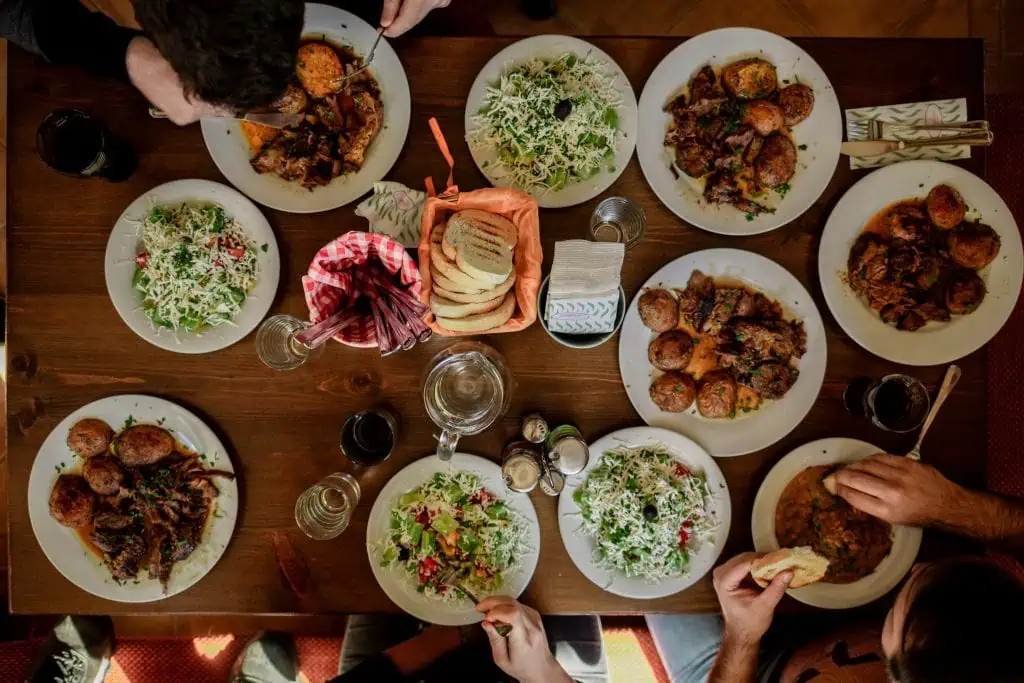
When faced with dozens of tempting dishes, diners often second-guess themselves once the food arrives. This “post-choice regret” makes people less satisfied even when the meal tastes good. The abundance of alternatives means we can imagine other dishes we might have enjoyed more a uniquely modern dining dilemma.
Supermarkets and the Illusion of Freedom

Grocery stores stock thousands of similar products, from cereal to yogurt flavors. Though this feels like consumer empowerment, it often leads to impulsive purchases and dissatisfaction. Research suggests that people feel happier when choices are limited and curated quality over quantity creates more consistent delight.
Streaming-Style Menus and Food Apps

Delivery apps now mimic streaming platforms, offering endless scrolls of meals and cuisines. While this seems convenient, it encourages browsing over deciding. Users may spend more time comparing pictures than eating, creating a digital hunger cycle where the act of choosing replaces actual satisfaction.
Cultural Differences in Choice

Western societies often link freedom with having options, but many cultures value simplicity and trust in expert selection. In Japan or Italy, for example, shorter menus and seasonal offerings emphasize mastery and freshness over abundance. This contrast shows how cultural attitudes toward choice can shape both taste and happiness.
Emotional Overload and Eating Behavior
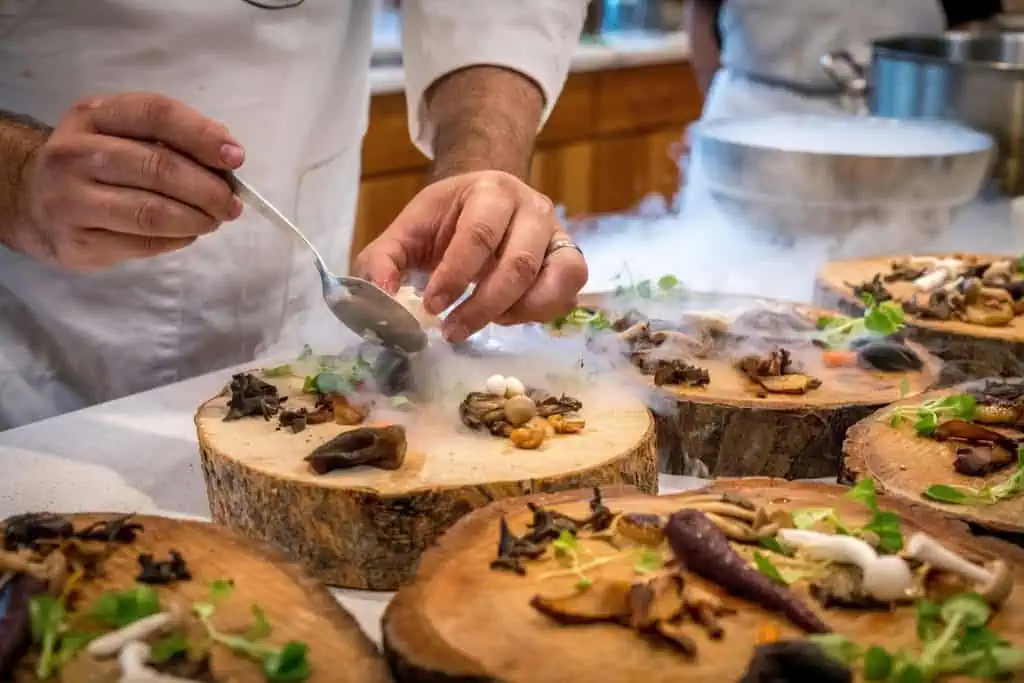
Too much choice can trigger anxiety that affects appetite itself. People under decision stress are more likely to overeat, snack aimlessly, or pick comfort foods. The emotional load of constant micro-decisions about what to eat, where, when, and how much can quietly erode mindful eating habits over time.
Minimalism on the Menu

Some modern restaurants are responding by simplifying their offerings. Set menus and chef’s selections reduce decision fatigue while enhancing the sense of discovery. By limiting options, diners focus more on texture, aroma, and presentation returning food from a mental puzzle to a sensory experience.
The Rise of Curated Food Brands
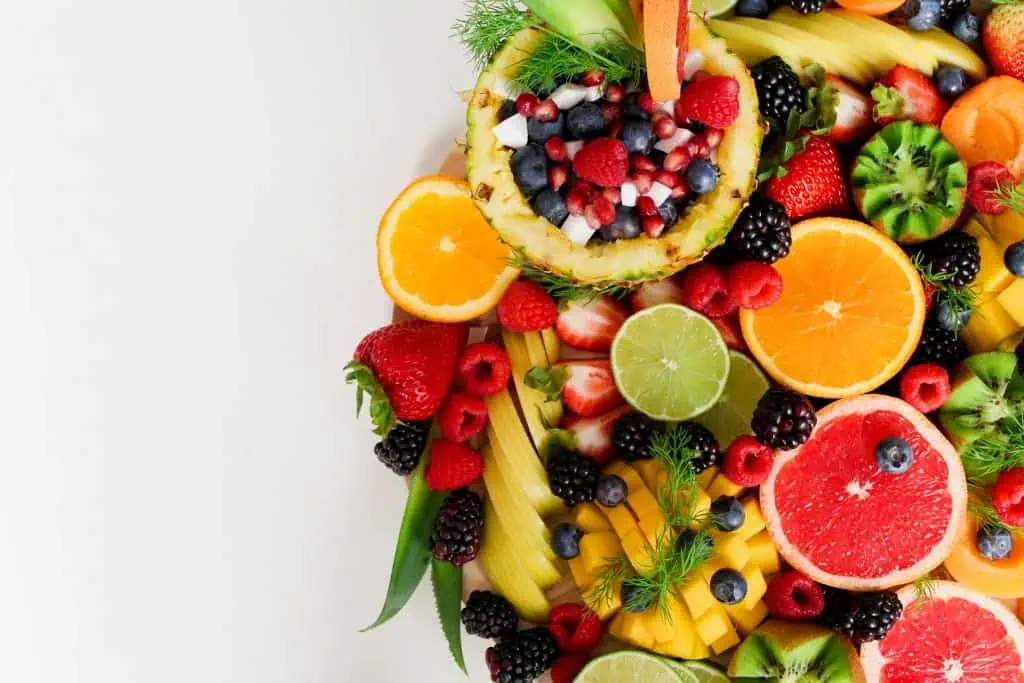
Meal-kit services and boutique food companies now use curation as a selling point. They offer fewer choices but emphasize freshness, quality, and storytelling. Customers find comfort in pre-selected excellence, proving that a guided experience can feel more personal than a wall of endless alternatives.
Finding Balance in Abundance
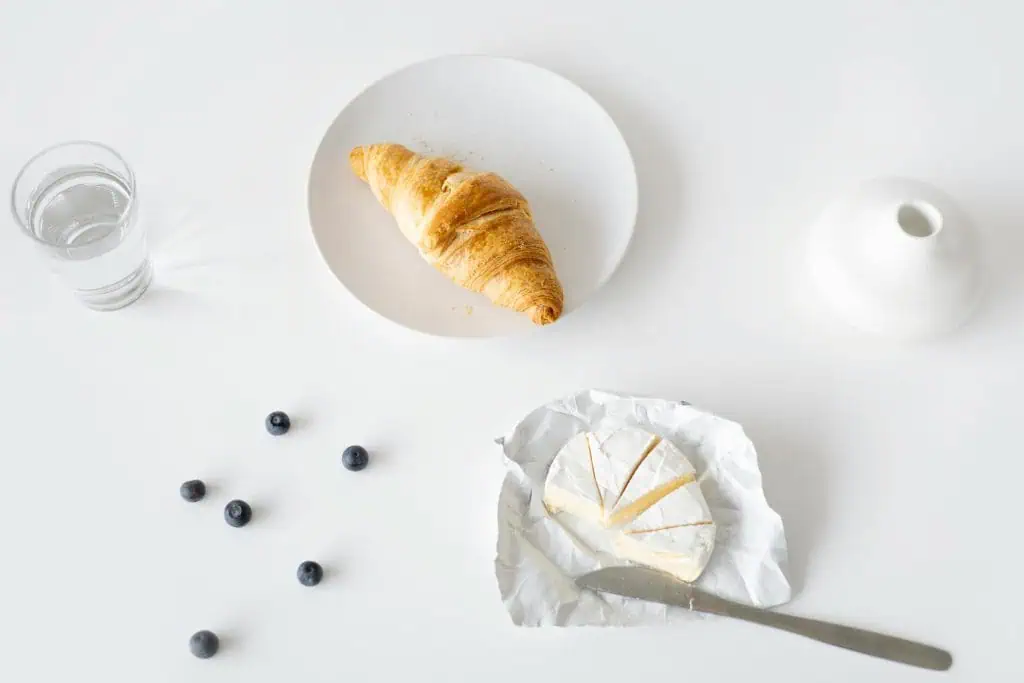
Variety will always be part of modern dining, but satisfaction depends on balance. Choosing fewer, meaningful options or letting experts decide can restore joy to eating. When every decision isn’t a competition, food becomes simpler, warmer, and more human again the way it was meant to be enjoyed.
