
Vintage Liquors That Defined Decades of American Drinking
In the realm of American cocktails, certain liquors stand out for shaping decades of drinking culture. Each era brought a spirit that echoed its societal backdrop, influencing taste and tradition. From the ingenuity of Prohibition to post-war indulgence, these drinks tell the story of evolving tastes and social dynamics, providing a liquid window into history. Understanding the context and preparation of these vintage liquors offers both a journey through time and a taste of nostalgia in every glass.
1920s: Bathtub Gin and Speakeasy Culture
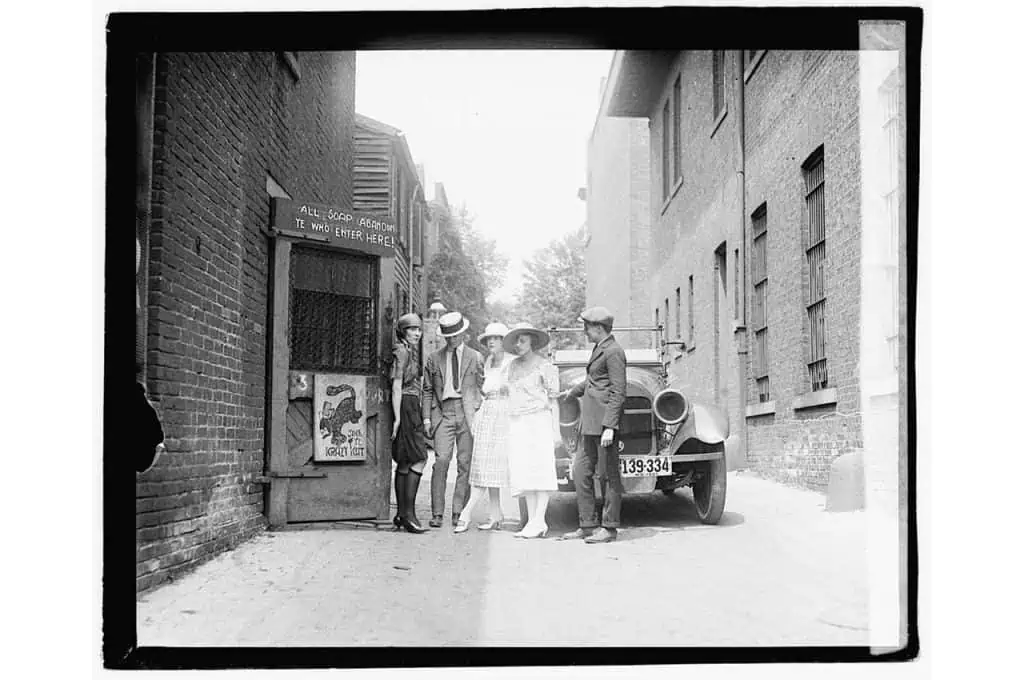
The 1920s marked the ingenuity of bootleggers crafting gin in homemade stills to quench the thirst of a nation under Prohibition. Bathtub gin, a mix of grain alcohol, water, and botanicals, became emblematic of the speakeasy era. The secret lay in balancing the harsh edge of the spirit with a medley of citrus, juniper, and other spices to mask impurities. Serve subtly in a coupe or shaken into a cocktail, like the classic gin rickey, to appreciate its rebellious charm. This era teaches us about infusing gin with creativity while achieving a balanced, smooth finish.
1930s: Rye Whiskey’s Post-Prohibition Revival
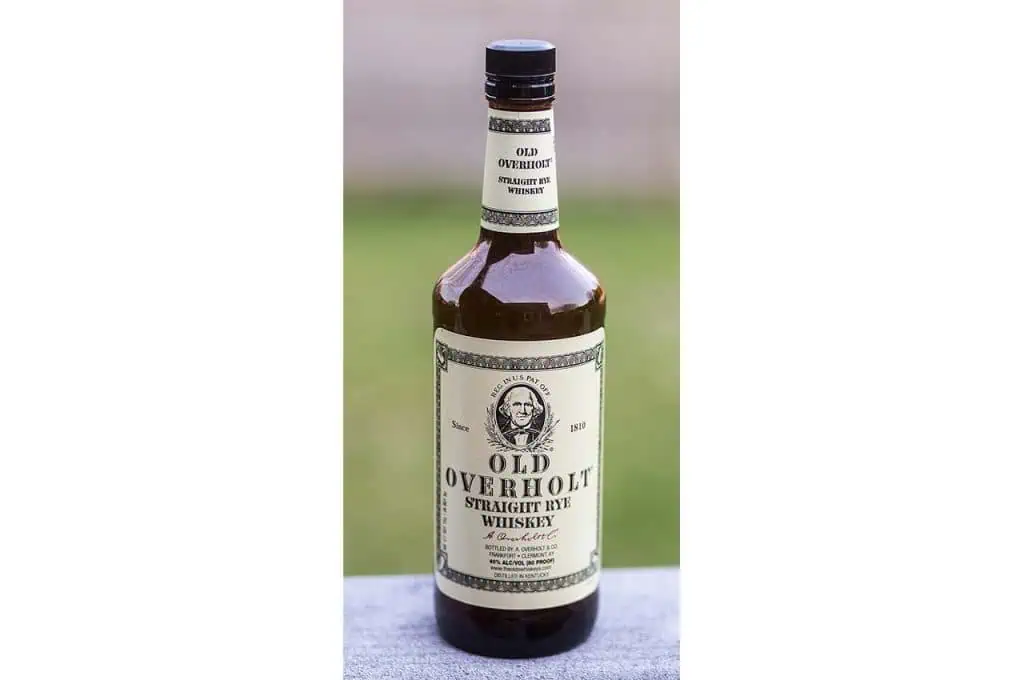
As Prohibition ended in the 1930s, rye whiskey experienced a renaissance. Offering a spicier, bolder profile, rye added depth and complexity to cocktails like the Manhattan. With its blend of spice and fruit notes, rye whiskey lent itself well to classic mixtures, highlighting the shift back to traditional, quality-driven spirits. To enhance its flavor, pair rye with vermouth and bitters, ensuring a harmonious balance that emphasizes its inherent warmth and robustness. The 1930s spotlight rye’s adaptability and its lingering allure in the cocktail realm.
1940s: Rum and Coca-Cola’s Wartime Popularity
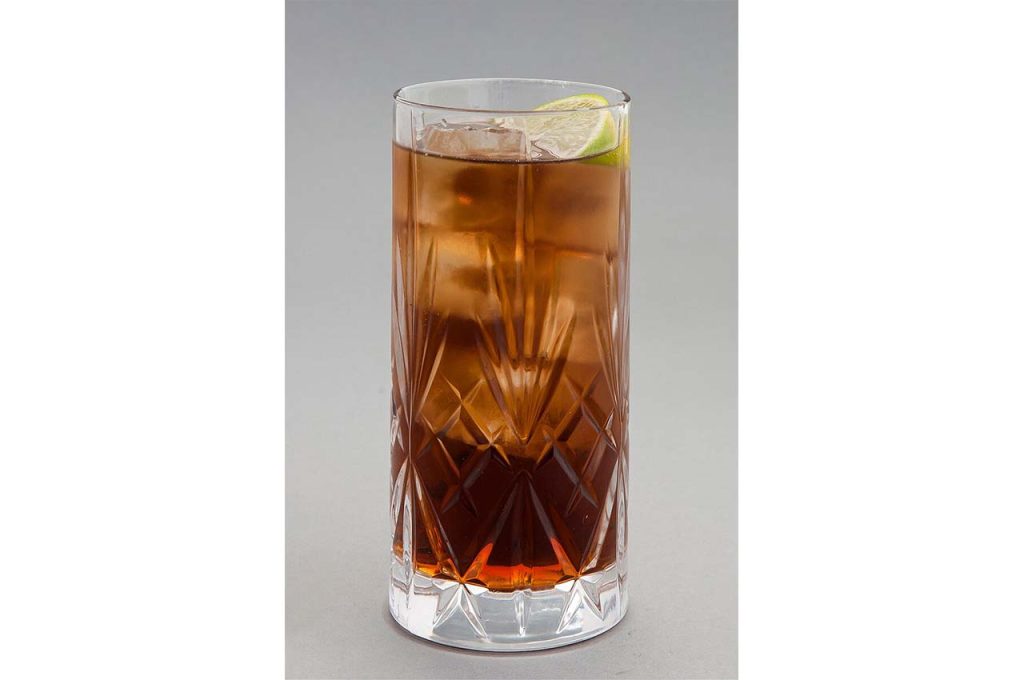
During the 1940s, rum surged in popularity, aided by wartime alliances with Caribbean countries. Rum and Coca-Cola became a symbol of camaraderie and easy enjoyment. The sweet caramel notes of rum, when combined with the effervescence of cola, created a drink that was both accessible and universally appealing. To elevate this simple mix, consider adding a squeeze of lime for an invigorating zest. Capturing the spirit of the era, these drinks remind us of the mix of simplicity and satisfaction that defined wartime relaxation.
1950s: Martinis and Sophisticated Sip
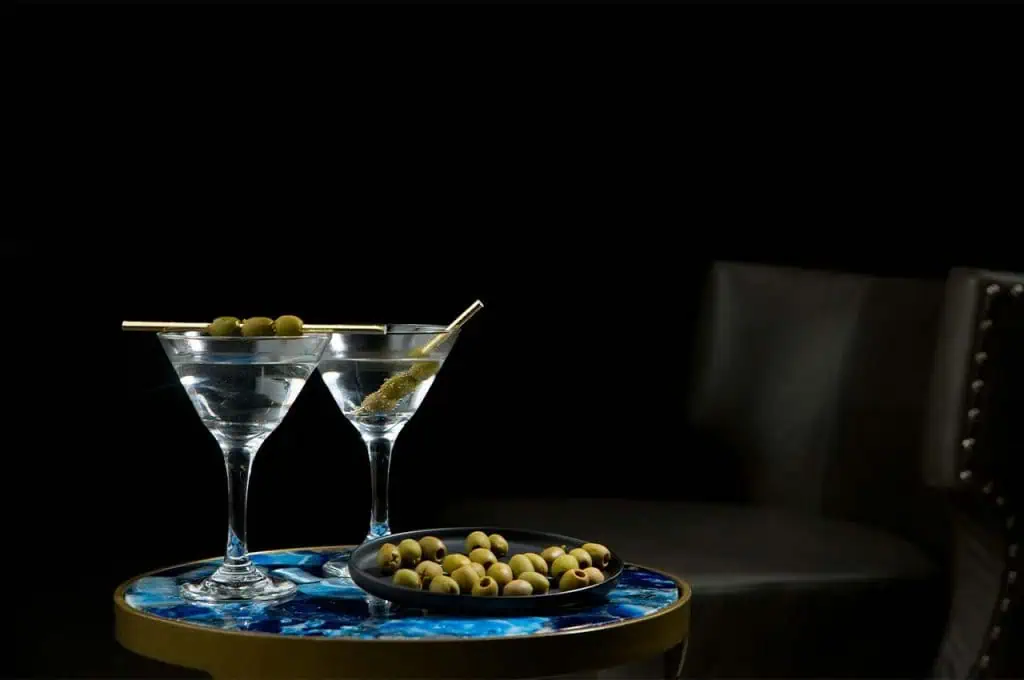
The 1950s ushered in martinis as the epitome of sophistication, aligning with the decade’s focus on elegance and refinement. Traditionally made with gin or vodka, a well-crafted martini is dry, crisp, and balanced. Achieving the perfect martini involves precise chilling, gentle stirring, and an eye for the right vermouth ratio to the chosen spirit. Finish with a twist of citrus or an olive to accentuate aromatic contrasts. This iconic drink highlights the era’s embrace of clean lines and sleek design in both aesthetic and taste, perfecting the art of minimalist indulgence.
1960s: Scotch and Madison Avenue Style
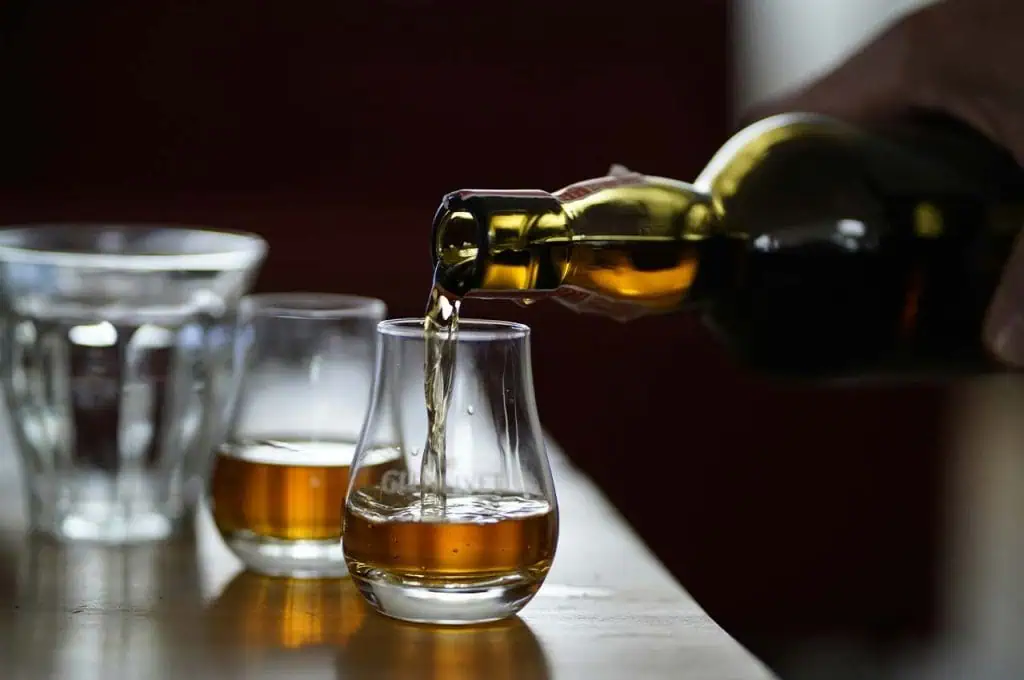
During the 1960s, Scotch whisky became a symbol of sophistication, aligning with the era’s polished, office-savvy image, particularly in urban environments inspired by media representations. This decade saw Scotch served neat or on the rocks, emphasizing its smooth, smoky character. To enhance the experience, opt for single malts with rich peatiness or honeyed blends, pairing them with mild cheeses or smoked nuts. Remember, the key is serving Scotch in glassware that allows appreciation of its nuanced aroma, elevating the drinking ritual into a refined, mindful practice.
1970s: Disco Drinks and Cream Liqueurs
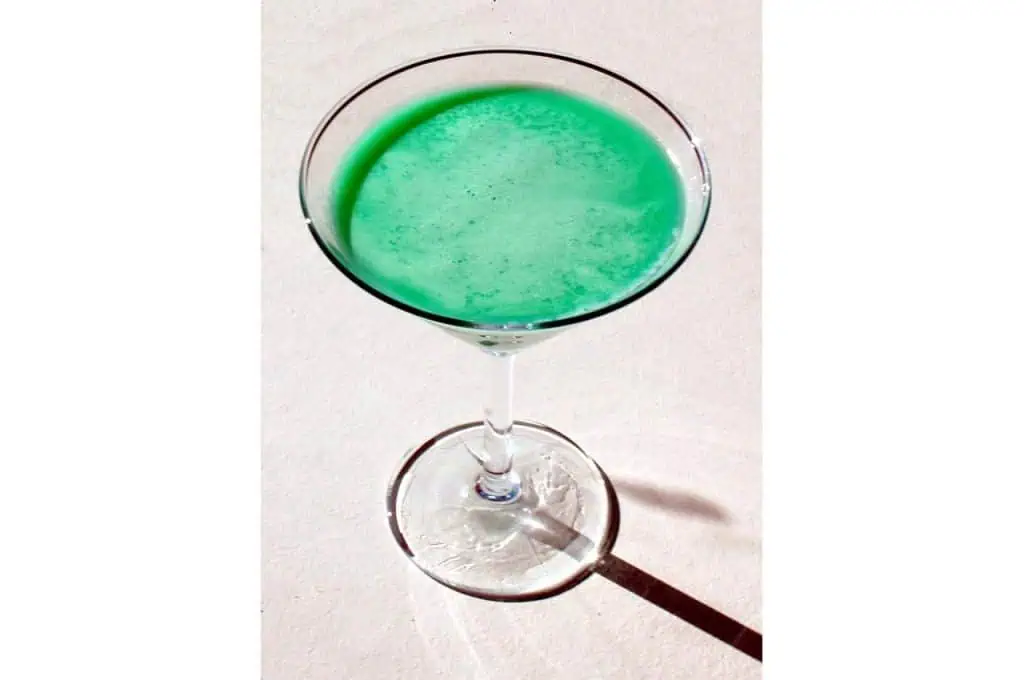
As the 1970s introduced disco’s vibrant energy, cocktails took on new life with colorful concoctions and the rise of cream liqueurs like Baileys. These beverages were often mixed into sweet, creamy cocktails that softened harsh alcoholic notes, making them a hit at social gatherings. For a nostalgic 70s experience, try recreating the classic Grasshopper or a White Russian, ensuring a balanced creaminess that doesn’t overwhelm other flavors. Use quality liqueurs and fresh mixers, shaking them well to achieve a smooth, integrated texture perfect for any retro celebration.
1980s: Vodka’s Nightlife Domination
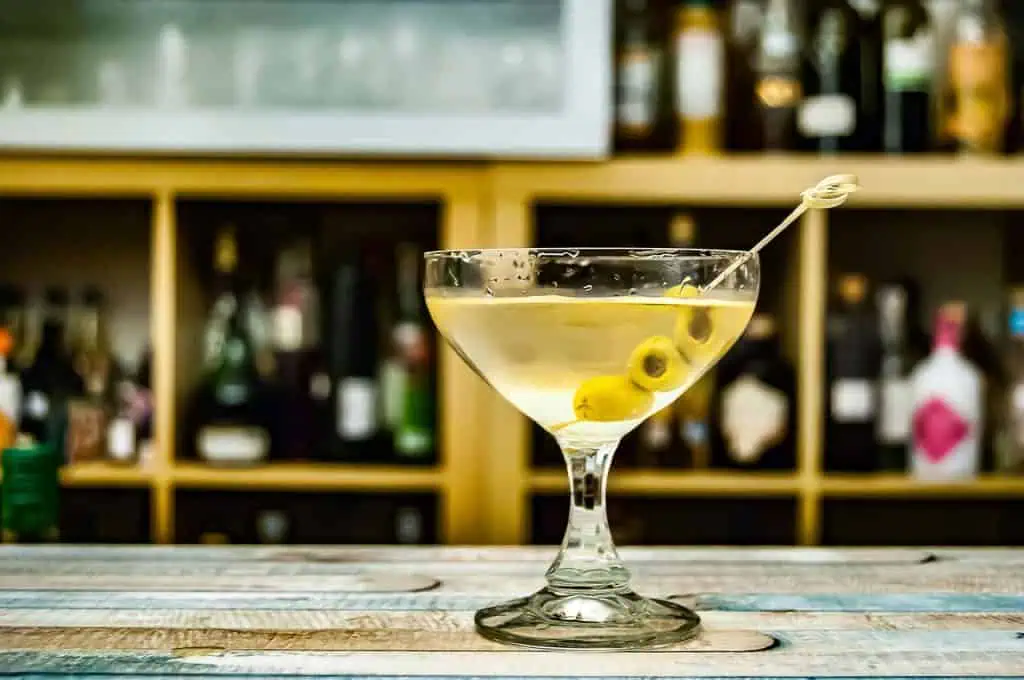
In the 1980s, vodka became the spirit of choice for its versatility and clean profile, easily blending into a variety of cocktails that dominated nightlife. Drinks like the Cosmopolitan and Vodka Martini stood out, highlighting vodka’s adaptability. To truly embrace 1980s vodka, use premium brands for a crisp finish, and experiment with colorful mixers such as cranberry or orange juice for a vibrant twist. Serve in chilled stemware, emphasizing its icy clarity. Focus on precision in mixing to maintain the drink’s sleek, sophisticated appeal, perfect for any upscale gathering.
1990s: Craft Brews and Cocktail Comeback
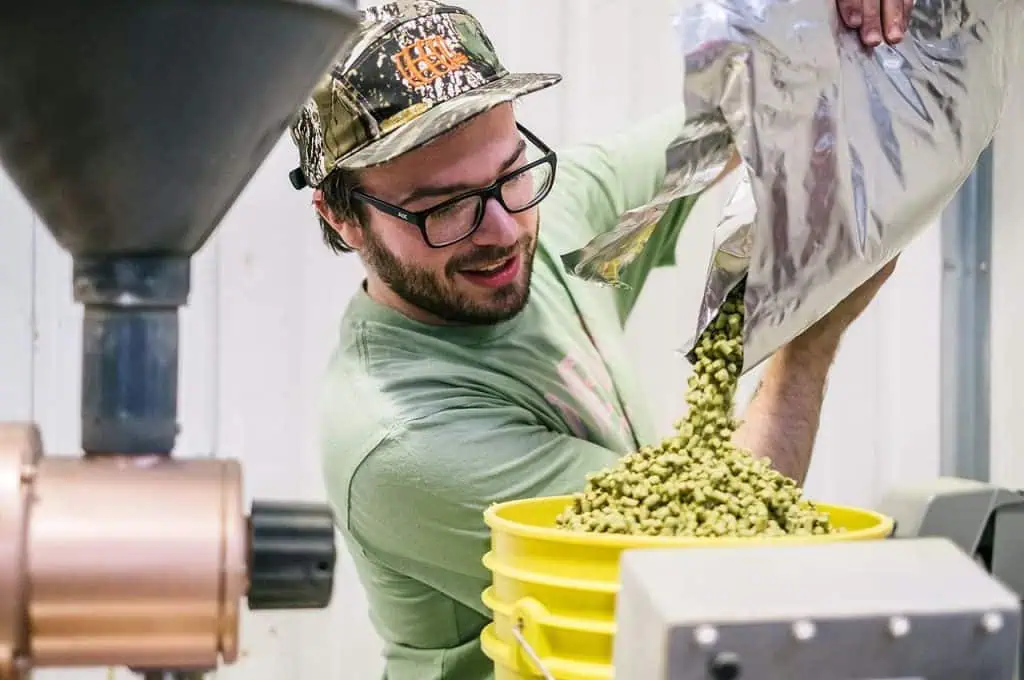
The 1990s saw a resurgence in artisanal beers and a renewed interest in classic cocktails, sparking a focus on quality and innovation. Craft breweries emerged, emphasizing unique flavors and traditional methods. To explore this era, sample a variety of small-batch ales and stouts, paying attention to pairing them with complementary foods such as charcuterie or gourmet burgers. Simultaneously, reviving cocktails like the Old Fashioned involves mastering balance and technique. Use fresh ingredients and craft bitters for depth, presenting each drink with a polished, handcrafted touch.
2000s: Small-Batch Bourbon Revolution
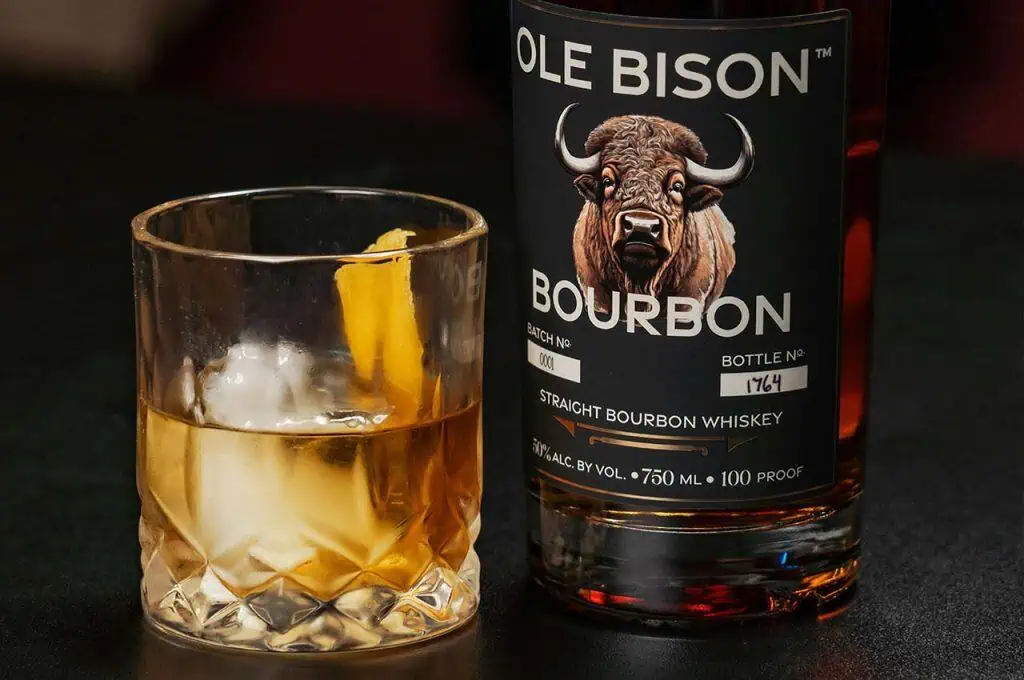
The early 2000s heralded the small-batch bourbon revolution, with an emphasis on rich, nuanced flavors and artisanal craftsmanship. Bourbon’s complex profile invites exploration; taste notes of caramel, vanilla, and spice can be heightened through thoughtful pairing. Serve bourbon neat or in a simple Old Fashioned, using high-quality bitters and a twist of citrus to accent its warmth. Focus on using proper glassware, like a Glencairn, to showcase its aroma and color. This meticulous approach highlights bourbon’s potential, making each sip a journey into depth and tradition.
2010s: Artisanal Spirits and Authenticity Return
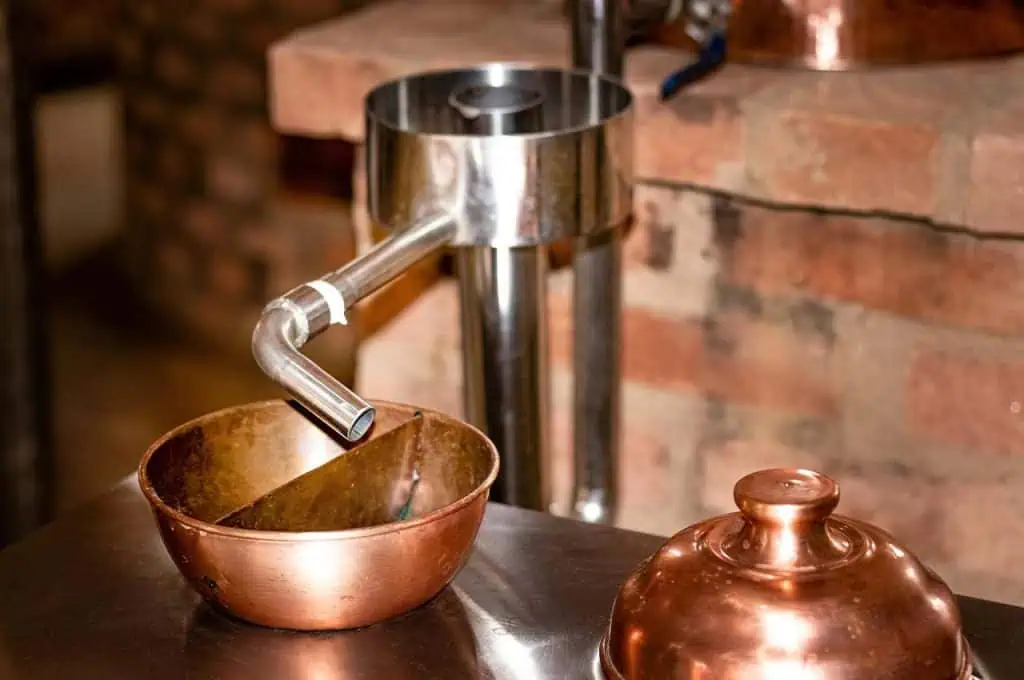
The 2010s saw a resurgence of artisanal spirits, where authenticity and craftsmanship took center stage. Distillers focused on small-batch production, emphasizing quality over quantity. Ingredients like heirloom grains and local botanicals played a critical role, ensuring each sip connected the drinker to its roots. The techniques often involved traditional methods, such as pot still distillation, to enhance depth and complexity. Tasting these spirits, home enthusiasts could detect nuanced flavors, from the peppery notes in craft gin to the smooth, caramel undertones in artisanal bourbon. This decade embraced authenticity, creating a refined drinking experience.
