
From Soul Food to Fine Dining: 12 Black Culinary Icons Who Transformed American Tables
American cuisine would not exist as it does today without the influence of Black chefs, cooks, and food innovators. From the foundations of soul food to the heights of fine dining, Black culinary figures have shaped flavors, techniques, and food culture, often without recognition for decades. Their work bridged survival cooking and artistry, tradition and innovation. By preserving heritage while challenging limitations, these icons transformed how America eats, cooks, and values food. These twelve figures represent lasting change, cultural pride, and culinary excellence that continues to influence tables nationwide.
Edna Lewis
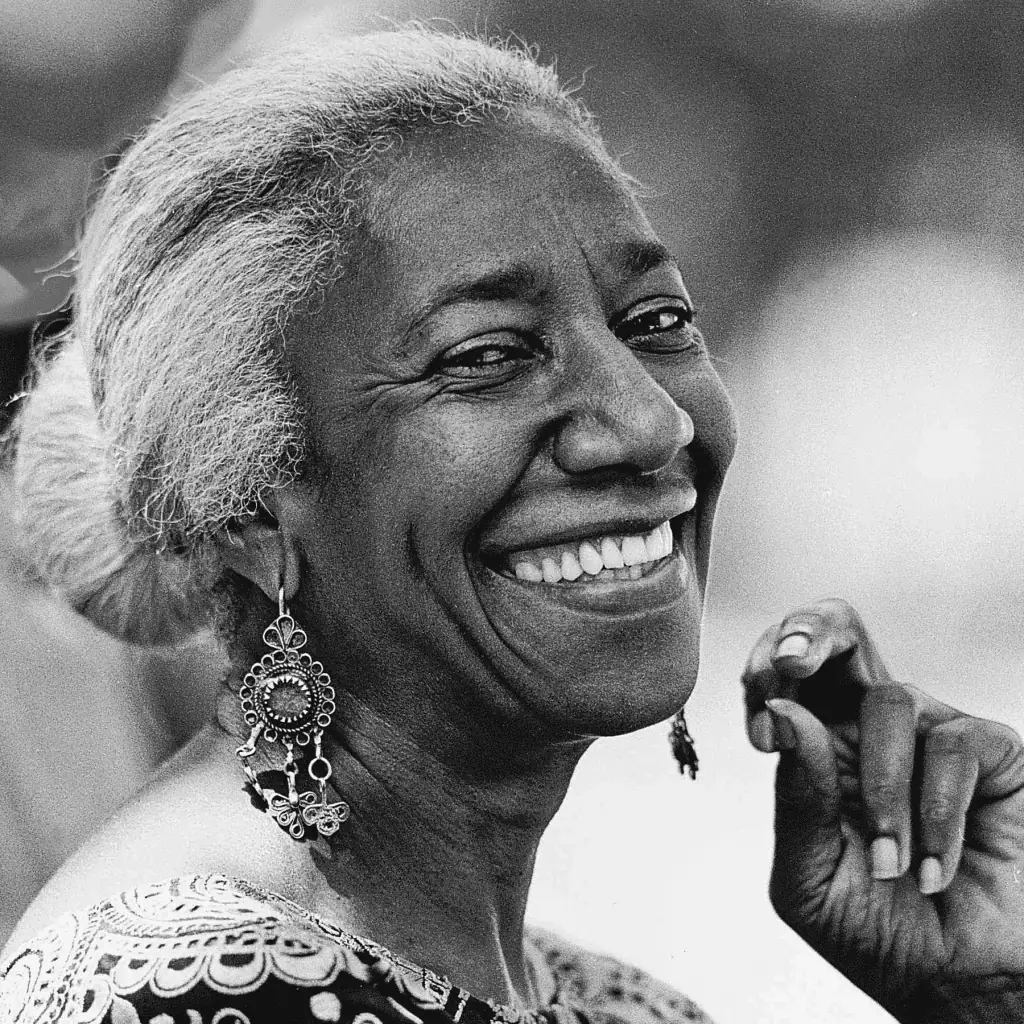
Edna Lewis brought Southern cooking into the national spotlight by treating it with dignity, precision, and respect. Raised in a Virginia farming community, she emphasized seasonal ingredients and traditional techniques rooted in Black rural life. Her writing and cooking reframed Southern food as refined rather than rustic. Lewis helped redefine fine dining by showing that elegance could come from simplicity and heritage. Her influence reshaped how chefs and diners viewed American regional cuisine.
James Beard
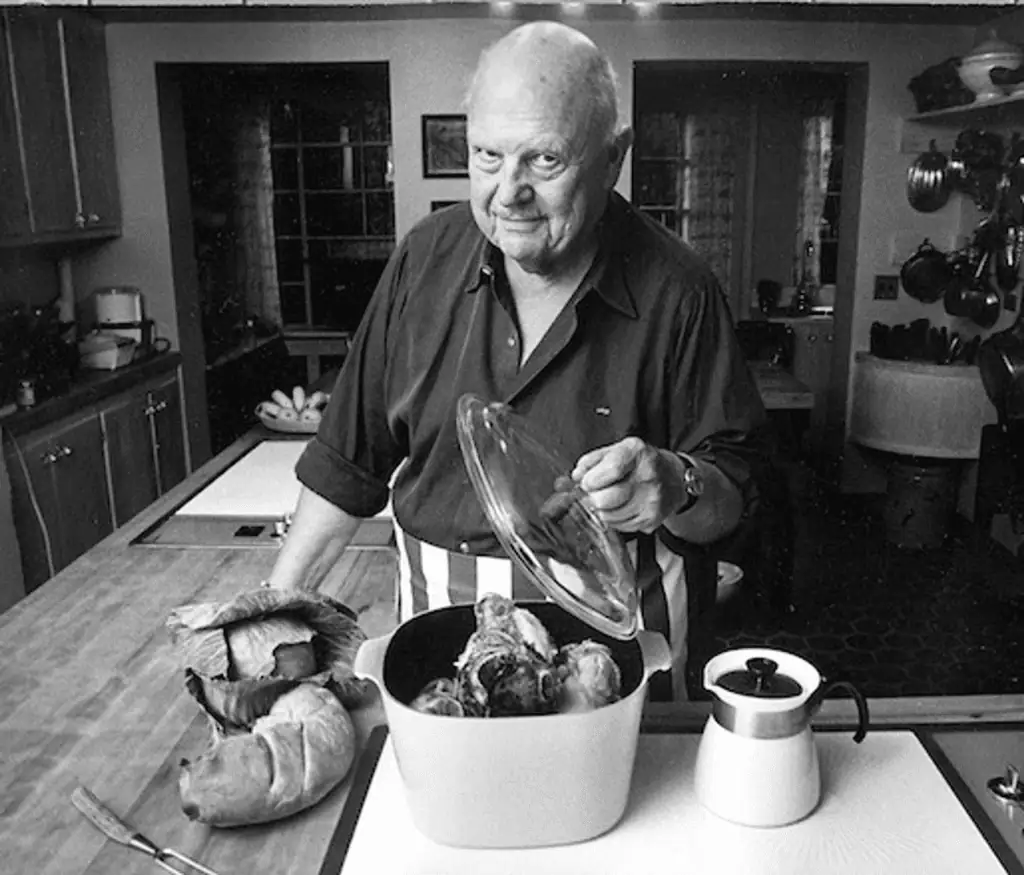
James Beard’s legacy is inseparable from American food culture, but his collaboration and respect for Black culinary traditions helped elevate them nationally. He publicly credited Black cooks as foundational to American cuisine, especially Southern foodways. Beard used his platform to challenge elitism in food and promote regional cooking as legitimate culinary art. His advocacy helped create space for broader recognition of Black culinary contributions within mainstream food institutions.
Leah Chase
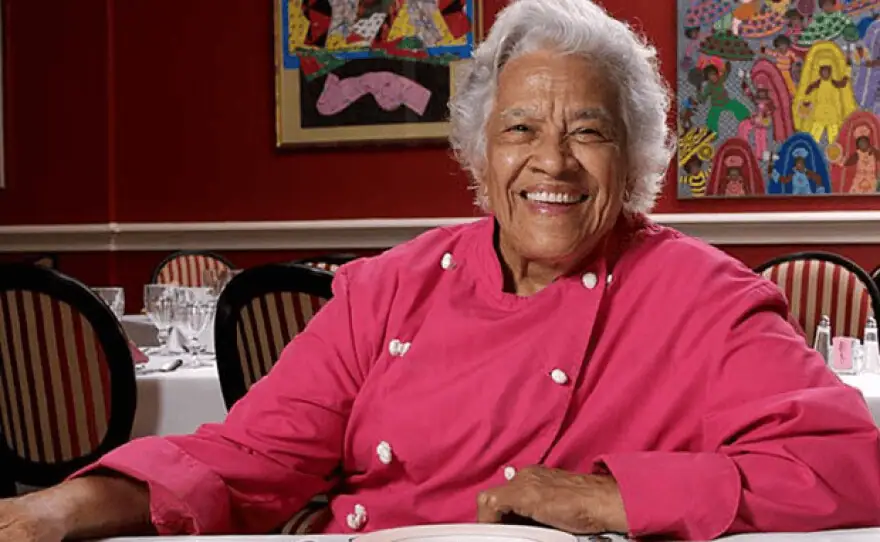
Leah Chase, known as the “Queen of Creole Cuisine,” transformed New Orleans dining by preserving Creole food traditions while elevating them to fine-dining status. Through Dooky Chase’s Restaurant, she fed civil rights leaders, artists, and generations of locals. Chase treated Creole cooking as cultural storytelling, not just hospitality. Her kitchen became a symbol of resilience and pride, proving that traditional Black cooking deserved national respect and preservation.
Marcus Samuelsson
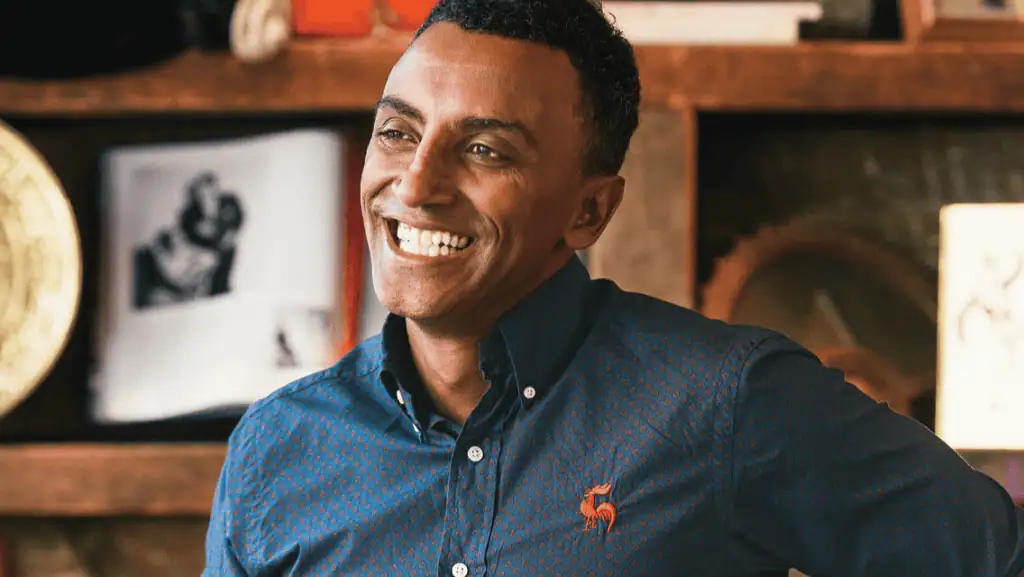
Marcus Samuelsson redefined modern American dining by blending African, Caribbean, and Scandinavian influences with soul food foundations. As the chef behind Red Rooster Harlem, he created a space where fine dining met community storytelling. Samuelsson used food to highlight Black history, migration, and identity. His success helped normalize culturally rooted menus in upscale spaces, shifting expectations of what fine dining could represent.
Vertamae Smart-Grosvenor
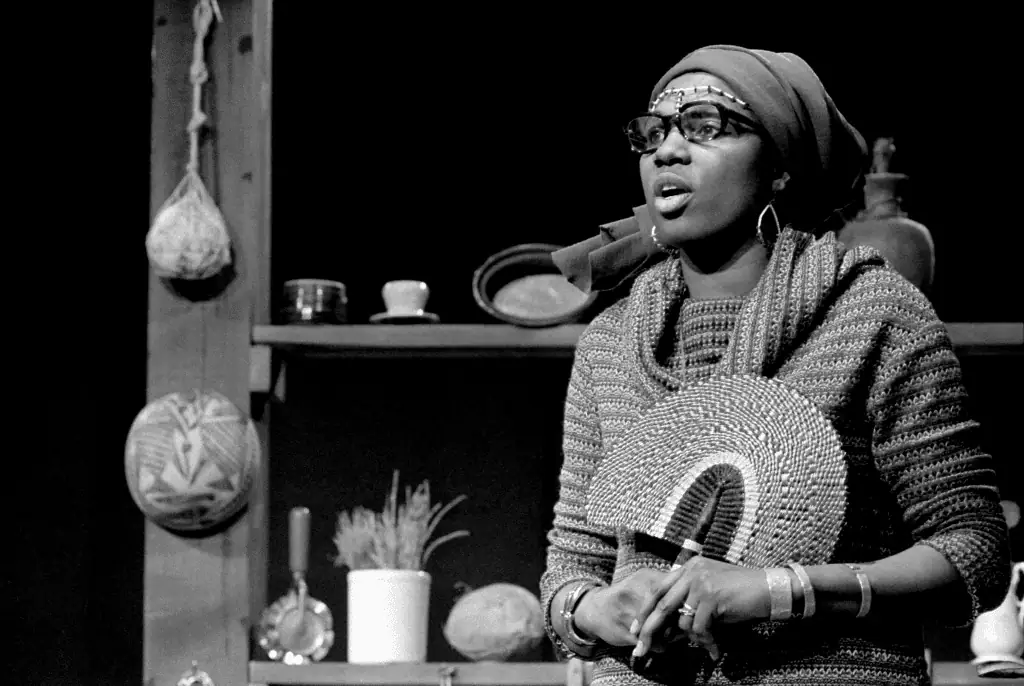
Vertamae Smart-Grosvenor blurred the lines between cooking, culture, and activism. Her approach rejected rigid recipes, emphasizing intuition and freedom rooted in Black traditions. Through her writing and television work, she connected food to identity and resistance. Smart-Grosvenor influenced generations by framing Black cooking as intellectual and creative expression. Her legacy lives on in modern food storytelling and cultural scholarship.
Carla Hall
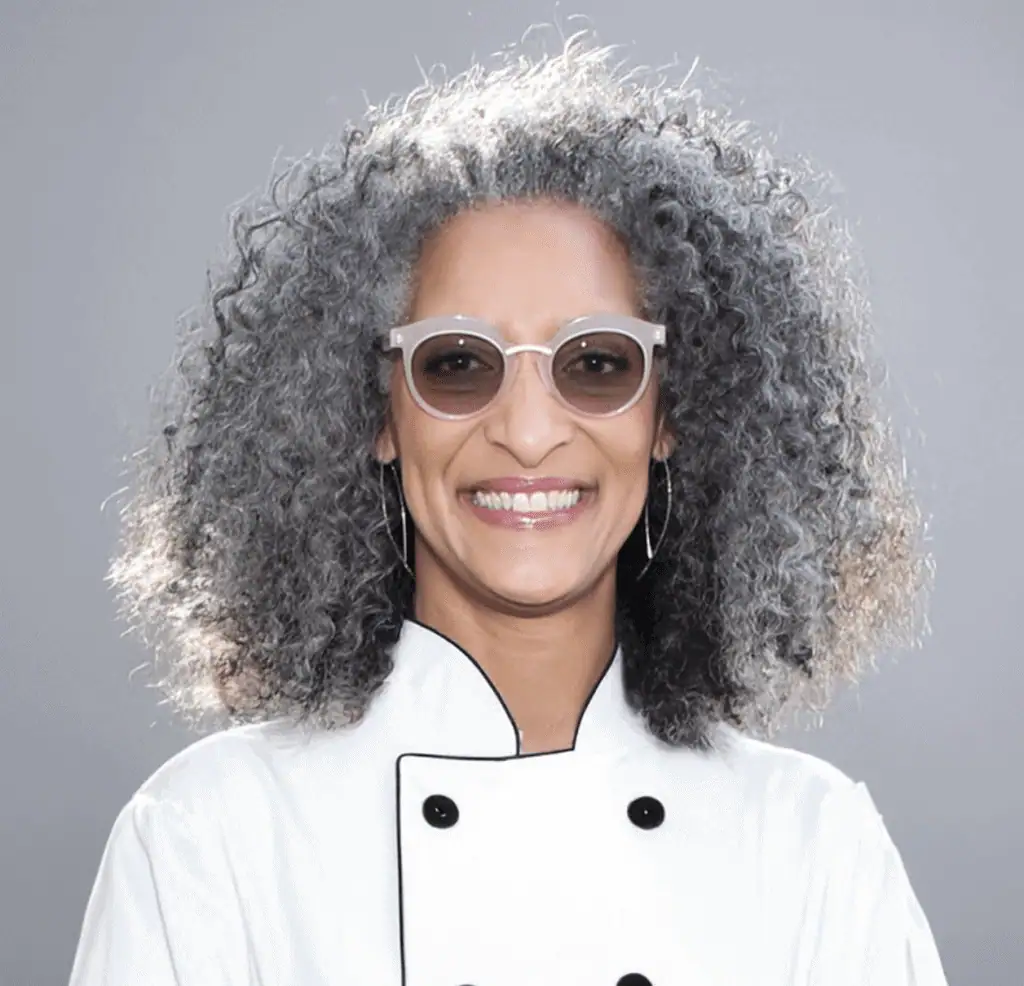
Carla Hall brought warmth, accessibility, and cultural pride to mainstream food media. Drawing from Southern and soul food traditions, she emphasized comfort, inclusion, and joy in cooking. Hall challenged stereotypes by showing that home-style Black cooking belongs in professional culinary spaces. Her presence expanded representation in food television while honoring heritage. She helped make traditional flavors approachable without diluting their cultural significance.
Patrick Clark
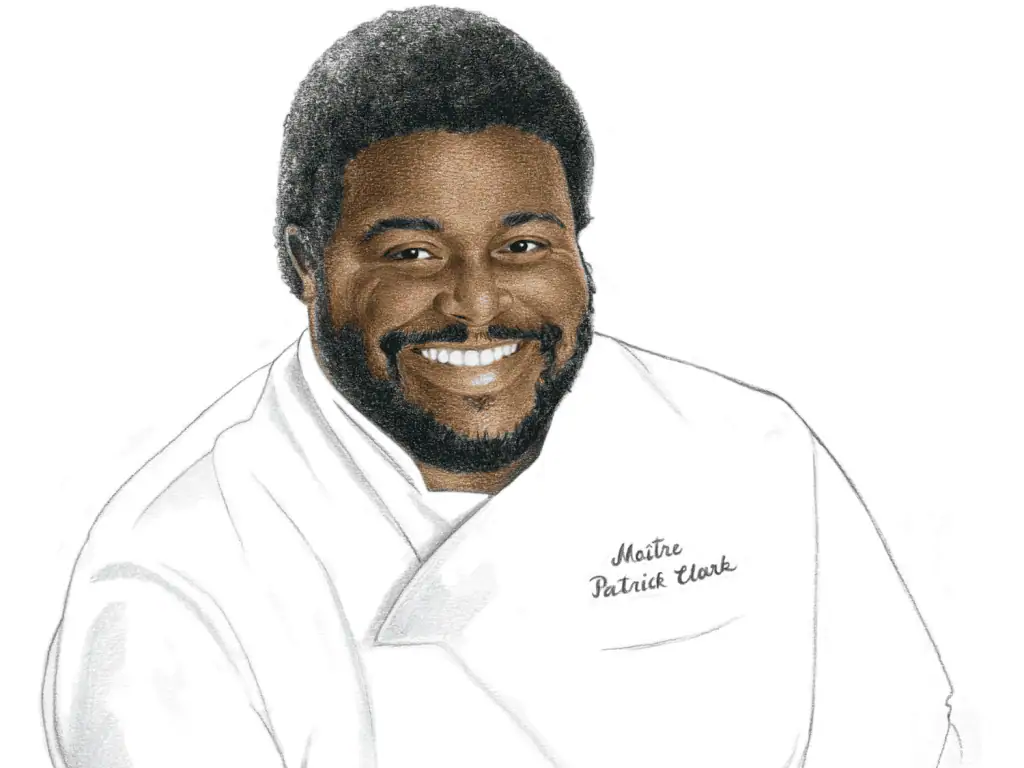
Patrick Clark was a pioneer who helped bring Black chefs into elite culinary circles during a time of limited access. Known for blending classical French techniques with Southern flavors, he reshaped fine dining expectations. Clark mentored future culinary leaders and proved that Black chefs could excel at the highest levels. His work laid the groundwork for broader inclusion and recognition in upscale American kitchens.
Mashama Bailey
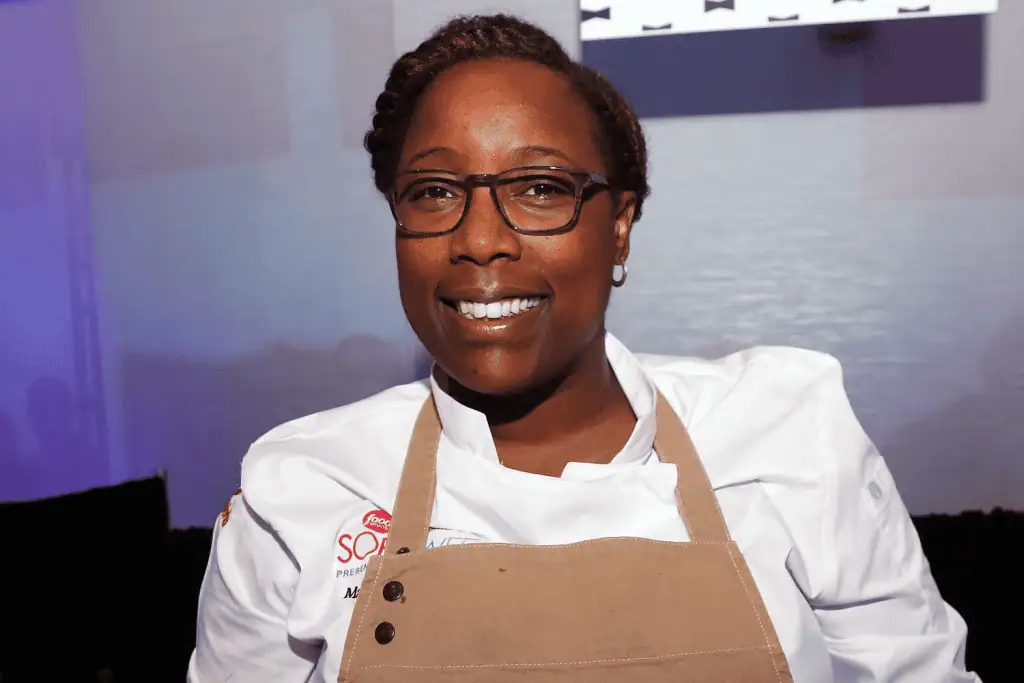
Mashama Bailey transformed Savannah’s dining scene by reconnecting Southern cuisine to its African American roots. Through The Grey, she elevated dishes tied to history, memory, and place. Bailey’s cooking honors ancestry while using refined technique and presentation. Her work challenges diners to confront history while celebrating flavor. She represents a new generation redefining Southern food through honesty and depth.
Bryant Terry
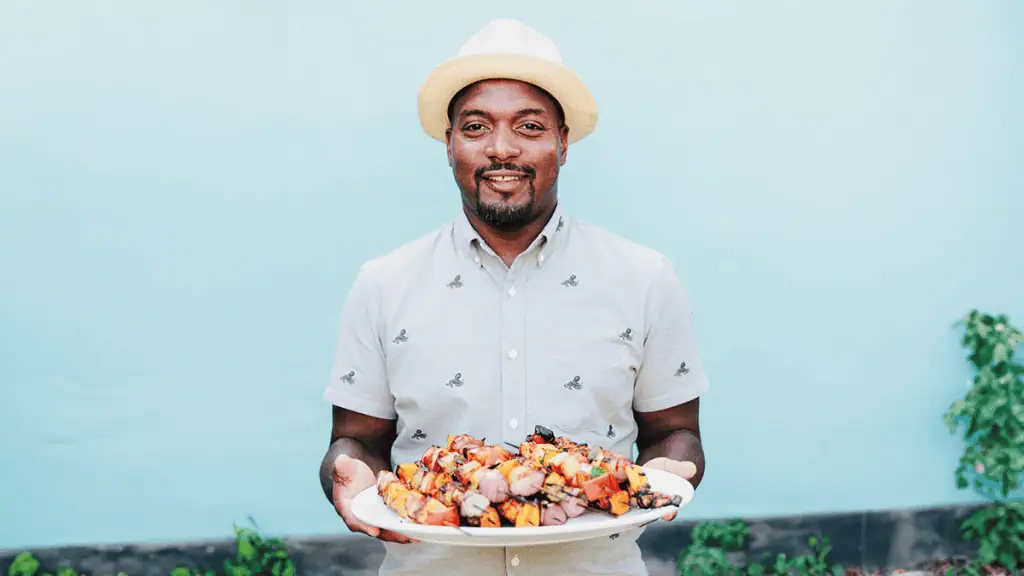
Bryant Terry reshaped conversations around food justice, health, and culture through plant-based cooking. His work connects African diasporic traditions with modern wellness. Terry uses food as a tool for activism, education, and empowerment. By centering Black communities in conversations about sustainability and nutrition, he expanded the definition of culinary influence beyond restaurants into social impact.
Todd Richards
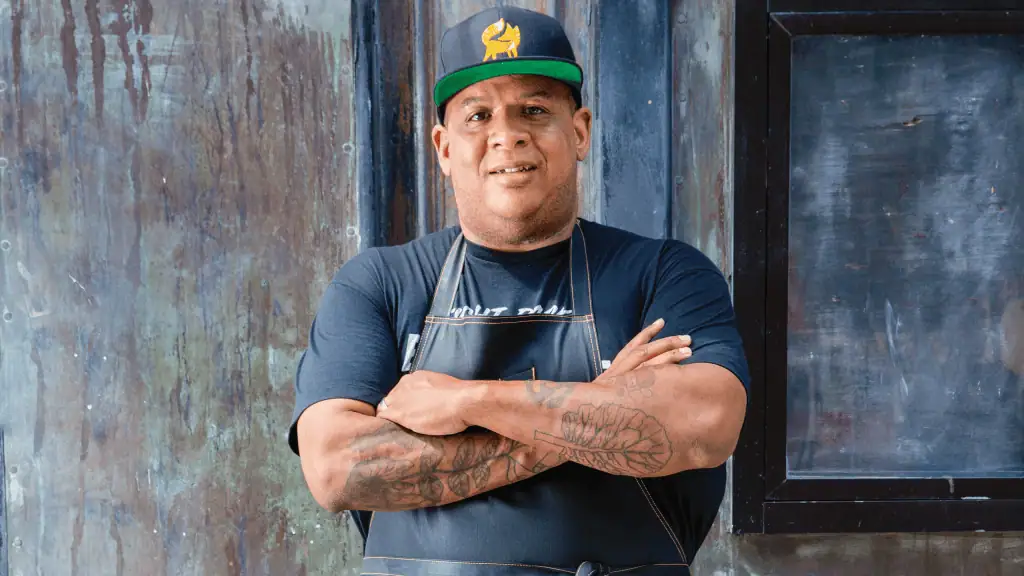
Todd Richards helped modernize soul food while preserving its emotional core. His cooking bridges memory and innovation, adapting traditional dishes for contemporary kitchens. Richards emphasizes technique without erasing cultural meaning. His work reflects how soul food can evolve without losing identity. By bringing Southern Black cooking into refined spaces, he contributed to its continued relevance and respect.
Alexander Smalls
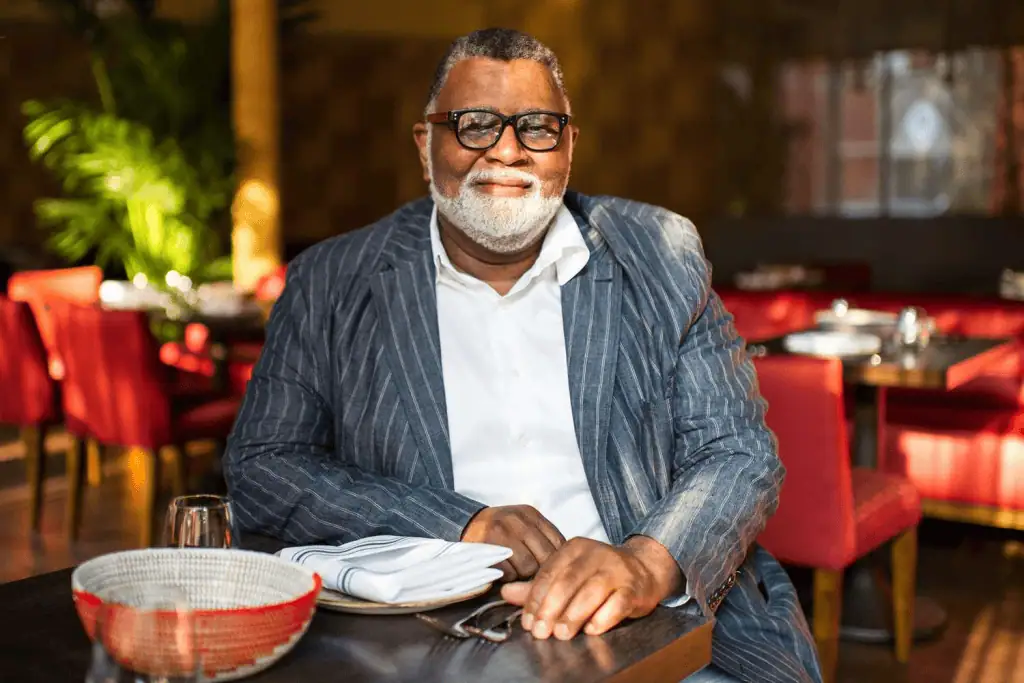
Alexander Smalls merged music, culture, and cuisine into a unified artistic expression. His restaurants celebrated African and Afro-Caribbean flavors long before they were widely embraced. Smalls positioned Black food traditions as sophisticated, global, and deserving of fine-dining attention. His work expanded the American palate and reframed Black cuisine as both historical and cosmopolitan.
Michael W. Twitty
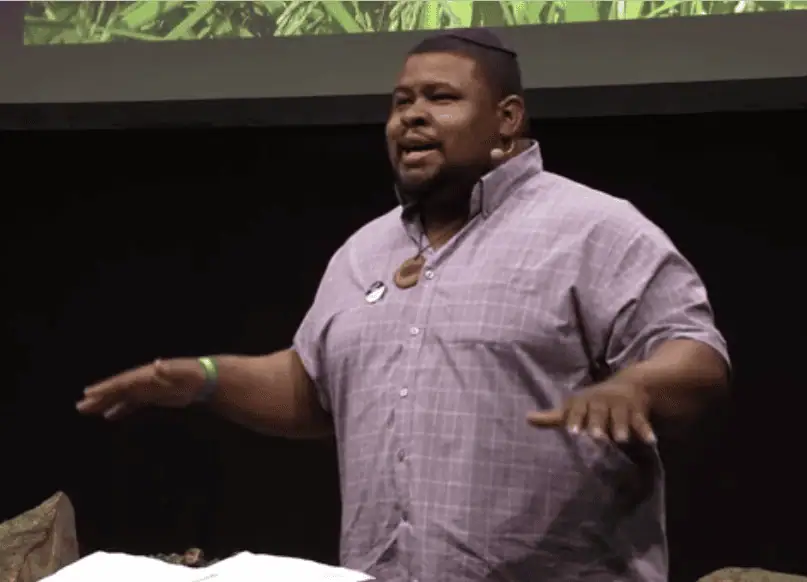
Michael W. Twitty transformed how Americans understand the history behind their food. Through culinary scholarship and immersive cooking, he traced African American foodways from enslavement to modern kitchens. Twitty reframed soul food as a story of survival, ingenuity, and resilience. His work changed public understanding of American cuisine by placing Black history at its center, where it has always belonged.
