
12 Foods That Help Lower Your Risk of Diabetes
Managing blood sugar isn’t just about what to avoid, it’s also about what to eat more of. Research shows that diet plays a major role in lowering the risk of type 2 diabetes. A 2020 study in Nutrients found that fiber-rich foods improve insulin sensitivity, while another in Diabetologia linked plant-based diets with a 23% lower diabetes risk. Here are 12 foods proven to support better blood sugar control and long-term health.
Leafy Greens: Nutrient Powerhouses

Leafy greens like spinach, kale, and collard greens are nutritional powerhouses for diabetes prevention. They’re low in calories and carbs but packed with fiber, magnesium, and antioxidants that help regulate blood sugar. A 2010 study in the British Medical Journal found that higher leafy green consumption was associated with a 14% reduced risk of type 2 diabetes. Their high vitamin C and polyphenol content also supports vascular health, which is often compromised in diabetes.
Nuts: A Crunchy Health Boost

Nuts such as almonds, walnuts, and pistachios are rich in healthy fats, protein, and fiber, making them excellent for stabilizing blood sugar levels. Research published in Diabetes Care (2011) showed that replacing carbohydrate-rich snacks with mixed nuts improved glycemic control and lipid profiles in people with type 2 diabetes. Their magnesium content supports insulin sensitivity, while their slow-digesting fats help prevent spikes in blood sugar, making them a smart snack for long-term health.
Okra: The Lesser-Known Superfood

Okra, often called “lady’s finger,” is a fiber-rich vegetable that has shown promise in managing blood sugar. A study in Journal of Pharmacy & Bioallied Sciences (2011) found that okra peel and seed extracts reduced blood glucose levels in diabetic rats, suggesting its potential for human benefits. Its soluble fiber helps slow sugar absorption in the gut, while antioxidants support overall metabolic health. Regularly including okra in meals may help lower diabetes risk naturally.
Fatty Fish: Heart and Blood Sugar Friendly

Fatty fish like salmon, mackerel, and sardines are rich in omega-3 fatty acids, which play a protective role against insulin resistance and inflammation. A study in Diabetes Care (2019) linked higher omega-3 intake to a reduced risk of type 2 diabetes in middle-aged adults. These fish are also excellent sources of protein, which helps regulate appetite and stabilize blood sugar levels. Including fatty fish twice a week supports both heart and metabolic health, making it a smart diabetes-friendly choice.
Avocado: Creamy Blood Sugar Stabilizer

Avocados are loaded with monounsaturated fats, which help improve insulin sensitivity and support stable blood sugar levels. A study published in the Journal of Nutrition (2013) found that participants who included avocado in their meals experienced improved satiety and better post-meal glucose control. Rich in fiber, potassium, and antioxidants, avocados also aid in reducing inflammation and promoting heart health, both critical for lowering diabetes risk while keeping meals satisfying.
Seaweed: Ocean’s Gift for Glucose Control

Seaweed is a nutrient-dense food rich in fiber, iodine, and unique bioactive compounds that may help regulate blood sugar. A study in Nutrition Research and Practice (2019) found that seaweed extract improved insulin sensitivity and reduced post-meal glucose spikes in adults with risk factors for diabetes. Its soluble fiber slows carbohydrate absorption, while antioxidants like fucoxanthin support metabolic health, making seaweed a surprising ally in diabetes prevention.
Chia Seeds: Tiny Power Packs
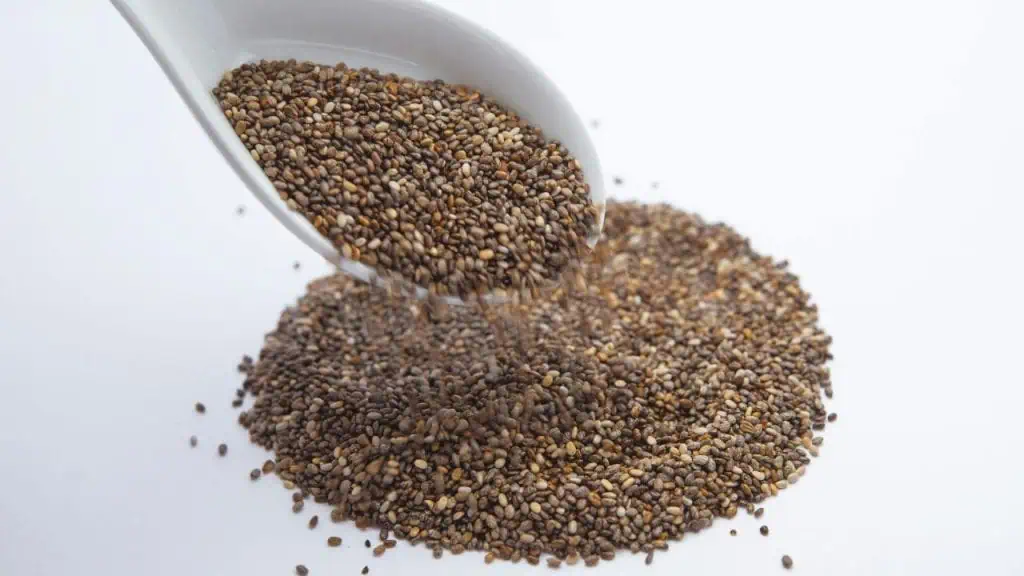
Chia seeds are tiny nutritional powerhouses loaded with fiber, protein, and omega-3 fatty acids, all of which support blood sugar control. Research published in Diabetes Care (2007) showed that a chia-rich diet significantly lowered blood pressure and reduced markers of inflammation in people with type 2 diabetes. Their high soluble fiber forms a gel in the stomach, slowing digestion and stabilizing glucose levels, making chia seeds an excellent food for lowering diabetes risk.
Broccoli: Cruciferous Health Hero

Broccoli is a cruciferous vegetable rich in sulforaphane, a compound shown to improve insulin sensitivity and lower blood glucose levels. A study in Science Translational Medicine (2017) found that sulforaphane extract reduced fasting blood sugar in people with type 2 diabetes. Packed with fiber, vitamin C, and antioxidants, broccoli helps slow carbohydrate absorption and fights oxidative stress, two key factors in reducing the risk of diabetes and supporting long-term metabolic health.
Berries: Sweet Antioxidant Allies

Berries like blueberries, strawberries, and raspberries are packed with anthocyanins, plant compounds shown to improve insulin sensitivity and reduce inflammation. A study in the American Journal of Clinical Nutrition (2010) linked berry consumption to lower post-meal blood sugar spikes. High in fiber yet low in calories, berries also support weight management, a critical factor in diabetes prevention, while providing antioxidants that protect against oxidative stress and vascular damage.
Greek Yogurt: Probiotic-Rich Snack

Greek yogurt is a protein-rich dairy option that may help lower the risk of type 2 diabetes by improving satiety and supporting gut health. Research published in BMC Medicine (2014) found that higher yogurt intake was associated with a reduced risk of developing diabetes. Its probiotics contribute to better digestion and metabolic function, while its lower carbohydrate content compared to regular yogurt helps maintain steadier blood sugar levels, making it a smart addition to a balanced diet.
Cinnamon: Sweet Spice for Sugar Balance

Cinnamon has been studied for its potential to improve insulin sensitivity and lower blood sugar levels, making it a helpful spice for diabetes prevention. A review in the Journal of Medicinal Food (2019) noted that cinnamon supplementation reduced fasting blood glucose in people with type 2 diabetes. Rich in antioxidants, it may also help reduce inflammation linked to metabolic disorders. Adding even small amounts to oatmeal, tea, or smoothies offers flavor along with possible protective benefits.
Tomatoes: Juicy Nutrient Bombs

Tomatoes are rich in lycopene, a powerful antioxidant linked to reduced risk of type 2 diabetes by lowering oxidative stress and inflammation. A study published in Clinical Nutrition (2019) found that higher lycopene intake was associated with improved insulin sensitivity. Tomatoes also provide vitamin C, potassium, and fiber, all of which support blood sugar regulation and heart health. Enjoyed fresh, cooked, or as sauce, they make a versatile addition to a diabetes-friendly diet.
