
11 Everyday Foods From the ’50s That Vanished Over Time
The 1950s were a time of booming convenience foods, quirky culinary trends, and family meals centered around novelty. Many of these dishes and products reflected the post-war fascination with modern living and processed ingredients. While they were staples back then, changing tastes, health awareness, and evolving food culture have caused many to disappear. Here are 11 everyday foods from the ’50s that have largely vanished from modern kitchens.
Gelatin Molds
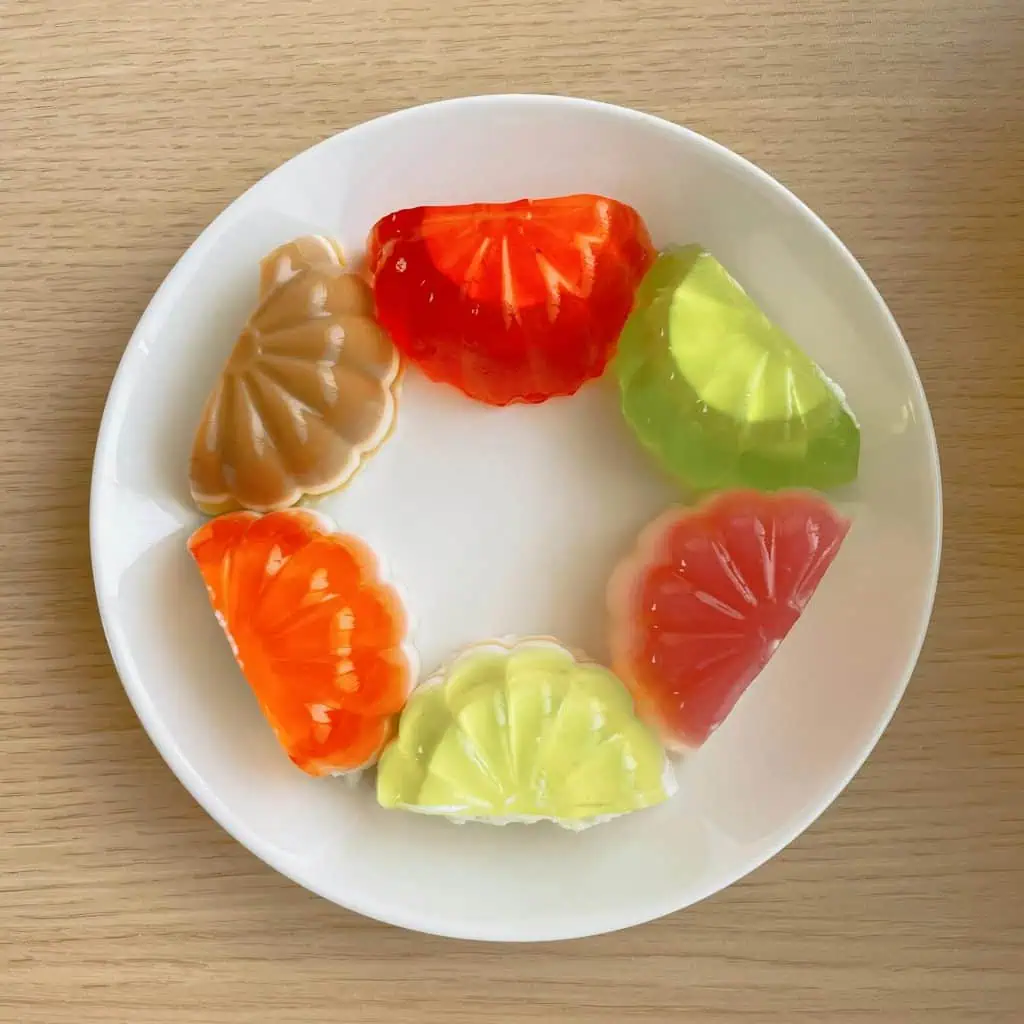
Gelatin molds were a 1950s dinner party centerpiece, often filled with fruit, marshmallows, or even vegetables. Though they looked impressive, their wobbly texture and strange ingredient combinations fell out of fashion. Today, they survive mostly as nostalgic curiosities rather than actual recipes served at gatherings.
TV Dinners
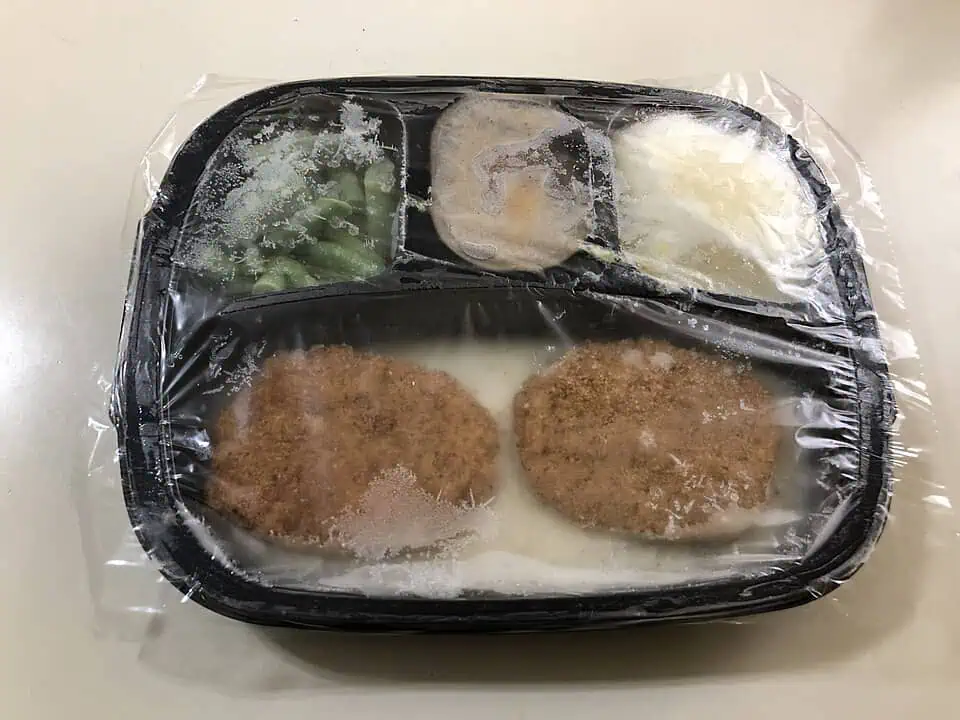
Introduced in the ’50s, TV dinners were revolutionary for busy families. Packaged in aluminum trays, they offered complete meals like turkey, mashed potatoes, and peas. Once a novelty, they’ve since been replaced by modern frozen meals with fresher ingredients and healthier branding. The original versions now feel outdated.
Spam Casseroles
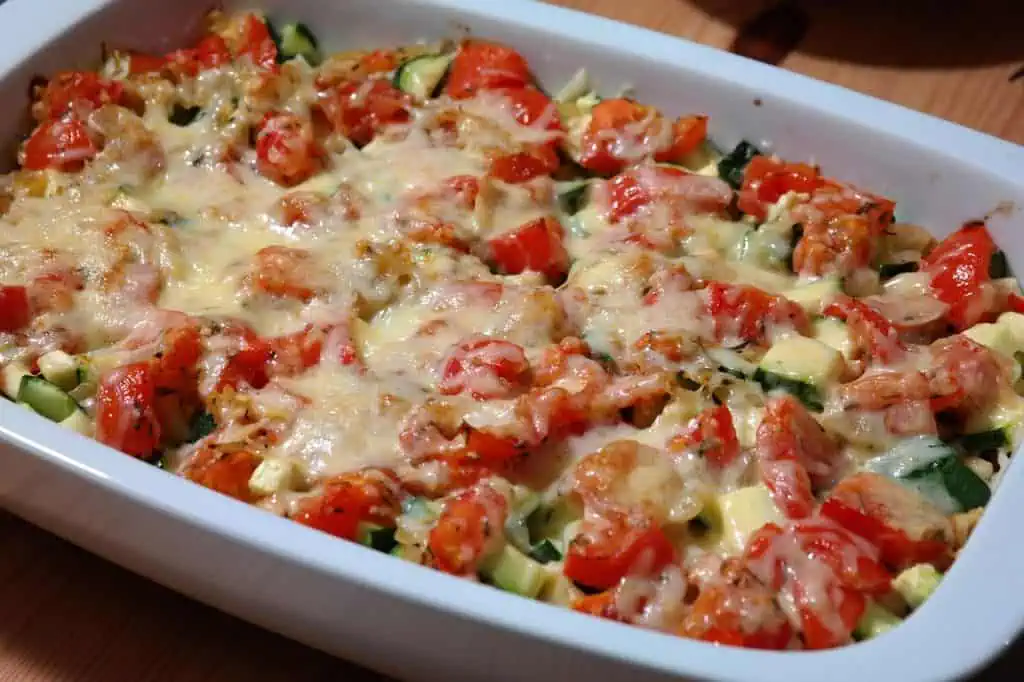
Spam was heavily marketed in the ’50s, and casseroles featuring the canned meat were common. Mixed with pasta, rice, or vegetables, these dishes represented convenience and thriftiness. However, as fresh meat became more affordable and tastes shifted, Spam-based meals lost their everyday appeal.
Chiffon Pie
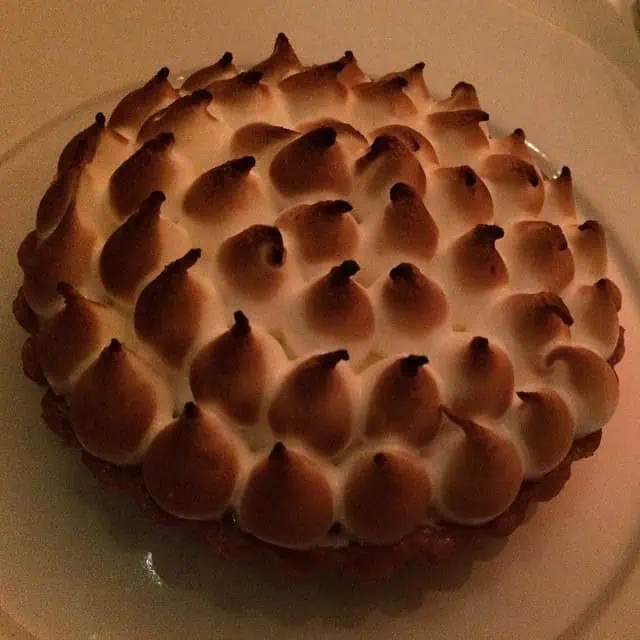
Chiffon pies, airy desserts made with whipped fillings and gelatin, were all the rage in the 1950s. Lemon chiffon pie was especially popular, offering a light alternative to heavier desserts. Over time, more indulgent options like cheesecakes and cream pies overshadowed chiffon, making it rare on today’s menus.
Creamed Chipped Beef on Toast
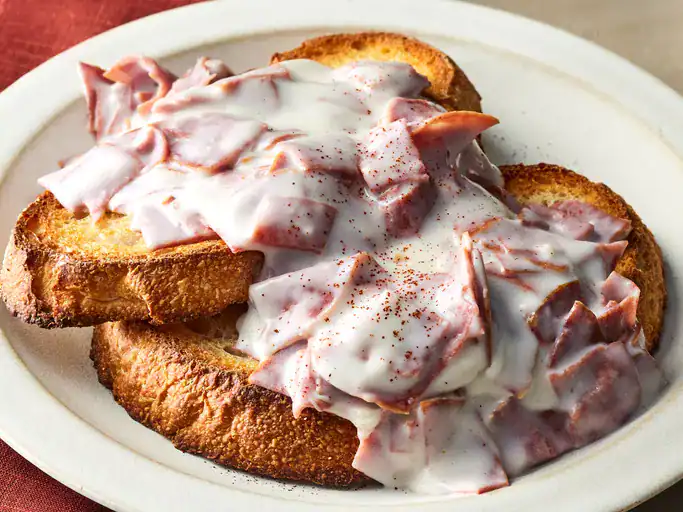
Often called “SOS,” this dish was a post war leftover that lingered into the ’50s. Creamed chipped beef on toast was inexpensive, filling, and familiar for veterans. While once common in households, its salty, processed nature eventually drove it out of favor in an era shifting toward fresher ingredients.
Percolator Coffee
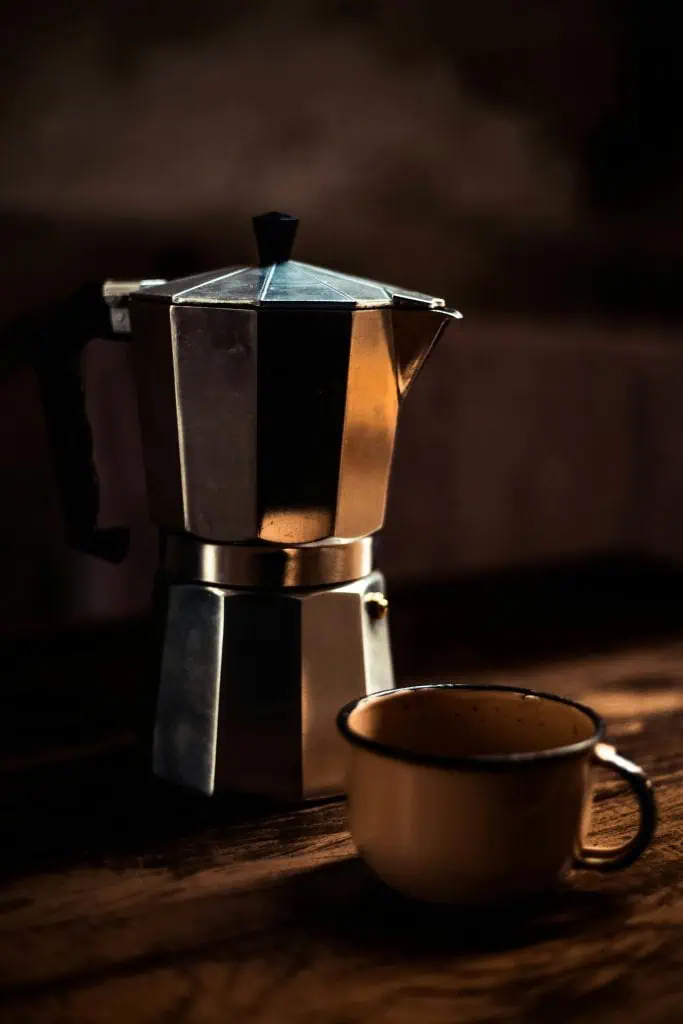
In the 1950s, percolators were the standard for brewing coffee at home. Their strong, often bitter brew defined the taste of the era. Today, drip machines, pods, and specialty methods like pour-over have replaced them, making percolator coffee more of a retro memory than a daily ritual.
Aspic
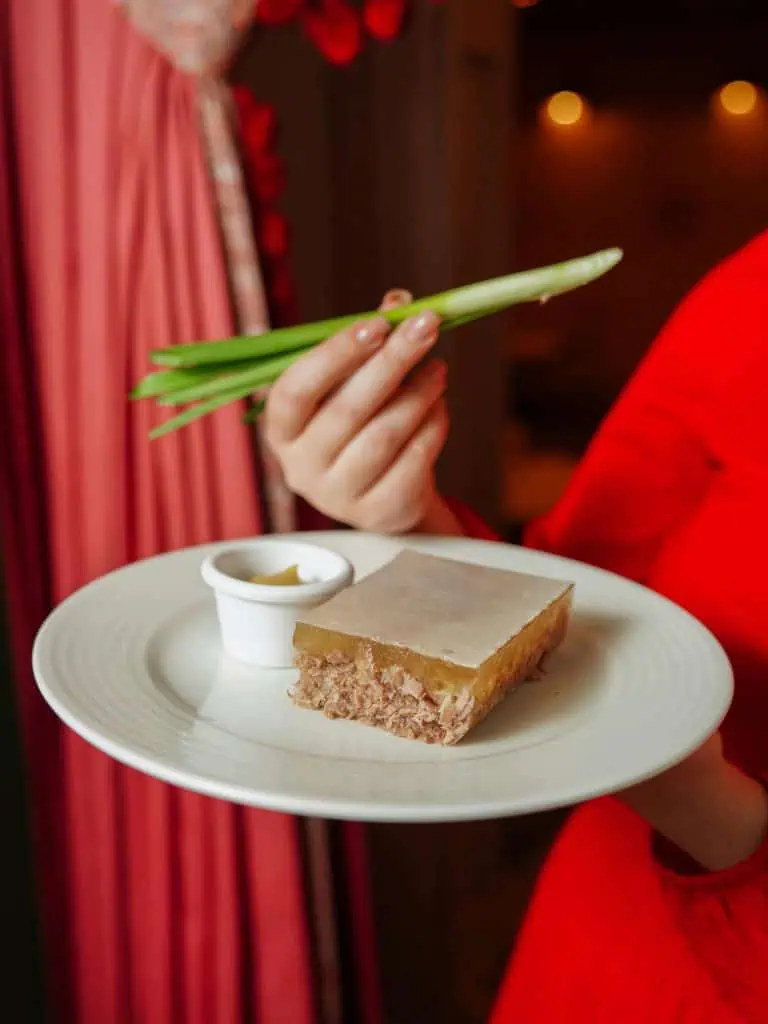
Aspic, savory gelatin made from meat stock, was a fine dining curiosity that trickled into home kitchens. In the ’50s, it was used to encase vegetables, seafood, or meats in shimmering molds. Its odd appearance and texture, however, made it unappealing to later generations, leading to its decline.
Meatloaf with Ketchup Glaze
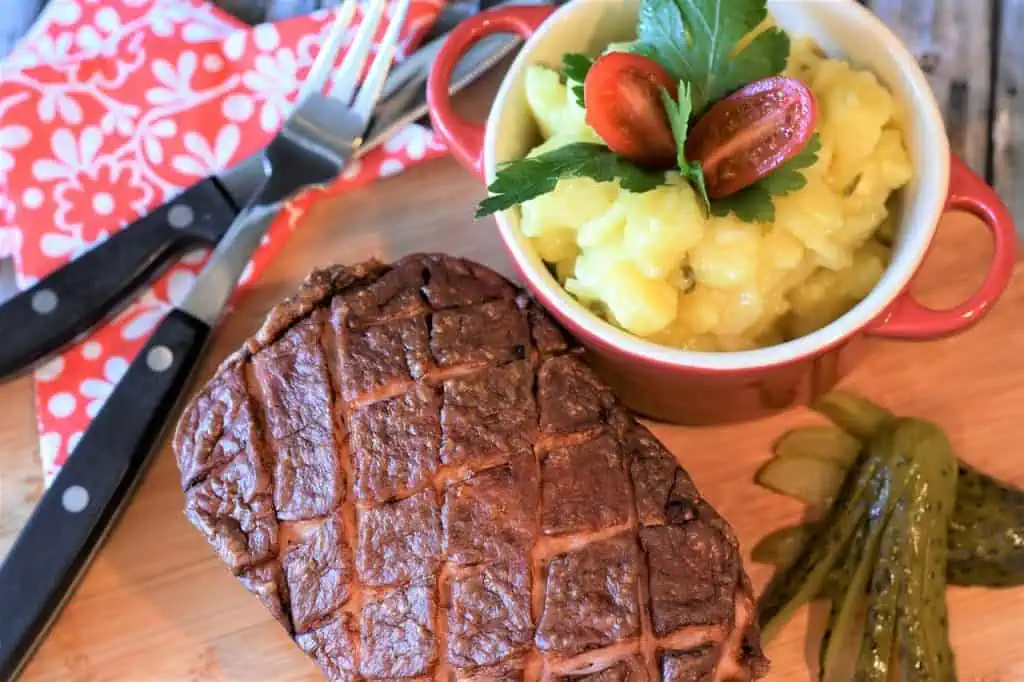
Meatloaf was a staple comfort food in the 1950s, often topped with a sugary ketchup glaze. While meatloaf itself survives in some households, this specific preparation has faded as tastes moved toward more varied seasonings and fresher ingredients. The ketchup topping feels more retro than relevant today.
Pineapple Upside-Down Cake
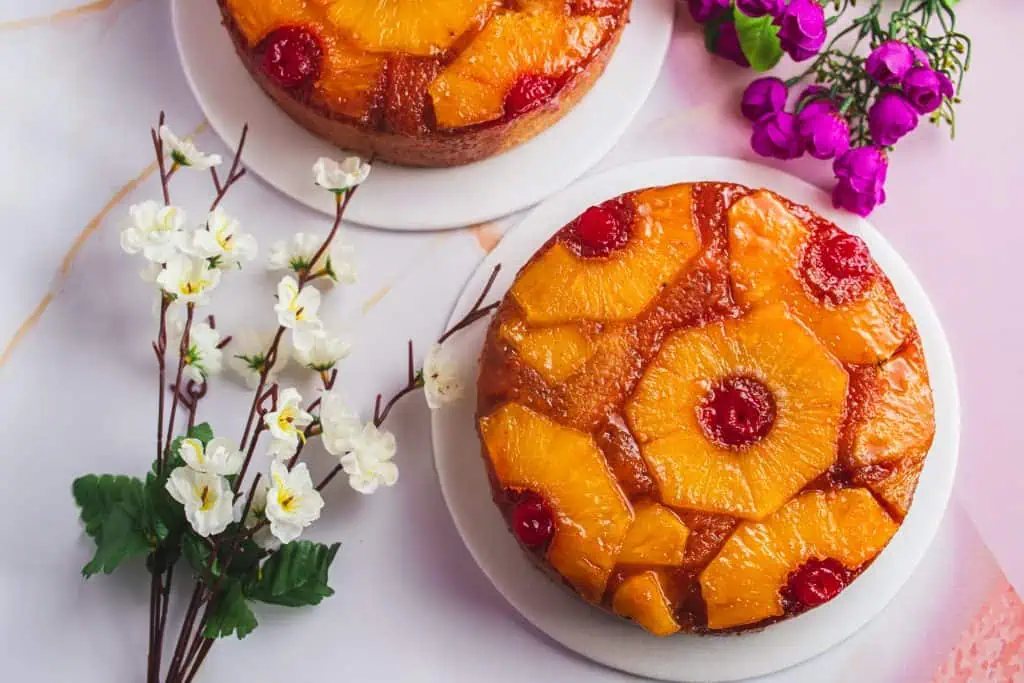
This colorful cake, topped with canned pineapple rings and maraschino cherries, was a 1950s dessert showpiece. Sweet, decorative, and easy to make with pantry staples, it symbolized the era’s fascination with canned fruit. Today, while occasionally revived for nostalgia, it’s rarely a regular dessert option.
Canned Vienna Sausages
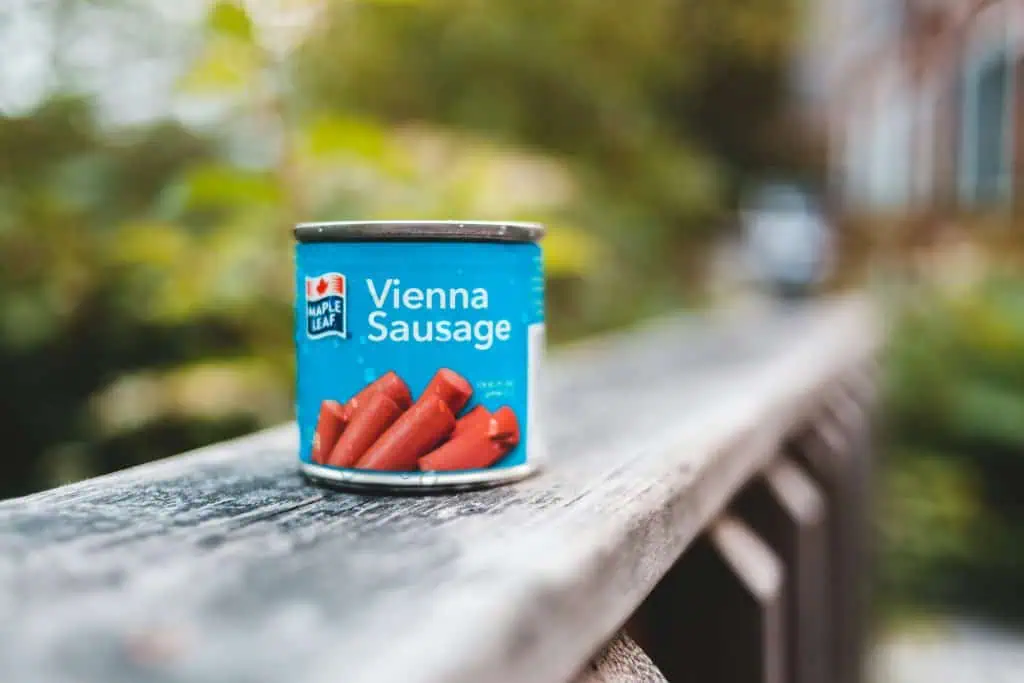
Canned Vienna sausages were cheap, portable, and easy to store, making them popular in the ’50s. Often served at picnics or as appetizers, they reflected the decade’s love of convenience foods. With changing tastes and a move toward fresher proteins, they’ve mostly disappeared from modern diets.
Baked Alaska
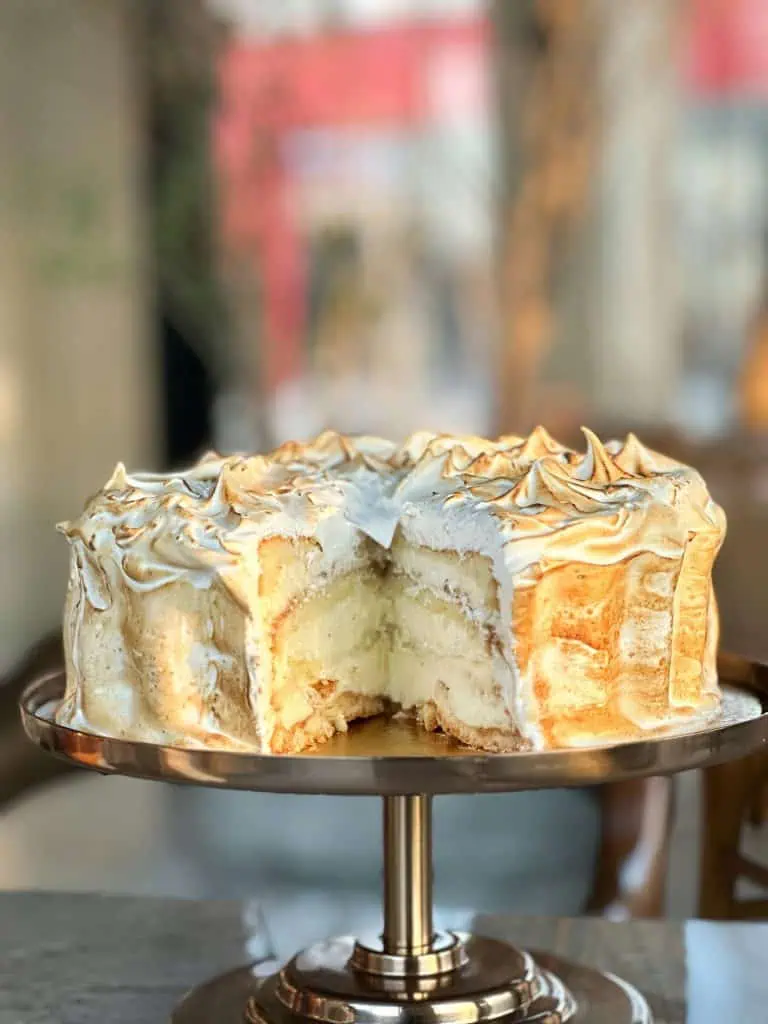
Baked Alaska, a dramatic dessert of cake, ice cream, and browned meringue, captured 1950s dinner-party flair. While impressive, it required skill and preparation time, which didn’t fit the pace of later decades. Today, it’s more of a retro restaurant specialty than an everyday household dessert.
