
Popular Foods That Are Not the Same Anymore
Over the years, many of our favorite foods have undergone changes that alter not just taste, but quality and nutritive value. These changes often stem from shifts in production costs and consumer demands. By examining these transformations, we sharpen our understanding of what we’re consuming and why it might not taste, or nourish us, the way it once did.
McDonald’s Burgers Shrink, Prices Soar
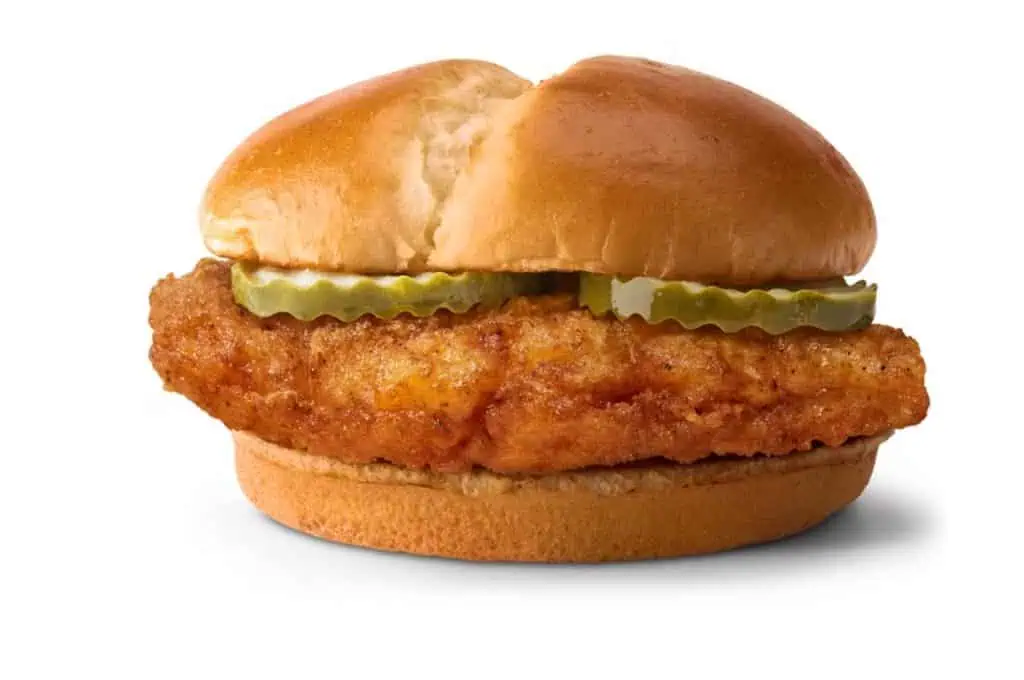
McDonald’s, a global staple in fast food, is known for making adjustments in size and price. Over the years, their iconic burgers have gradually shrunk. While maintaining consistent taste and preparation techniques, these smaller portions often leave consumers paying more for less. Despite the reduced size, attention remains on maintaining the balance of seasoning and the classic sear of the beef, crucial for the signature McDonald’s flavor profile.
Chocolate Companies Cut Cocoa Costs
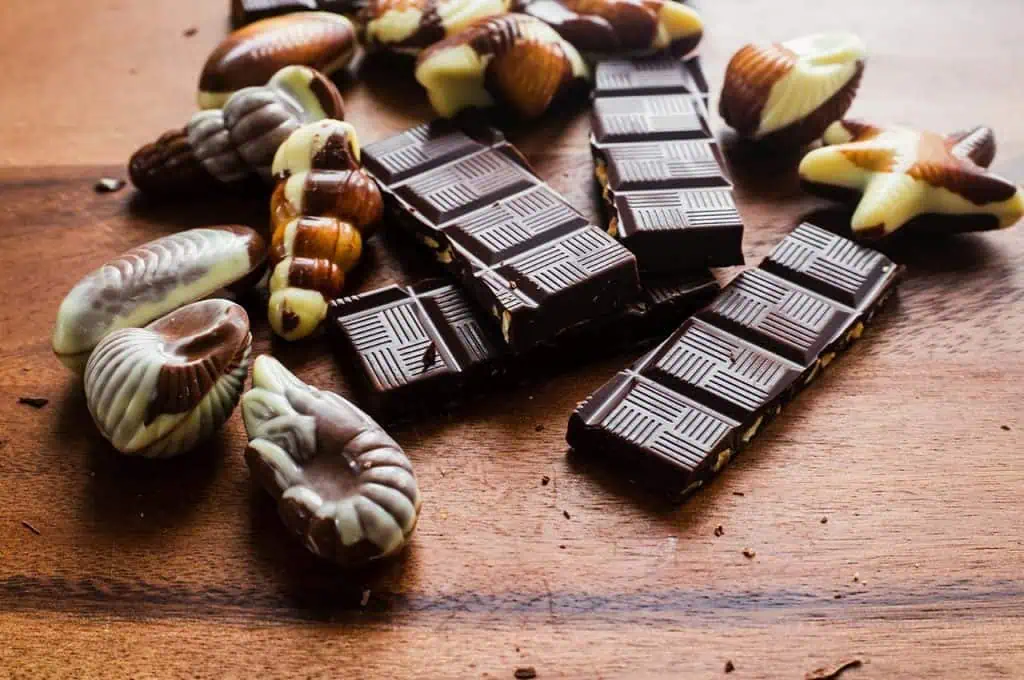
In an effort to manage costs, many chocolate producers have decreased cocoa content, leading to a noticeable change in flavor and texture. To compensate, added sugars and alternative fats replace the rich bitterness and creamy depth true cocoa provides. Although the resulting chocolate may retain a similar sweetness, discerning palates will miss the robust complexity that once defined these treats, highlighting the importance of label scrutiny when purchasing.
Fast Food Chicken Gets Smaller, Sadder

Fast food chains have progressively reduced portion sizes of chicken offerings, which often skews towards a rubbery texture that lacks juiciness. As suppliers strive to cut costs, poultry can be left overly processed or under-seasoned. The challenge becomes finding that golden crispness while ensuring the meat remains succulent and flavorful. Opting for sandwiches or tenders fried fresh to order can sometimes yield a better experience.
Vegetables Lose Nutritional Punch

Modern agricultural practices have led to produce that often lacks the robust nutrients of past decades. While visually appealing, with vivid colors and sizes, these vegetables can contain diminished vitamins and minerals. Selecting organic or locally-sourced vegetables can often bridge this gap, offering better texture and taste while supporting smaller-scale farming methods. Simple techniques like roasting or steaming help retain whatever nutritional value remains, enhancing their natural flavors.
Pizza Chains Slice Quality and Size

Over recent years, the quality and size of pizza slices at major chains have noticeably changed. The once generous slices have become smaller and less consistent in topping distribution. For example, a classic Margherita may arrive with sporadic patches of cheese and uneven tomato spread, affecting the balance of flavors. To achieve better results at home, consider making your own base, ensuring even rolling for uniform thickness. Use high-quality mozzarella and fresh tomatoes to enhance the taste. Control over baking temperature significantly influences the crust’s texture, achieving that perfect balance of crispness and chew.
Breakfast Cereals: Sugar-Coated Air?

Breakfast cereals have transformed from hearty grains into lighter, sugar-laden versions. Formerly dense options now crumble under the spoon, providing more air than substance. This change impacts nutritional value and satiety. For a more satisfying start, opt for preparing your own granola. Combine whole oats, nuts, and a modest drizzle of honey, then bake until golden. This technique not only provides control over sweetness but also ensures a crunchier texture with real substance. Add dried fruits for natural sweetness and additional fiber, enhancing every spoonful with rich, hearty flavors.
Ice Cream Containers Shrink Disappointingly

Ice cream containers on store shelves have gradually decreased in size while retaining their price points, leaving consumers feeling shortchanged. This shrinkage often coincides with altered recipes, leading to changes in texture and richness. For a decadent treat, invest in an ice cream maker. Use high-quality cream, fresh fruits, and vanilla beans for authentic flavor. The slow churning process is key to achieving that smooth, creamy texture. This homemade approach avoids unnecessary fillers and allows personalization of sweetness and flavor combinations, ensuring every scoop meets your standards.
Restaurant Portions: Instagram-Sized Meals

Serving sizes in many restaurants have adjusted to suit aesthetics, resulting in smaller, “Instagram-friendly” plates that prioritize presentation over portion. This trend often leaves diners unsatisfied despite the visual appeal. To counter this at home, focus on plating techniques that enhance appearance without sacrificing quantity. Use the rule of thirds for balance, employing contrasting colors to elevate presentation. Ensure the dish remains hearty by using ingredients like whole grains and proteins. This method respects both culinary artistry and fullness, crafting a dining experience that’s satisfying to the eye and the appetite.
Packaged Snacks: Empty Bags Trickery
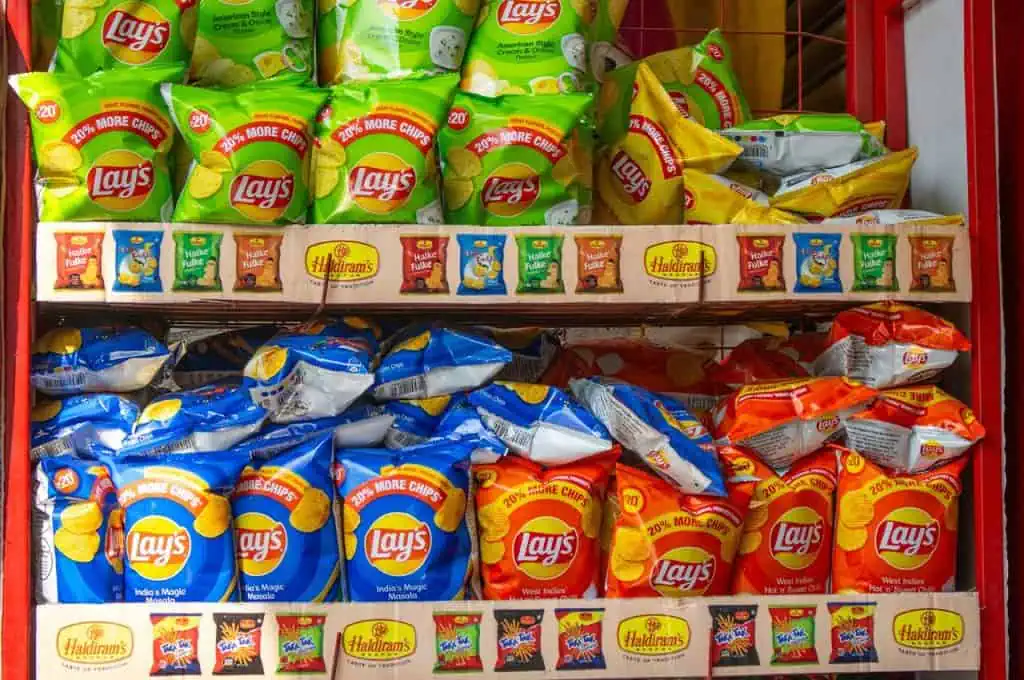
Packaged snacks today often mislead with oversized bags containing minimal content. This deceptive packaging creates the illusion of abundance but often delivers more disappointment than crunch. For a more gratifying snacking experience, make your own trail mix. Combine assorted nuts, seeds, and dried fruits for diverse textures and flavors. Roast nuts for added depth and sprinkle with a touch of sea salt or cinnamon to enhance natural tastes. This approach not only avoids the frustration of empty bags but offers a nutritious, flavor-packed alternative to store-bought snacks.
Bread: Higher Price, Lower Quality
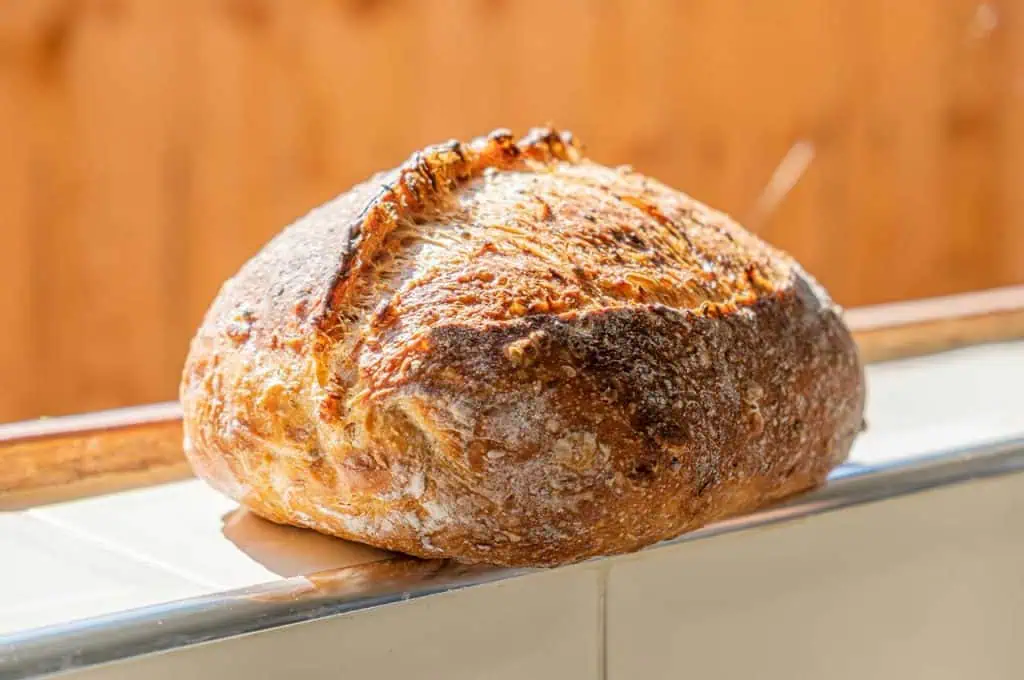
In recent years, bread has experienced a significant shift. Once a daily staple renowned for its hearty texture and full flavor, bread is now frequently mass-produced. This production often results in loaves lacking the rustic, crusty exteriors and chewy, flavorful interiors found in traditional artisanal varieties. The emphasis on speed and cost-cutting has led to additives and preservatives, impacting flavor and nutritional value. Despite higher prices, many industrially-produced breads fall short in quality, with bland taste profiles and diminished textures that lack the satisfying resilience of well-fermented bread dough.
Candy Bars: Miniature Disappointments

Candy bars, once hearty indulgences, have succumbed to shrinking sizes and altered flavor profiles. Cost-saving measures have driven manufacturers to reduce portion sizes, while composition changes have sometimes compromised richness. Original recipes, celebrated for their balance of creamy centers and smooth chocolate coatings, now often feature increased emulsifiers, impacting mouthfeel. Modern bars tend to emphasize excessive sweetness over layered flavors, disappointing those familiar with their historical counterparts. Although still beloved, current versions may leave seasoned snackers craving the intensity and satisfaction found in past incarnations.
