
10 Desserts From Around the World That Deserve More Love
Exploring lesser-known desserts from around the world adds variety to any culinary repertoire. These sweet creations reflect diverse cultures and unique flavor profiles, offering fresh inspiration to home bakers and experienced chefs alike. From the comforting warmth of Egypt’s semolina cakes to the delicate structure of Austria’s layered confections, each dessert brings something special to the table. Let’s delve into ten desserts that aren’t commonly highlighted but deserve more appreciation in kitchens everywhere.
Basbousa: Egypt’s Sweet Semolina Delight

Basbousa is a simple yet flavorful cake made primarily from semolina, lending it a unique, coarse texture. Traditionally soaked in aromatic syrup flavored with rose or orange blossom water, it stays moist and fragrant. To prepare, mix semolina with yogurt and sugar, baking until golden. Once out of the oven, pour the syrup over while still hot to ensure full absorption. Garnish with almonds for added crunch. The balance of earthy semolina and sweet, floral syrup creates a dessert that’s both comforting and intriguing.
Kardinalschnitten: Austria’s Cloud-Like Cake

Kardinalschnitten, with its impressive layers of meringue and cake, is a testament to Austrian pastry artistry. The contrasting textures, airy meringue and soft sponge, are skillfully assembled. Start by preparing separate layers of meringue and cake batter, carefully piping them side by side for a striped effect. As they bake together, ensure a light, golden finish. Fill with coffee-flavored whipped cream, which complements the mildly sweet layers. The careful assembly and balance of flavors showcase the elegance and precision of this treat.
Mochi Ice Cream: Japan’s Chewy Frozen Treat
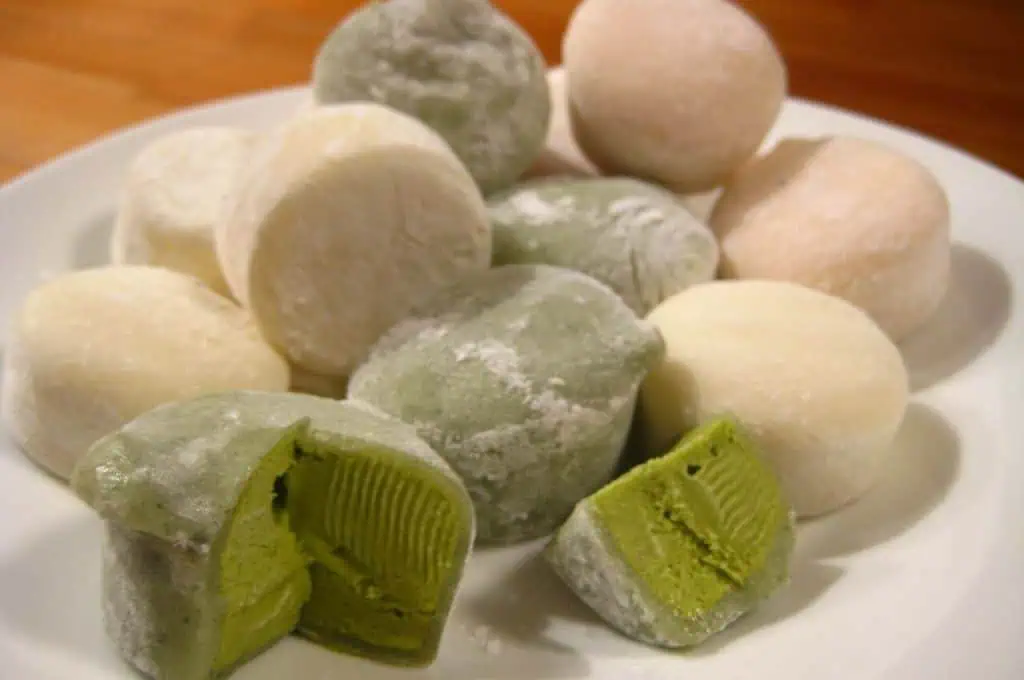
Mochi ice cream merges the chewy texture of mochi with creamy ice cream, offering a delightful contrast with every bite. Begin by wrapping small scoops of ice cream with thin layers of sweet glutinous rice dough. To achieve the ideal consistency, steam the rice flour mixture until translucent, then stretch and shape it around the chilled ice cream. Dust with cornstarch to keep it from sticking. The result is a refreshing dessert that balances the unique chewiness of mochi with the smooth, cool ice cream center.
Pasteis de Nata: Portugal’s Custard Tarts

Pasteis de Nata are Portuguese custard tarts with a flaky, buttery crust encasing a rich, creamy egg custard. Prepare by rolling puff pastry thin, then cut into rounds to fit muffin tins. Cook a smooth custard from cream, sugar, egg yolks, and vanilla, pouring it into the pastry shells. Bake at high heat for caramelized tops and a luscious interior. Serve with a dusting of powdered sugar or cinnamon. These tarts, with their perfect blend of crisp and creamy, invite indulgence with every bite.
Tres Leches Cake: A Latin Soaked Indulgence

Tres Leches Cake stands as a testament to Latin American culinary brilliance. Its name translates to “three milks cake,” referring to the trio of condensed, evaporated, and full cream milk that it absorbs effortlessly. For a superb texture, start with a light sponge cake, as its airiness ensures optimal milk absorption without turning soggy. When preparing the milk mixture, whisk until fully combined to prevent layering. Soak the cake overnight, allowing the rich, sweet flavors to meld. Top with a generous layer of whipped cream, subtly sweetened, maintaining focus on the milky infusion below.
Sernik: Poland’s Creamy Cheesecake

Sernik brings the essence of Polish tradition with its dense yet creamy texture. Using twaróg, a farmer’s cheese, gives it an authentic tang. If unavailable, a mixture of ricotta and cream cheese serves well as a substitute. Blend the cheeses until smooth, ensuring no lumps remain, as this affects the final texture. Add vanilla and a touch of lemon zest for brightness. Bake using a water bath to keep the cake moist and prevent cracking. Cool thoroughly before serving to allow flavors and textures to fully develop, resulting in a delightful balance of creaminess and firmness.
Dadar Gulung: Indonesia’s Pandan Rolls

Dadar Gulung captivates with vibrant green pancakes wrapped around a sweet coconut filling. The color and subtle aroma come from pandan leaves, which can be juiced or turned into extract. To create a thin, pliable pancake, blend flour, coconut milk, and pandan until smooth. The filling features freshly grated coconut simmered with palm sugar until the mixture caramelizes. Lay the filling along the pancake’s center, rolling tightly to enclose. Serve at room temperature, appreciating the contrast between the tender crepe and the chewy, sweet core.
Qatayef: Middle Eastern Pancake Magic

Qatayef are a Middle Eastern delight, offering diversity in fillings and flavors. These pancakes, typically cooked on one side, are folded and sealed with sweet or nutty fillings. For a perfect batter, mix flour, semolina, and yeast, allowing it to rest for slight fermentation, a key to the fluffiness. Opt for a cheese and nut blend or a simple cinnamon-sugar filling. Seal the edges firmly, then either bake or fry until golden. A drizzle of rose or orange blossom syrup elevates the sweet complexity, offering a fragrant finish to this beloved treat.
Tangyuan: China’s Syrupy Rice Dumplings
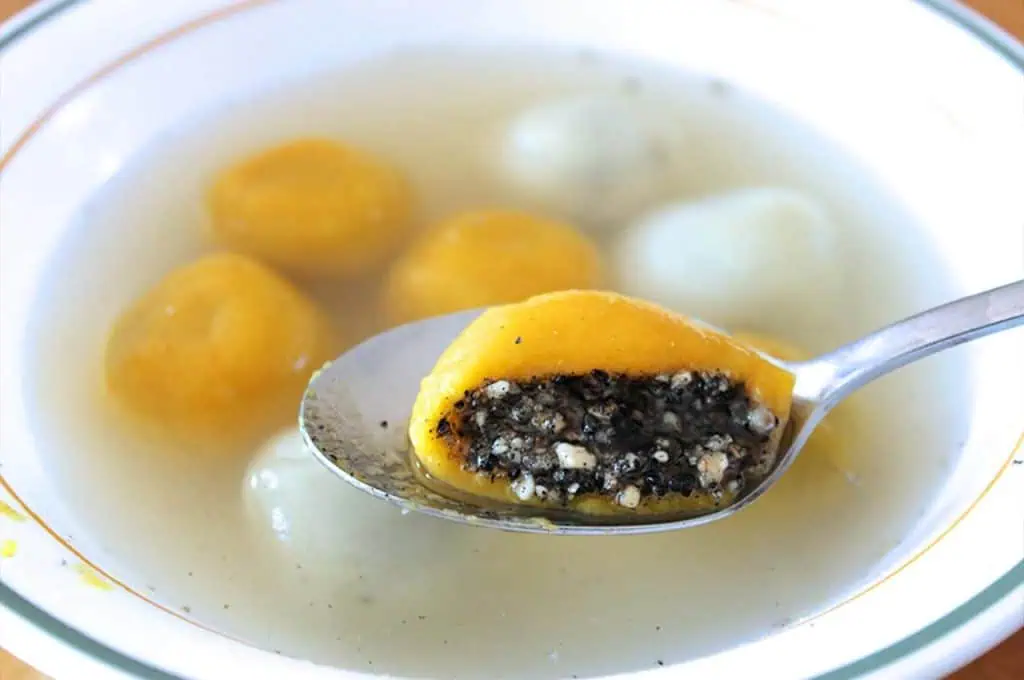
Tangyuan, a culinary symbol of togetherness, features sticky rice dumplings in a sweet syrup. Achieving the ideal texture requires precise dough mixing. Combine glutinous rice flour with water until smooth and pliable. Fillings range from sesame paste to red bean, providing rich contrasts to the dough’s neutrality. Shape the dumplings evenly for even cooking. Simmer gently in water until they rise, indicating doneness. Traditionally served in a ginger-infused syrup, tangyuan offers warmth and a delicate sweetness, perfect for celebrating family or special occasions.
Bebinca: Goa’s Layered Coconut Cake

Bebinca is a decadent, multi-layered cake from Goa, notable for its unique texture and rich coconut flavor. Each layer requires precision and patience, as the batter must be carefully spread and baked before adding the next. The cake is made from coconut milk, sugar, egg yolks, and nutmeg, offering a moist, slightly caramelized finish.
To make Bebinca, ensure a hot oven, preferably at 180°C (356°F), and use a tin lined with parchment. After spreading each layer, allow it to bake to a light golden color before adding more batter. This creates the defining striated appearance. The addition of ghee between layers helps achieve the perfect gloss and depth. Serve it warm or allow it to rest overnight to deepen its flavors and firmness, ideally slicing with a serrated knife to preserve clean layers.
