
10 Everyday Kitchen Habits That Lead to Major Food Waste
Minimizing food waste is not just about cutting down on costs; it's also a step towards sustainability and respect for resources. Many everyday habits in the kitchen contribute to unnecessary food waste. By becoming mindful of these practices, you can significantly reduce the amount of food that ends up in the trash, maximizing both the efficiency and enjoyment of your cooking. Here, we explore some common habits that lead to waste and offer practical solutions to help home cooks make the most of their ingredients.
Ignoring Expiration Dates

It's easy to overlook the significance of expiration dates, but they serve as a crucial guide to freshness. Misinterpreting these dates can lead to unnecessary waste. “Sell by” dates indicate peak quality, not spoilage. Use your senses—look, smell, and taste—to assess real freshness. For dairy, a slight sour smell means it's past its prime. Always store perishables at the right temperature, and rotate items in your fridge, placing the newest at the back to ensure older products are used first.
Overbuying Fresh Produce

Buying excessive fresh produce can lead to spoilage before consumption. Plan meals ahead and purchase only what you can realistically use within a week. Consider incorporating versatile ingredients that can cross over into different dishes. For example, leafy greens like spinach can be used in salads, soups, or smoothies. Keep track of what’s already in your pantry, and try a mid-week check-in to reassess needs. Clever planning not only reduces waste but also keeps your ingredients fresh and flavorful.
Improper Storage Techniques
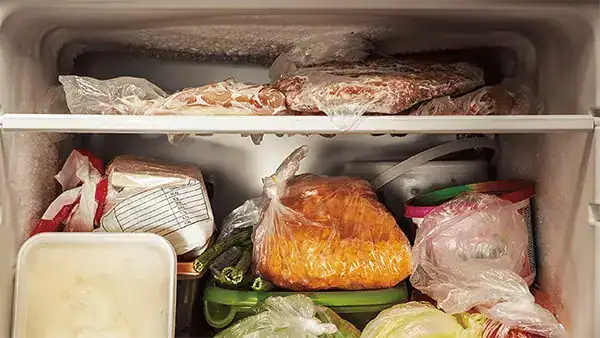
Storage plays a crucial role in prolonging the lifespan of your ingredients. Many foods require specific conditions to maintain their quality. For instance, onions and potatoes should be stored in a cool, dark place, separately from each other to prevent spoilage. Herbs last longer if stored in a jar with water in the fridge, loosely covered with a plastic bag. Learn which fruits and vegetables emit ethylene gas; these, like apples, should be isolated to prevent premature ripening of others.
Throwing Away Leftovers
Leftovers are often discarded due to mismanagement. Instead of tossing extra food, morph it into new meals. Transform roasted vegetables into a hearty soup or use cooked grains for a salad base. Label and date leftovers in transparent containers to keep them visible and within reach. Keep a list of leftover options on the fridge door to inspire creativity. By embracing leftovers, you elevate your kitchen efficiency and reduce waste, turning uninspiring remnants into satisfying meals.
Not Planning Meals

Meal planning is a fundamental kitchen habit that reduces food waste. By organizing your meals for the week, you can purchase only what you need, minimizing the risk of items spoiling before use. Start by reviewing your pantry and fridge, then create a shopping list focused on versatile ingredients that appear in multiple recipes. Incorporating leftovers into subsequent meals can also prevent waste. Effective planning ensures that each ingredient serves a purpose, eliminating the excess that leads to spoilage.
Peeling Fruits and Veggies

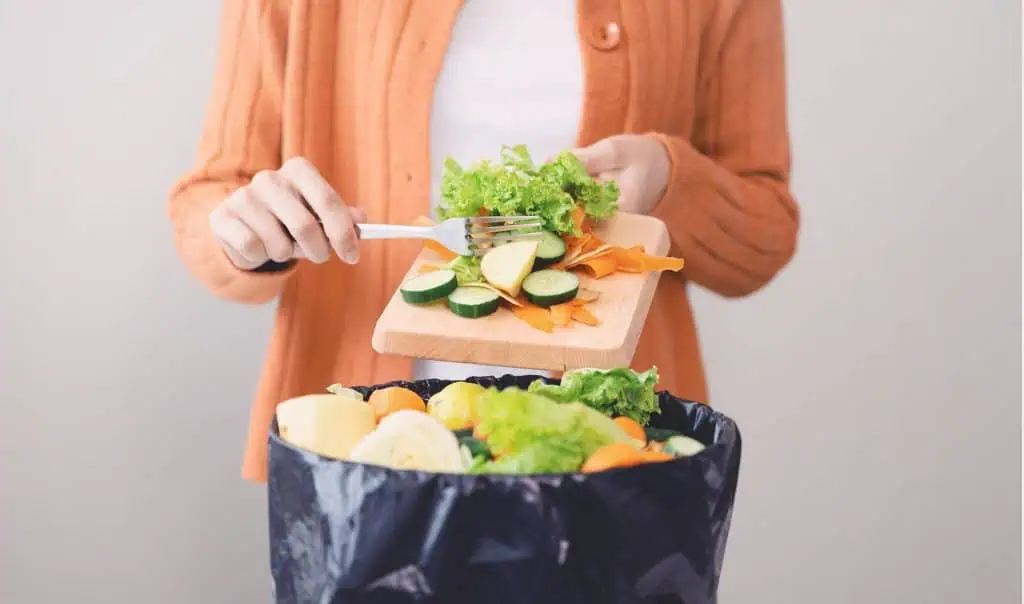
Unnecessarily peeling fruits and vegetables often leads to significant food waste. Skins on items like potatoes, carrots, and apples are not only edible but also nutrient-rich. Washing them thoroughly before cooking often suffices. By incorporating peels into recipes, such as roasted vegetable sides or fruit compotes, you can enhance flavors and textures while reducing waste. When peels are inedible, consider composting them instead of discarding, ensuring minimal waste from each meal preparation.
Misunderstanding Portion Sizes

Accurately assessing portion sizes can significantly cut down on food waste. Many cooks overestimate, resulting in unwanted leftovers that end up discarded. Use weighing scales or measuring cups as guides, and adjust based on your household's actual consumption patterns. Practicing portion control not only manages waste but can also lead to healthier eating habits. If leftovers persist, repurpose them creatively into new dishes, maintaining an appealing variety while utilizing everything cooked.
Neglecting Freezing Options

Freezing is an effective way to extend the lifespan of many foods, yet it's often underestimated. Properly stored in airtight containers or vacuum-sealed bags, meats, vegetables, and even herbs can be frozen without sacrificing quality. Label and date your items for easy identification and rotation. Before fresh produce turns, blanch and freeze it to preserve nutrients. Utilizing your freezer ensures ingredients remain available for future meals, drastically reducing spoilage and unnecessary waste.
Discarding Edible Parts

Many edible parts of food are mistakenly discarded, contributing to unnecessary waste. Broccoli stems, carrot tops, and beet greens are nutritious and can be integrated into various dishes. For example, broccoli stems can be sliced into stir-fries, and beet greens work well in salads or sautés. Making stock with vegetable scraps is another practical use. Recognizing the potential in these parts encourages zero waste cooking while enriching meals with unexpected flavors and textures.
Forgetting About the Fridge

Regular checks of your refrigerator can significantly reduce food waste. Begin by organizing items so older foods are easily seen and used first. Keep a running inventory on a notepad or phone app to refresh your memory about what’s available. At least once a week, review contents before shopping, planning meals around ingredients nearing expiration. Store leftovers in clear containers, positioned at the front where they’re visible. These small shifts in attention ensure ingredients are used in their prime, maintaining freshness and preventing spoilage.
