
Blackened Food Trend: Delicious or Dangerous?
There's something undeniably cool about blackened food. That dark, smoky crust. The bold Cajun spices. The sizzle of a hot cast-iron skillet. It's the kind of cooking that feels dramatic, flavorful, and a little bit rebellious. But here's the thing: while blackened dishes are absolutely delicious, they also raise some important health questions. When you cook food at super-high temperatures until it chars, you can create compounds like PAHs and HCAs—which have been linked to health risks in some studies. So is blackened food a treat worth savoring, or a trend worth skipping? The answer, as with most things, lies in balance.
If you're curious about the blackened technique—whether you're a fan of Cajun cooking or just love that smoky, spicy flavor—you're in the right place. In this article, we're diving into the origins of blackened cooking (hello, Louisiana and Chef Paul Prudhomme), the science behind the char, and how to enjoy it without overdoing it. You'll learn simple tips like using antioxidant-rich marinades, controlling heat to avoid burning, and balancing your plate with fresh, bright sides like citrus-dressed greens. No fear-mongering. Just real talk about flavor, technique, and how to cook smarter. Let's get sizzling—mindfully.
Bold Flavors: The High-Heat Technique

Blackening involves coating food with a mix of spices before cooking on a hot surface. This technique is known for intensifying flavors, as the charred exterior develops a complex, smoky profile. The key is maintaining a precise temperature on the pan; it should be hot enough to sear without burning. Nonstick surfaces or cast iron skillets are ideal to prevent sticking. Mastery of this method ensures a distinctive, bold taste without compromising the food's integrity.
Cajun and Creole Culinary Roots

Blackened dishes boast a rich heritage in Cajun and Creole cuisines. Originating in Louisiana, this style owes its popularity to chefs like Paul Prudhomme, who popularized the method in the 1980s. It involves a blend of spices such as paprika, cayenne, thyme, and garlic powder. These spices are integral, delivering a fiery heat and depth of flavor. Understanding these roots not only enhances appreciation but also guides authentic preparation, respecting tradition while adapting to modern tastes.
Charred or Burnt? The Visual Appeal
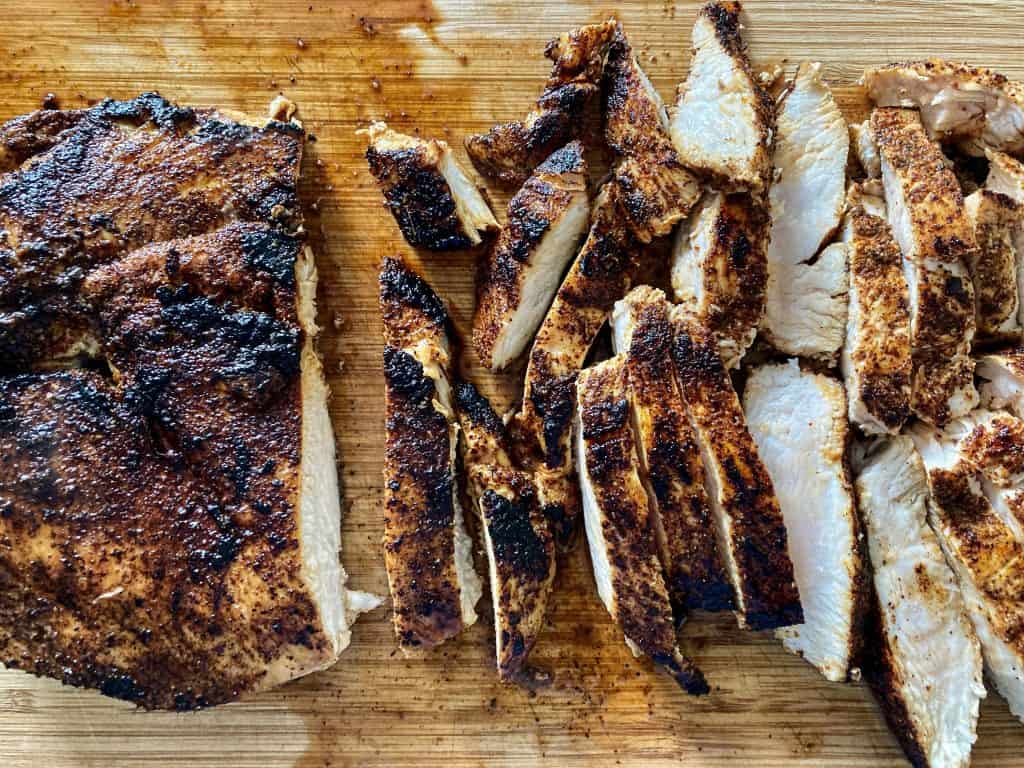
A key aspect of blackened food is its distinctive outer crust, which can be visually striking. The goal is achieving a crispy, rich-brown layer without crossing into bitterness, a fine line between perfect char and burnt. Monitoring cooking time and temperature is crucial. Properly executed, the crust offers a pleasing contrast to the tender interior, enhancing both texture and taste. This technique appeals to the eye and the palate, making it a sought-after skill for chefs.
Harmful Compounds: A Health Concern?
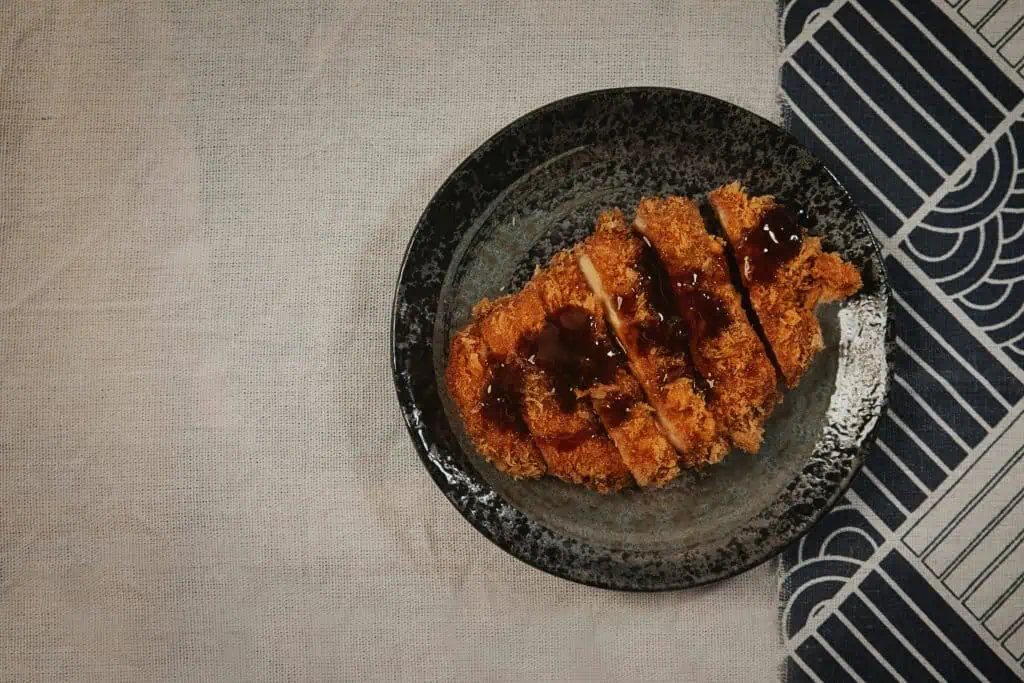
While blackened food has culinary appeal, it raises concerns about health due to potentially harmful compounds formed at high temperatures. Polycyclic aromatic hydrocarbons (PAHs) and heterocyclic amines (HCAs) can develop when food is charred. These substances have been studied for links to health risks. Moderation and proper technique, such as managing heat and using antioxidant-rich marinades, can help mitigate these risks. Awareness and balance are key to safely enjoying the bold flavors of blackened cuisine.
Taste vs. Health: Finding the Balance
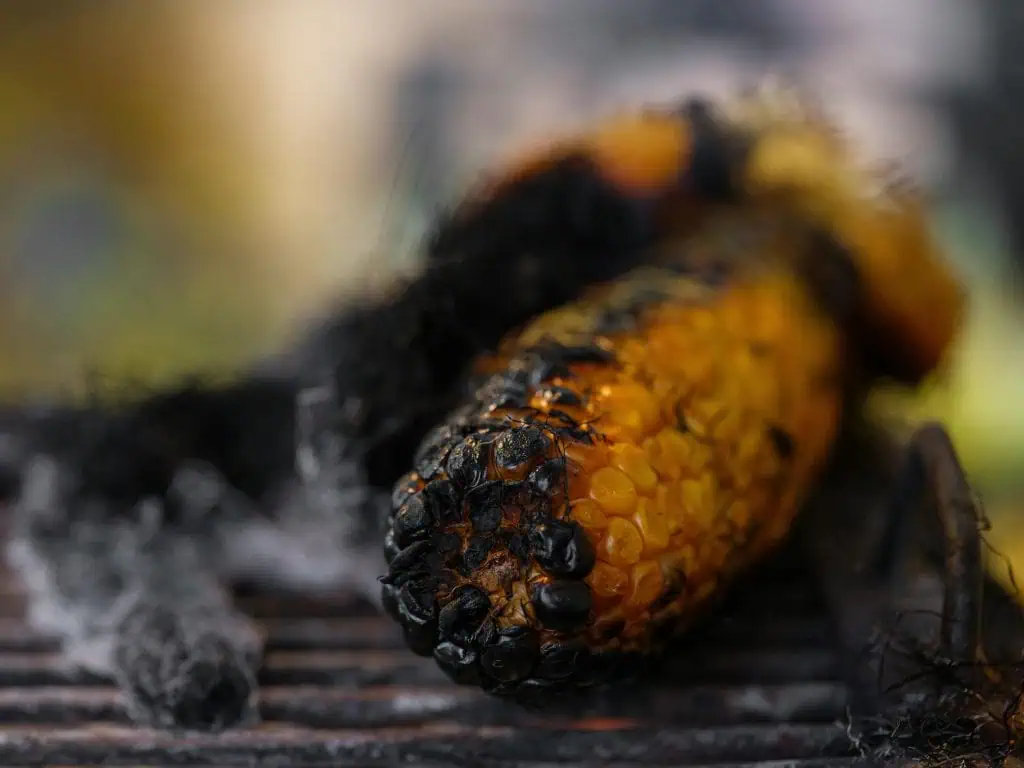
Blackened food captivates with its bold, smoky flavors, achieved through a precise blend of spices and high-heat cooking. However, the charred exterior can raise concerns about potential carcinogens like acrylamide. To strike a balance, control the intensity of the heat and limit exposure time by using a cast-iron skillet, which distributes heat evenly. Incorporate antioxidant-rich herbs like thyme and oregano to counteract health concerns. This method retains the dish’s striking flavor while adding nutritious elements, ensuring a delectable yet mindful culinary experience.
Modern Menus: Rising Popularity
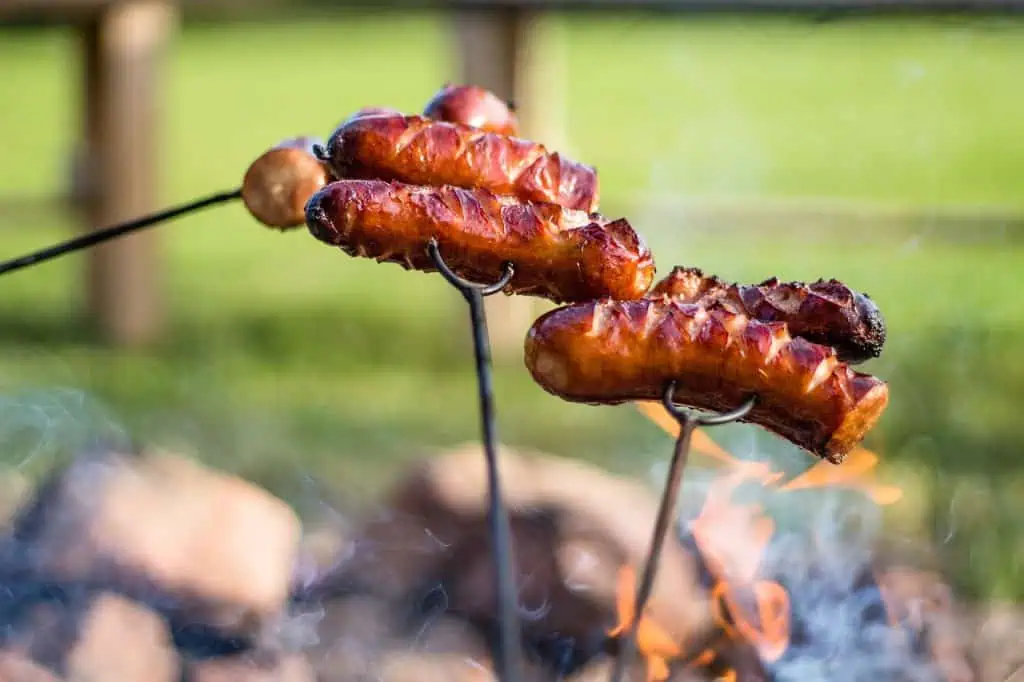
Blackened dishes have secured a prominent spot on trendy menus, appreciated for their vibrant taste and visual appeal. Restaurants often highlight proteins like fish or chicken, combining them with fresh, contrasting elements such as citrus-dressed greens or zesty slaws. This pairing not only enhances the flavor but also introduces a balance of textures. Home cooks can emulate this by experimenting with different spice rubs and accompaniments, allowing for uniquely tailored dishes that capture the essence of this culinary trend, all while maintaining a mindful approach to health.
