
Where Food Costs the Most: 12 Countries with Sky-High Grocery Bills
When it comes to food shopping, costs can significantly vary worldwide. Some countries face particularly high grocery prices due to factors like import duties, small-scale agriculture, and geographical challenges. Understanding where food costs are steepest can inform both travelers and residents about budget expectations. This guide explores twelve countries with notable grocery expenses, highlighting local price drivers and offering insights into the unique economic landscapes that contribute to these high costs.
Switzerland: Alpine Prices

In Switzerland, the breathtaking alpine scenery comes with equally impressive grocery bills. The nation’s emphasis on high-quality standards means many food products are sourced from local, small-scale farms, driving up prices. Import barriers and a strong Swiss franc further contribute to higher costs for basic items. Visitors should expect fresh produce and dairy to be particularly pricey, but the quality and taste often justify the expense. Navigating these high prices requires strategic shopping, such as buying during market sales or choosing store-brand items for a more affordable option.
Norway: Northern Expenses

Norway’s stunning landscapes and robust economy translate to some of the highest grocery prices globally. Stringent regulations prioritize sustainable farming practices and animal welfare, directly impacting food costs. Given its northern location, a significant portion of fresh produce is imported, adding to the price tag. For home cooks in Norway, focusing on local seafood can offer some savings, as it is both abundant and of exceptional quality. Emphasizing seasonal vegetables can also help mitigate expenses when planning meals.
Japan: Island Costs

Japan’s grocery prices reflect its unique geography and cultural practices. As an island nation, Japan imports a substantial percentage of its food, including staple grains and specialty produce. This import reliance, combined with a preference for premium and meticulously graded products, results in higher grocery bills. For home cooks, taking advantage of Japan’s seasonal ingredients can offset some cost, offering freshness and an opportunity to explore regional flavors. Local markets can also provide more affordable options compared to supermarkets.
Iceland: Cold Climate, Hot Prices
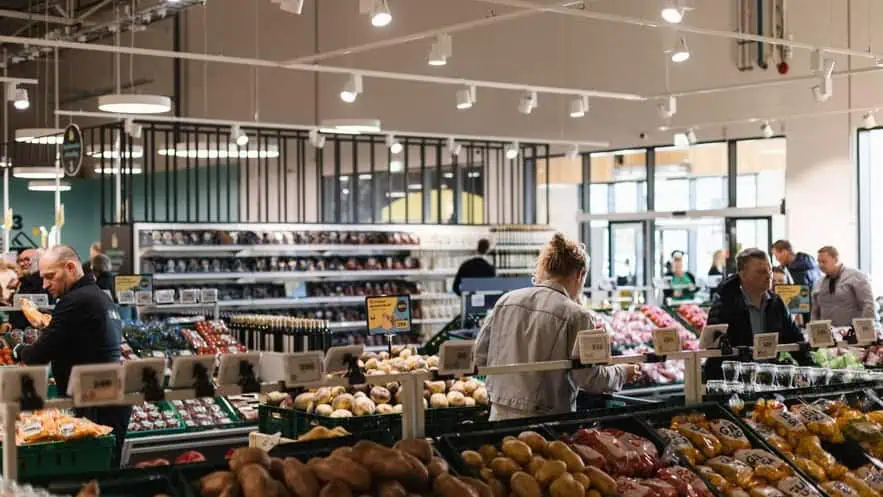
Iceland’s dramatic landscapes and remote location contribute to elevated grocery prices. Much of the country’s food must be imported, leading to increased costs for both fresh produce and packaged goods. The harsh climate restricts local farming, further escalating expenses. However, Icelanders excel at maximizing their local resources, such as geothermal energy, to grow certain vegetables domestically. Savvy shoppers focus on native fish and lamb, which provide quality and relatively lower prices. Embracing these local options can make daily shopping more manageable.
Denmark: Scandinavian Spend
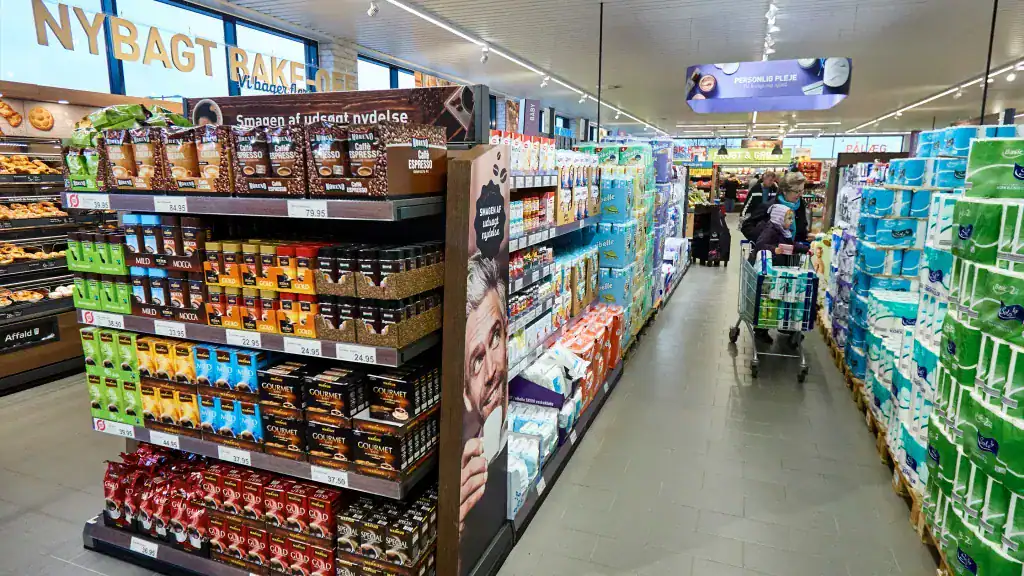
In Denmark, high-quality local ingredients define the culinary landscape, yet they come at a premium. Fresh seafood and organic produce are staples, but their costs reflect the country’s rigorous standards. Danish rye bread, with its complex, nutty flavor, is a must-try, though it’s not a budget-friendly choice. To embrace Danish cooking, focus on the purity of each component. Use butter sourced from grass-fed cows for optimal richness in sauces and baking, and seek out seasonal vegetables to highlight their peak flavors.
Luxembourg: Small Country, Big Bills
Luxembourg’s dining scene is an intriguing blend of French and German influences, evident in the quality-driven yet costly groceries. Opt for local specialties like Judd mat Gaardebounen, a dish requiring premium smoked pork collar. When preparing it, patiently soak the pork to enhance tenderness and flavor, and pair it with fresh broad beans for an authentic touch. The use of local wines in cooking can elevate dishes but expect a noticeable price tag on these products. Prioritize freshness and simplicity in execution.
Singapore: City-State Surcharges
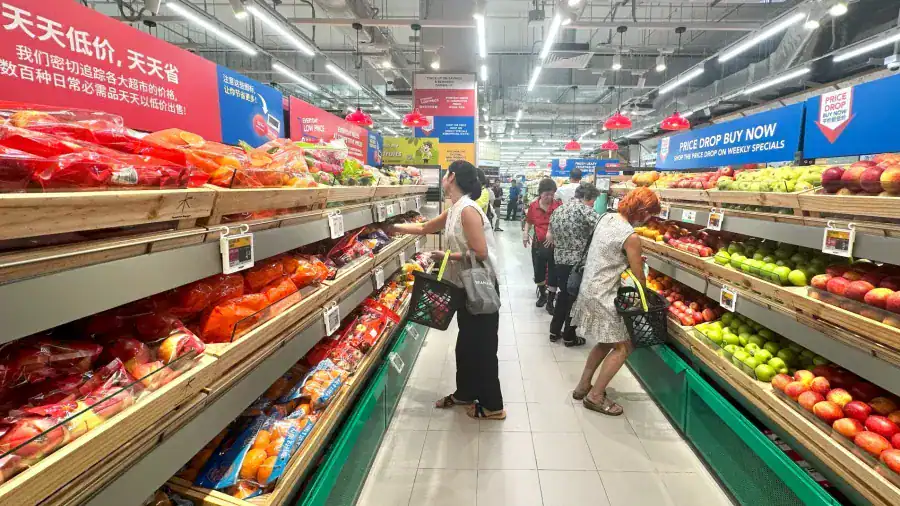
Singapore offers an eclectic mix of Asian flavors, yet the import-focused market results in higher grocery costs. Prioritize quality when sourcing ingredients such as fresh chili, lemongrass, and coconut milk for authentic Laksa. A well-made spice paste defines this dish; take time to blend garlic, shallots, and shrimp paste to a smooth consistency for depth of flavor. Balancing the sweet, sour, and spicy notes requires precision, so fresh ingredients are non-negotiable despite their higher price point.
South Korea: High-Tech, High Prices
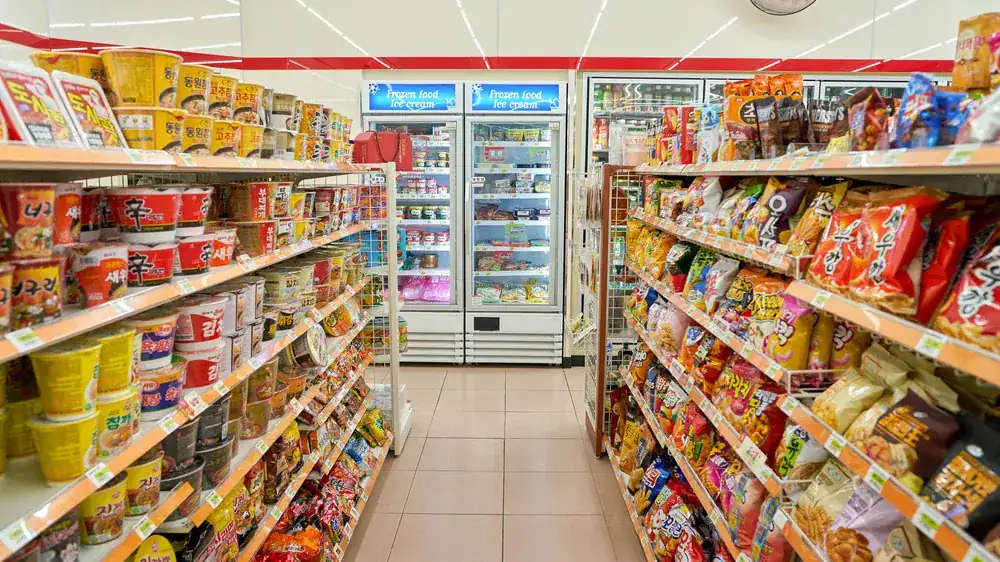
In South Korea, the emphasis on technology and tradition influences food costs. Foods like Hanwoo beef, prized for its marbling, demand premium prices. To maximize its flavor, employ a simple grilled preparation with minimal seasoning, allowing the beef’s quality to shine. Essentials like gochujang and soy sauce are staples, with sought-after artisanal versions elevating basic dishes. Ingredients such as kimchi involve fermentation, a process worth mastering for unique flavors and potential cost savings.
Australia: Down Under, Prices Up
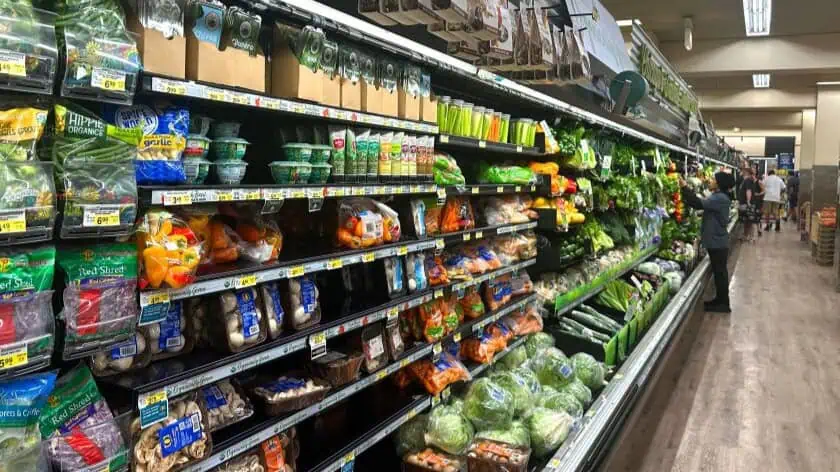
Australia’s vast landscapes produce diverse food options, yet costs are elevated by the reliance on imports. Embrace local meats like kangaroo for an eco-friendly, high-protein choice, preparing it simply to retain tenderness. Seasonal produce such as avocados can be costly; however, their creamy texture is irreplaceable in dishes. When grilling, opt for Australian olive oil, prized for its robustness. The focus on fresh herbs like coriander and mint can transform dishes while justifying their expense through flavor payoff.
Ireland: Emerald Isle Expenses

Ireland’s lush landscapes come with a high cost for groceries. The island nation’s reliance on imports contributes significantly to food prices. To mitigate expenses, focus on local produce such as potatoes and cabbage, which are abundant and affordable. Utilize traditional techniques like boiling and steaming to maintain the vibrant flavors and nutrients of these vegetables. When cooking meats, opt for lesser-known cuts like flank or brisket that benefit from slow, moist cooking methods to achieve tenderness and depth of flavor. Explore Irish breads like soda bread, which can be made economically at home.
Belgium: European Market Markup
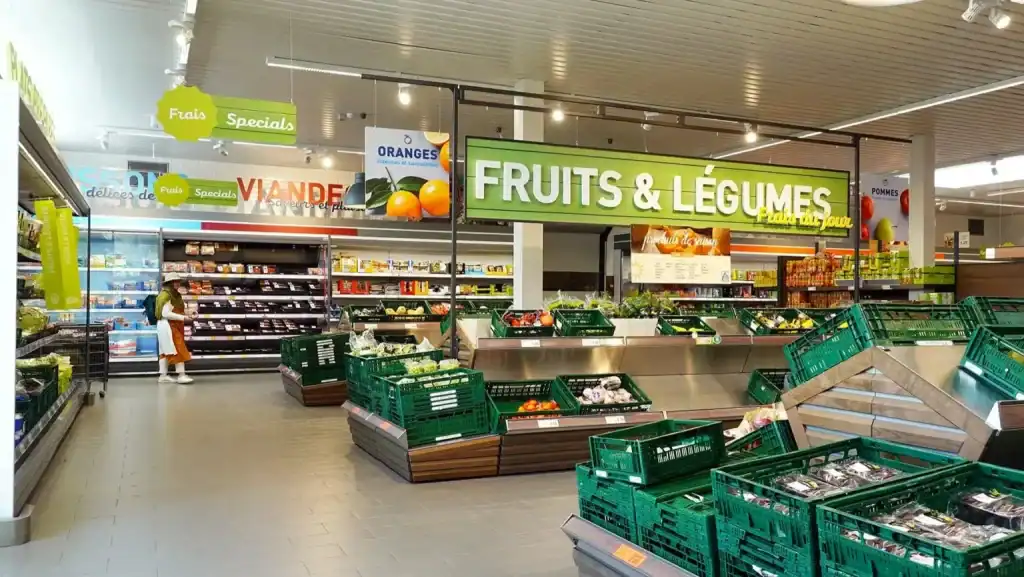
Belgium’s reputation for quality ingredients often means a higher grocery bill. Specialty items like chocolate and beer can make shopping prices soar. However, you can enjoy Belgian flavors by prioritizing seasonal produce and staples such as leeks and Belgian endive. Roast leeks to enhance their sweetness or use endive raw in salads for a crisp, slightly bitter contrast. Belgian waffles, although a potential splurge item due to high butter content, can be crafted at home with precision—focus on achieving a golden crisp exterior and light, airy interior by using a well-heated waffle iron and careful batter preparation.
Finland: Land of Thousand Lakes, Costs

Finland’s pristine environment is reflected in its grocery prices, with fresh fish and organic produce being particularly costly. To embrace Finnish flavors affordably, consider foraging—or purchasing locally sourced mushrooms and berries during peak seasons. Preserve their taste by drying mushrooms or making berry jams. Finnish rye bread, rich with a distinct tanginess, is an excellent homemade project that pairs well with the country’s plentiful, though expensive, smoked fish. Balance out meals with hearty root vegetables like carrots and swedes, which thrive in Finland’s climate and offer a cost-effective way to enjoy traditional Nordic meals.
