
The Spice Route Revival: Old World Flavors in Today’s Kitchens
Reviving old-world spices in modern kitchens offers a journey through history, enhancing your meals with layers of depth and intrigue. Embracing these ancient flavors opens a realm of culinary nostalgia and innovation. Whether you're a seasoned chef or a home cook, incorporating these spices not only enriches dishes but also connects you to cultures and traditions that shaped culinary history. This revival invites exploration of ingredients that transform everyday meals into extraordinary experiences.
From Silk Road to Spice Rack

The Silk Road was a network of trade routes that delivered exotic spices to the world, each with distinct flavors enhancing traditional cuisines. These spices, now staples in our spice racks, bridge past and present culinary practices. Integrating them requires understanding their potent profiles. For instance, when using potent spices like clove or cinnamon, a gentle hand emphasizes their essence without overpowering the dish. These spices' historical importance adds a rich depth, reviving dishes with a touch of the ancient world in today’s kitchen.
Saffron’s Golden Glow Returns
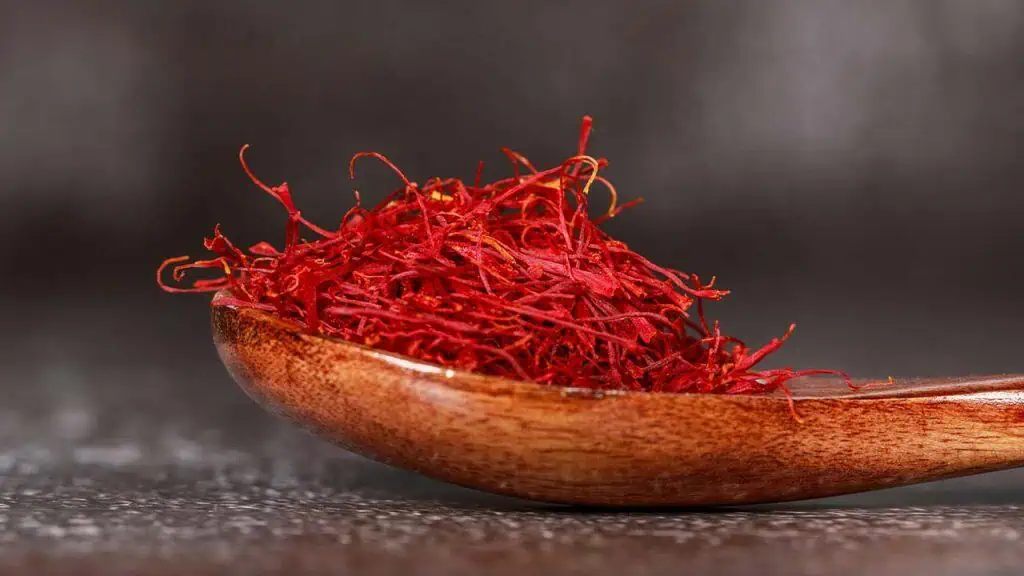
Saffron threads, known for their vibrant color and unique aroma, lend an earthy richness and a hint of floral sweetness to dishes. When preparing, steeping the threads in warm water or broth releases the essence more fully, coloring and flavoring dishes beautifully. Its versatility shines in both savory and sweet preparations—it enhances rice, broths, and desserts like a delicate cake or panna cotta. Even a small pinch of these threads can transform a simple dish, affirming saffron’s prestigious place throughout culinary history.
Sumac: Modern Mediterranean Secret
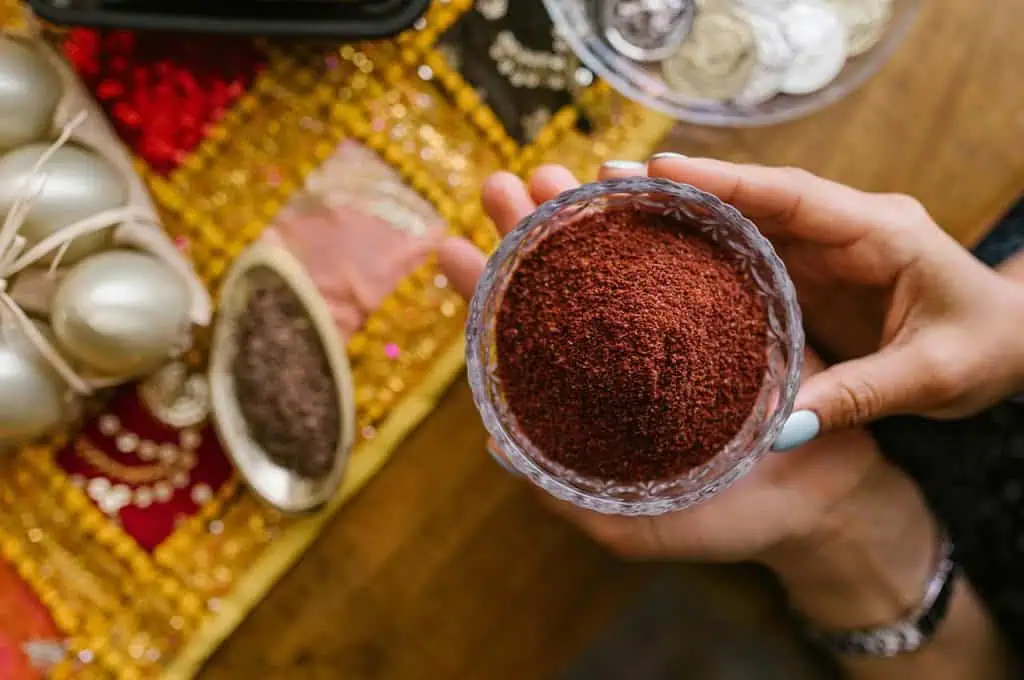
Sumac, a tangy lemon-like spice, is essential in Middle Eastern and Mediterranean cuisines. It imparts a vibrant zing to salads, meats, and dips, complementing flavors with its citrusy brightness. As a dry rub, it pairs seamlessly with grilled lamb or chicken, balancing richness with acidity. Sprinkle over roasted vegetables, or blend into dressings for a refreshing twist. Sumac is a versatile spice that revives traditional dishes with modern simplicity, bringing a bright, fresh element to everyday cooking.
Za’atar: Middle Eastern Flavor Surge

Za’atar, a blend of herbs like thyme and oregano with sesame seeds and sumac, is a staple in Middle Eastern kitchens. It adds complexity and earthiness to flatbreads, meats, and salads. Spread it over bread with olive oil for a simple yet fragrant appetizer. Its nutty, herbal notes enhance roasted chicken or vegetables, offering an aromatic depth that's unmistakably Middle Eastern. Za’atar harmonizes flavors, making it a transformative yet accessible spice blend for contemporary culinary creations.
Cardamom’s Sweet and Savory Revival
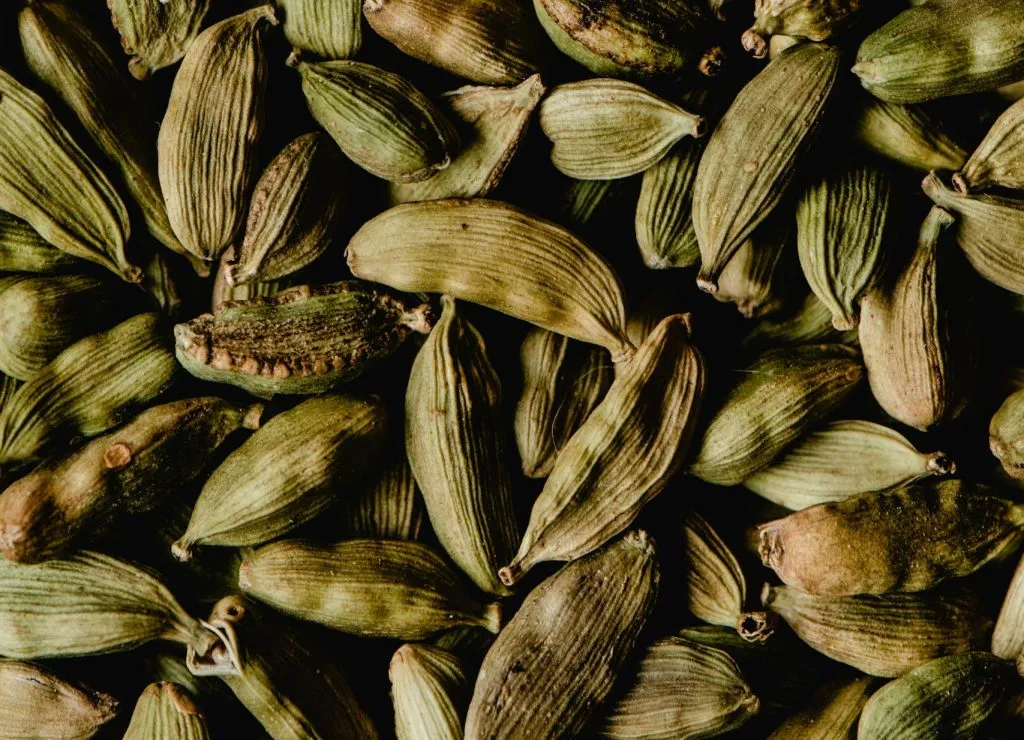
Cardamom adds a unique complexity to both sweet and savory dishes. For a savory twist, infuse a lamb stew with cardamom pods; they lend a citrusy, floral note that complements the richness of the meat. In desserts, ground cardamom enhances almond cakes, providing a warm, spicy intrigue similar to cinnamon but with a refreshing finish. Always toast cardamom pods lightly before use to unlock their full aromatic potential. This spice works beautifully in rice pilafs, pairing well with basmati to create a delicately perfumed base.
Turmeric: Ancient Roots, Trendy Glow
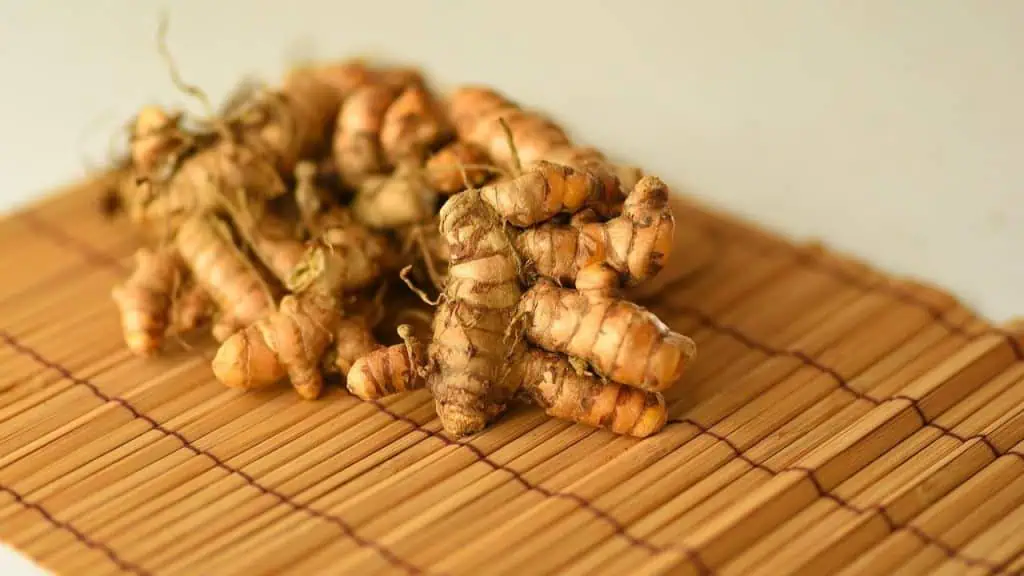
Turmeric has transitioned from ancient kitchens to modern health food trends thanks to its vibrant color and earthy flavor. Fresh turmeric, grated into curries, offers an aromatic depth that's more intense than its powdered form. When preparing golden milk, balance its slightly bitter undertones with honey and a pinch of black pepper, which enhances turmeric’s health benefits. Turmeric lends a mellow warmth to roasted vegetables and rice dishes, providing not only flavor but also a visually appealing hue that's unmistakable and inviting.
Clove and Cinnamon: Dessert Duo
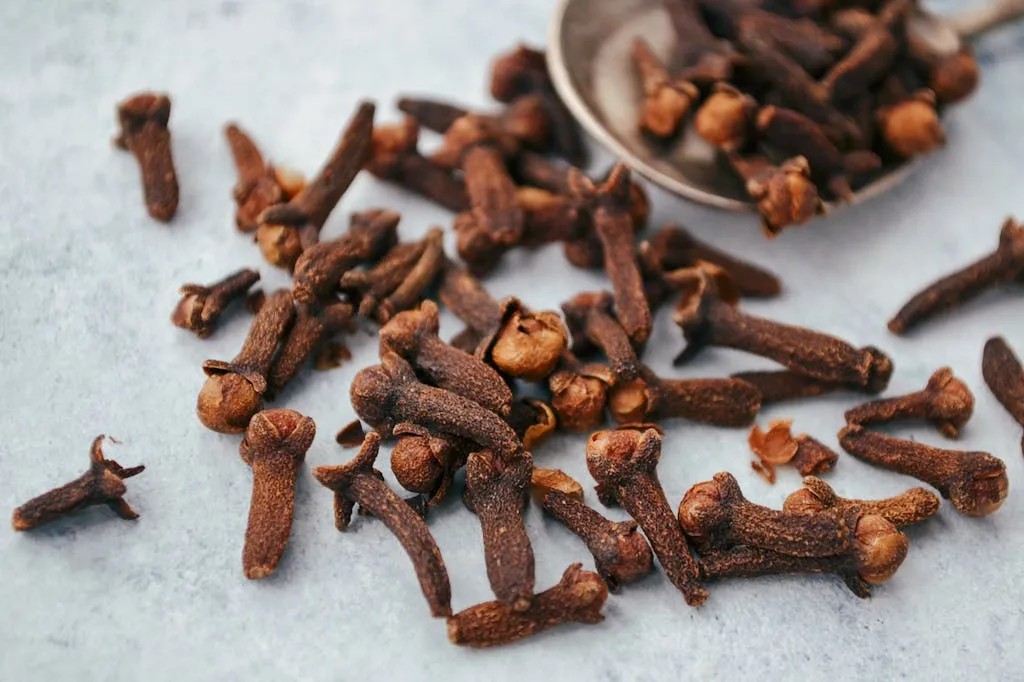
The pairing of clove and cinnamon brings a robust depth to desserts. Clove's intense, spicy flavor works in harmony with cinnamon’s warm sweetness to elevate apple pies and gingerbread. Use whole cloves to infuse custards and creams, removing them prior to serving to leave a subtle, lingering spice. Cinnamon sticks can be simmered with milk or cream for pudding bases, offering a soothing fragrance. These spices are best used sparingly to avoid overpowering other flavors, maintaining a balanced and intriguing taste profile.
Fenugreek in Fusion Cooking
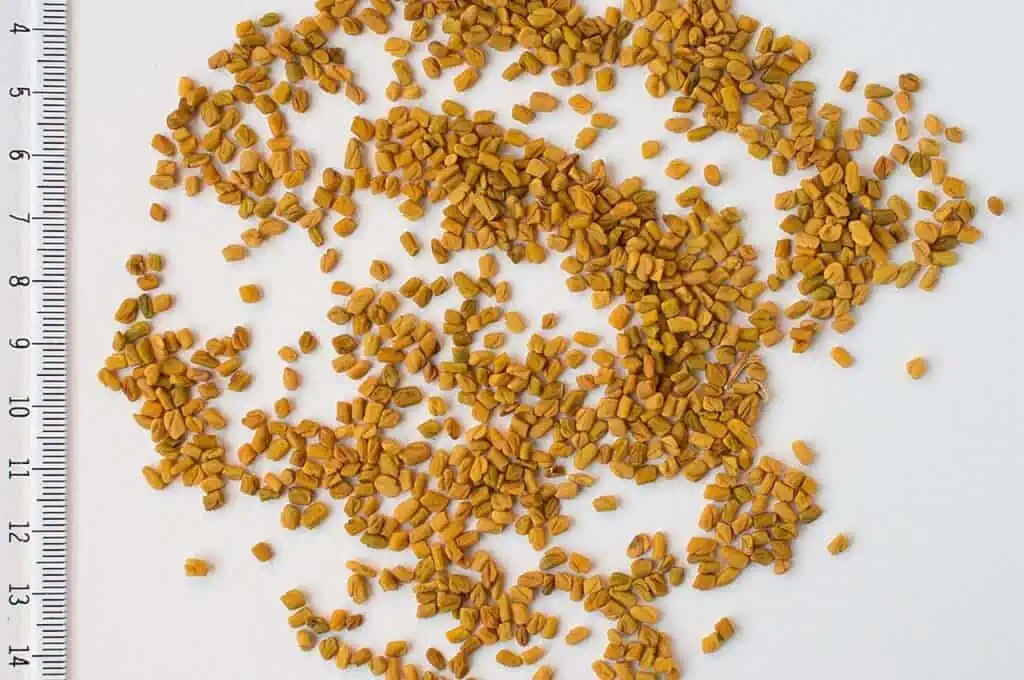
Fenugreek leaves and seeds add a nutty sweetness to fusion dishes. Incorporate ground seeds into marinades for meats like chicken or pork to impart a maple-like flavor. Fresh leaves can be sautéed with garlic and ginger, introducing a unique bitterness that enhances vegetable stir-fries. When using seeds, lightly crush them to unlock their aroma before adding to curries or sauces. Fenugreek's versatility makes it a valuable component in contemporary recipes looking to blend traditional and modern culinary techniques.
Spice Blends: Ras el Hanout & Masala
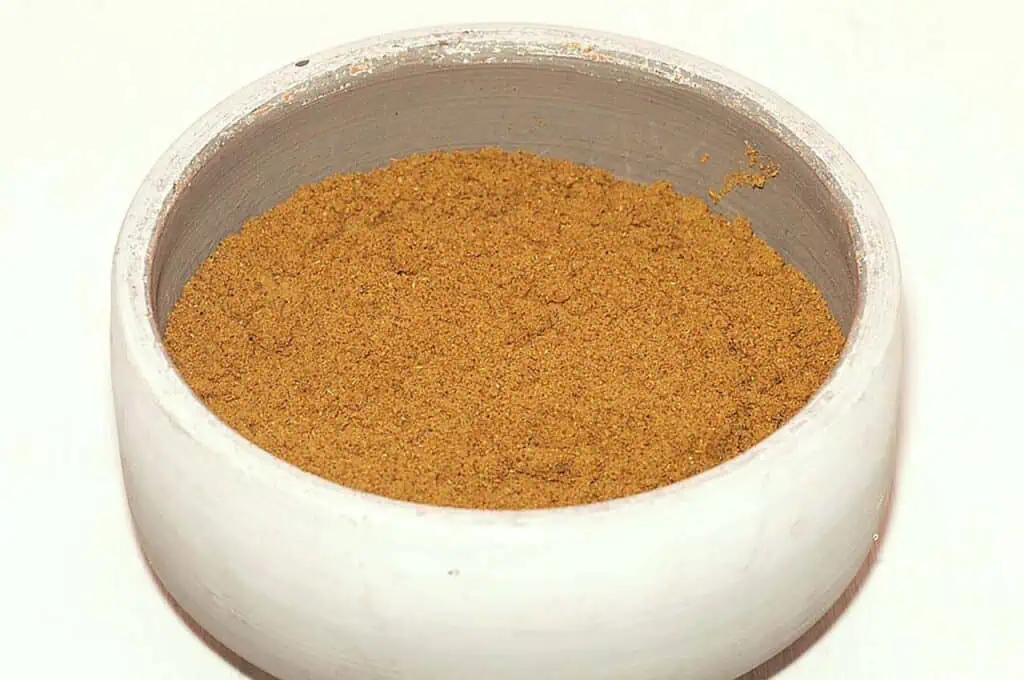
Ras el Hanout and Masala are staple blends that bring vibrant, layered flavors to dishes. Ras el Hanout, full of floral, peppery, and citrus notes, is perfect for spicing up tagines or grilled vegetables. Toast the blend gently to release its full bouquet before adding to dishes. Garam Masala can be sprinkled over soups and stews towards the end of cooking for a burst of heat and depth. Crafting these blends at home allows you to tailor the spice balance to your preference, creating a signature aroma that elevates your cooking.
Reinventing Dishes with Ancient Spices
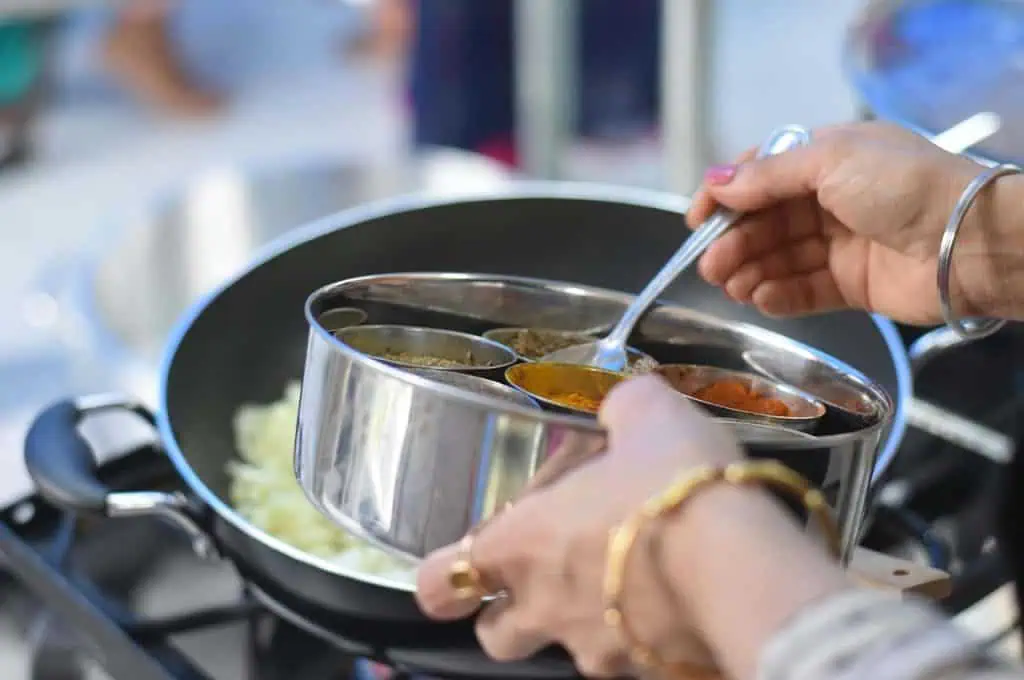
To breathe new life into familiar recipes, consider incorporating ancient spices like sumac, fenugreek, or aleppo pepper. These spices bring depth and complexity, transforming ordinary dishes into flavorful experiences. Sumac’s tangy, citrusy notes enhance salads or roasted vegetables, while fenugreek adds a subtly sweet, nutty flavor to curries and stews. Aleppo pepper, with its mild heat and fruity undertones, is perfect for seasoning meats or pasta. Toasting these spices gently before use unlocks their aromatic oils, elevating their potency in your dish.
