
The MIND Diet, Explained: Simple Changes for a Sharper Brain
The MIND Diet, a blend of the Mediterranean and DASH diets, aims to support cognitive health through mindful eating patterns. Focused on foods that enhance brain function, this approach is simple yet impactful. By emphasizing nutrient-dense options and minimizing those potentially harmful to cognitive abilities, the MIND Diet encourages healthier choices that can be seamlessly integrated into daily habits. It's an evidence-based way to nurture both your body and mind.
The Science Behind Brain Health

This diet harnesses nutrients shown to delay cognitive decline. Omega-3 fatty acids in fish, antioxidants in berries, and vitamin E in nuts are key components. They're renowned for reducing oxidative stress and inflammation, both linked to brain aging. Research indicates the MIND Diet can lower Alzheimer's risk, emphasizing its preventive potential. By focusing on foods that support neurogenesis and brain plasticity, it offers evidence-driven pathways to preserve mental acuity.
Key Foods to Incorporate

Leafy greens like spinach and kale are rich in brain-boosting nutrients such as folate and vitamin E. Berries, particularly blueberries and strawberries, provide potent antioxidants. Fatty fish like salmon offer essential omega-3s, which support neural health. Whole grains, including quinoa and brown rice, deliver sustained energy for mental focus. Regularly incorporating these foods fosters a balanced approach that nourishes cognitive function and energizes the body.
Foods to Limit or Avoid

The diet suggests reducing red meat, butter, and full-fat cheese, which can increase inflammation and oxidative stress. Limiting pastries, sweets, and fried foods is advised to decrease intake of saturated fats and sugars that may impair cognitive function. Instead, focus on using olive oil for cooking and snacking on nuts instead of processed options. Reducing these potentially detrimental foods can significantly contribute to maintaining a healthy brain and overall well-being.
How the MIND Diet Lowers Dementia Risk
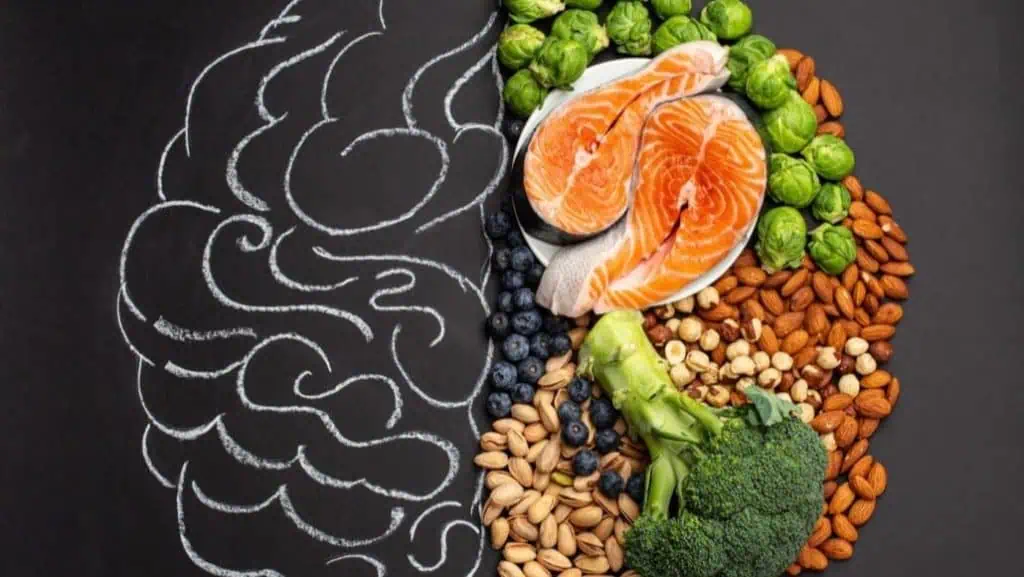
The MIND diet combines elements from the Mediterranean and DASH diets to reduce the risk of dementia. It emphasizes the intake of brain-healthy foods while minimizing components that may contribute to cognitive decline. Key features include increasing berries, leafy greens, nuts, and whole grains, all rich in antioxidants and essential nutrients that support brain function. Staying consistent with these choices can potentially lower Alzheimer's risk by focusing on neuroprotective benefits of specific food groups.
Easy Swaps for Everyday Meals

Implementing the MIND diet in your daily routine can be straightforward with a few simple swaps. Use whole grains such as quinoa or brown rice instead of refined grains. Replace red meats with fatty fish like salmon to boost omega-3 intake. Choose olive oil as your primary cooking fat for its monounsaturated health benefits. These adjustments ensure you're enhancing your meals with ingredients that support cognitive health without compromising on flavor or satisfaction.
Tips for Long-Term Success
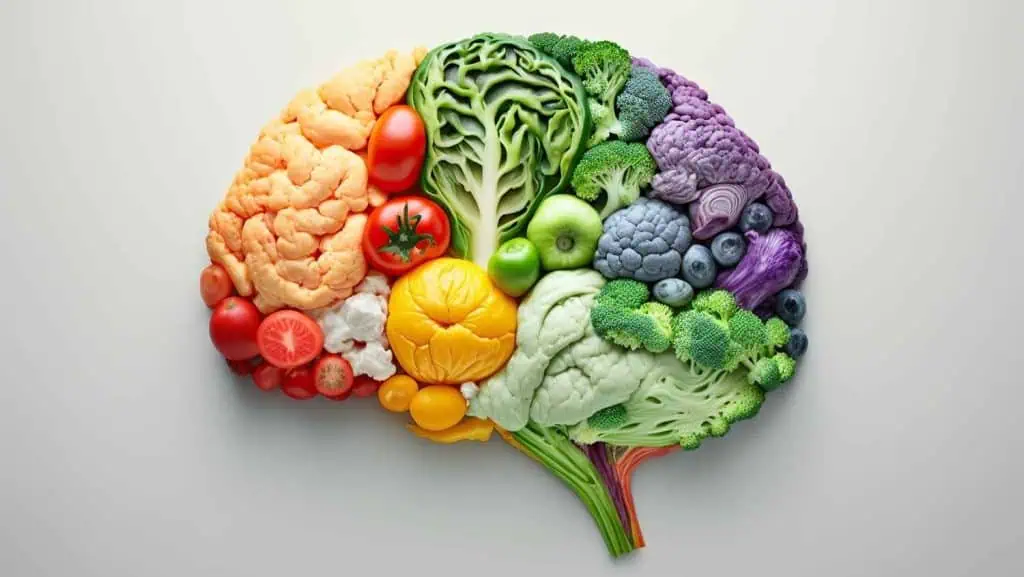
Adhering to the MIND diet over the long term requires practical strategies. Start by planning meals around brain-boosting ingredients, making them readily available and convenient. Batch-cook to save time and stay committed when life gets hectic. Incorporate variety by exploring different recipes online that align with MIND guidelines. Keeping a food journal can also help monitor your progress and identify areas for improvement, ensuring sustained success and cognitive benefits.
Real-Life Success Stories

Many individuals report significant cognitive improvements after adopting the MIND diet. Some notice increased alertness and memory retention, attributing changes to the diet's emphasis on nutrient-dense foods. One successful story involves a retired educator who followed the MIND principles and experienced a notable reduction in brain fog. These experiences highlight the potential impact of dietary choices on mental sharpness, motivating others to embrace this approach for cognitive longevity.
