
12 Terrible Food Tips That Just Won’t Go Away
Navigating the world of culinary advice can be challenging, especially with outdated or misleading tips circulating widely. These persistent myths can often lead home cooks astray, impacting your journey towards satisfying and successful cooking. In this guide, we aim to clear the air on some of the most common yet misguided food tips that continue to confuse both novice and experienced cooks alike. By understanding these myths, you can make informed choices and enhance your cooking ventures.
Avoid All Fats for Health

The belief that all fats are detrimental to health is misleading and can deprive your cooking of flavor and texture. Healthy fats, such as those found in olive oil, avocados, and nuts, are essential for nutrient absorption and satiety. Incorporating these fats into dishes enhances richness and helps develop nuanced flavors. Instead of eliminating fats, focus on balancing them in your diet. Cooking with moderate amounts of healthy oils can elevate dishes without compromising your health goals.
Late-Night Eating Myths

The notion that eating late at night inherently causes weight gain oversimplifies the relationship between diet and metabolism. Weight gain is more about overall calorie balance than timing. However, heavy or rich meals close to bedtime can disrupt sleep. Opt for lighter, balanced snacks if hunger strikes late. Consider choices like yogurt with berries or a small portion of nuts to satisfy cravings without overloading your digestive system. The key is moderation and mindful selection.
Juice Cleanses Detox Truths
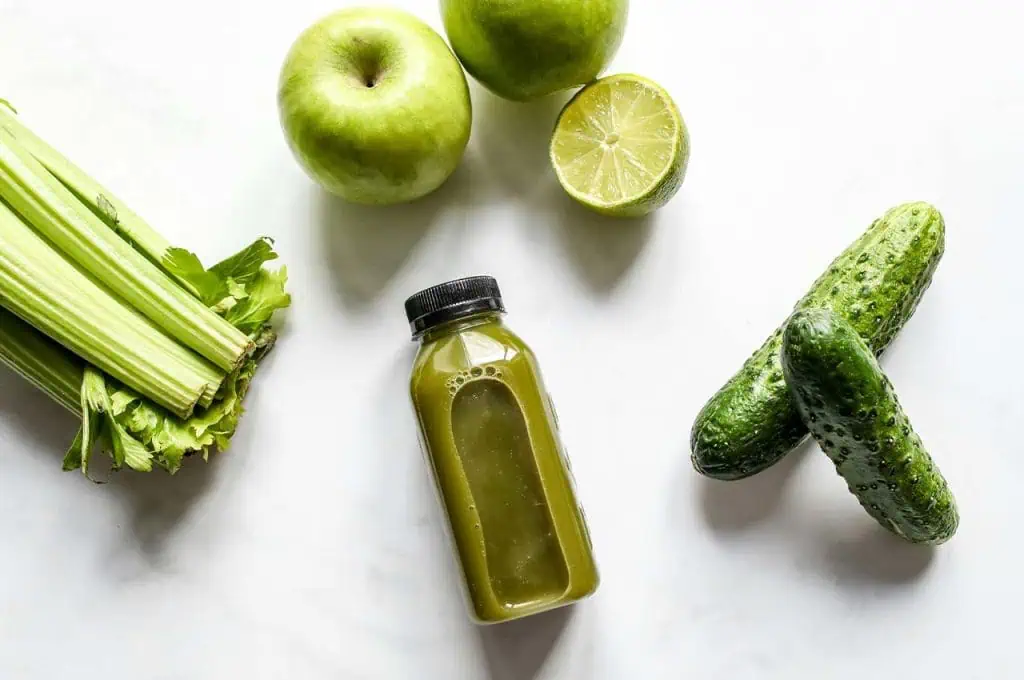
Juice cleanses, marketed as detox methods, often lack the evidence to support such claims. The body naturally detoxifies through the liver and kidneys, rendering special diets unnecessary. While fresh juices can be a part of a healthy diet, relying solely on them for nutrients is insufficient. Whole fruits and vegetables provide fiber that juices lack. Instead of cleanses, aim for a varied diet that includes an array of produce to support your body's natural cleansing processes.
Organic Equals Healthy?

The assumption that organic automatically means healthier is a common misconception. Organic foods are grown without synthetic pesticides and fertilizers, but this doesn't inherently increase their nutritional value. Nutrients depend more on freshness and preparation than on organic status. Focus on eating a diverse diet with plenty of fruits and vegetables, whether organic or conventionally grown. Washing produce thoroughly reduces pesticide residues, allowing you to enjoy nutritional benefits either way.
The Eight Glasses Myth

The advice to drink eight glasses of water daily is more of a guideline than a strict rule. Hydration needs vary based on factors like age, climate, and physical activity. It’s crucial to listen to your body’s signals rather than adhere to an arbitrary standard. Foods with high water content, such as fruits and vegetables, also contribute to hydration. Sipping water throughout the day can be more beneficial than forcing oneself to consume large quantities at once. Pay attention to your thirst, and remember that balance is more important than adhering to a specific number.
Low-Fat Foods: A Better Choice?

Low-fat products are often marketed as healthier alternatives, but they can be misleading. When fat is removed, flavor might decrease, prompting manufacturers to add sugars and other additives to compensate. Instead of focusing on fat content alone, consider the quality of the fats in your diet. Including natural sources like nuts, avocados, and olive oil can enhance flavor and provide essential nutrients. Reading ingredient labels and understanding what you’re consuming allows for more informed choices. Balance and moderation should guide dietary decisions, rather than fear of fat.
Skipping Breakfast for Weight Loss

The idea that skipping breakfast aids in weight loss is a misconception. Breakfast can kickstart your metabolism and provide essential energy to begin your day. Skipping meals might lead to overeating later, as hunger accumulates. A nutritious breakfast, rich in protein and fiber, can sustain you until lunch and prevent the urge to snack on less healthy options. Incorporating whole grains, fruits, and proteins like eggs or yogurt can create a balanced meal that promotes overall well-being rather than restricting food intake solely for calorie reduction.
Protein Shakes as Meal Replacements

Protein shakes are popular for convenience, but relying on them as meal replacements isn’t ideal for long-term nutrition. Whole foods offer complex nutrients and varied textures that shakes can’t provide. While shakes might be effective post-workout or for quick fixes, focusing on meals rich in whole grains, vegetables, and lean proteins ensures sustained energy and satisfaction. If you choose shakes, enhance them with ingredients like spinach, berries, or nuts to boost fiber and flavor. Balancing convenience with nutrition leads to healthier, more enjoyable meals.
Natural vs. Refined Sugar Debate

The idea that natural sugars are inherently better than refined isn’t entirely accurate. Both impact blood sugar levels, and moderation is key. Natural sugars found in fruits come with vitamins, fiber, and antioxidants, which offer added health benefits. Refined sugars lack these nutrients and can lead to health issues if consumed excessively. When baking or cooking, consider substituting refined sugars with honey, maple syrup, or mashed fruits to enhance both flavor and nutritional value. Understanding the overall dietary context is more important than focusing solely on sugar types.
Gluten-Free Means Healthy?
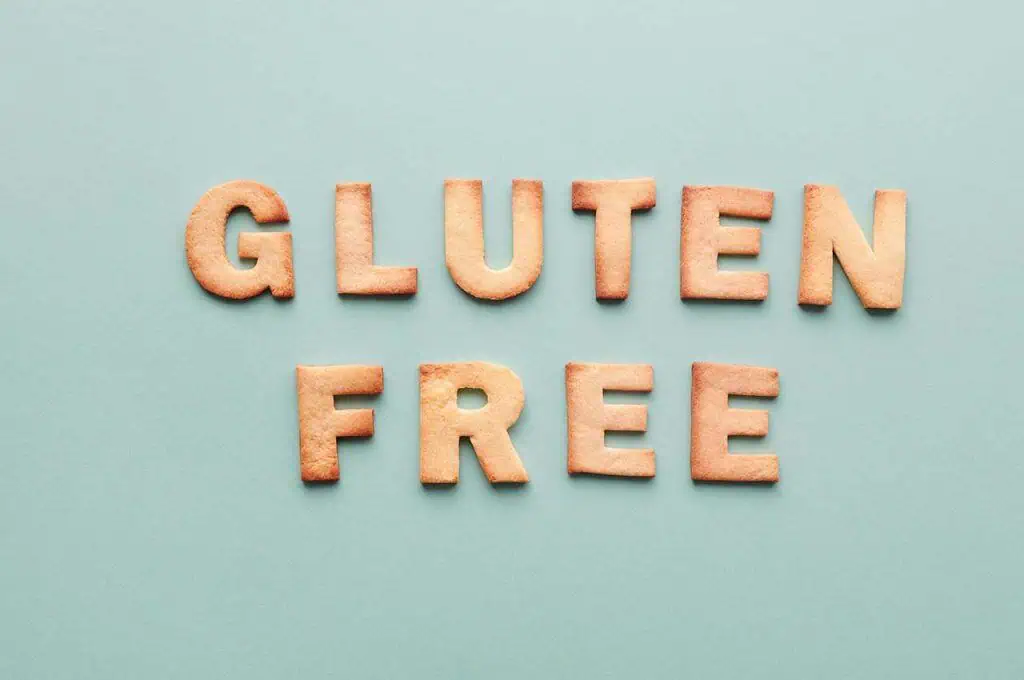
The assumption that gluten-free automatically equates to healthy is misleading. While necessary for those with celiac disease or gluten sensitivity, gluten-free products can be as calorific and nutrient-poor as their gluten-containing counterparts. It's essential to scrutinize ingredient lists, as many substitutes use refined starches or added sugars to mimic texture and flavor. Focus on whole, naturally gluten-free foods like quinoa, brown rice, and legumes to ensure your meals are both satisfying and nutritious.
Eating Fat = Gaining Fat

The belief that eating fat leads directly to weight gain is an oversimplification. Healthy fats, such as those found in avocados, nuts, and olive oil, are essential for satiety, flavor, and nutrient absorption. They play a critical role in bodily functions and can support weight management when consumed in moderation. It's important to balance fats with proteins and carbohydrates, focusing on portion control and diverse food sources. Incorporating these fats thoughtfully enriches dishes without compromising health goals.
