
12 Pantry Items You’re Probably Storing Wrong
Proper storage of pantry items plays a crucial role in maintaining their quality and flavor. Missteps in how we store everyday ingredients can lead to premature spoilage and degraded taste. Understanding the best ways to preserve pantry staples not only extends their shelf life but also enhances your culinary outcomes. It's important to rethink some common habits and adjust them for optimal results.
Don’t Refrigerate Your Tomatoes

Refrigerating tomatoes can dull their flavor and alter their texture. Cold temperatures cause the cell membranes to break down, resulting in a mealy consistency. Instead, store ripe tomatoes on your kitchen counter, away from direct sunlight, with the stem side up to reduce bruising. This encourages them to ripen evenly while maintaining their vibrant taste. Keeping tomatoes at room temperature ensures the flavors remain robust for your cooking.
Honey Doesn’t Need to Chill

Honey remains naturally preserved by its high sugar content, which inhibits bacterial growth. Storing honey in the refrigerator causes it to crystallize, making it difficult to use. Instead, keep honey in a cool, dry place, such as a pantry shelf, in a tightly sealed container to prevent moisture absorption. This keeps your honey smooth and easy to pour, ready to drizzle over your favorite dishes whenever needed.
Bread: To Freeze or Not to Freeze?
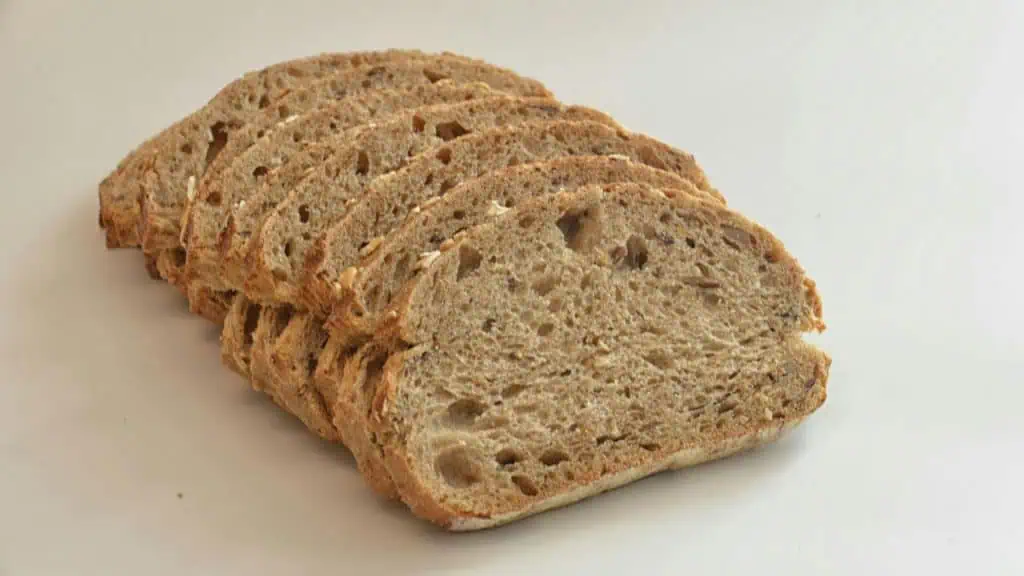
Freezing is a good option for preserving bread if you don't plan to consume it within a few days. To maintain its texture, first slice the bread, then wrap it in plastic and place it in a freezer bag. Thaw slices at room temperature or toast directly from the freezer for a fresher taste. Avoid refrigeration as it speeds up staleness. This method ensures your bread stays fresh when needed without compromising its quality.
Oil Misplacements You Might Make

Storing oils improperly can lead to rancidity and loss of flavor. Keep oils such as olive and vegetable oil in a cool, dark place away from heat and light, which accelerate spoilage. Ensure bottles are tightly sealed to prevent oxidation. For specialty oils like nut or sesame, refrigeration can extend their shelf life, although this might cause temporary clouding. By following these guidelines, you preserve the purity and taste of your oils.
The Egg Storage Error
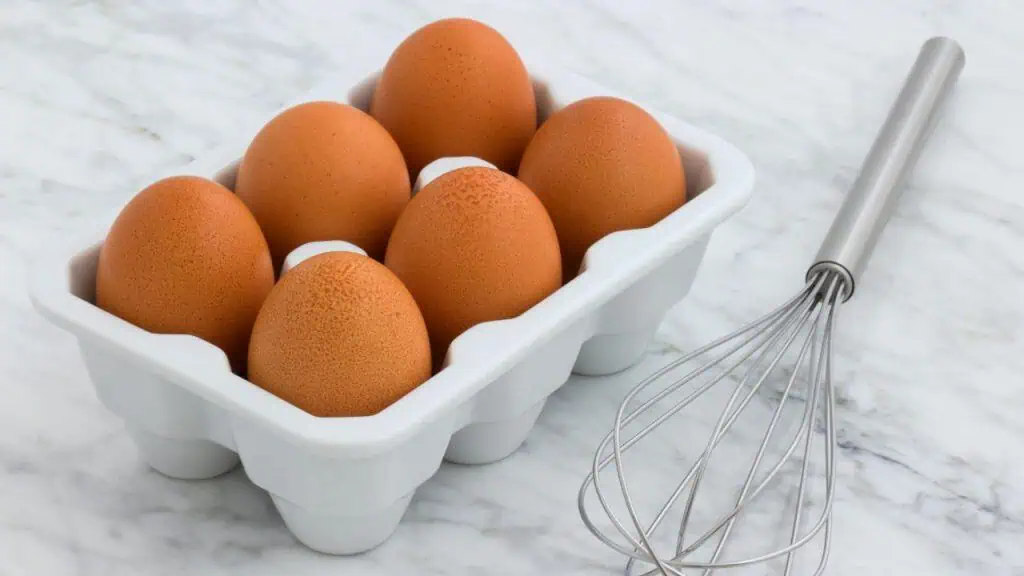
One common mistake is storing eggs in the refrigerator door. The door is frequently opened, leading to temperature fluctuations that can compromise the eggs' freshness. Instead, keep them on a middle shelf where the temperature is more stable. Storing eggs in their original carton helps protect them from absorbing strong odors and prevents excess moisture loss. This method ensures eggs remain fresh and flavorful for longer periods, crucial for both taste and safety.
Potatoes in the Wrong Spot
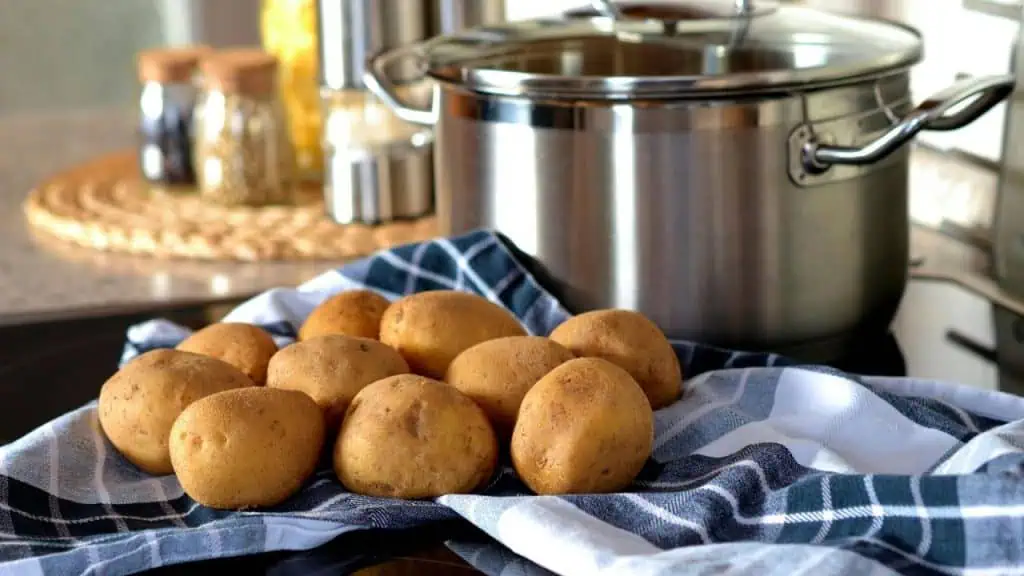
Storing potatoes in the refrigerator can cause their starch to convert into sugar, resulting in an undesirable sweet taste and gritty texture. Instead, keep them in a cool, dark, and well-ventilated space, like a pantry. Avoid storing them with onions, as the gasses released from each can cause the other to spoil more quickly. A perforated paper or burlap bag is ideal to prevent moisture build-up, aiding in retaining the potatoes' natural flavor and texture.
Nuts Need a Special Spot
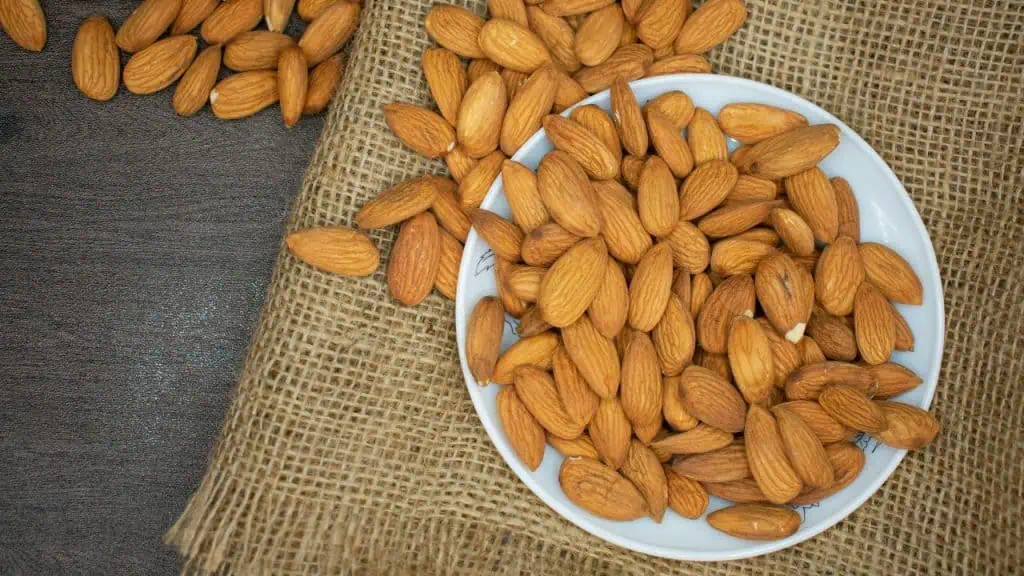
Exposure to light, air, and heat can quickly lead to rancidity in nuts due to their high fat content. Store nuts in airtight containers in the refrigerator or freezer to extend their shelf life significantly. This storage method preserves their natural oils, keeping flavors sharp and textures crunchy. Prior to use, bring nuts to room temperature to enhance their flavor profile when baking or snacking. Proper storage is key to maintaining these essential pantry staples.
Flour: Airtight or Not?
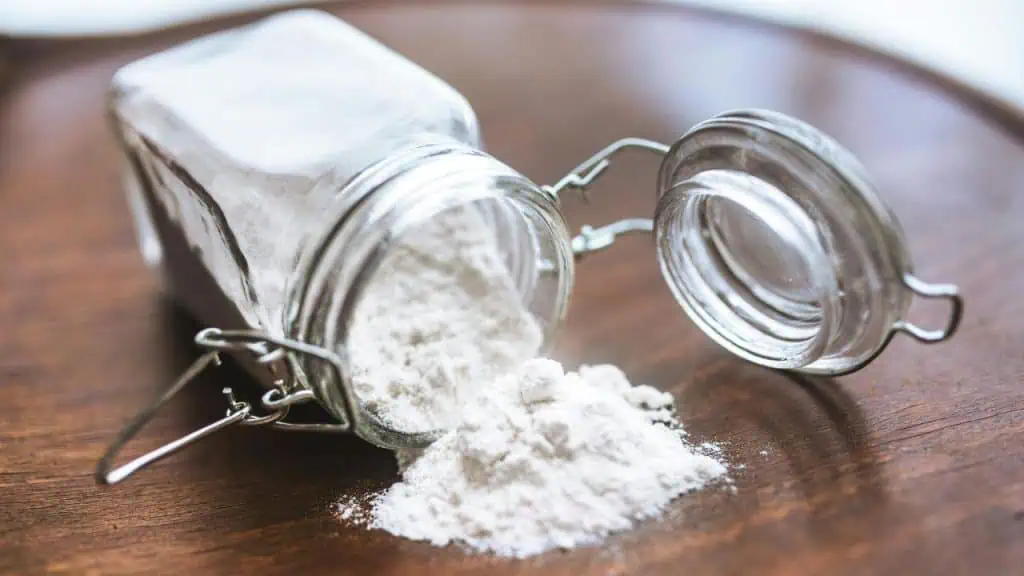
Flour, particularly whole grain varieties, should be stored in airtight containers to protect it from pests and moisture. For longer storage, consider refrigeration or freezing, especially in warm climates. Always allow it to return to room temperature before use to ensure even mixing. Furthermore, keeping flour in a cool, dark place helps maintain its quality. Frequent monitoring for off-odors or discoloration is necessary to ensure optimal freshness and baking results.
Spices: Freshness Matters
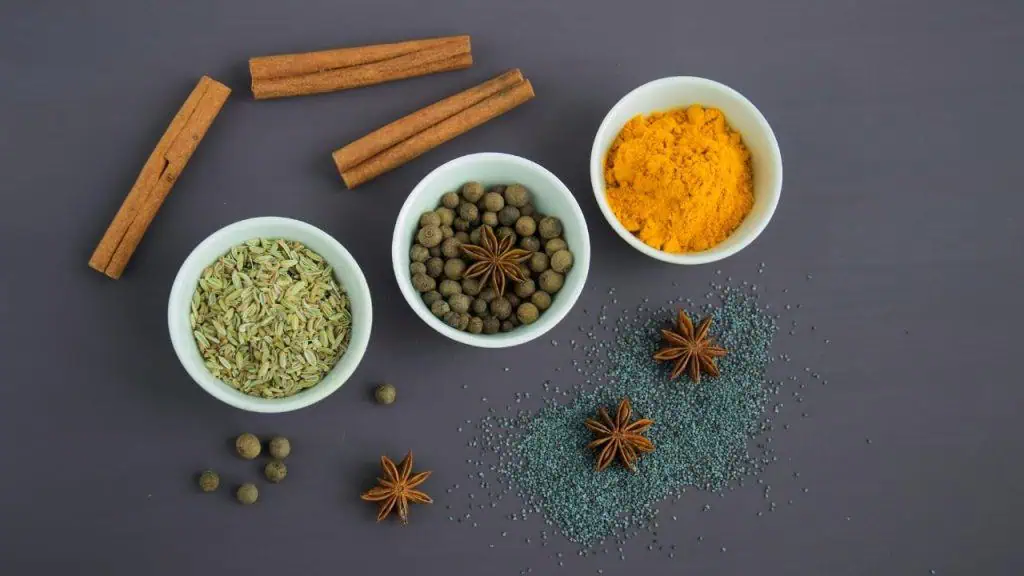
To maintain the potency and flavor of spices, avoid storing them above the stove or in direct sunlight. Heat and light can degrade them rapidly. Instead, keep spices in a cool, dark cabinet. Ensure containers are airtight to prevent moisture and air from diminishing their aroma and flavor profile. Ground spices typically last around two to three years, while whole spices have a longer shelf life. Regularly refreshing your spice collection guarantees robust culinary results.
Chips and Snacks Mistake

Storing chips and snacks in airtight containers helps preserve their crispness and extends shelf life. The primary mistake is leaving them in their original bags, which are often not resealable and allow air to seep in, leading to staleness. Transfer these snacks into containers with tight-fitting lids or use resealable bags. For extra freshness, add a small desiccant packet to absorb excess moisture. Place the container in a cool, dry place, away from direct sunlight, to maintain the snack's optimal texture and flavor.
The Problem with Storing Garlic
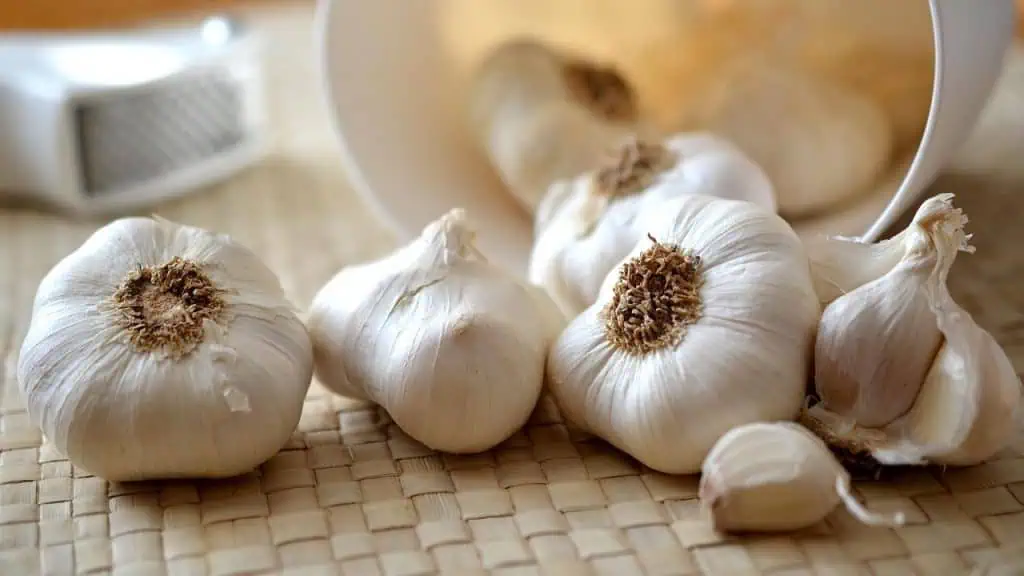
Garlic requires ventilation to stay fresh and avoid sprouting. The common error is refrigerating garlic or sealing it tightly. Instead, store it in a breathable container, like a mesh bag or a wire basket, at room temperature. Keep it away from heat and light in a cool, dry area. This prevents mold and maintains its spicy, pungent character. Always check for softness or any sign of decay before use, as these are indicators that the garlic has been stored improperly or for too long.
Onions: Keep Them Separate

Onions should be stored in a well-ventilated environment to prevent mold and soften. Avoid the mistake of storing onions with potatoes, as this causes both to spoil quickly. Instead, place onions in a cool, dark space in a mesh bag or a perforated bowl, allowing airflow to prolong their life. Avoid refrigeration, which can lead to a mushy texture and unwanted flavor absorption. Regularly check for signs of sprouting or softness, and remove any compromised onions to prevent spoilage of the rest.
