
Everyone Loved These 14 Foods in the 80s but Looking Back They Were All Hype and No Flavor
The 1980s were loud, colorful, and over the top, and the food scene was no exception. Marketers pushed flashy new products that promised excitement but often failed to deliver real flavor. Many of these snacks and drinks gained cult followings at the time, only to fade when taste buds caught up with reality. From “health” foods to gimmicky sodas, here are 14 foods from the ’80s that were fueled more by hype than by genuine taste.
New Coke
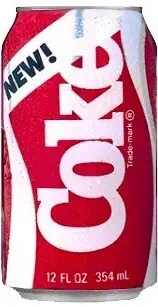
In 1985, Coca-Cola decided to replace its legendary recipe with what became known as “New Coke,” sparking one of the biggest backlashes in food history. The sweeter formula was meant to compete with Pepsi, but loyal fans were outraged, claiming it lacked the original’s depth. Marketing had created massive buzz, but the taste disappointed so badly that Coca-Cola was forced to reintroduce “Coca-Cola Classic” within months, proving hype could not outweigh loyalty to the real thing.
Jell-O Pudding Pops
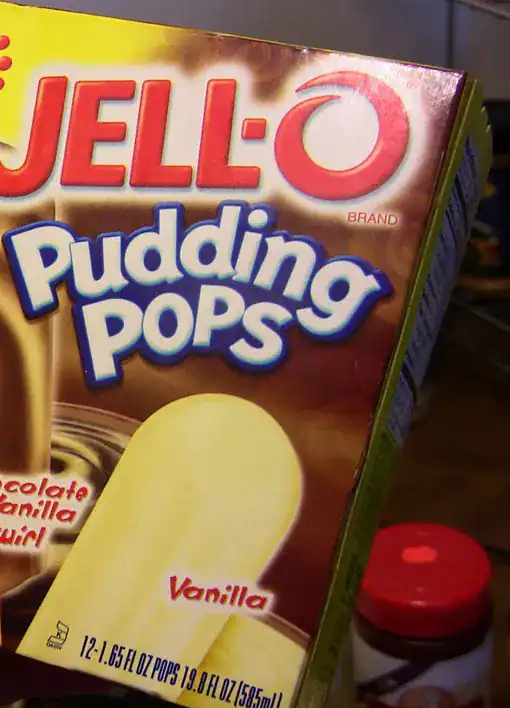
Jell-O Pudding Pops became one of the decade’s most heavily advertised treats, promising a creamy frozen dessert that looked irresistible in TV commercials. Kids begged for them, and sales soared. But many buyers were underwhelmed, the pops often had an icy texture instead of the smooth richness people expected. Despite huge early popularity, they were eventually pulled from shelves. Today, they live on mostly through nostalgia, remembered for hype-filled ads rather than satisfying flavor.
Crystal Light
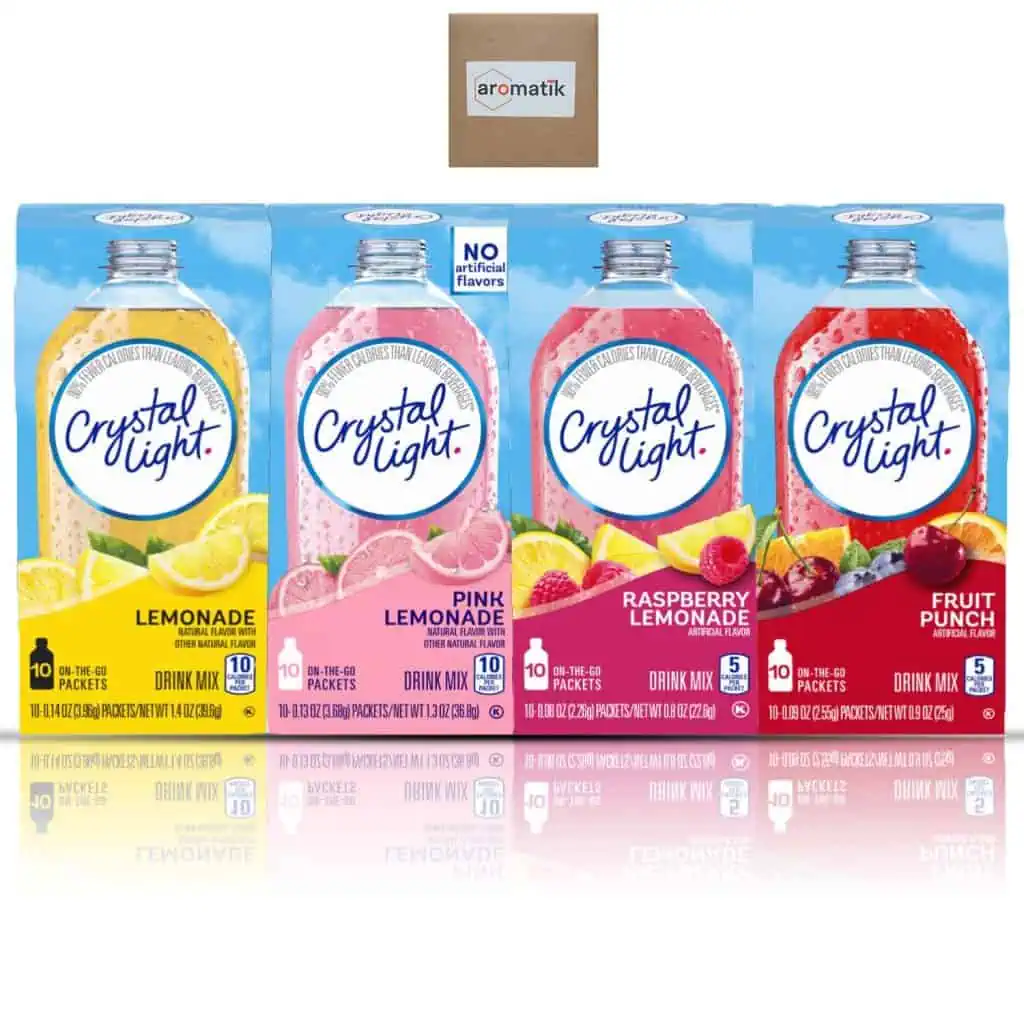
When Crystal Light hit grocery stores, it was marketed as the ultimate diet-friendly alternative to sugary drinks. Its instant success came from clever branding that appealed to calorie conscious consumers in an era obsessed with dieting. However, the flavor didn’t quite match the excitement. Many people found the mixes powdery, overly sweet, or artificial tasting. While the hype painted it as a lifestyle upgrade, Crystal Light was more of a product of its time than a genuinely great tasting drink.
Lean Cuisine
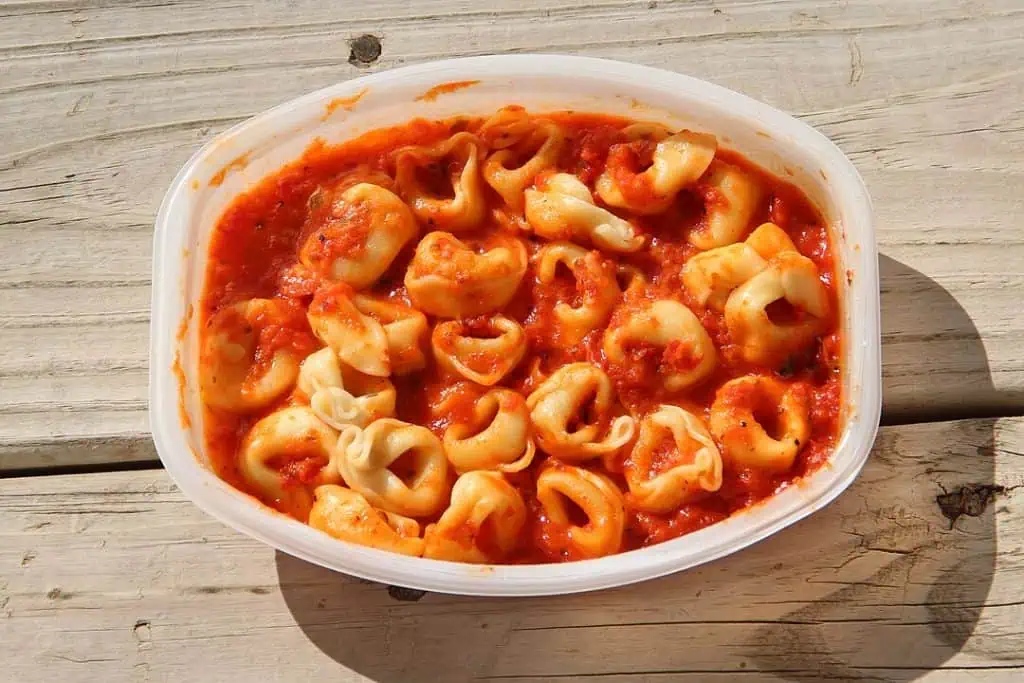
Lean Cuisine emerged in the ’80s as the go to frozen meal for busy, health conscious professionals. Packaged as sleek, convenient, and diet friendly, it became a cultural symbol of the decade’s obsession with “light” eating. But while the marketing suggested sophistication, the reality was tiny portions with bland, uninspired flavors. The meals filled a niche for convenience more than culinary satisfaction. Today, they’re remembered as an iconic fad that reflected diet culture more than real dining pleasure.
Tab
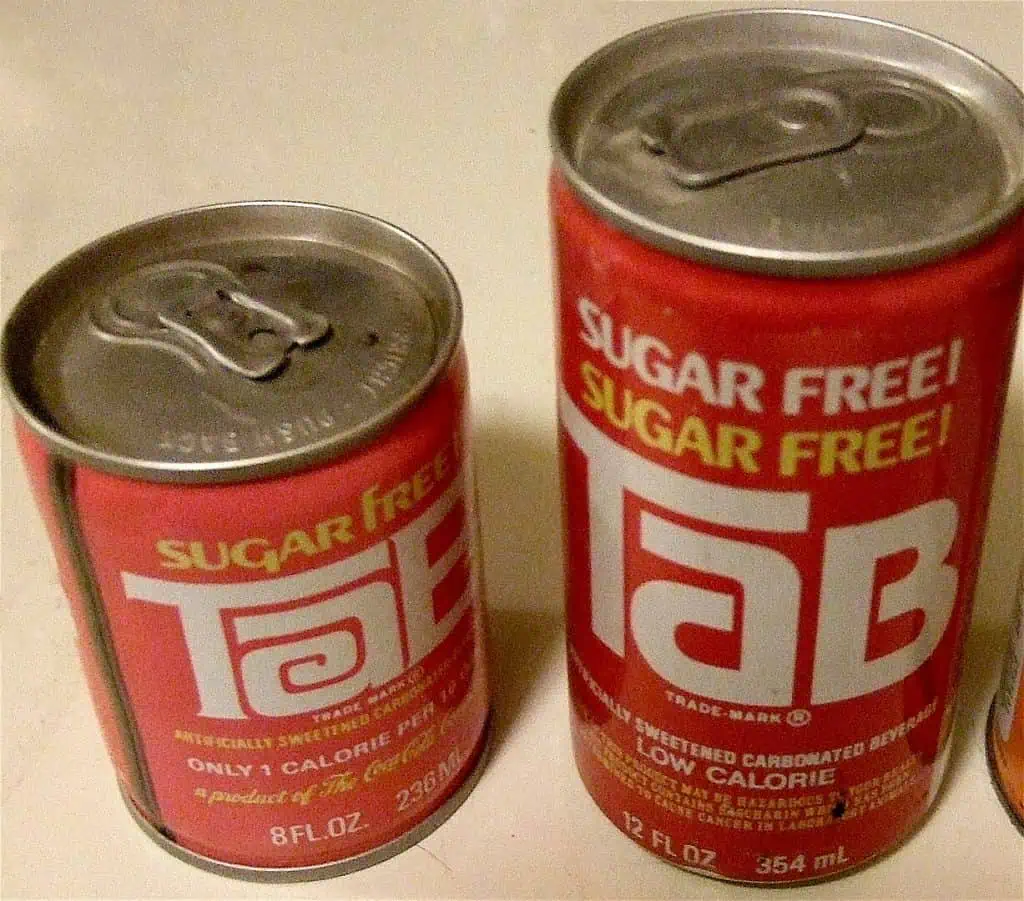
Before Diet Coke took over, Tab was the reigning diet soda of the 1980s. Its slim pink can became a cultural icon, appealing especially to women through clever advertising. The hype painted it as stylish, trendy, and modern, but the reality was a bitter, chemical aftertaste that divided drinkers. Loyal fans stuck by it, but most people never got past the odd flavor. Ultimately, Tab lived on more as a marketing success than as a genuinely enjoyable beverage.
Viennetta Ice Cream Cake
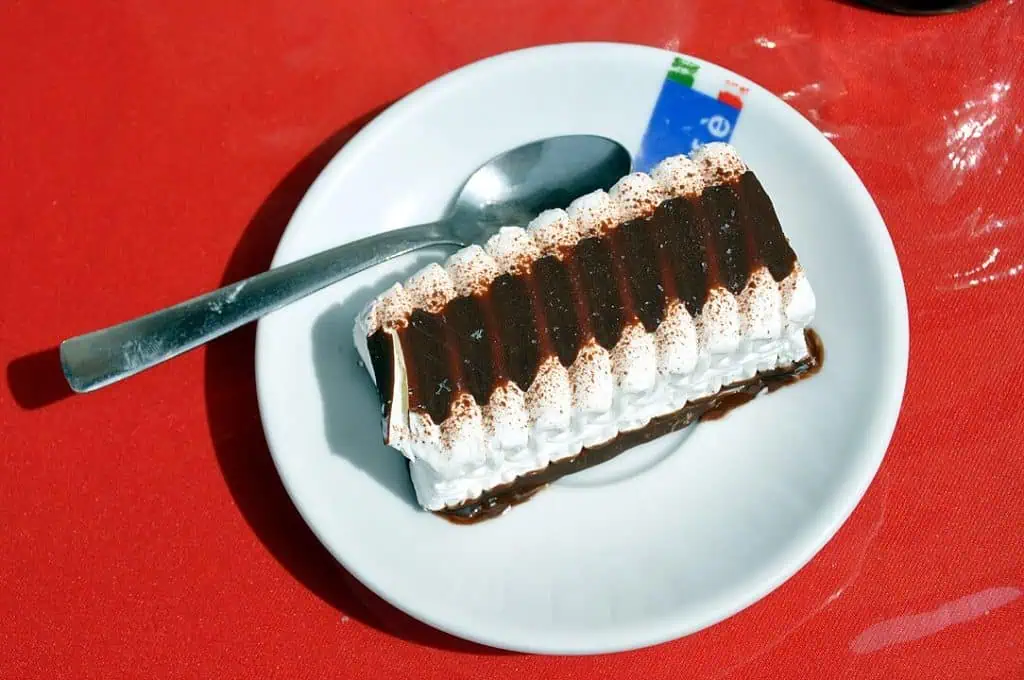
With elegant rippled layers of ice cream and chocolate, Viennetta looked like fine dining straight from the freezer aisle. Ads presented it as a luxurious dessert fit for special occasions, and households rushed to try it. The hype came from its dramatic presentation, but the taste was often underwhelming. The layers looked more impressive than they tasted, and while many enjoyed the novelty, Viennetta became a classic example of style over substance in ’80s food culture.
Squeezits
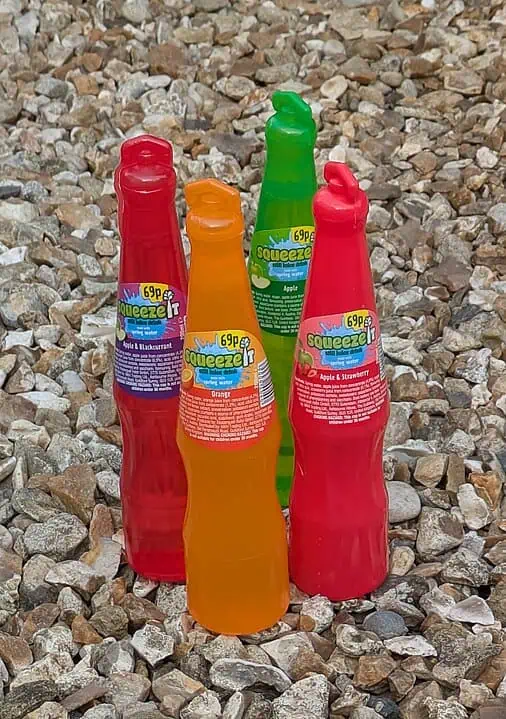
Squeezits hit school lunchboxes everywhere with brightly colored bottles that kids could twist and squirt. The packaging was fun, interactive, and perfectly marketed to children, making it an instant playground hit. But when it came to taste, the drinks left much to be desired. Artificial flavors and sugary sweetness dominated, often described as chemical-like rather than fruity. Squeezits thrived on its gimmick packaging, proving that hype not flavor was the real driver behind its success.
Diet Snacks (SnackWell’s)
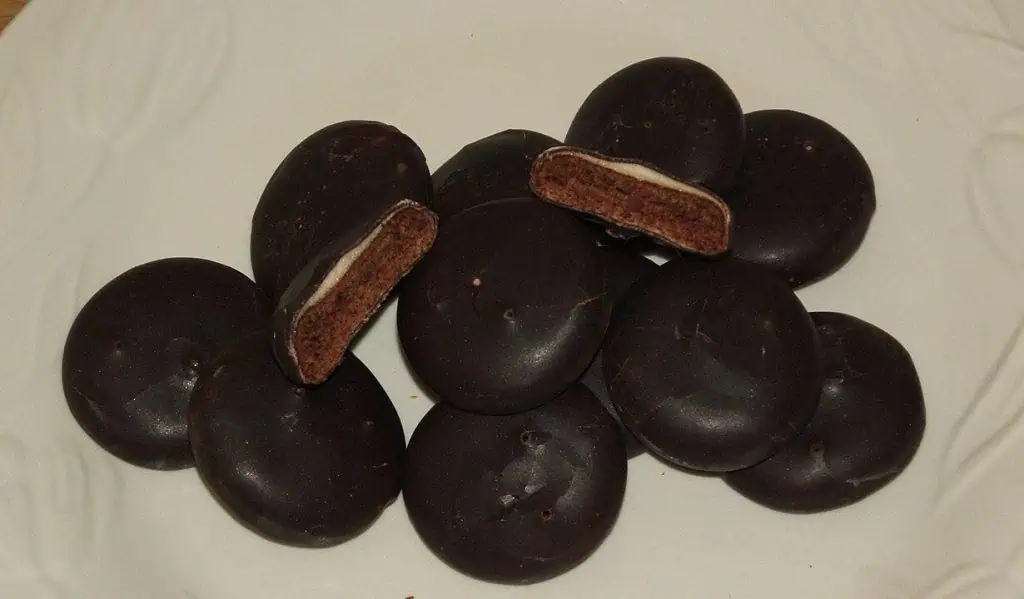
The ’80s and early ’90s diet craze fueled the rise of fat free snacks like SnackWell’s. Promoted as guilt free indulgences, they became a staple for health conscious consumers chasing the “low fat” trend. Advertising promised you could enjoy cookies and cakes without consequences. But in reality, they were bland, overly processed, and loaded with sugar. People quickly realized they didn’t taste great or live up to the promise. SnackWell’s remains a classic case of diet hype gone wrong.
Hubba Bubba Soda
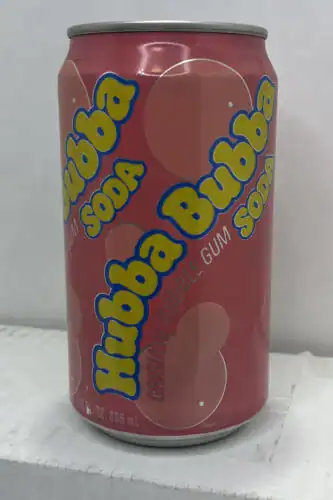
Bubble gum was already a beloved flavor for kids, but turning it into soda in the ’80s was a marketing stunt too strange to ignore. Hubba Bubba Soda created a lot of buzz with its quirky concept and colorful branding. However, drinking liquid bubble gum was a novelty that wore off fast. The syrupy sweetness overwhelmed most palates, and sales fizzled. The drink was more of a curiosity than a lasting product, remembered for its gimmick over taste.
Microwave Popcorn with “Butter Flavor”
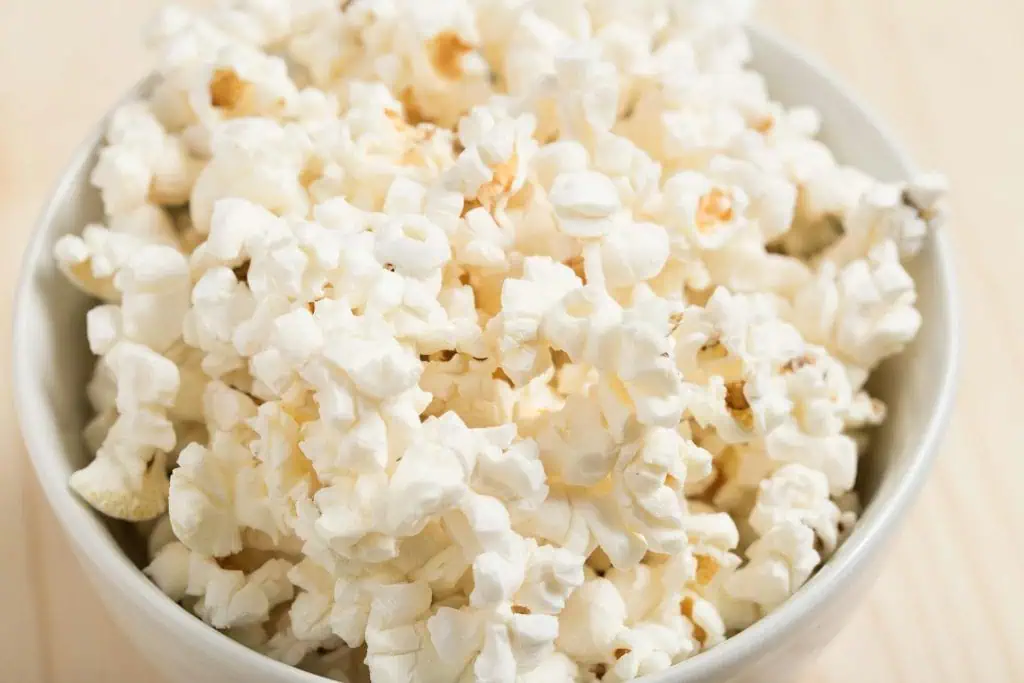
Microwave popcorn revolutionized snacking in the ’80s, with brands promising convenience and rich “movie theater” butter flavor. The hype was massive, and the quick popping bags became household staples. But many consumers soon noticed the artificial, greasy aftertaste that came with the so-called butter flavoring. The product delivered convenience but not culinary satisfaction. It remains a symbol of the ’80s, when speed and packaging often mattered more than authentic taste.
Yoplait Custard-Style Yogurt
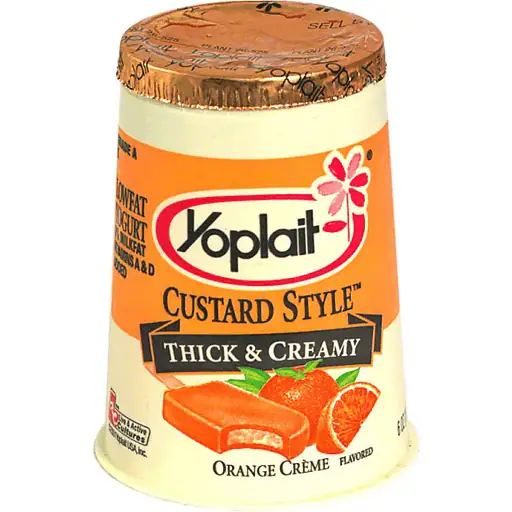
Yoplait’s custard-style yogurt arrived in the ’80s with promises of decadence and indulgence. Ads suggested it was a gourmet upgrade to traditional yogurt, packaged as something more refined and special. But many consumers found the taste chalky or artificial, with texture that didn’t quite live up to its “custard” label. While the hype gave it a moment in the spotlight, the product failed to leave a lasting impression as a true quality snack.
Tang
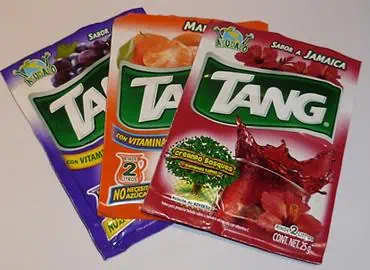
Although invented earlier, Tang surged in popularity during the ’80s thanks to heavy marketing that tied it to astronauts and the space program. Its futuristic image made it look exciting, especially for kids. But despite all the hype, Tang’s flavor was no match for real orange juice. Powdery, overly sweet, and artificial tasting, it delivered more on branding than taste. Tang’s legacy is tied more to clever advertising than to being a genuinely enjoyable drink.
Keebler Fudge Magic Middles
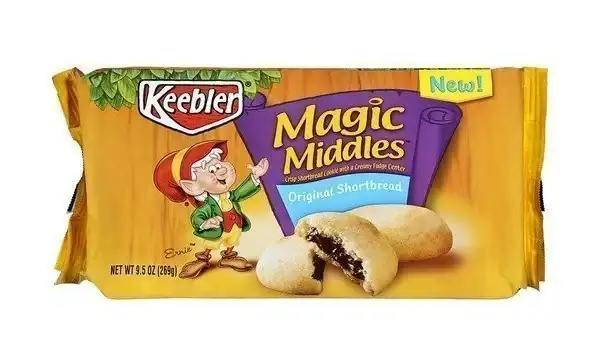
Cookies with gooey fudge centers seemed like a dream come true when Keebler introduced Magic Middles. Ads showed delicious soft cookies with rich chocolate inside, creating high expectations. But the reality often fell flat the cookies were dry, overly sweet, and didn’t deliver the indulgent experience promised. While many remember them nostalgically, Magic Middles were more of a marketing success than a flavor one, proving not every good idea translates into great taste.
Diet Cola Caffeine-Free Variants
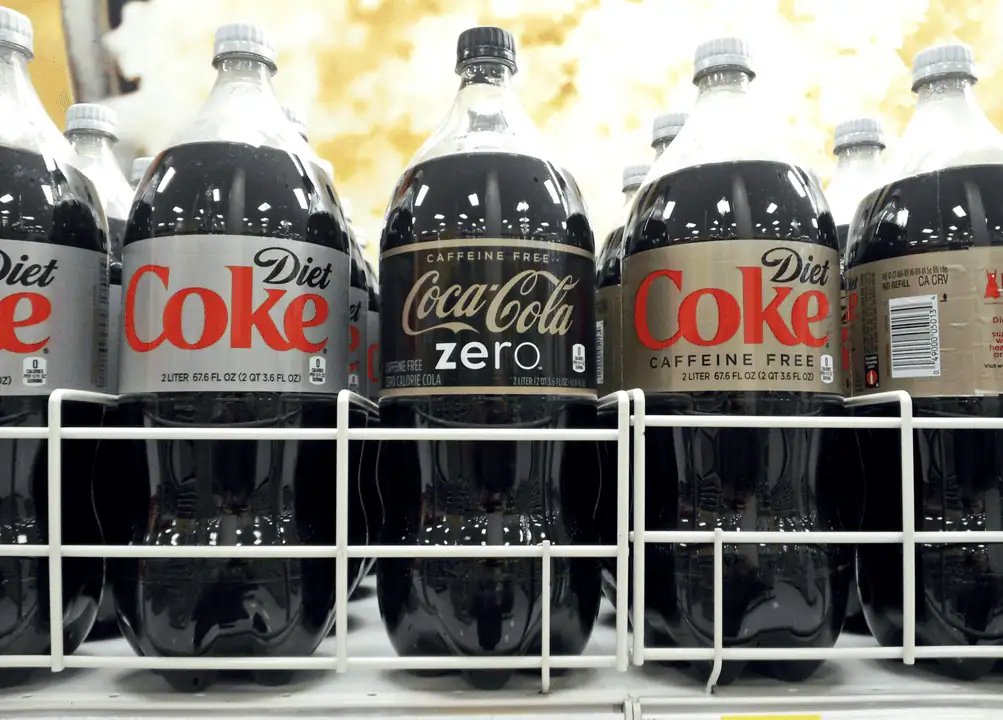
Caffeine-free versions of Diet Coke and Diet Pepsi launched in the ’80s as part of the trend toward “healthier” soda options. Ads promoted them as smart choices for people who wanted the flavor of soda without caffeine. But most consumers found them flat, lacking the kick or taste that made cola enjoyable. While the hype promised balance and better living, these drinks were quickly forgotten, overshadowed by more popular soda innovations of the time.
