
12 Anti-Inflammatory Spices Every Kitchen Should Have
Incorporating anti-inflammatory spices into your culinary repertoire can enhance both flavor and health. These spices offer properties that help combat inflammation, and each brings unique tastes to your dishes. Cooking with them isn’t just about adding heat or spice, but about utilizing their abilities to transform a simple meal into something nourishing and delicious. Here are twelve essential spices every kitchen should have to promote wellness and elevate your cooking.
Turmeric: The Golden Healer
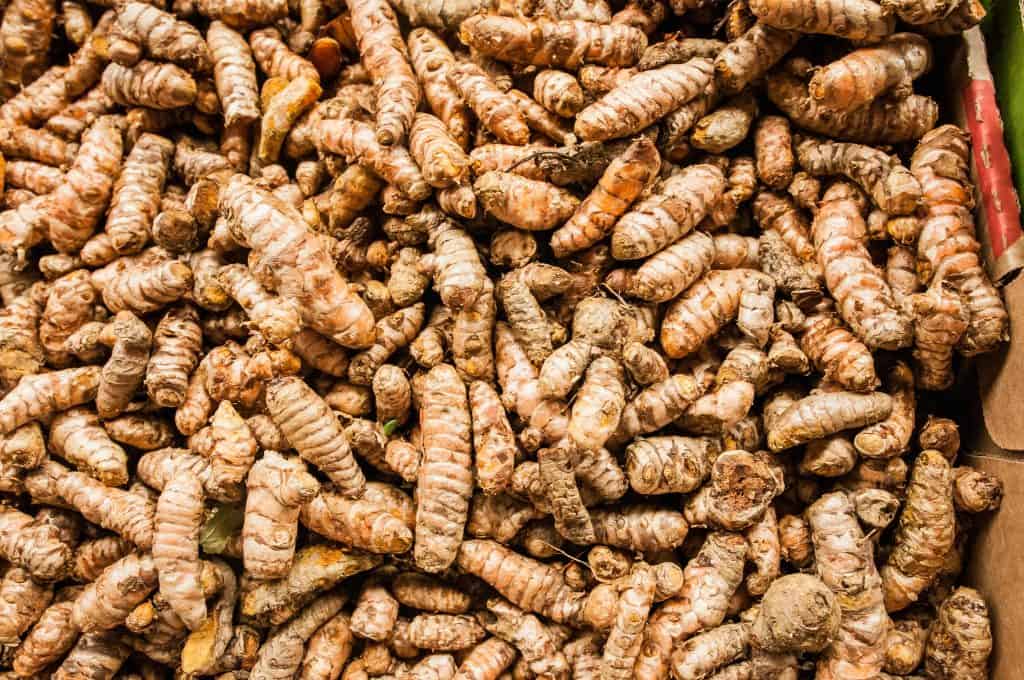
Turmeric is renowned for its vibrant color and powerful anti-inflammatory properties, primarily due to the compound curcumin. To maximize its benefits, pair it with black pepper, which enhances curcumin absorption. Use it in curries, soups, or smoothies. Its earthy, slightly bitter taste adds depth, while its health benefits support the immune system. Balance turmeric with sweet or acidic ingredients to create a well-rounded dish. Fresh turmeric can also be grated into dishes or brewed into a warming tea.
Ginger: A Zesty Powerhouse
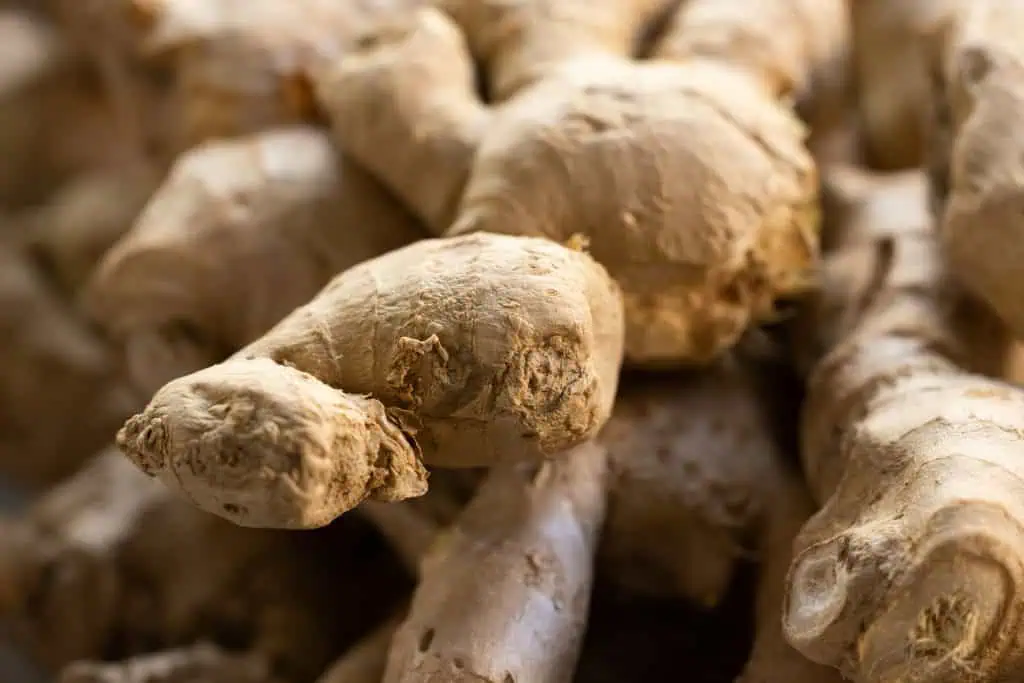
Ginger adds a bright, spicy kick that invigorates the palate. Known for its anti-inflammatory and digestive benefits, it can be used fresh or ground. Fresh ginger offers a more pronounced flavor and is ideal for marinades, stir-fries, or fresh juices. Ground ginger works well in baking or spice blends. To extract maximum flavor, crush or grate fresh ginger before cooking, releasing its aromatic oils. It pairs beautifully with honey and citrus, balancing its heat with sweetness.
Cinnamon: Sweet and Soothing

Cinnamon is beloved for its sweet, warming notes that enhance both sweet and savory dishes. Rich in antioxidants, it helps reduce inflammation and regulate blood sugar levels. Use Ceylon cinnamon for a milder, more complex flavor. It’s perfect in desserts, breakfast cereals, and spiced beverages. In savory dishes, it complements meats and stews. For the freshest flavor, buy cinnamon sticks and grind them just before use. This spice invites a comforting aroma to any kitchen.
Cloves: Aromatic and Potent

Cloves are small but mighty, packed with eugenol, which offers anti-inflammatory and analgesic properties. Their intense, warm flavor can dominate, so use sparingly. Whole cloves are perfect for infusing sauces, broths, and classic baked goods. Ground cloves can enhance spice blends and add depth to pumpkin pie or gingerbread. Pair with other spices like cinnamon and nutmeg for a balanced spice mix. Toasting whole cloves briefly before use can enhance their aromatic qualities.
Garlic: A Flavorful Defender

Garlic stands as a cherished staple in countless cuisines, bringing both flavor and potent anti-inflammatory benefits. Its sulfur compounds, notably allicin, release when chopped or crushed, enhancing its health properties. For the best results, let garlic rest for a few minutes after slicing to maximize these compounds before cooking. Whether sautéing in olive oil for a pasta base or roasting whole cloves alongside vegetables, garlic’s warmth and depth elevate dishes while supporting overall wellness.
Black Pepper: Spice with a Kick
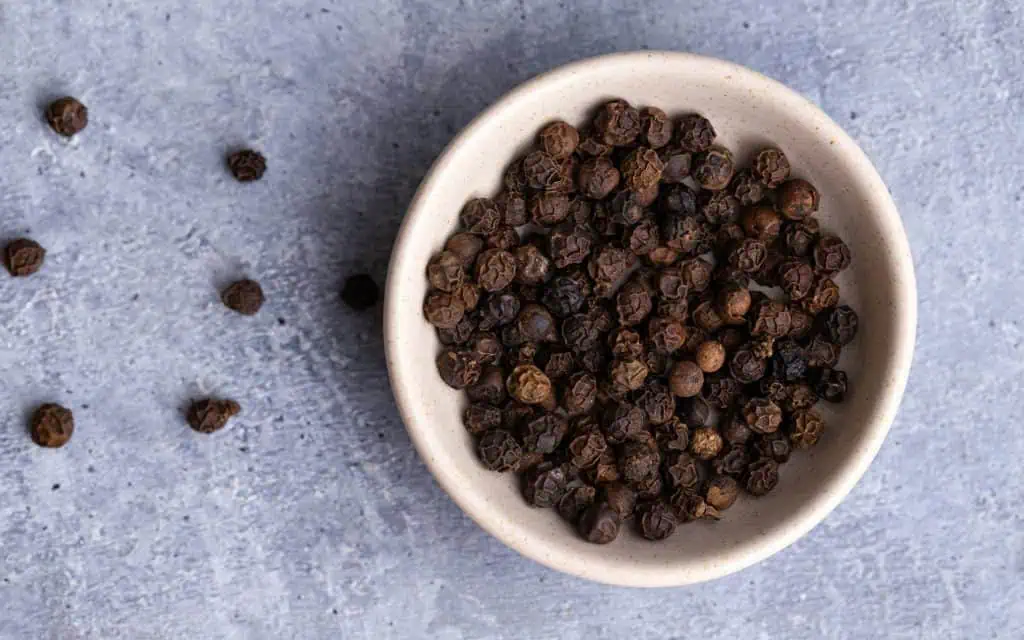
Black pepper, often taken for granted, is a powerful anti-inflammatory spice thanks to its active compound, piperine. This compound not only delivers a bold, earthy heat but also enhances the bioavailability of other beneficial nutrients. Freshly ground black pepper is vital, as pre-ground varieties can lose potency. Incorporate it into rubs for meat, finish soups, or sprinkle over salads to reap its full benefits. Remember, a gentle toast in a dry pan can unlock even more aromatic depth.
Rosemary: Fragrant and Robust

Rosemary, with its pine-like aroma, is a culinary powerhouse rich in anti-inflammatory compounds. Best when used fresh, this herb infuses dishes with a robust flavor and is full of antioxidants. Strip the needles from woody stems, chop finely, and add to marinades for meats or stir into roasted potatoes. To release its essential oils, gently crush rosemary leaves between your fingers before adding them to your dish, ensuring their full aromatic potential is realized.
Cumin: Earthy and Essential

Cumin seeds boast a warm, earthy flavor that enhances everything from curries to stews. Loaded with anti-inflammatory properties, cumin also aids digestion. Lightly toast seeds in a dry skillet to unlock their natural oils before grinding them for the most intense flavor. Ground cumin complements chickpeas and lentils beautifully, or enhances a homemade spice blend. Always store cumin in a cool, dark place to preserve its potency over time.
Oregano: Herb with a Punch

Oregano offers a pungent, slightly bitter edge, making it a versatile herb in the kitchen. Rich in rosmarinic acid, this anti-inflammatory powerhouse works well in tomato-based dishes and Mediterranean cuisine. Use fresh leaves puree into pestos or sprinkle dried oregano into soups and sauces for a concentrated flavor. To preserve its vibrant color and taste, add oregano towards the end of cooking, allowing the heat to awaken its essential oils without dulling its dynamic qualities.
Cardamom: Exotic and Warm

Cardamom, a staple in many global cuisines, offers a unique warmth to both sweet and savory dishes. Its complex flavor profile—which combines hints of citrus, mint, and pepper—makes it versatile in enhancing everything from curries to baked goods. When using cardamom, consider purchasing whole pods. Crush them gently with the back of a knife to release their aromatic seeds, which can be used whole for stews or ground for delicate pastries. This spice pairs well with cinnamon, cloves, and ginger, adding depth to chai tea and a fragrant touch to roasted vegetables.
Fenugreek: Subtly Sweet and Nutty

Fenugreek’s gentle sweetness and nutty undertones elevate the flavor of diverse dishes, particularly in Indian cuisine. With its slightly maple syrup-like aroma, it brings unexpected complexity to curries, sauces, and meats. To harness its full potential, toast fenugreek seeds briefly in a dry pan to release their oils, enhancing their flavor. Ground fenugreek can be sprinkled into soups or used in spice blends like garam masala. It’s also a key player in pickling, where its bitterness softens during fermentation, adding layers to your culinary creations.
Paprika: Smoky and Vibrant
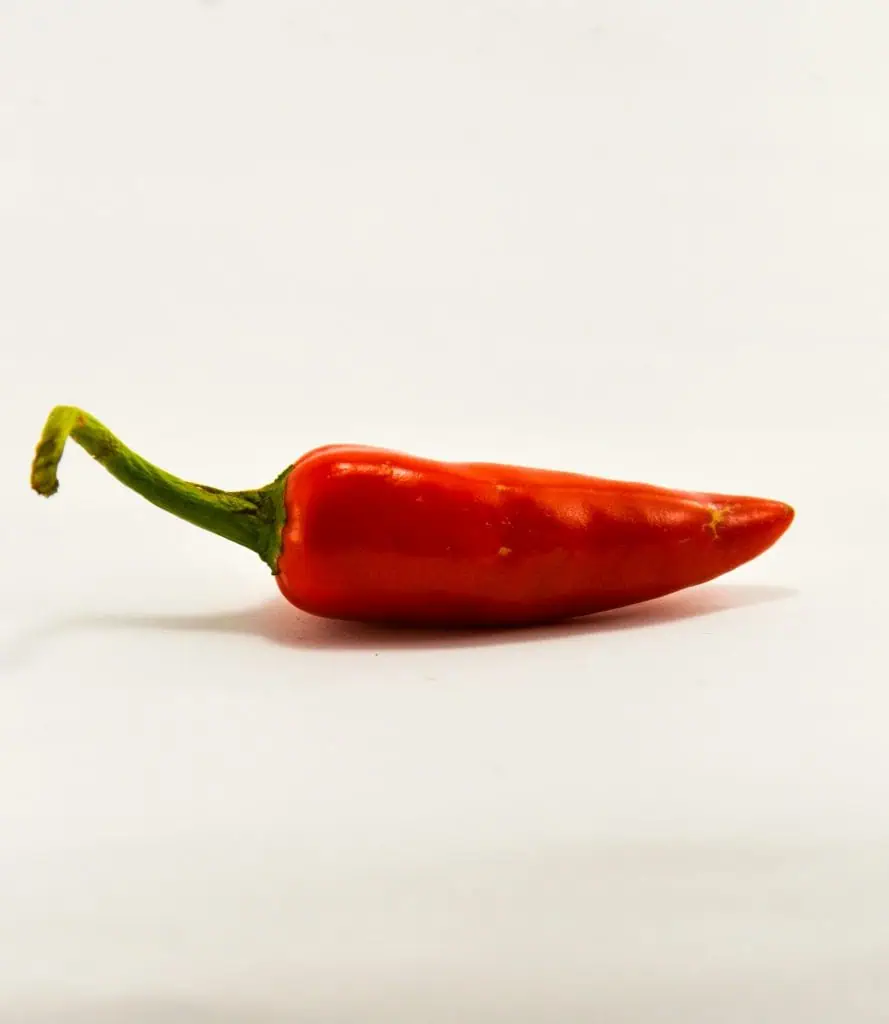
Paprika is a vibrant spice known for its ability to add color and depth to dishes. Derived from ground peppers, it ranges from sweet to spicy, with smoky varieties like smoked paprika bringing a deep flavor. Use paprika to enhance stews, marinades, or as a rub for meats and vegetables. For the best results, incorporate it at the beginning of cooking to allow its flavors to meld fully. A sprinkle of paprika can also garnish soups or deviled eggs, offering not just color but an extra layer of taste. Pair it with cumin and garlic for robust seasoning.
