
5 Pies Nutritionists Warn You to Skip (Delicious, But Dangerous)
Pies often entangle themselves with indulgence, offering an array of tempting textures and flavors. However, some pies contain ingredients or quantities that may cause health professionals to advise caution. Understanding the nutritional pitfalls of these beloved treats can guide more mindful consumption. Here, we explore five pies that, while undeniably delicious, come with warnings from nutritionists due to their calorie or sugar contents, rich crusts, or other dietary concerns.
Decadent Pecan Peril
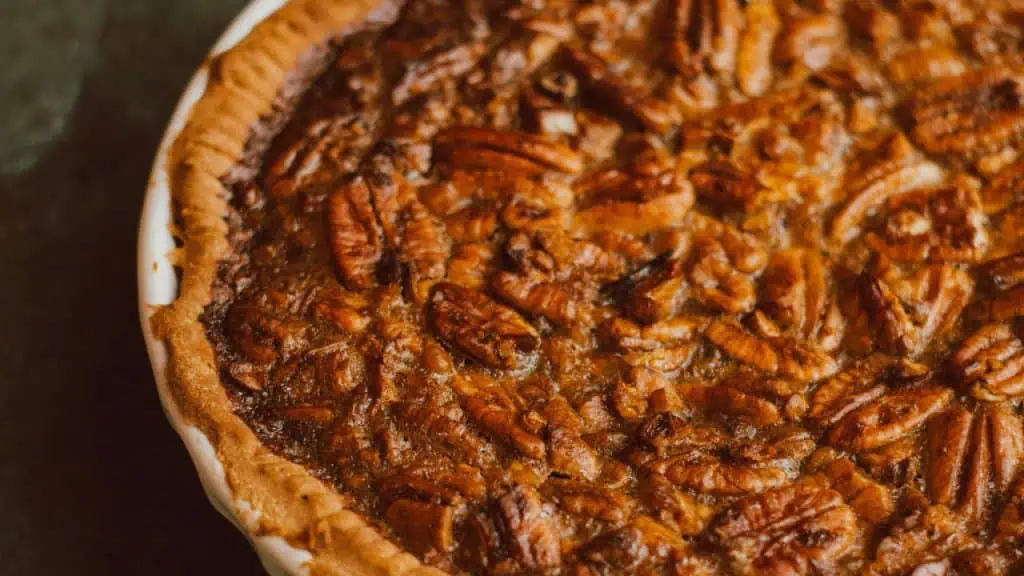
Pecan pie is a staple of rich desserts, filled with a gooey center and a vibrant nuttiness. However, its allure can be deceptive due to its high sugar content, often amplified by ingredients like corn syrup and brown sugar. The crust traditionally adds another layer of calories with its buttery texture. Nutritionists point to the potential impact on blood sugar and caloric intake, suggesting a vigilant approach when consuming this southern classic. Consider using natural sweeteners or reducing corn syrup for a slightly healthier take.
Calorie-Heavy Cream Pie
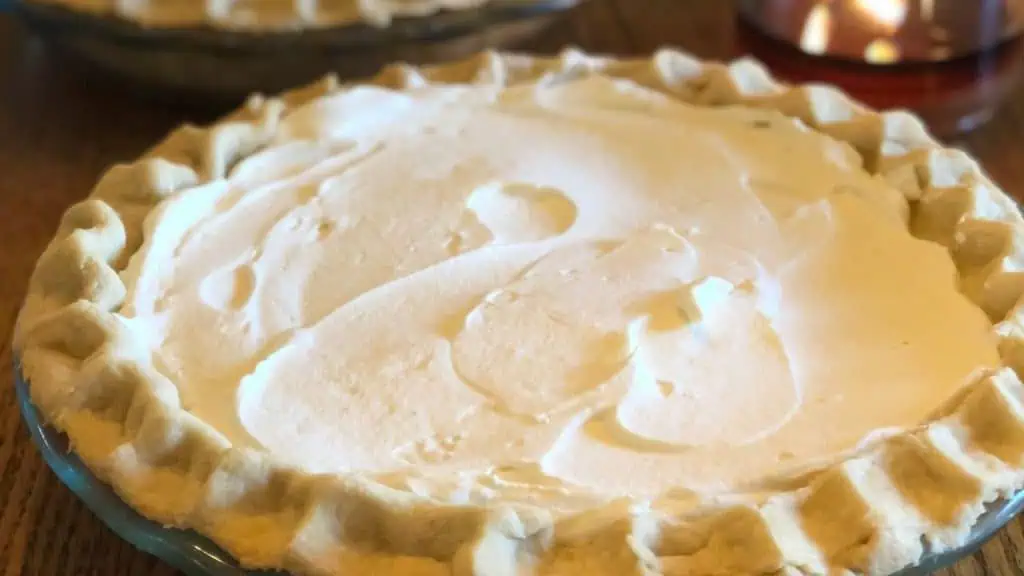
Cream pies, known for their silky texture, can carry a surprisingly heavy caloric load due to ingredients like heavy cream, condensed milk, and sugar. The velvety filling often disguises an abundance of calories, overshadowing the potential nutritional benefits of any fruits included. Experts suggest limiting portions or opting for alternative cream bases like coconut milk or Greek yogurt, which can offer a lighter profile without sacrificing the creamy allure that defines this dessert.
Sugar-Laden Frozen Delights

Frozen pies, often a convenient option, can be hidden sugar traps. The added sugars and preservatives common in these pre-made treats contribute to an unhealthy indulgence. This is particularly true for varieties like lemon meringue or chocolate mousse, where the sugar content can quickly spiral. Nutritionists encourage crafting homemade versions to control sugar levels more effectively, using fresh fruits and natural sweeteners to maintain flavor and reduce the reliance on processed ingredients.
Butter-Rich Shortcrust Surprise

A classic shortcrust provides a perfect foundation for many pies, adored for its flaky, buttery nature. Yet, it’s this very richness that raises a red flag for those mindful of fat intake. Traditional recipes use a significant amount of butter, translating to saturated fats that can affect heart health. For a healthier twist, some suggest using a mixture of whole wheat flour or incorporating plant-based butter alternatives to retain the flaky goodness while cutting down the unhealthy fats.
Sweetened Fruit Filling Fiasco

Fruit pies often entice with the promise of natural sweetness, yet many store-bought options contain excessive sugar, overshadowing their health benefits. When examining fruit fillings, be aware of those listing sugar or high-fructose corn syrup as a primary ingredient. Opt for recipes or brands emphasizing whole fruits, allowing their inherent flavors to shine. For homemade versions, enhance fruits like berries or apples with a modest sprinkle of natural sweeteners, focusing on spices like cinnamon or vanilla to augment taste without overwhelming calorie counts.
