
12 Food Myths That Are Still Ruining Your Healthy Diet
Navigating the world of nutrition often involves sifting through misinformation that can mislead your dietary choices. Despite increased awareness about healthy eating, some myths still persist, influencing how we perceive food and nutrition. Here, we'll debunk common myths that might be compromising your diet, providing clarity to enhance your culinary practices and nutritional understanding.
Carbs Are the Enemy

Carbohydrates are frequently misunderstood, often demonized in diet circles. They are a vital source of energy and when chosen wisely, promote overall health. Opt for whole grains like quinoa or brown rice, rich in fiber and essential nutrients. The key is balance and moderation, integrating complex carbohydrates into meals to sustain energy and support digestion. Understanding their role can transform your approach to a balanced diet.
All Fats Make You Fat

The notion that all dietary fats lead to weight gain is misleading. Healthy fats, such as those from avocados, nuts, and olive oil, are essential for various bodily functions, including hormone production and nutrient absorption. Emphasize unsaturated fats in your dishes to enhance both flavor and nutritional value. Learning to differentiate between fat types enhances your ability to craft nourishing meals without unnecessary restriction.
Detox Diets Cleanse You

Detox diets promise to purify your system, yet the human body possesses its own efficient detoxification processes, primarily through the liver and kidneys. Rather than restrictive cleanses, focus on a diet abundant in fruits, vegetables, and adequate hydration to naturally support these organs' functions. Recognize that balanced meals contribute more effectively to overall health than any short-term detox plan.
Gluten Is Always Bad

Gluten has gained a controversial reputation, but it's important to note that only those with celiac disease or specific sensitivities need to avoid it. Whole grains containing gluten, like barley and rye, provide valuable nutrients and fiber. Unless medically indicated, a gluten-free diet may unnecessarily restrict beneficial food options. Understanding your body’s unique needs enables a more informed and flexible dietary approach.
Eating Late Causes Weight Gain

The misconception that eating late directly leads to weight gain stems from misunderstanding calorie balance. It’s the total calorie intake versus expenditure that matters. Focus on balanced meals throughout the day, paying attention to portion sizes and nutritional content. If you’re eating late because of a busy schedule, choose lighter options rich in protein and fiber. A small portion of Greek yogurt with berries or a slice of turkey on whole grain toast can satisfy hunger without tipping your daily caloric goals.
Organic Means Healthier

The belief that organic foods are inherently healthier overlooks their nutritional equivalence with conventionally grown counterparts. Organic products often avoid synthetic pesticides and fertilizers, but they don't necessarily provide more nutrients. Prioritize variety and freshness when selecting produce. Washing all fruits and vegetables thoroughly remains essential, organic or not. Consider personal values and pesticide exposure preferences when choosing between organic and non-organic items, but remember that variety and balance are key.
Frozen Veggies Lack Nutrients
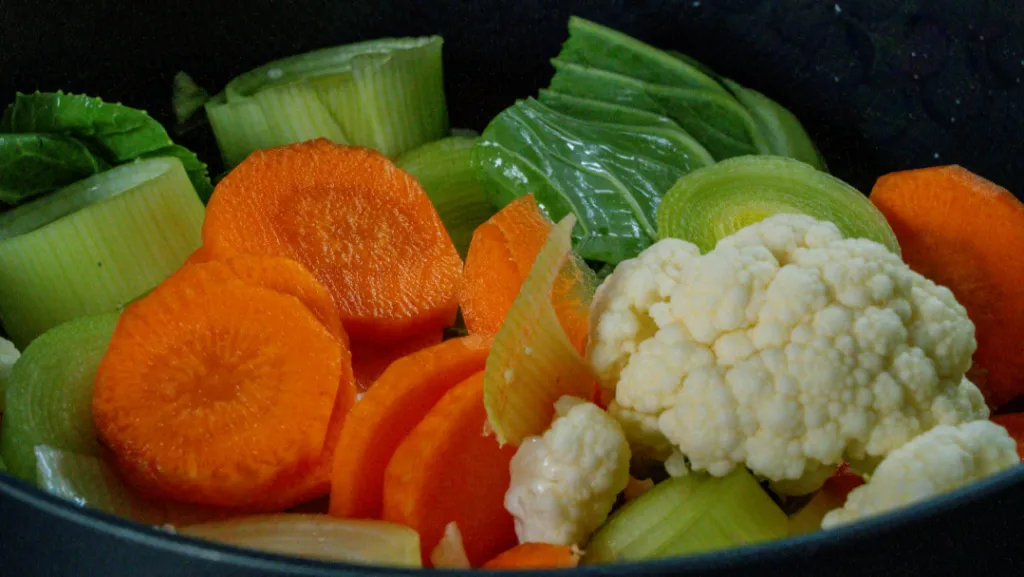
Freezing vegetables shortly after harvest helps lock in nutrients, often preserving them better than fresh produce that sits for days. Choose plain frozen veggies without added sauces or flavors to maintain nutritional integrity. Steaming or microwaving them helps retain vitamins compared to boiling. Incorporate them into meals like stir-fries or soups for convenience without compromising health benefits. Rotating between fresh and frozen can provide year-round access to nutrient-rich ingredients.
Eggs Raise Your Cholesterol

The myth that dietary cholesterol from eggs significantly impacts blood cholesterol levels has been largely debunked. Eggs provide high-quality protein, essential fats, and vital nutrients like choline. Moderation is key; enjoy eggs as a part of a balanced diet with plenty of vegetables and whole grains. Preparing them using healthy methods like poaching or boiling avoids additional fats. Combined with vegetables in omelets or alongside whole grains, eggs are a nutrient-rich option suitable for most diets.
Microwaving Destroys Nutrients

Microwaving can actually preserve nutrients better than some cooking methods because it often requires shorter cooking times and minimal water. To maximize nutrient retention, use minimal water and cover the food to create steam, reducing cooking time further. Microwaving vegetables and grains like quinoa or rice can be effective for quick, nutrient-preserving meals. Choose microwave-safe containers and stir food midway to ensure even cooking. This method allows for efficient meal prep without nutrient loss.
Raw Foods Are Superior

The belief that raw foods hold superior nutritional value often stems from their retention of heat-sensitive nutrients. While it's true that some vitamins degrade with cooking, other nutrients become more bioavailable when cooked. For instance, cooking tomatoes increases the absorption of lycopene, an antioxidant linked to various health benefits. Balance is key; incorporating both raw and cooked foods can optimize nutrient intake, ensuring that your diet is not only rich in vitamins but also diverse in flavors and textures.
Juicing Is Nutritionally Complete

Juicing can create a refreshing beverage, but it often removes valuable fiber that aids digestion and provides a sense of fullness. While juices deliver a concentrated dose of vitamins, they may also result in blood sugar spikes due to the rapid absorption of sugars without fiber. For comprehensive nutrition, consider consuming whole fruits and vegetables to benefit from both the juice and the fiber they offer. This approach helps maintain satiety and supports digestive health, providing a more balanced dietary intake.
All Sugar Is Harmful

Sugar has developed a contentious reputation, but not all sugar is created equal. Natural sugars found in fruits, vegetables, and dairy come with fiber, vitamins, and minerals that support overall health. The problem arises with refined sugars and added sweeteners that can contribute to excess calorie intake without nutritional benefit. Focus on moderating consumption of processed sugars and prioritize whole food sources. This strategy supports a healthier diet without the need to eliminate sugar entirely.
