
15 Surprising Ingredients That Used to Be Illegal
Exploring foods that were once illegal reveals intriguing stories behind familiar flavors. These ingredients, now within reach but once banned or restricted, offer unique tastes that enrich culinary experiences. From potent spirits to exotic aromas, understanding their past can elevate how we use them today. Delve into these once-forbidden ingredients, and discover how to incorporate them into your cooking with respect to their complex histories and flavors.
Absinthe: The Prohibited Spirit

Absinthe, known for its vivid green hue and strong aromatic profile, was banned in many countries for its alleged hallucinogenic properties. Today, absinthe is appreciated for its unique blend of anise, fennel, and wormwood, contributing a complex, licorice-like flavor to cocktails. To incorporate absinthe responsibly, try a few dashes in classic cocktails like the Sazerac or use it to rinse a glass before pouring a spirit forward drink. Its intensity means a little goes a long way, perfect for those seeking a touch of its enigmatic essence.
Sassafras: Banned Root Beer Flavor

Sassafras, the original flavor base for root beer, was banned due to concerns over safrole, a potentially carcinogenic compound. Modern sassafras extracts are safrole-free, allowing us to enjoy its earthy, slightly sweet flavor safely. To experiment with sassafras, try using it in homemade root beer by simmering the purified extract with water, sugar, and yeast. You can also infuse its distinct taste into baked goods or rubs for meats, creating a nostalgic yet innovative twist on savory dishes.
Get the Recipe: Sassafras Root Beer
Kava: The Forbidden Relaxant

Kava, a root traditionally used in Polynesian ceremonies, faced bans due to concerns about liver health. However, controlled use of quality kava can offer a calming experience. Incorporate kava into your routine by preparing it into beverages; use fine kava powder, mixed with cold water, strained, and served. Its mildly earthy, peppery flavor pairs well with coconut or almond milk. Exploring kava responsibly can enrich relaxation rituals, providing a unique flavor journey alongside its gentle calming effects.
Tonka Beans: Once a Taboo Spice

Tonka beans, with their vanilla-like aroma, were banned for containing coumarin, now regulated. Their fragrant notes are celebrated in desserts like ice creams and custards, where they offer a nuanced depth that vanilla cannot. To use tonka beans, grate sparingly over sweet dishes; their potency makes a small amount impactful. Consider infusing them in cream or milk to create a base for custards and panna cottas, allowing the gentle warmth of the tonka bean to shine subtly and safely.
Foie Gras: Controversial Gourmet Delight
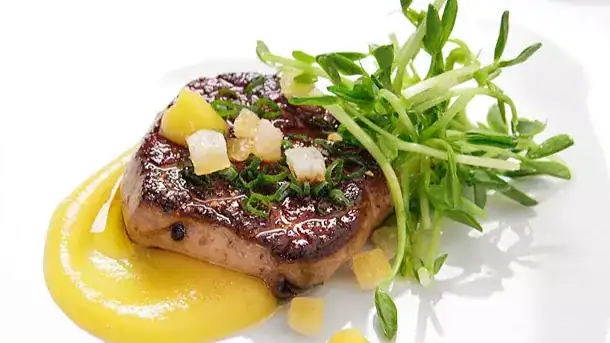
Foie gras, a luxury ingredient renowned for its buttery texture and rich flavor, has sparked controversy due to ethical concerns. Essential to crafting exquisite dishes, this delicacy requires skillful handling. To achieve the perfect sear, ensure the foie gras is well-chilled before slicing. Use a hot, dry pan to caramelize the exterior while preserving its creamy interior. Pair with sweet and acidic accompaniments like fig compote or balsamic reduction to balance its richness. Understanding the source and mindful preparation are key to appreciating this culinary indulgence.
Get the Recipe: Foie Gras
Casu Marzu: The Banned Maggot Cheese

Casu marzu, a Sardinian cheese teeming with live larvae, offers an intense and spicy profile. This illegal cheese develops through the activity of cheese flies, enhancing its decomposition. To consume, it's common to spread over traditional Sardinian bread, like pane carasau, allowing the flavors to meld. For safety, ensure larvae are still active, signaling freshness. Its boldness pairs well with assertive red wines, introducing a strong gastronomic experience. Always consume with awareness of its unorthodox nature and cultural significance.
Get the Recipe: Casu Marzu
Raw Milk: The Off-Limits Dairy

Raw milk, celebrated for its pure flavor and probiotic benefits, faces restrictions due to potential health risks. This unpasteurized dairy elevates the flavor of simple dishes, offering a fresh and creamy taste. Use it in custards or homemade cheeses, where its natural enzymes enhance development. Ensure it's sourced from reputable farms adhering to strict hygiene standards. Handling raw milk with care, keep it refrigerated and consumed swiftly to maintain quality. Its revival brings a flavorful depth to traditional recipes.
Haggis: Illegal in the USA

Haggis, Scotland's national dish, is a savory pudding combining sheep's pluck with oats and spices, but imports to the USA face restrictions on certain ingredients. Cooking involves simmering the mixture within a sheep stomach, creating a hearty, aromatic dish. For home preparation, alternative casings and regional ingredients can substitute traditional methods. Often served with neeps and tatties, the earthy notes of haggis benefit from a dram of Scotch whisky. Focus on blending spices evenly for a cohesive flavor profile that celebrates its heritage.
Get the Recipe: Haggis
Mirabelle Plums: The Rare French Fruit
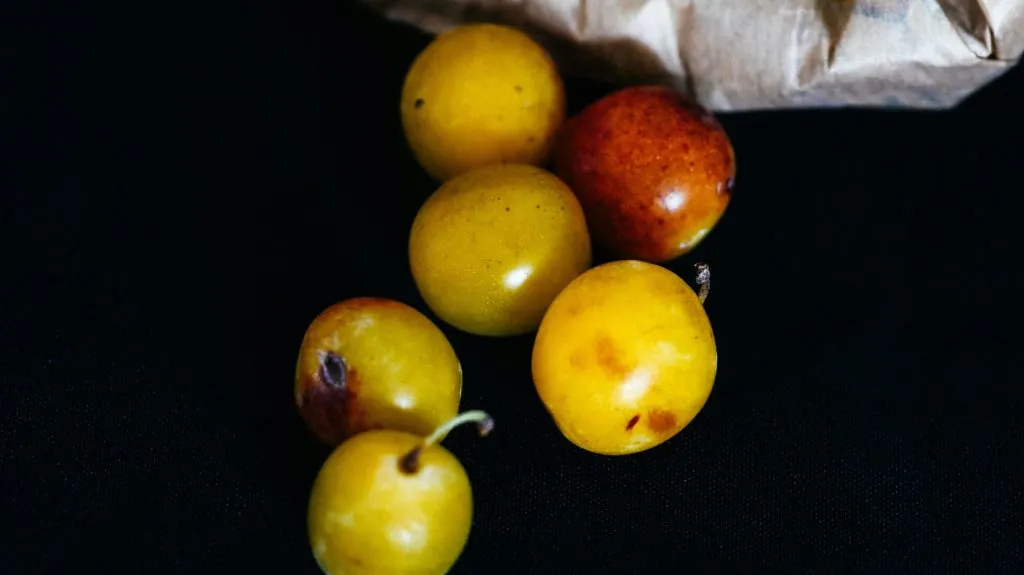
Mirabelle plums, delicate and sweet, are primarily grown in Lorraine, France, under strict export limitations. Known for their golden hue and subtle tartness, they shine in preserves and patisserie. Handle with care to preserve their soft texture, using gentle methods such as poaching or roasting. Pair with almond-based desserts or creamy cheeses to amplify their nuanced flavor. Incorporating these plums into dishes brings an authentic touch of French elegance, celebrating their rarity and unique character in culinary creations.
Horse Meat: Banned in Many Cultures

Horse meat is a delicacy overshadowed by cultural taboos in various regions. In many European countries, it graces culinary traditions with its lean and slightly sweet profile. When preparing horse meat, it’s essential to highlight its tenderness; a quick sear over high heat will suffice, locking in juices and enhancing natural flavors. Pair with roasted root vegetables for a balanced dish, emphasizing earthiness that complements the meat’s subtlety. Consider seasoning simply with salt, pepper, and herbs like thyme or rosemary to avoid overpowering its unique taste.
Beluga Caviar: Once Off the Market
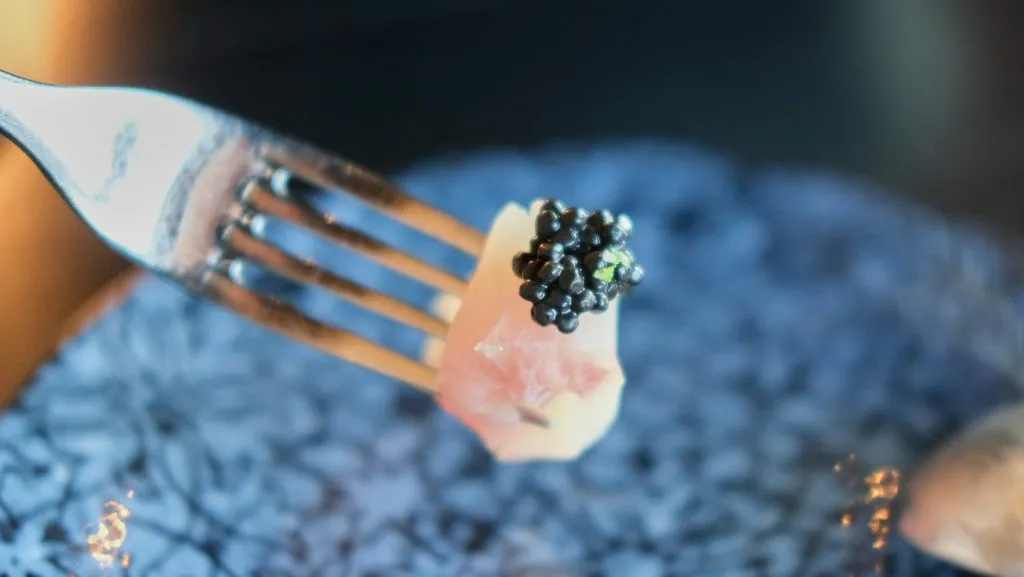
Beluga caviar, revered for its rich texture and delicate brine, faced bans due to overfishing concerns. Its luxurious pearls offer a buttery flavor profile. Serve it chilled on blinis or unsalted crackers to preserve its complexity. A proper pairing with chilled vodka or champagne elevates the experience. Importantly, use a mother-of-pearl spoon to avoid altering the taste with metal utensils. This precise attention to serving showcases the caviar's opulence, allowing its nuanced flavors to shine without interference.
Swans: From Royal Tables to Restrictions

Swans symbolize elegance, once exclusive to royal banquets. Today, restrictions aim to protect their dwindling populations. Historically, swan meat was prized for its rich, gamey taste. If ever available legally and sustainably, it should be roasted slowly to maintain tenderness. The flavor benefits from a marination in robust red wine and aromatic herbs like bay leaf and juniper. Pair with a full-bodied sauce, perhaps a red wine reduction, to complement and enhance the depth of its natural flavors, ensuring a balanced and regal presentation.
Redfish: The Blackened Ban
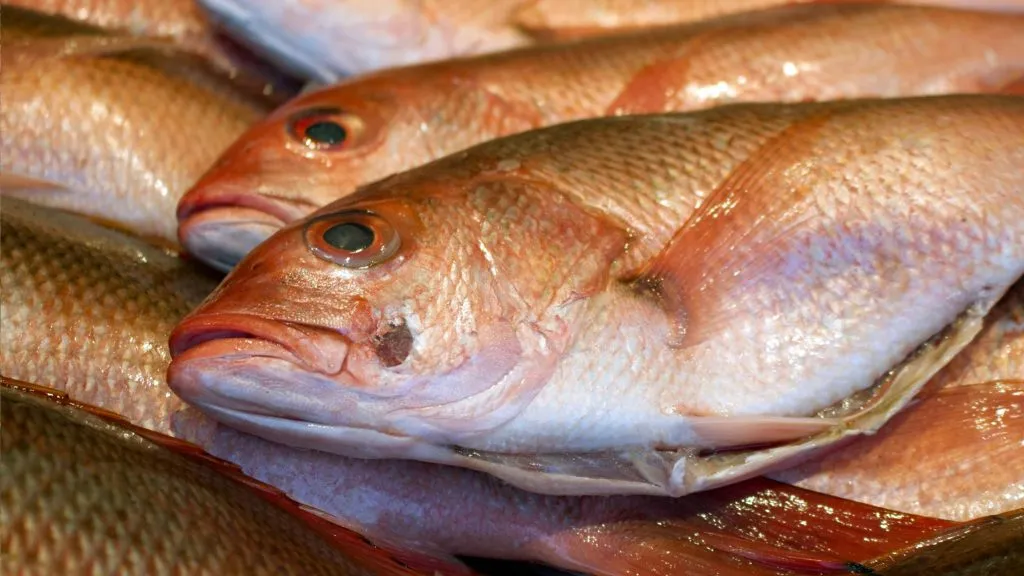
Redfish, popularized by blackening techniques, fell victim to overfishing bans in the 1980s. Its firm, mild flesh makes it ideal for bold flavors. For an authentic experience, coat the fillets in a hearty mix of spices including paprika, cayenne, and garlic powder, then sear in a smoking-hot skillet. This technique delivers a crispy crust while keeping the interior juicy. Serve with a cool side, like coleslaw, to contrast the spiced exterior, enhancing the dish’s overall appeal and introducing balance to each bite.
Ackee: The Jamaican Fruit Dilemma

Ackee, Jamaica's national fruit, holds risks if improperly prepared. When ripe, its creamy flesh offers a buttery flavor akin to scrambled eggs, often paired with saltfish. Caution lies in ensuring the fruit opens naturally, revealing its edible portion. Sautee with onions, tomatoes, and spices like Scotch bonnet for traditional flair. A careful approach reveals ackee’s potential, offering a taste unique to Caribbean culture while highlighting the necessity of preparation knowledge to ensure safety and culinary success.
Kinder Surprise Eggs: Outlawed Treat

Kinder Surprise Eggs, with their creamy chocolate shell and hidden toy, faced bans due to safety concerns over small parts. This restriction stemmed from the U.S. choking hazard rules, which disallow embedding non-food items in food products. Yet, for those outside these constraints, they remain a delight. Both the milk and dark chocolate layers offer a balanced sweetness. When tempering chocolate at home, ensure precise control over temperature and humidity to achieve the signature glossy finish and satisfying snap.
