
9 Fresh Recipes to Make the Most of this Citrus Season
Citrus season is brief but impactful. Oranges are sweeter, lemons more aromatic, and grapefruits less bitter when harvested at their peak. Cooking with citrus during this window isn’t just about flavor; it’s about balance. The natural acidity brightens winter dishes, cuts through richness, and adds freshness when produce options feel limited. From salads to desserts, citrus can anchor an entire meal without overpowering it. Making the most of the season means using it widely, thoughtfully, and while it’s still at its best.
Citrus and Fennel Salad

Thinly sliced fennel paired with orange segments creates a crisp, aromatic salad that feels both refreshing and substantial. The sweetness of the citrus balances fennel’s subtle licorice note, while olive oil and flaky salt enhance the natural flavors. Adding olives or shaved Parmesan introduces contrast without overwhelming the brightness. This dish works as a starter or a light side, proving that citrus doesn’t need elaborate preparation to feel complete. Its simplicity highlights just how vibrant peak-season fruit can be.
Lemon Roasted Chicken

Roasting chicken with lemon slices and juice creates a dish that feels comforting but never heavy. As the chicken cooks, the citrus softens and caramelizes slightly, infusing the meat with subtle acidity. Garlic and herbs deepen the flavor without masking the lemon’s presence. The result is balanced, savory, bright, and cohesive. Served with roasted vegetables or simple grains, lemon chicken demonstrates how citrus can structure an entire main course rather than just garnish it.
Grapefruit and Avocado Salad
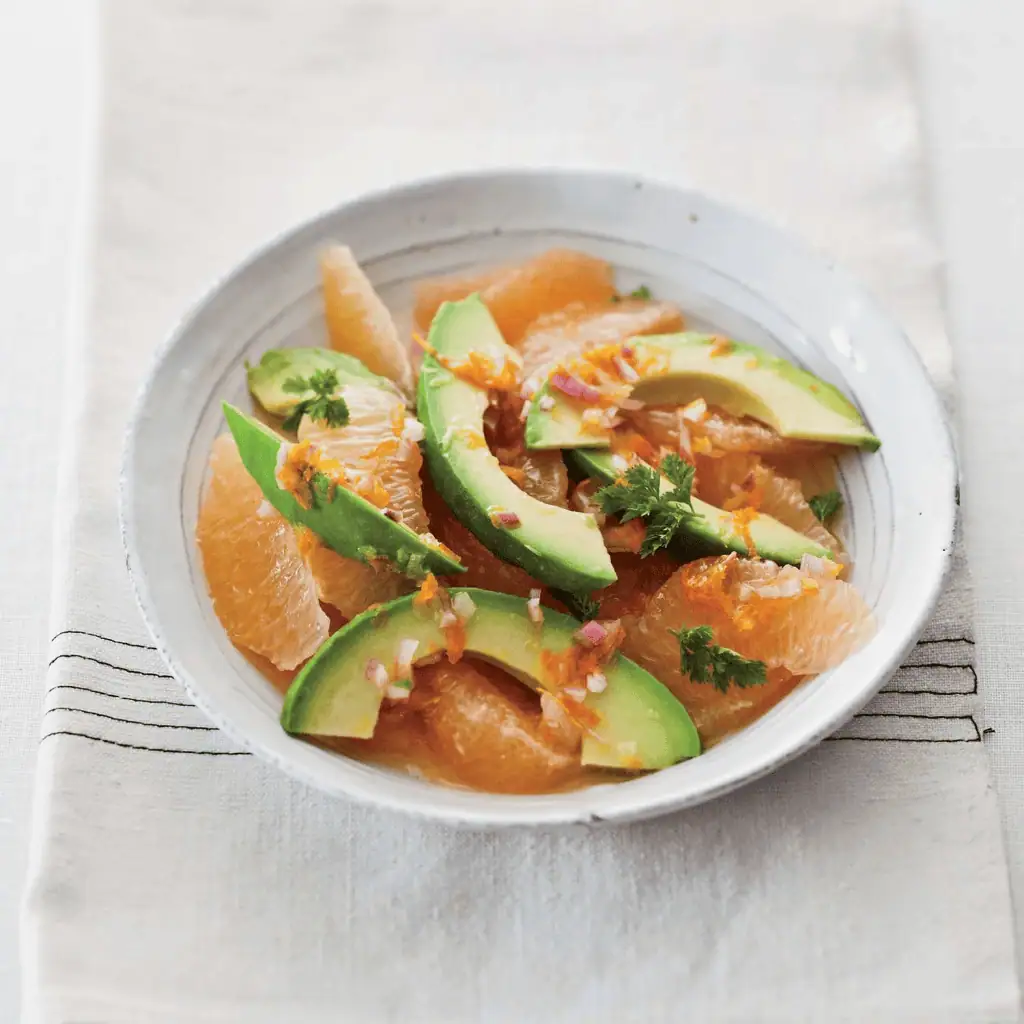
Grapefruit’s gentle bitterness pairs naturally with creamy avocado, creating contrast that feels deliberate rather than sharp. A light vinaigrette and fresh herbs enhance the fruit’s complexity while maintaining freshness. This salad works especially well in cooler months when heavier meals dominate, offering brightness without sacrificing substance. The combination reflects how citrus can provide both acidity and sweetness in one ingredient. It’s a reminder that winter produce can feel layered and dynamic when handled thoughtfully.
Orange-Glazed Salmon
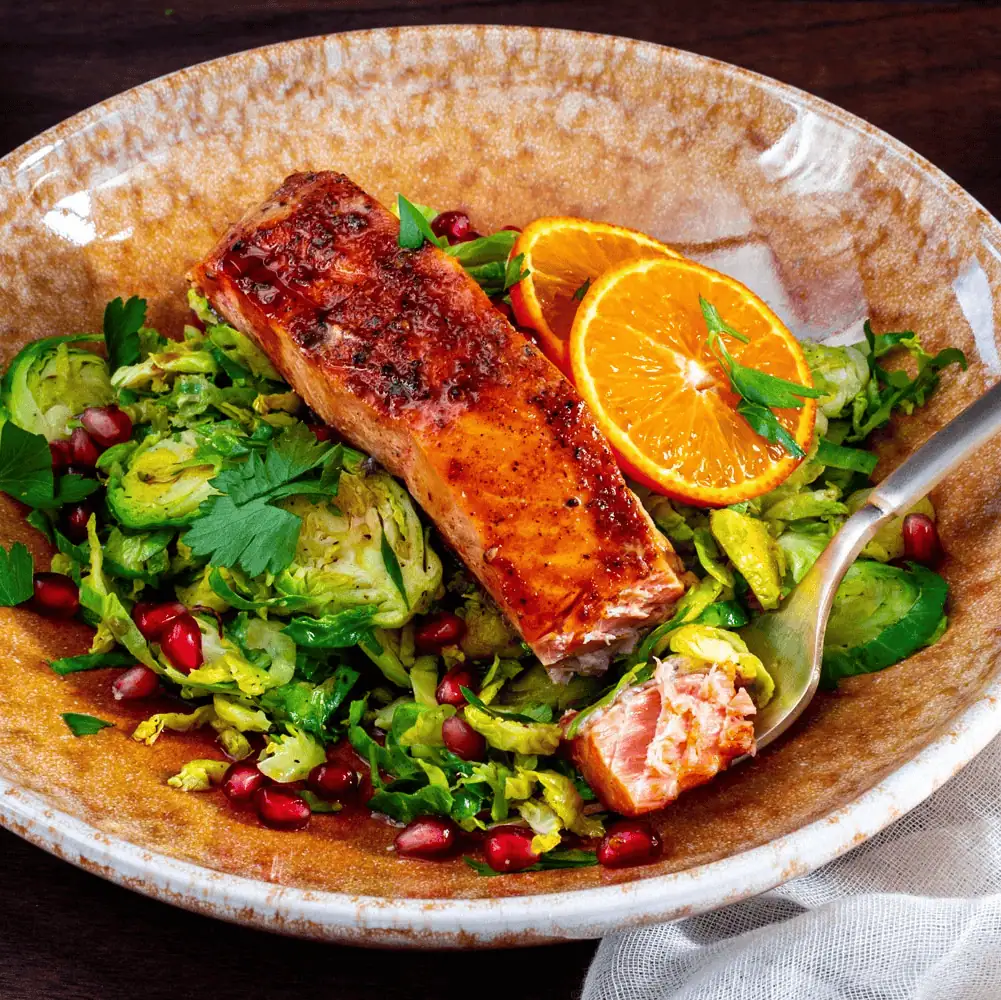
An orange glaze built from fresh juice, zest, and a touch of honey transforms salmon into a balanced, aromatic dish. The glaze caramelizes slightly under heat, creating depth while preserving brightness. Orange complements the richness of salmon without overpowering it, making the pairing feel natural rather than experimental. Served alongside greens or grains, this recipe demonstrates how citrus can integrate into savory cooking in a way that feels complete and cohesive.
Lemon Ricotta Pasta

Lemon zest and juice stirred into ricotta create a creamy sauce that feels lighter than traditional cream-based options. The acidity prevents the dish from feeling heavy, while black pepper and olive oil add subtle warmth. Tossed with pasta and fresh herbs, the result is simple yet structured around citrus. This recipe works particularly well when produce options are limited, as it relies more on brightness than complexity. It highlights how citrus can elevate everyday pantry ingredients.
Citrus-Marinated Olives

Marinating olives with orange or lemon zest, garlic, and herbs refreshes a familiar snack into something distinctly seasonal without adding complexity. The citrus oils slowly infuse the olives, lifting their natural brininess while preserving depth. A brief rest allows the flavors to settle and integrate, creating a more cohesive taste. Served alongside cheeses, toasted bread, or roasted nuts, they add brightness and contrast. Even small additions can subtly reshape a simple pantry staple.
Meyer Lemon Bars

Meyer lemons, known for their slightly sweeter profile, create dessert bars that feel vibrant rather than sharp. The custard layer remains bright and aromatic, while the shortbread base provides contrast. These bars balance sweetness and acidity carefully, avoiding the overly sugary finish common in some versions. Seasonal citrus lends nuance, making the dessert feel intentional rather than generic. It’s a straightforward way to let citrus take center stage in a recognizable format.
Blood Orange Sorbet

Blood oranges bring both color and flavor intensity to a simple sorbet. Their natural sweetness and mild berry undertones reduce the need for heavy sweetening. The result is clean and refreshing, especially after richer winter meals. Sorbet showcases citrus in its purest form, emphasizing texture and clarity of flavor. Using peak-season fruit ensures depth that bottled juice cannot replicate. This dessert captures the fleeting beauty of citrus season in a single, vibrant scoop.
