
9 Comfort Foods and the Surprising Stories Behind Them
Comfort foods are dishes we turn to when we want warmth, nostalgia, or a little emotional boost. But behind these familiar favorites are stories that are far more surprising than their humble ingredients suggest. Many began as accidents, wartime solutions, or clever innovations that shaped how we eat today. Here are the unexpected histories of the comfort foods we love most.
Mac and Cheese
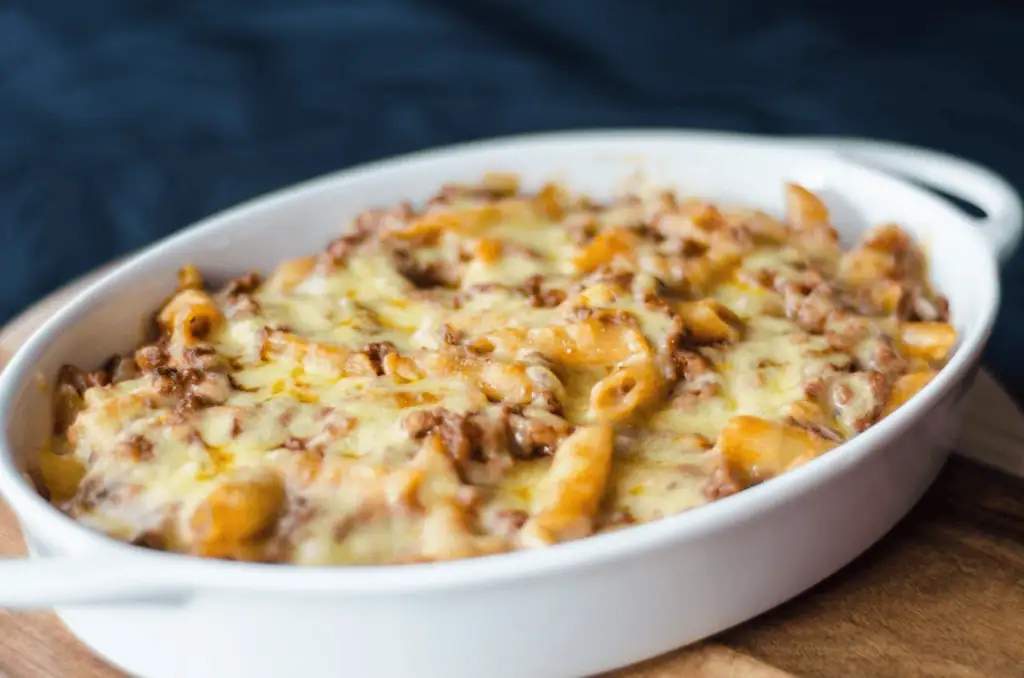
This creamy classic evokes pure childhood comfort, but its roots date back to the 18th century. Thomas Jefferson famously served an early version at a state dinner after discovering pasta in France. Kraft later turned it into a boxed pantry staple during the Great Depression, when families needed cheap, filling meals. Its journey from elite dish to everyday comfort food is surprisingly dramatic.
Chicken Soup
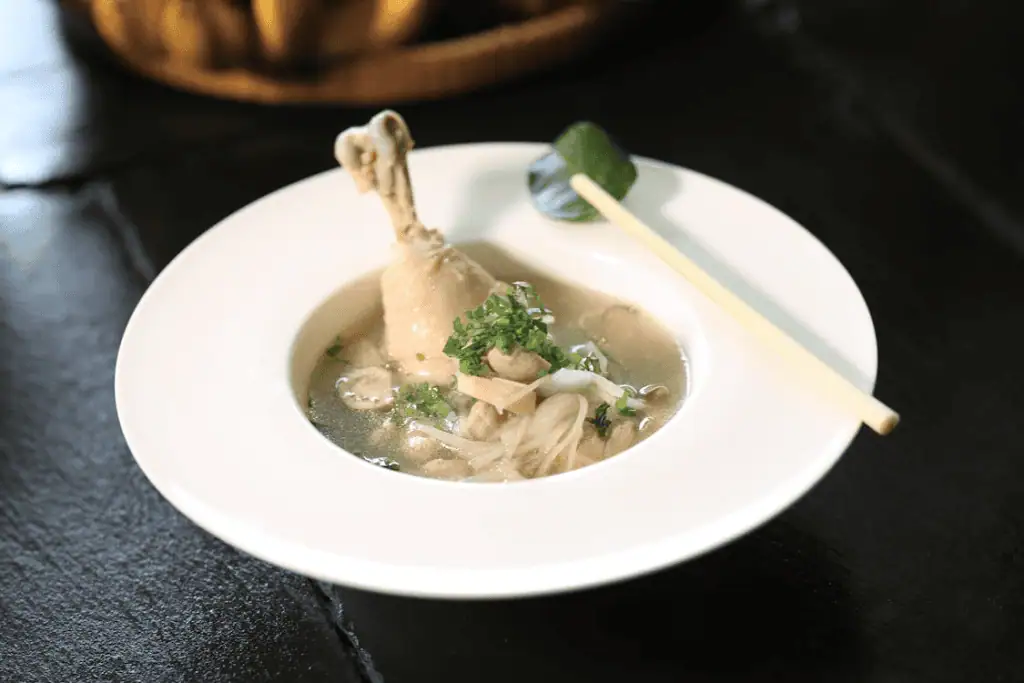
Often referred to as “Jewish penicillin,” chicken soup’s association with healing dates back thousands of years. Ancient physicians believed it had medicinal properties long before modern science partially confirmed its soothing benefits. Immigrant communities carried their own variations to America, where it became a universal cure-all. Its comforting legacy spans cultures and centuries.
Mashed Potatoes

Today’s creamy mashed potatoes started as a French culinary innovation in the 1600s, when a French pharmacist promoted potatoes to fight famine. Chefs later embraced the vegetable and turned it into the buttery mash we know today. Once a food viewed with suspicion, potatoes eventually became one of the world’s most comforting staples.
Grilled Cheese
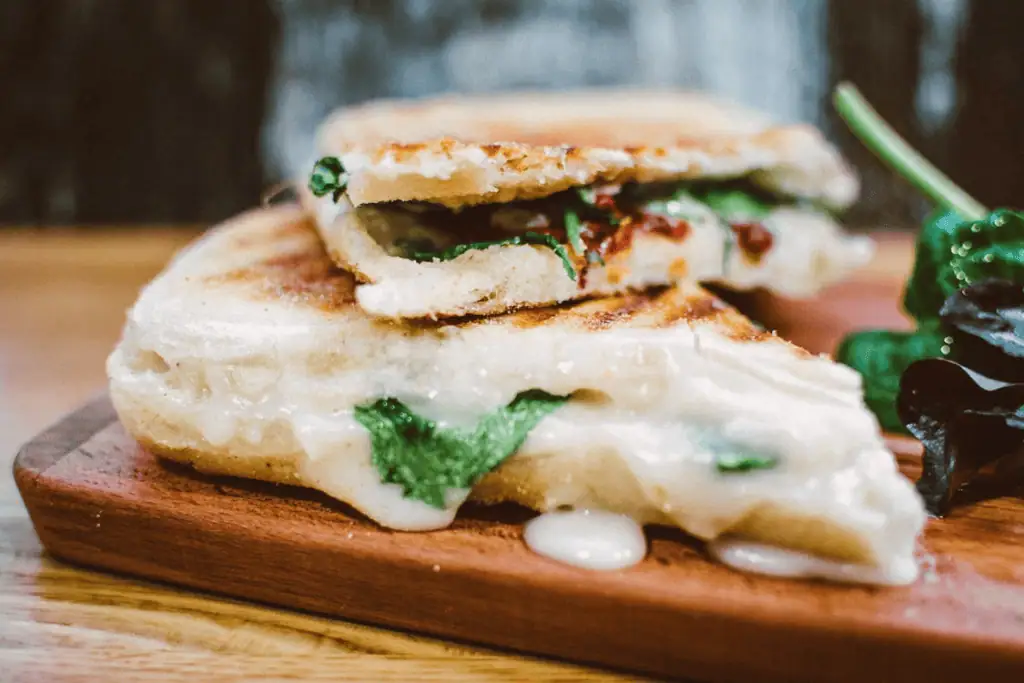
This melty sandwich surged in popularity during the Great Depression because sliced bread and cheese became inexpensive and easy to mass-produce. Schools and diners embraced it as an affordable, filling meal. Over time, it evolved into the ultimate comfort classic, with gourmet versions now found everywhere. Its humble beginnings helped shape its timeless appeal.
Chili
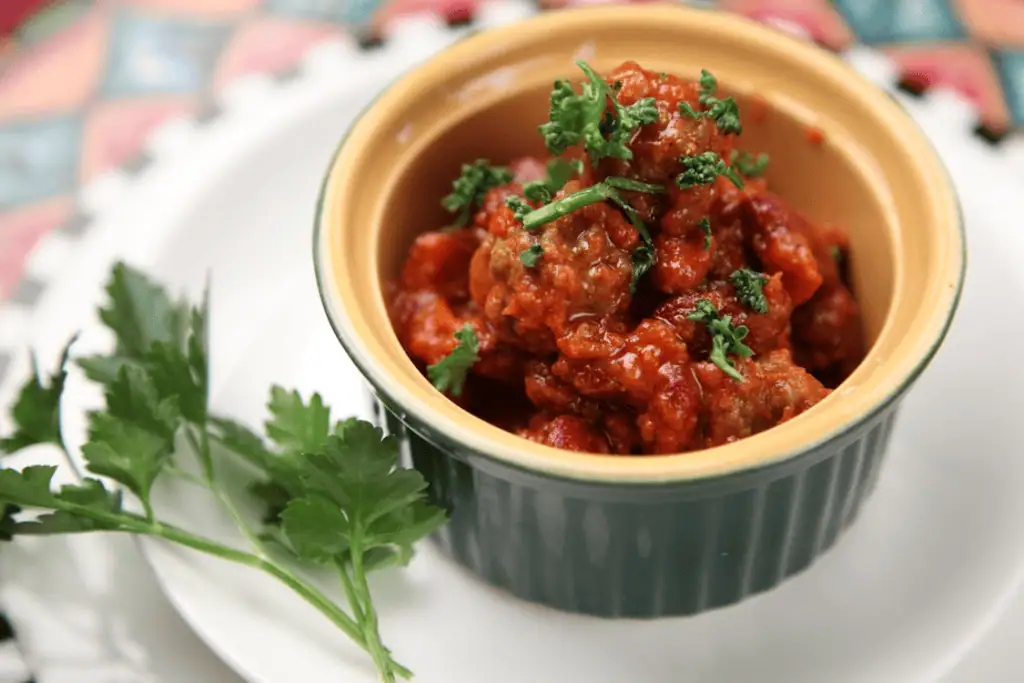
Chili’s history is rooted in the American Southwest, where cooks used affordable beef scraps and spices to create hearty meals for workers and travelers. Some legends trace it to San Antonio’s early “chili queens,” who served it in public plazas. Its bold flavor and satisfying warmth helped it spread nationwide, becoming a comfort staple with countless regional twists.
Meatloaf

Meatloaf’s origin stems from stretching ingredients during tough economic times. Immigrant cooks and thrifty families mixed ground meat with bread and spices to create a filling, low-cost meal. Its popularity exploded during both World Wars, when rationing made versatility essential. Today it’s a nostalgic favorite rooted in resourcefulness.
Pancakes
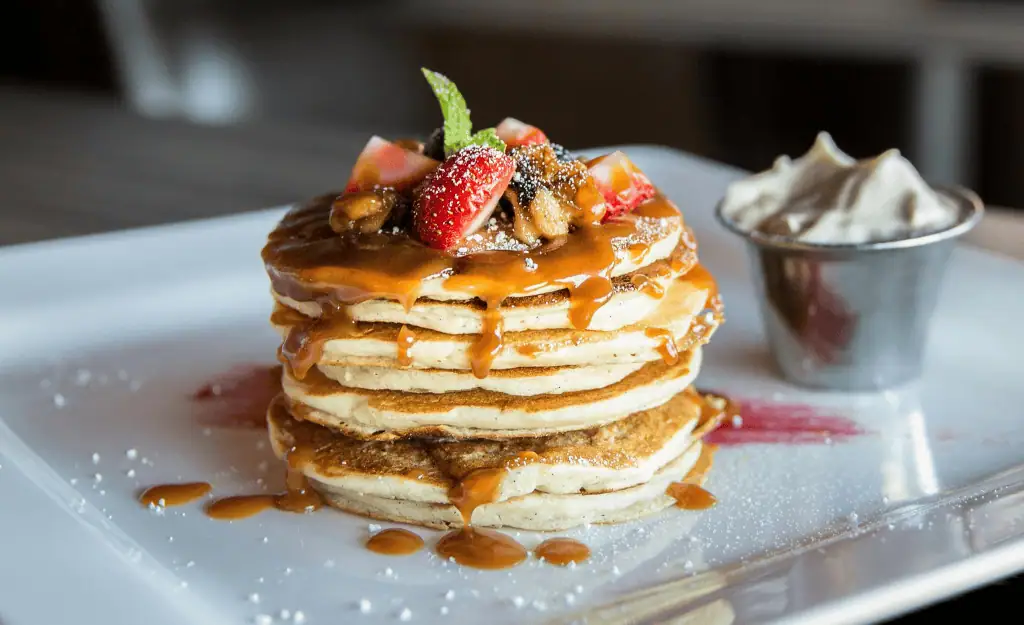
Pancakes appear in nearly every culture, from ancient Greek griddle cakes to fluffy American stacks. Early versions were made to use up perishable ingredients before fasting periods, giving them seasonal importance. Their evolution into a comforting breakfast staple reflects centuries of cultural adaptation. Their simplicity is part of what keeps them timeless.
Tomato Soup
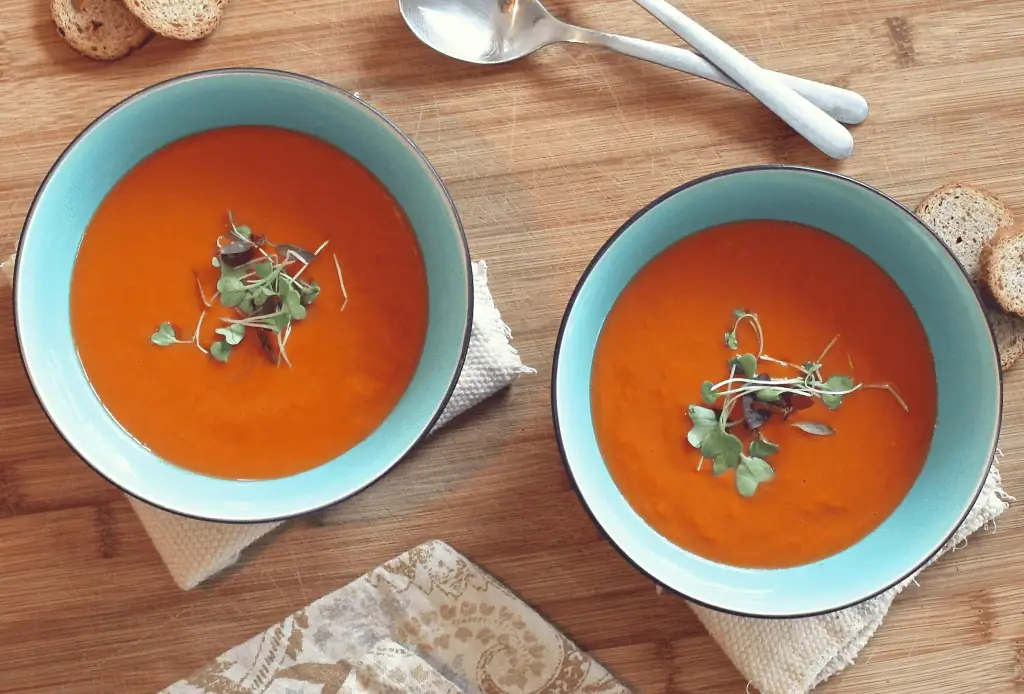
Canned tomato soup became a comfort essential thanks to the Campbell brothers, who perfected the condensed version in 1897. It became a household staple during the early 20th century because it was cheap, shelf-stable, and nutritious. Its pairing with grilled cheese sealed its legacy as one of America’s favorite cozy meals.
Chocolate Chip Cookies
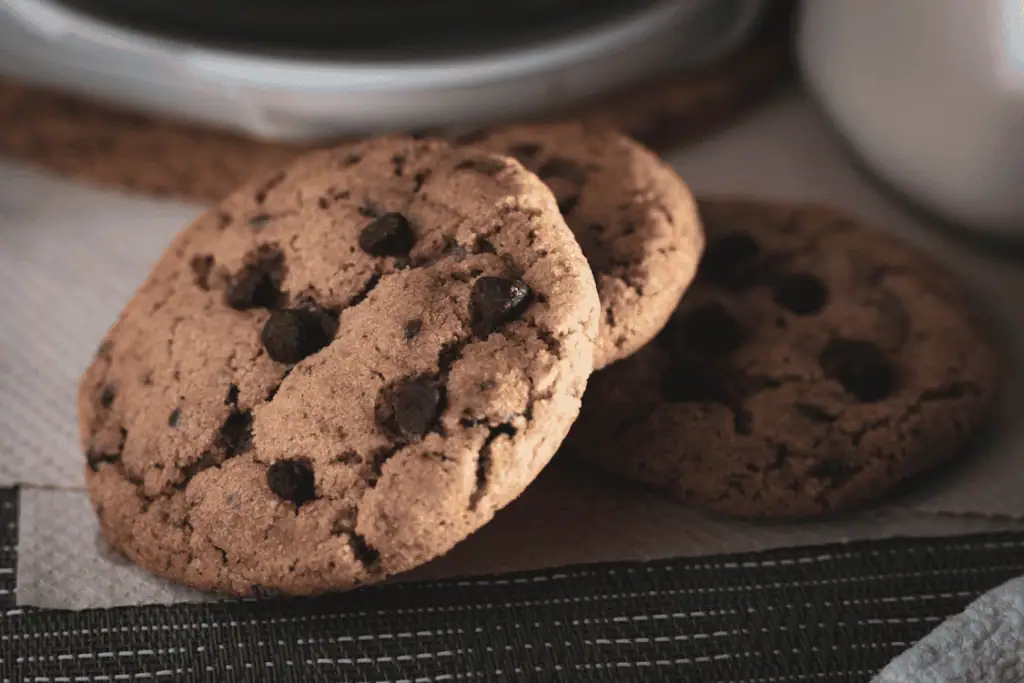
These cookies exist thanks to a happy accident. In the 1930s, Ruth Wakefield added chopped chocolate to cookie dough, expecting it to melt yet the chocolate held its shape. The result became the Toll House cookie, one of the most iconic American treats. Its accidental origin makes it one of the sweetest stories in comfort food history.
