
8 Popular Food Practices Home Cooks Don’t Realize Can Be Illegal Under State Laws
Home cooking is a cherished art, yet certain practices might unknowingly veer into legal gray areas. Whether it’s your trusted family recipe or a new technique picked up online, it’s important to be aware of the potential legalities involved in food preparation. This guide sheds light on common culinary methods with legal ramifications that might surprise home cooks. Armed with the right information, you can ensure your delicious creations are both delicious and compliant.
Are Your Baked Goods Breaking the Law?

Selling homemade baked goods can seem a straightforward way to share your craft, but many states impose regulations on home kitchens concerning food safety. Cottage food laws vary, often requiring licensing or use of commercial kitchens. To legally sell your goods, investigate your state’s specific requirements, which might include sanitation standards and labeling. This ensures not only compliance but also that your confections are safe for public delight. A small step of due diligence can prevent potential missteps in your baking business.
Canning Chaos: Preserving Foods Legally

Canning is a beloved method for preserving garden abundance, yet it comes fraught with rules due to the risk of botulism. Use approved recipes and adhere to precise processing times and methods. Some states may require specific pH levels or prohibit selling home-canned goods altogether. Familiarize yourself with your state’s guidelines, possibly attending extension service workshops to ensure compliance and safety. Mastering legal canning methods will safeguard both your produce and reputation.
The Raw Milk Riddle

Raw milk enthusiasts champion its flavor and perceived benefits, but it’s a contentious topic legally. Many states ban sales outright, while others permit them under stringent regulations involving testing and licensing. Understanding these legal nuances is crucial, as selling or distributing raw milk without compliance can attract hefty fines. For consumers, know where your milk originates and the standards it meets, ensuring a safe and legally sound indulgence in this controversial dairy delight.
Kombucha Controversy: Alcohol Content Matters

Kombucha lovers enjoy its tangy fizz, but legal issues arise when fermentation pushes alcohol levels beyond permissible thresholds. In some states, exceeding 0.5% alcohol by volume can classify it as an alcoholic beverage, subjecting it to additional regulations. Home brewers should monitor fermentation times and temperatures closely. Investing in a hydrometer to test alcohol content is advisable. This diligence ensures your home-brewed kombucha remains both refreshing and compliant with the law.
Home Kitchens and Legal Limitations
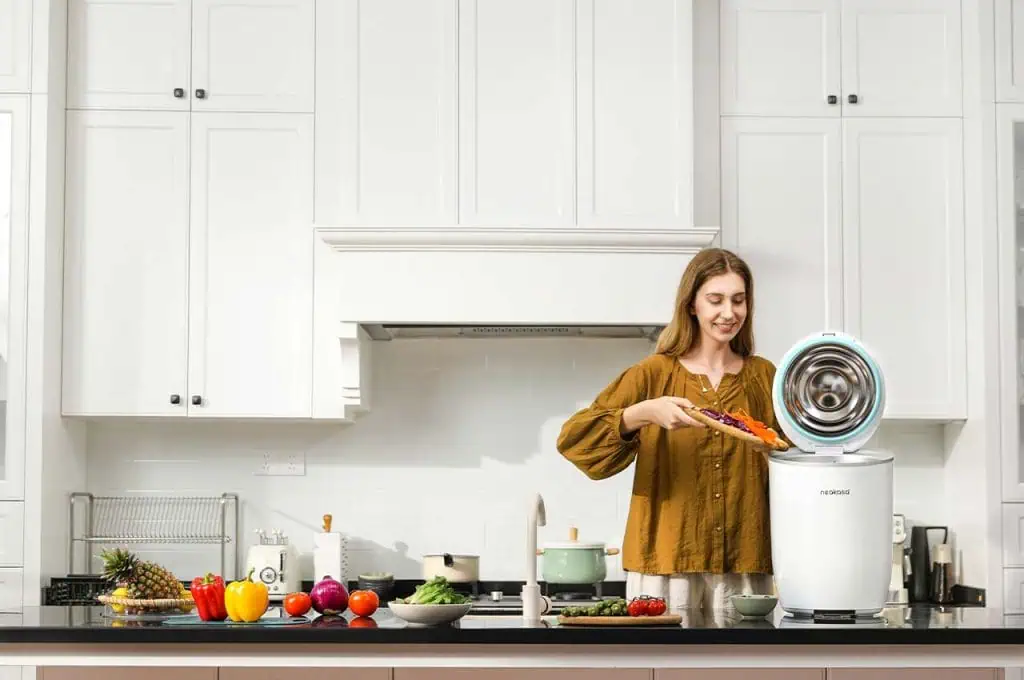
Understanding the legal landscape of operating a home kitchen is crucial for food enthusiasts who love to share their culinary creations. Regulations vary by state, and any attempt to sell food prepared at home might require specific permits or adherence to cottage food laws. These laws are designed to ensure safety, covering aspects like labeling, sanitation, and the types of food that are permissible for sale. Familiarize yourself with local regulations to maintain compliance, safeguarding your ability to share homemade goods legally and responsibly.
Wild Foods: The Foraging Fiasco

Foraging for wild foods offers a delightful way to connect with nature, but care must be taken to comply with state laws. Many regions have specific restrictions on harvesting certain plants, mushrooms, or other natural food sources, particularly in protected areas. Understanding these laws helps prevent unintended harm to ecosystems and ensures personal safety from potential legal consequences. Always seek permission where needed and educate yourself on local guidelines to enjoy foraging without running afoul of regulations.
Cheese and Yogurt: Inspection Imperatives

Making cheese and yogurt at home is a rewarding process that hinges on precise technique and quality ingredients. However, selling these dairy products invites regulatory oversight, typically requiring inspection and adherence to stringent health standards. Rules may dictate pasteurization requirements and the specific facilities approved for dairy processing. This ensures public safety and maintains product quality. Be informed of your state’s criteria before considering commercial production, ensuring that your delicious creations remain both safe and legal.
Pop-Up Dining: Legal or Not?

The allure of pop-up dining draws many culinary aficionados eager to showcase their skills. Yet, executing a legal pop-up event involves navigating complex local regulations. These may include permits for food service, compliance with health codes, and sometimes zoning laws. Each jurisdiction has its nuances, determining whether such events can operate under temporary or event-specific licenses. Researching these essentials beforehand secures your venture against potential legal challenges, allowing your culinary creativity to shine safely.
