
8 Foods You Should Never Store in The Refrigerator
Storing food properly can greatly impact its taste and texture. While a refrigerator is essential for many items, it isn't suitable for all produce. Understanding which foods benefit from room temperature can enhance their flavors and longevity. By avoiding refrigeration, you'll not only save space but also enjoy produce at its peak. Let's explore some key ingredients that should remain outside the fridge to maintain their quality and flavor.
Bananas: Keep Them Sweet
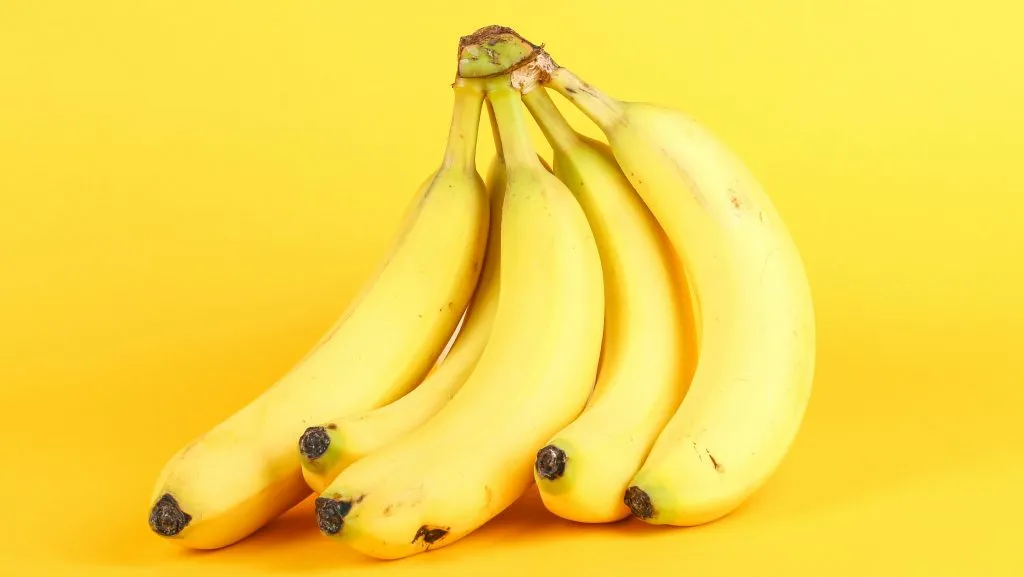
Bananas thrive at room temperature, allowing them to ripen naturally and evenly. Refrigeration halts the ripening process, leading to uneven texture and taste, and may cause them to turn black. By keeping bananas on the counter, you ensure they develop their sweetness fully. If they become too ripe, consider freezing them for smoothies or baking. A fruit bowl away from direct sunlight not only provides proper air circulation but also maintains their delightful aroma and sweetness.
Tomatoes: Preserve the Flavor

Tomatoes lose flavor and texture when chilled, as refrigeration degrades their natural sugars and compounds. For optimal taste, store them stem-side down in a single layer at room temperature. This method minimizes bruising and encourages even ripening. Avoid stacking to prevent pressure points that lead to spoilage. A better-flavored tomato enhances dishes, whether it's a salad, sauce, or sandwich component. Keep them out of direct sunlight for best results.
Potatoes: Perfect in the Dark
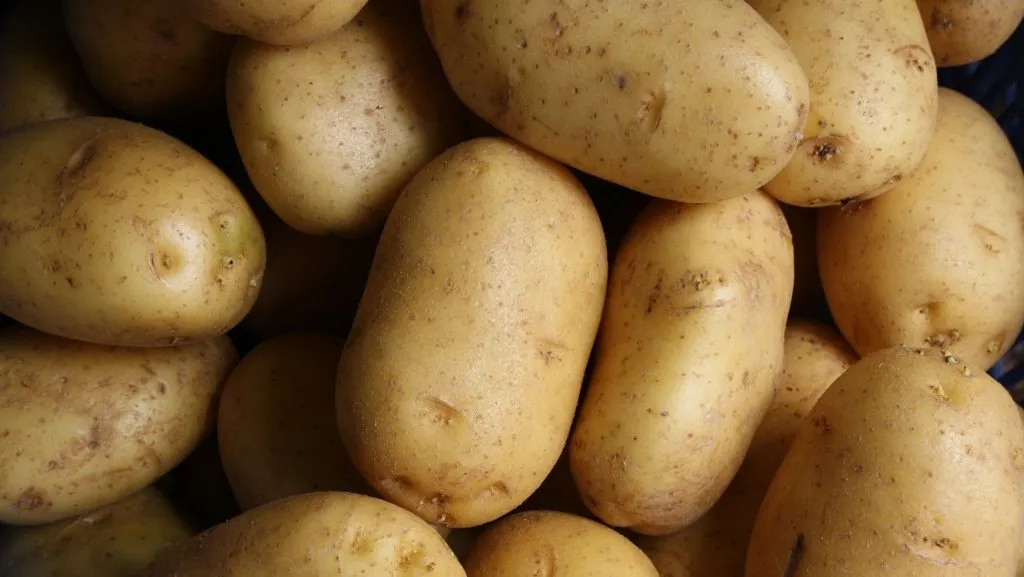
Potatoes require a cool, dark environment to maintain their starch content and avoid sprouting. Refrigeration converts starch to sugar, resulting in an unpleasantly sweet flavor when cooked. Store them in a breathable bag or basket in a pantry or cellar. This setup prevents exposure to moisture and light, both detrimental to their longevity. Checking them regularly for any sprouts or soft spots ensures they remain fresh for longer—a crucial step for crisply roasted or perfectly mashed potatoes.
Onions: Avoid Sogginess
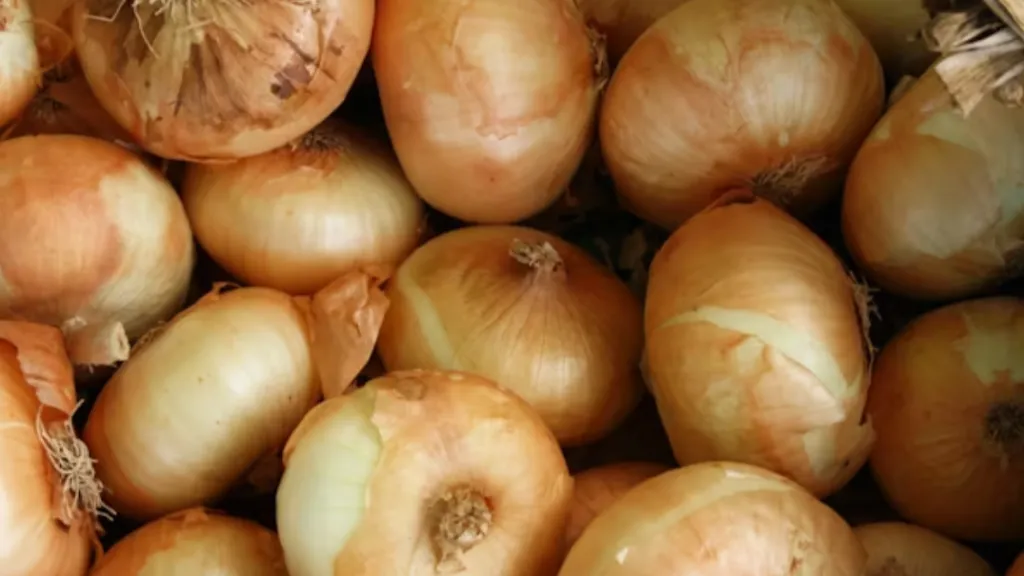
Onions stored in the fridge absorb moisture, leading to soggy texture and mold. Instead, place them in a dry, well-ventilated area like a kitchen drawer or a hanging mesh bag. Keeping them separate from potatoes helps prevent accelerated spoilage. Whole onions benefit from darkness to reduce sprouting. Avoid plastic bags as they trap moisture and enhance ripening. By choosing the right storage, you preserve their pungency and crunch, essential for soups, salads, and sautés.
Garlic: Keep the Cloves Dry

Garlic thrives best when stored in a dry, well-ventilated environment. Refrigerating garlic tends to introduce unnecessary moisture, causing the cloves to become soft and moldy. For optimal storage, keep your garlic in a mesh bag or a loosely woven basket, allowing air to circulate freely. This method helps maintain its potent flavor and crisp texture, enhancing the quality of your culinary creations.
Bread: Moisture is the Enemy

Storing bread in the refrigerator accelerates its staling process, leading to an undesirably hard texture. Instead, keep bread at room temperature in a bread box or a paper bag, which minimizes moisture retention while preserving its crustiness and crumb. For longer storage, consider freezing bread, slicing it beforehand to make defrosting more manageable and maintaining its fresh-out-of-the-oven appeal.
Olive Oil: Cloudiness is a No

Refrigerating olive oil can cause it to turn cloudy and thick, making it less visually appealing and possibly impacting its texture. Store olive oil in a cool, dark place, away from direct light and heat, to retain its robust flavor profile and nutritional benefits. A dark, tinted bottle is ideal for safeguarding against exposure, ensuring the oil remains in peak condition for drizzling or sautéing.
Honey: Crystallization Alert

Refrigerating honey prompts crystallization, transforming its smooth, golden liquid into a gritty, solid mass. To maintain honey's natural viscosity and aromatic complexity, store it in a tightly sealed jar in a cool, dark cupboard. This way, its longevity is preserved, and it's always ready to add a touch of sweetness to your dishes. If crystallization occurs, gently warm the jar in hot water to restore its fluidity.
