
8 foods the FDA almost banned (and why they still exist)
Over the decades, the FDA has closely examined various foods that raised concerns around safety, labeling, or ingredient composition. Some products came remarkably close to being pulled from shelves, prompting public debate and industry pushback. However, changes in regulations, updated manufacturing practices, and improved scientific understanding helped keep these foods available. Their continued presence highlights how evolving standards shape what Americans can buy and how the food industry adapts to stay in compliance.
Red Dye No. 3

Red Dye No. 3 was nearly banned after animal studies raised concerns about its long-term safety. While it was prohibited in cosmetics, food producers argued that regulated amounts posed minimal risk in edible products. New labeling requirements and ongoing monitoring allowed its continued use in candies, baked goods, and snacks, keeping it on shelves despite earlier scrutiny.
Raw Milk Cheese

Raw milk cheeses, especially varieties aged under 60 days, faced possible bans due to concerns over bacteria. Instead of eliminating them, the FDA implemented strict aging requirements and microbial standards. These changes allowed consumers to keep enjoying traditional cheeses while ensuring safer production and handling practices nationwide.
Olestra Snack Chips

Olestra, a fat substitute used in certain chips, prompted digestive complaints and briefly risked regulatory withdrawal. Instead of an outright ban, the FDA required clearer labeling and more detailed consumer information. Manufacturers later improved their formulations, allowing the product to remain available while reducing its earlier side effects.
Four Loko (Original Formula)
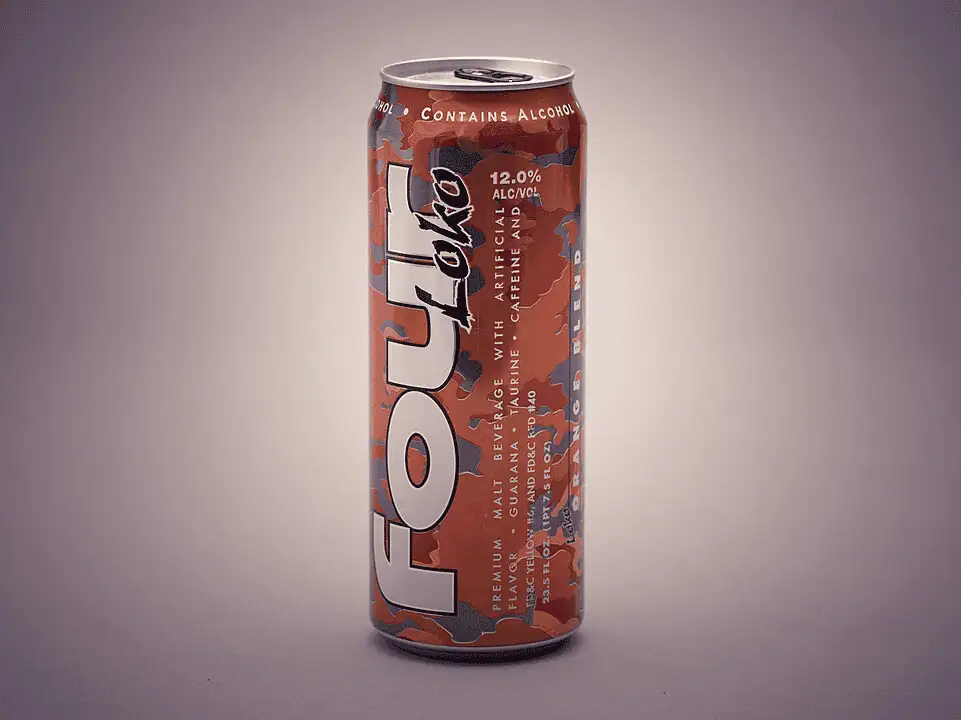
Alcoholic energy drinks like the original Four Loko raised significant safety concerns due to the combination of caffeine and high alcohol content. While the FDA did not ban the beverage outright, it required manufacturers to remove stimulants from alcoholic products. Reformulation allowed Four Loko to stay on the market, albeit in a very different form than the original.
Kinder Surprise Eggs

Kinder Surprise eggs were nearly banned for containing embedded toys within the chocolate shell, triggering concerns about choking hazards. After years of restrictions, modified versions with separated toy compartments met U.S. safety standards. This design adjustment allowed the product to remain accessible while complying with consumer protection rules.
Alfalfa Sprouts

Alfalfa sprouts repeatedly came under FDA scrutiny due to outbreaks linked to contamination. Instead of removing them from stores, the FDA worked with producers to adopt stricter sanitation and testing procedures. These enhanced safety practices helped reduce risk, allowing sprouts to continue being sold while addressing the agency’s major concerns.
Trans Fat Products

Partially hydrogenated oils were once at risk of being banned entirely due to their association with cardiovascular issues. The FDA eventually removed their “generally recognized as safe” status, prompting manufacturers to reformulate products. While traditional trans fats are essentially phased out, some items contain alternative formulations that meet updated guidelines, allowing similar foods to persist.
Sassafras Tea
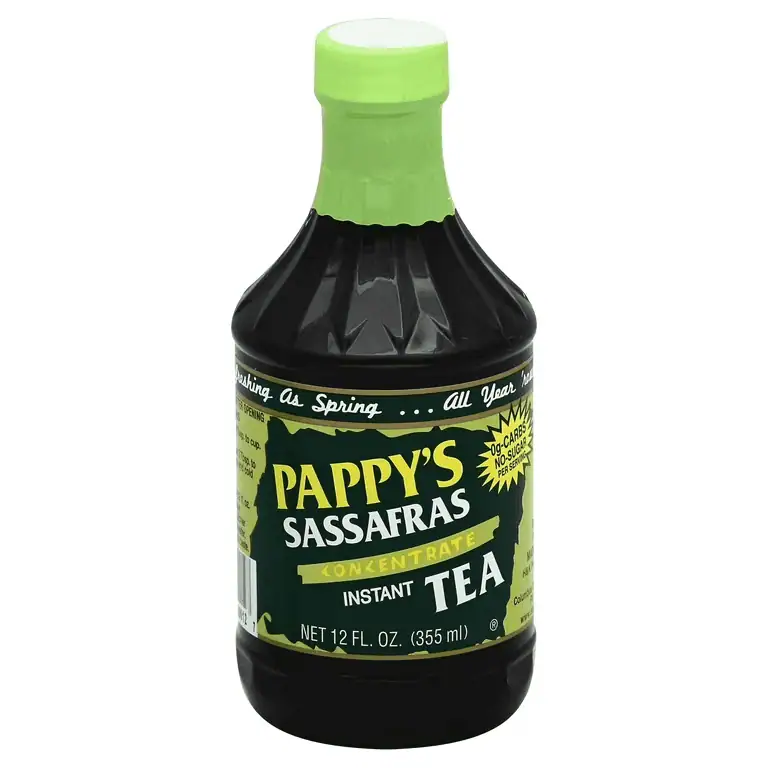
Sassafras tea faced potential removal after safrole, a compound in the plant, was linked to health risks in high concentrations. Producers responded by creating safrole-free versions using specialized extraction methods. These revised products met FDA standards, allowing sassafras-flavored teas and syrups to remain available without the original safety concerns.
