
7 Popular Snacks You Didn’t Know Are Illegal to Import
Many travelers return from trips abroad with suitcases full of snacks, only to discover that some of their favorites are actually prohibited in the United States. From banned ingredients to strict USDA and FDA regulations, several globally loved treats can’t legally cross the border even in small quantities. The reasons range from food safety concerns to agricultural risks, but the result is the same: these iconic snacks stay overseas. Here are seven popular treats you may be shocked to learn are illegal to import.
Kinder Surprise Eggs (Original Version)

The classic Kinder Surprise chocolate egg with a toy inside is banned because U.S. law prohibits embedding non-food items inside food due to choking risks. While a modified Kinder Joy version is sold legally, the original capsule-in-chocolate design is still illegal to import. Travelers often get items confiscated at customs, making this one of the most surprising snack bans for Americans.
Certain British Potato Chips Cooked in Beef Tallow
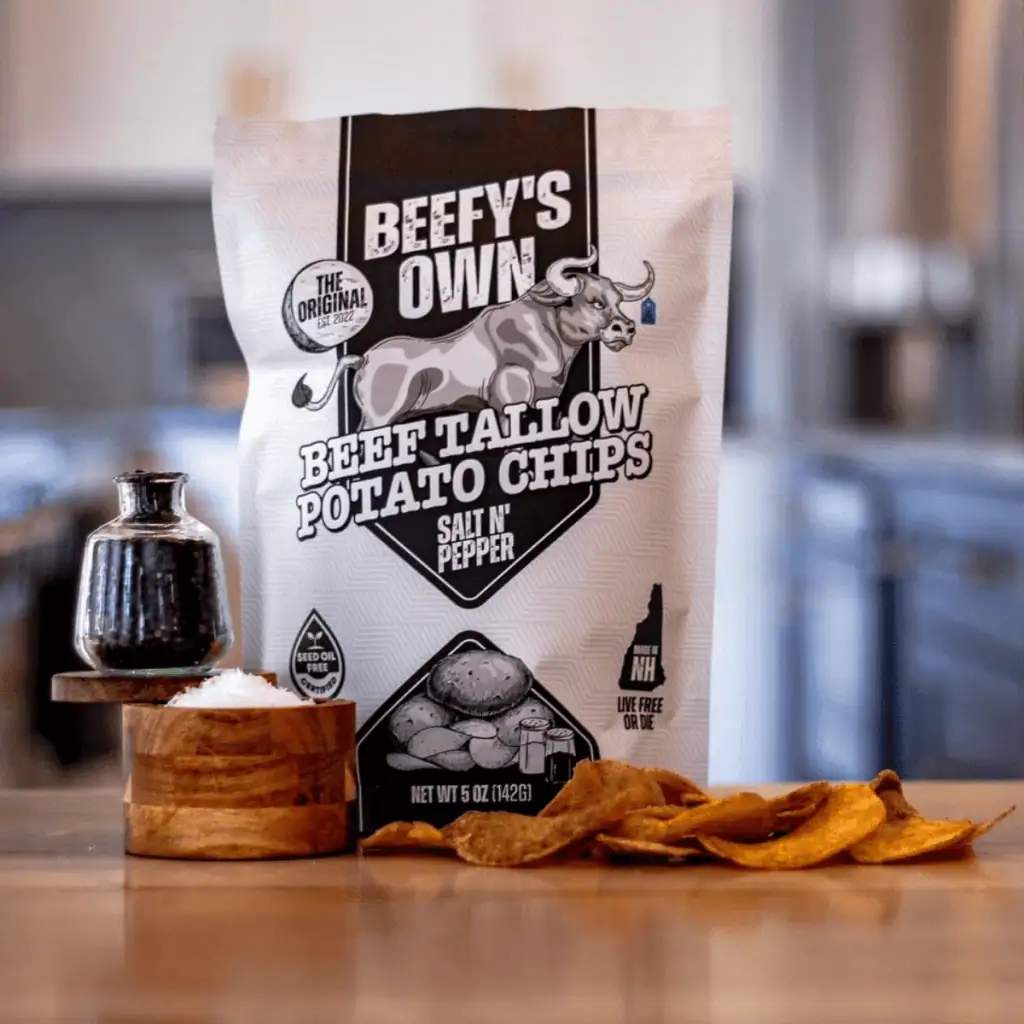
Some U.K. chip brands, especially classic beef tallow–fried varieties, aren’t allowed into the U.S. because they contain animal-derived ingredients not approved for import. Regulations also restrict certain flavorings tied to livestock safety concerns. These nostalgic chips are hugely popular abroad, but strict import rules mean they rarely make it past customs unless reformulated for U.S. sale.
Haggis Crisps and Other Sheep Lung Snacks

Any food product containing sheep lungs is banned in the U.S., which makes certain savory “haggis-flavored” crisps and snacks illegal to bring in from Scotland. The FDA prohibits lung-based ingredients due to contamination risks during processing. While they’re beloved overseas for their salty richness, American travelers often learn the hard way that these snacks can’t cross borders.
Unpasteurized French Cheese Crackers

Snack crackers made with unpasteurized soft cheeses, especially camembert or brie blends, can’t be imported because the FDA requires pasteurization for safety. These crackers are widely sold in French supermarkets, but the dairy component makes them off-limits in the U.S. Even sealed packages are confiscated because they’re classified as restricted fresh dairy products.
Certain Japanese KitKat Flavors Containing Forbidden Additives

While most Japanese KitKats are legal, a handful of limited-edition flavors contain food colorings or additives not approved by the FDA. These rarely make it into American stores and can be seized when mailed or brought by travelers. Japan’s KitKat lineup has hundreds of seasonal flavors, so the banned ones often catch fans by surprise because they look harmless from the outside.
Meat-Filled Snack Pastries From Europe

Any snack containing fresh, cured, or processed meat, like mini sausage rolls, pork pies, or meat-filled pastrie,s is illegal to import due to strict USDA livestock rules. These items pose potential risks of disease transmission, so even commercially packaged versions are prohibited. Many Americans traveling to the U.K. or Portugal try to bring some home, only to have them confiscated at inspection.
Foreign Instant Noodles Containing Non-Approved Seasonings

Some instant noodle varieties, particularly from Southeast Asia, contain seasoning packets with additives, animal extracts, or preservatives that aren’t FDA-approved. Even though the noodles themselves are safe, the seasoning makes the entire pack illegal to import. Customs agents frequently flag these products, leading to surprise seizures from travelers who simply wanted their favorite ramen flavors.
