
7 forgotten Black chefs who shaped American food history (but never got the credit)
Behind many of America’s most cherished “classic” dishes, from French fries to refined Southern farm-to-table cuisine, lies a history of Black brilliance that was often systematically erased. In 2026, as the culinary world pushes for a more honest accounting of its origins, these seven figures are finally moving from the margins to the center of the narrative.
These were not just cooks; they were master chefs, inventors, and entrepreneurs who operated at the highest levels of society, often while navigating the unimaginable constraints of enslavement or segregation. Here are the forgotten icons who truly shaped how America eats today.
James Hemings: The “French Fusion” Pioneer
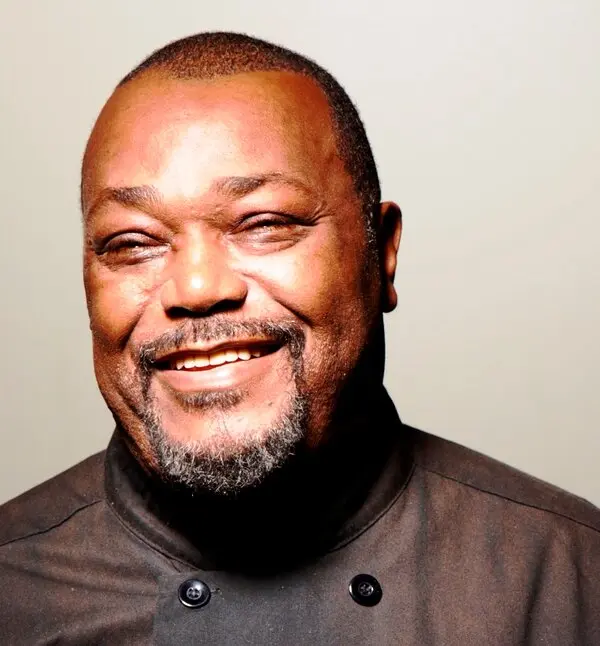
James Hemings was the first American to be formally trained as a chef in France, accompanying Thomas Jefferson to Paris in 1784. While there, he mastered high-end French techniques and blended them with Virginian ingredients, effectively creating the first “fusion” cuisine in the U.S. Hemings is the reason Americans enjoy macaroni and cheese, crème brûlée, and “pommes frites” (French fries).
Despite his mastery, he had to bargain for his own freedom in exchange for training his brother to replace him. His legacy is the very foundation of American fine dining and the sophisticated “Godfather” of the Southern palate.
Hercules Posey: The President’s “Artiste”

Known simply as “Uncle Harkless” or Chef Hercules, he was the enslaved head chef for George Washington. In Philadelphia, Hercules became a local celebrity, known for his “commanding presence” and the elaborate, multi-course diplomatic feasts he prepared. He was a pioneer of the “professional kitchen” standard, running a strict, impeccably clean operation.
In 1797, sensing he was about to be returned to the labor of the plantation, Hercules self-emancipated, leaving behind a legacy of culinary excellence that helped define the early American executive style.
Thomas Downing: The Oyster King of New York
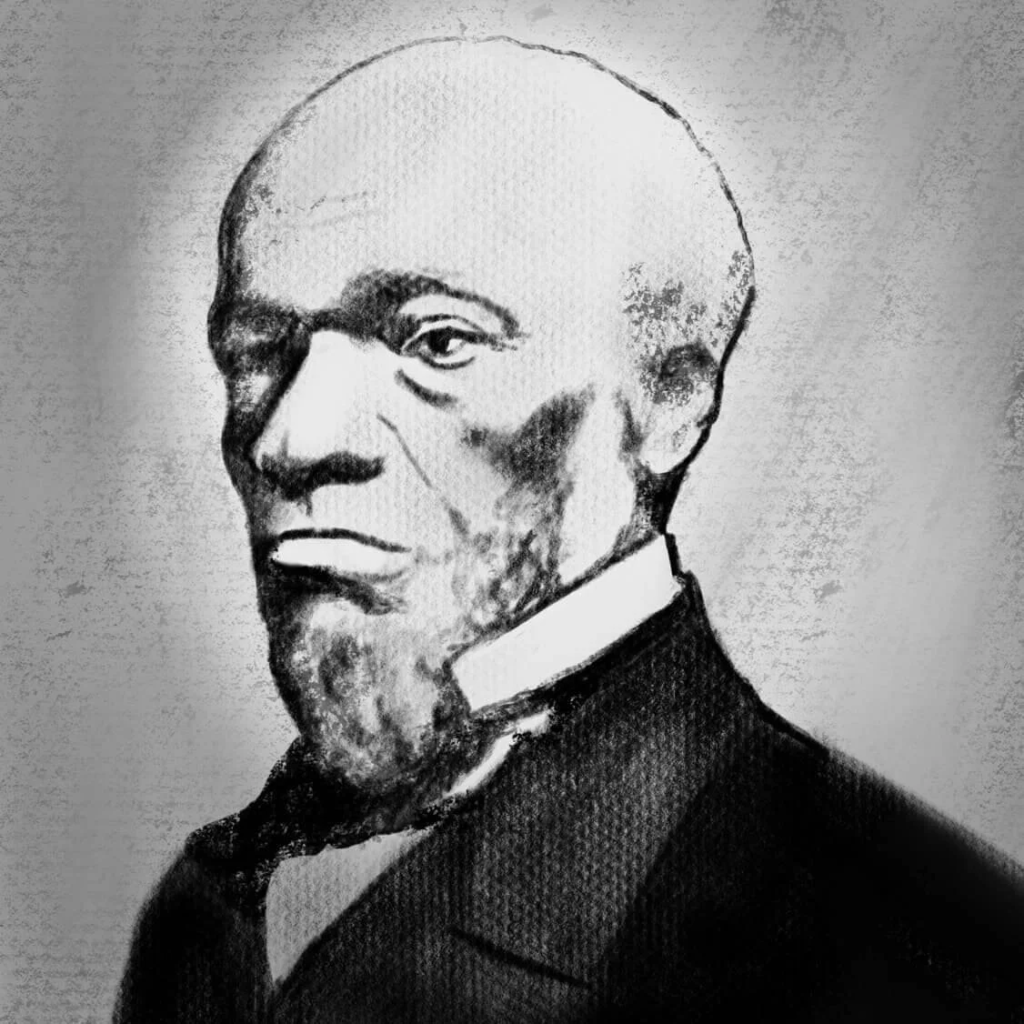
In the mid-1800s, Thomas Downing transformed the humble oyster from “street food” into a luxury delicacy for the New York elite. Born to free parents, Downing opened an upscale oyster cellar at 5 Broad Street that featured chandeliers and fine damask curtains a “respectable” dining environment that was revolutionary for its time.
While serving the city’s wealthiest white businessmen, Downing secretly used his basement as a major stop on the Underground Railroad. He proved that culinary entrepreneurship could be a powerful engine for both social status and social justice.
Joseph Lee: The Master of Automation
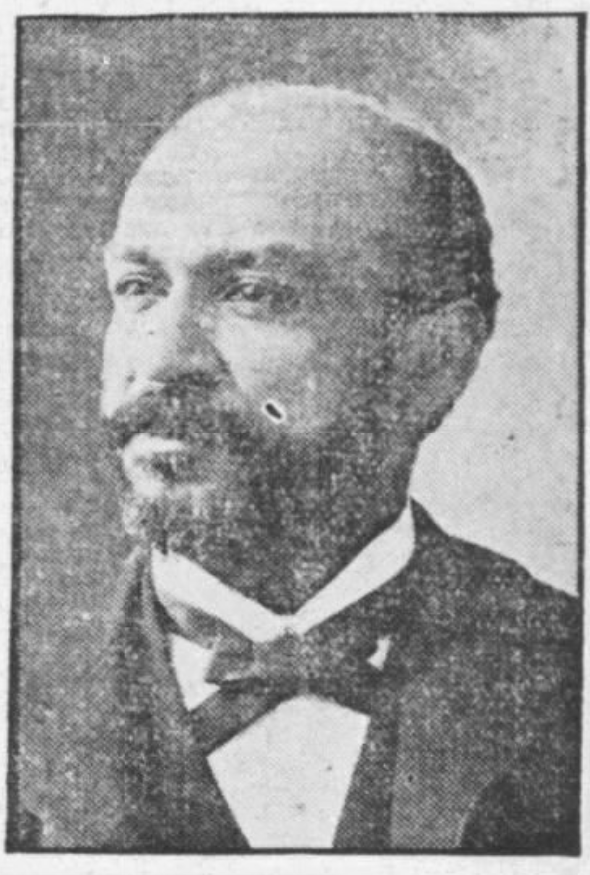
A successful hotelier and restaurateur in late-19th-century Boston, Joseph Lee was also a brilliant mechanical inventor who revolutionized the hospitality industry. Frustrated by the waste of day-old bread, Lee patented an automatic “bread crumbing machine” in 1895 that is the ancestor of modern food processors.
He also invented a mechanical bread-kneading machine that approximated the work of human hands far more efficiently than previous tools. His inventions allowed commercial bakeries to operate at a massive scale, forever changing the efficiency of the American food supply chain.
Lena Richard: The First TV Celebrity Chef
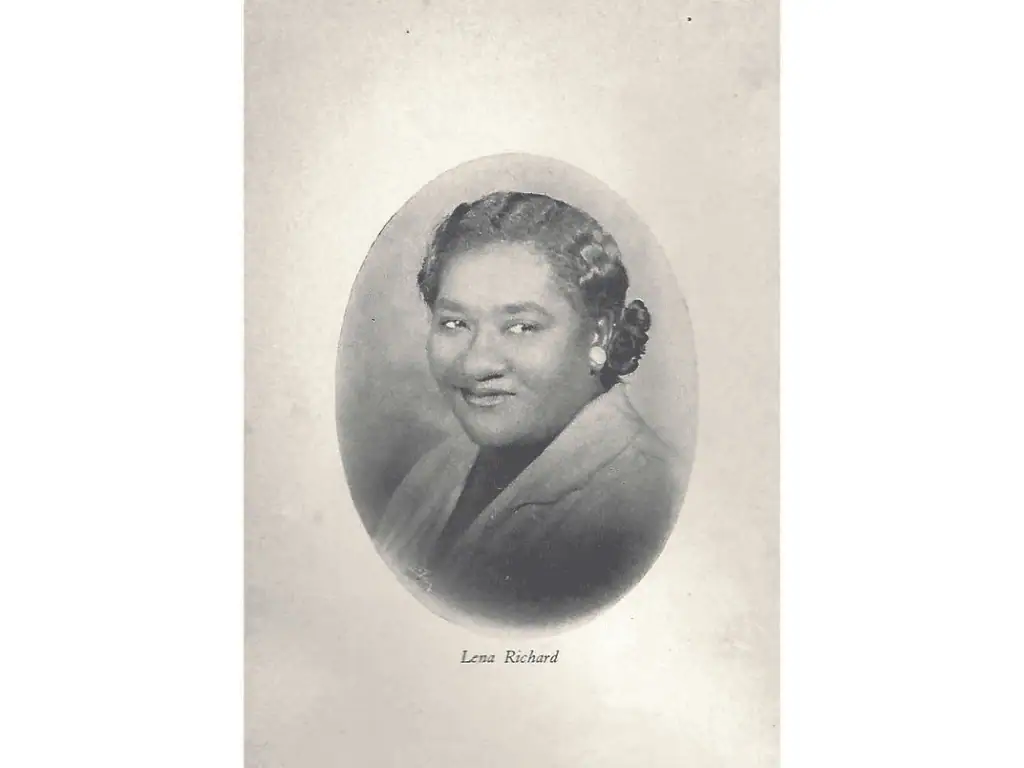
Fourteen years before Julia Child ever appeared on screen, Lena Richard was hosting her own television cooking show in New Orleans. In the 1940s, Richard defied the Jim Crow South by opening a cooking school to empower Black chefs and publishing Lena Richard’s Cook Book.
Her show was a massive hit, showcasing the complexity of Creole cuisine to a wide audience. She was a trailblazer in food media, demonstrating that Black culinary expertise belonged in the spotlight, and she remains a cornerstone of the New Orleans culinary identity.
Malinda Russell: The First Black Cookbook Author
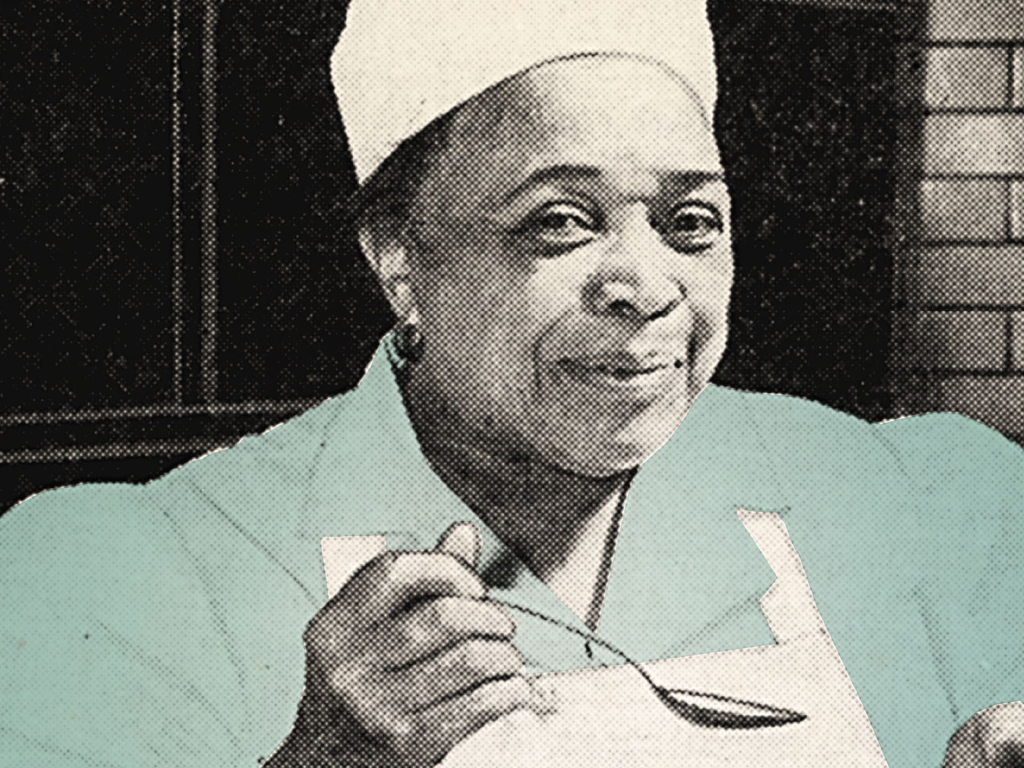
In 1866, Malinda Russell published A Domestic Cook Book, the first known cookbook written by a Black woman in the United States. A free woman from Tennessee, Russell ran a successful pastry shop and utilized her book to share sophisticated recipes for puff pastries, cordials, and complex cakes.
Unlike later “mammy” stereotypes that focused on “soul food,” Russell’s work highlighted a high level of technical skill and European-style baking. Her book is a vital historical document that proves Black women were leaders in professional confectionery and pastry arts.
Edna Lewis: The Grande Dame of Farm-to-Table
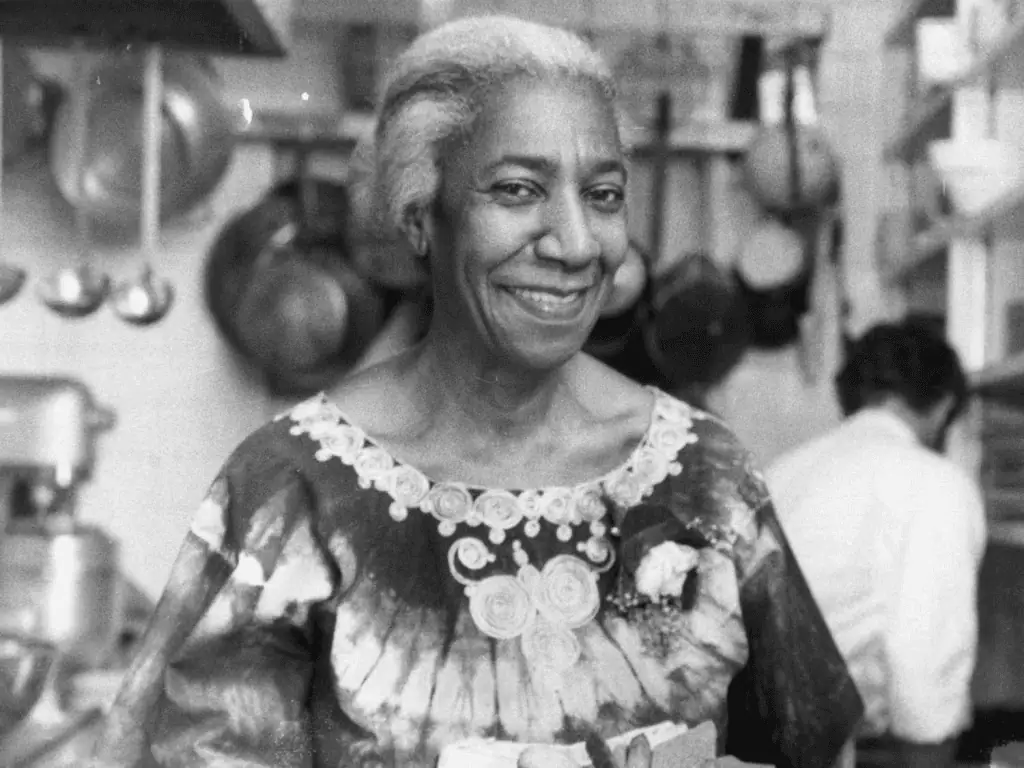
While “farm-to-table” is a modern buzzword, Edna Lewis was its original champion. Born in a community of emancipated slaves in Virginia, Lewis brought the seasonal, ingredient-driven cooking of her childhood to the New York elite at Café Nicholson in the 1940s.
Her seminal 1976 book, The Taste of Country Cooking, treated Southern food with the same reverence and technical detail as French haute cuisine. She spent her life fighting the “grease and grits” stereotype, ensuring that the elegance and history of Black Southern foodways would never be forgotten.
