
7 Breakfast Habits College Students Followed in the 1950s That Would Surprise You Today
In the 1950s, college students followed breakfast routines that seem surprising today. Their morning meals balanced simplicity with hearty fare, often focusing on quick preparation. These habits reveal how tastes and dining priorities have evolved, highlighting the era’s culinary shifts. Let’s delve into some typical breakfast practices from this time that underscore resourcefulness and tradition, offering a nostalgic yet insightful glimpse of past student life.
Cereal With Cold Milk: The 1950s Staple
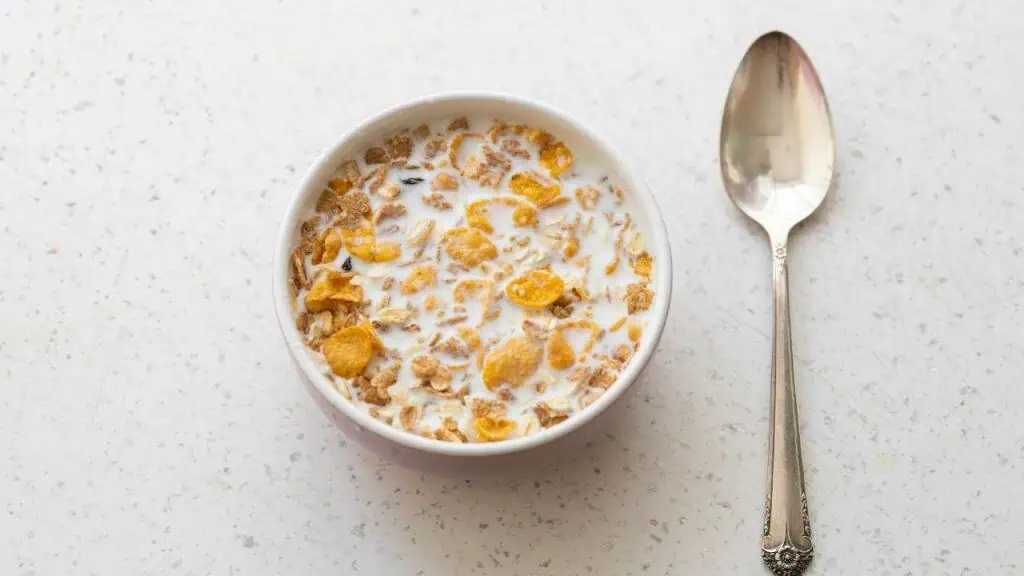
A convenient choice for busy students, cereal with cold milk became a staple in the 1950s. Often featuring brands like Corn Flakes, it delivered a quick energy boost. The crisp texture of the cereal, coupled with the coolness of fresh milk, provided a refreshing start to the day. For many, it was this combination of simplicity and speed that made cereal the go-to option for breakfast, allowing them to dash off to their early classes without missing a meal.
Grape-Nuts and Shredded Wheat: Healthy Crunch

Health-conscious students leaned towards Grape-Nuts and Shredded Wheat for their breakfast crunch. Both provided a hearty fiber dose, important for energy and focus. The nutty texture of Grape-Nuts and the substantial bite of Shredded Wheat offered a satisfying bowl with cold or warm milk. This choice reflected a burgeoning awareness of nutrition, as students opted for these fiber-packed options over sweeter cereals, aligning with a growing interest in wholesome eating.
Coffee in Massive Mugs: The Morning Ritual

Coffee played a critical role in the morning routine, served in sizable mugs to offer a jolt of caffeine. This was less about nuanced flavor profiles and more about function. Large servings ensured students had the alertness to tackle their morning lectures. The ritual of brewing a fresh pot, often using percolators, contributed to a communal ambiance in shared dorm kitchens. This practice provided both a caffeine kick and a moment of camaraderie among peers.
Fried Eggs and Bacon: The Full Hot Breakfast

A full hot breakfast of fried eggs and bacon was a weekend luxury for many students. Preparing the perfect fried egg involved cracking it into a hot, greased pan, allowing it to cook just until the edges curled. The bacon, crisped to perfection, added savory richness. This meal offered indulgence and warmth, often reserved for leisurely mornings when time permitted a greater culinary effort. It was a filling option that kept hunger at bay well into the day.
Toast With Margarine: Budget-Friendly Favorite

In the 1950s, college students often opted for toast smeared with margarine as a cost-effective and satisfying breakfast choice. The key to elevating this simple dish lies in achieving the perfect toast, use slices of bread that have just the right balance of softness and sturdiness. Slightly dry bread will toast evenly. While margarine was economical, blending it with a pinch of salt and a hint of honey can enhance flavor. Serve immediately to ensure the toast retains its crisp texture, creating a warm, inviting start to the day.
Oatmeal With Sugar and Raisins: Sweet and Simple

Oatmeal, topped with a sprinkle of sugar and a handful of raisins, was a comforting staple for many students. Begin by cooking rolled oats to a creamy consistency, ensuring a gentle simmer to avoid scorching. Adding sugar while the oats are hot helps it dissolve, infusing sweetness throughout. Raisins, when sprinkled on top, provide chewy contrast and natural sweetness. For added depth, consider a dash of cinnamon. Serve steaming to appreciate this harmonious blend of taste and texture, a breakfast that’s both hearty and economical.
Doughnuts: The Quick Treat Between Classes

Doughnuts offered a quick and indulgent break before heading to class. These pastries were often purchased from local bakeries or campus cafeterias, favored for their convenience and rich flavor. A perfect doughnut features a light, airy interior with a crisp exterior.
When homemade, frying at the right temperature, around 350°F, ensures even browning without greasiness. Glaze with a simple mix of powdered sugar and milk for classic sweetness, or enjoy them plain to savor the dough’s delicate flavor. Best enjoyed fresh and warm, these are an instant energy boost.
