
6 Surprising Foods That Weren’t on the First Thanksgiving Table
The Thanksgiving table we know today, filled with turkey, cranberry sauce, and buttery rolls, looks nothing like the first celebration held in 1621 between the Pilgrims and the Wampanoag people. That historic harvest feast was simple, practical, and shaped entirely by what the land provided. There were no ovens, refined sugar, or imported ingredients, just local game, seafood, and grains. If you picture pumpkin pie and mashed potatoes, think again. Here are six beloved holiday dishes that definitely weren’t on the first Thanksgiving table.
Pumpkin Pie
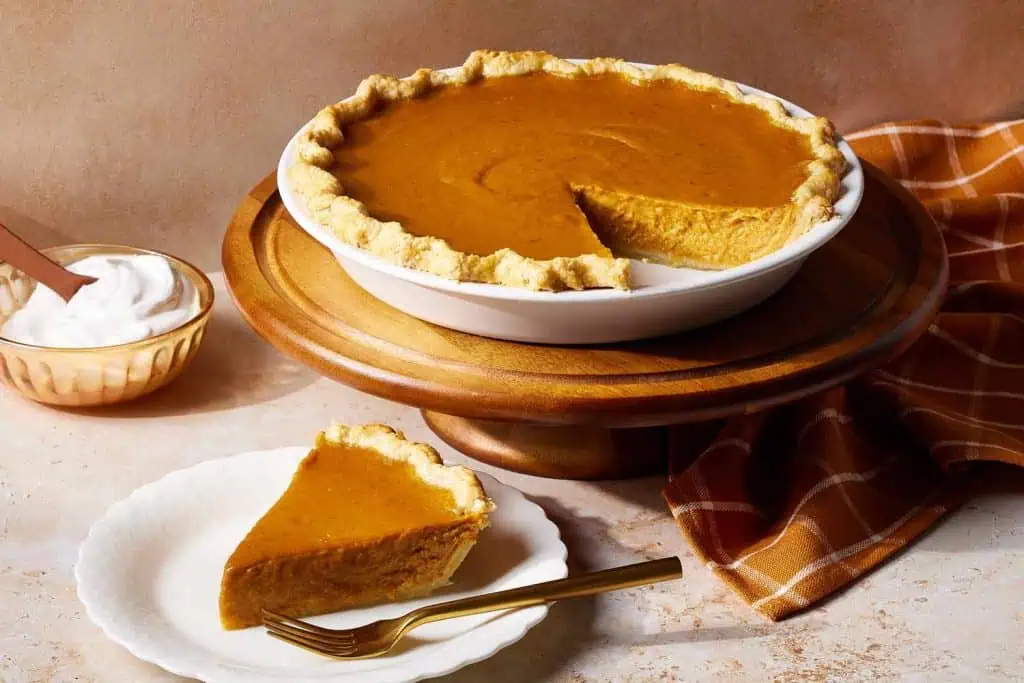
Pumpkins were plentiful in Plymouth, but the Pilgrims didn’t have sugar, flour, or ovens to make the creamy dessert we know today. Instead, they might have roasted pumpkins whole or stewed them with herbs for a savory dish. The classic spiced pie, complete with a crust and cinnamon, didn’t appear until the 18th century. What they had was far more rustic: a roasted gourd, not a bakery masterpiece.
Mashed Potatoes

Mashed potatoes are a modern Thanksgiving essential, but in 1621, they weren’t even an option. While potatoes existed in Europe by then, they hadn’t yet made their way to the New World. Early colonists relied on native root vegetables like turnips and parsnips instead. It would be nearly a century before the creamy, buttery potatoes we love became part of American cuisine.
Cranberry Sauce
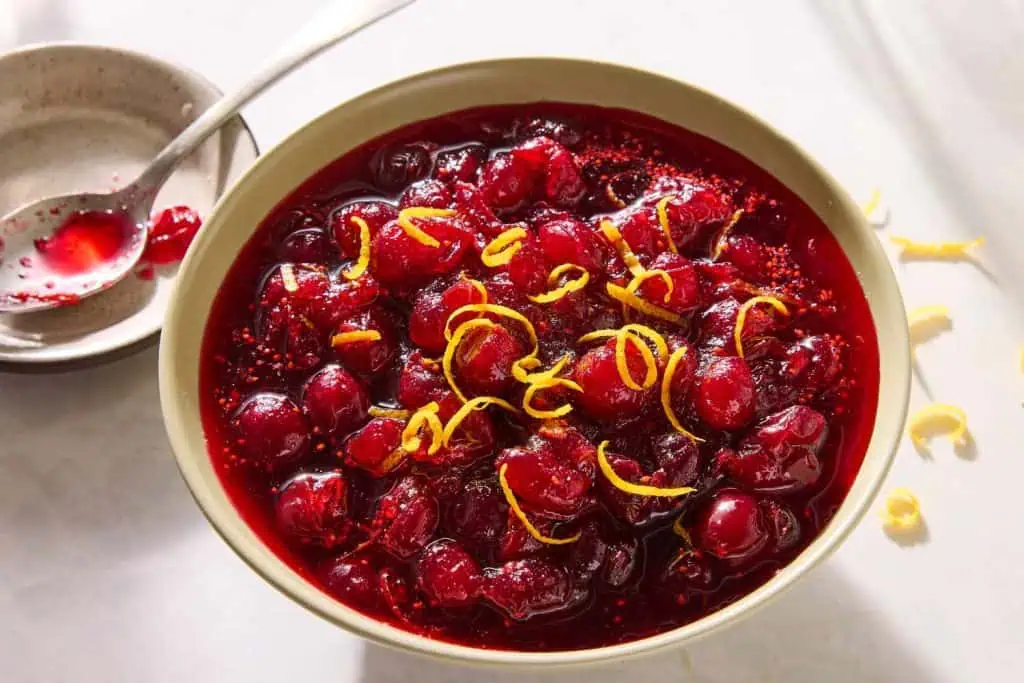
Though cranberries were abundant in New England and likely appeared at the feast, the Pilgrims didn’t have the sugar needed to make the sweet sauce we know today. The berries may have been boiled or added to stews for tartness, but not sweetened. It wasn’t until decades later, when sugar became more accessible through trade, that cranberry sauce took on its iconic holiday form.
Turkey as the Main Dish
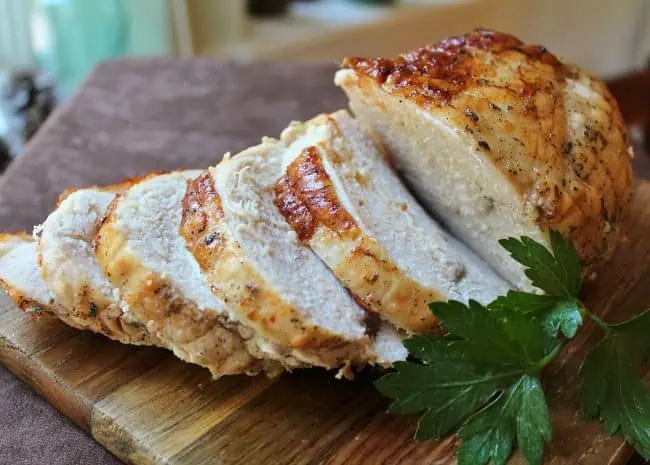
Contrary to tradition, the first Thanksgiving feast probably didn’t revolve around turkey. Historical records suggest the main meats were venison, ducks, and geese, all abundant in the region. Turkey may have been present, but it was far from the star attraction. The bird only became Thanksgiving’s centerpiece much later, when it came to symbolize American abundance and family celebration.
Stuffing
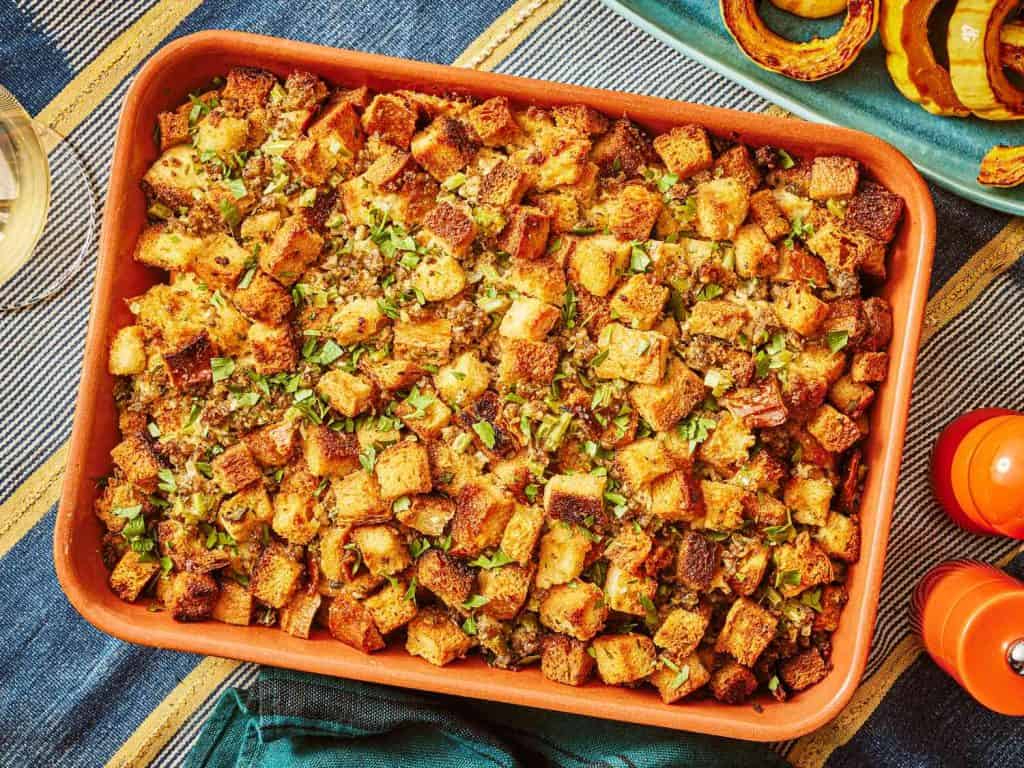
Stuffing might be the soul of modern Thanksgiving, but it didn’t exist in 1621. Bread was rare and precious, and the settlers didn’t yet bake loaves regularly. Instead, they flavored their roasted birds with herbs, nuts, and onions or cooked grains inside them. The bread-based stuffing we know today only emerged when ovens and wheat flour became household staples.
Sweet Potatoes and Marshmallows
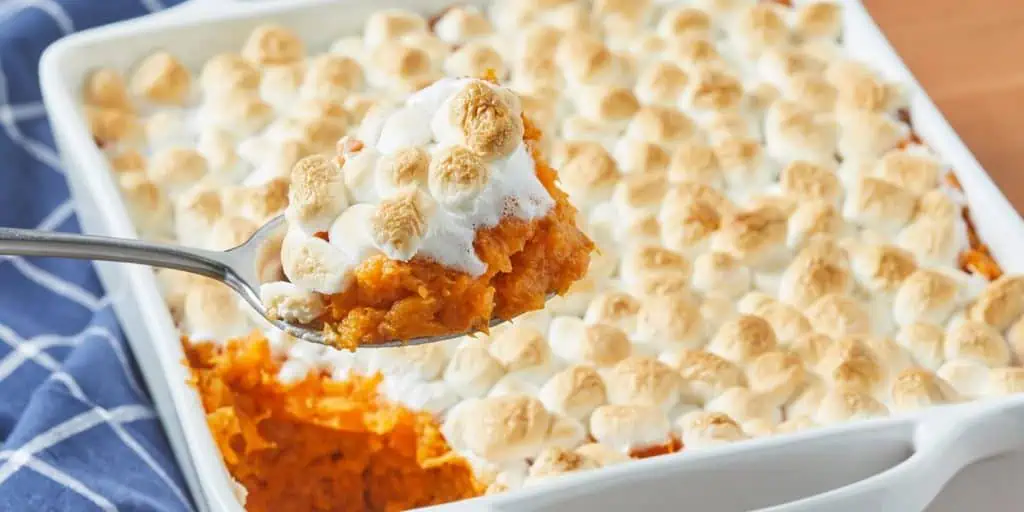
Sweet potatoes weren’t native to New England, and marshmallows didn’t even exist in edible form until centuries later. The sugary casserole that now graces so many holiday tables didn’t appear until the early 1900s, when a marshmallow company published the recipe to boost sales. In 1621, the idea of sweet vegetables topped with candy would have sounded downright alien.
